

The static wasn't just noise; it was a personal insult to Karl Jansky’s competence. In 1931, Bell Labs demanded perfection for their transatlantic telephone lines, but a relentless hiss drowned out every conversation. Clients were furious. Managers were impatient. Jansky sat in his New Jersey office, headphones pressing against his temples, listening to the sound of his career slipping away. He didn't just need to find the source; he needed to silence it to save his reputation.
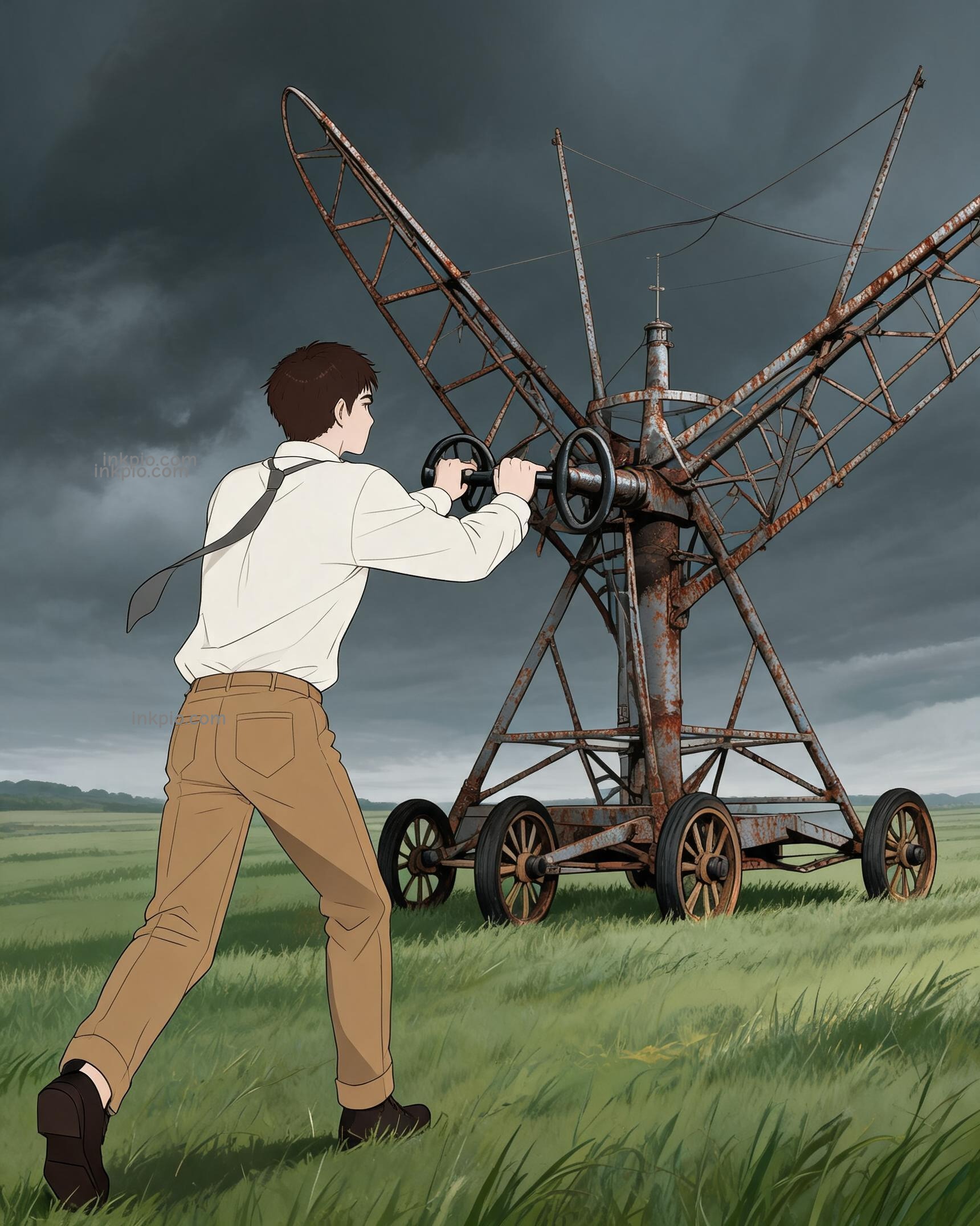
He constructed a monster to hunt the ghost. Thirty meters of steel tubing, mounted on four wooden wheels scavenged from Ford Model T cars, stood like a bizarre sculpture in the muddy field. It looked less like scientific equipment and more than a circus ride gone wrong. This "merry-go-round" rotated slowly, sweeping the sky with a mechanical ear that never blinked. Jansky watched it turn, day after day, feeling the weight of isolation as his colleagues moved on to clearer projects while he remained stuck with the unfixable hum.
The antenna categorized the chaos into three distinct voices. First, the violent crackle of nearby thunderstorms, which faded as quickly as they arrived. Second, the distant rumble of storms over the horizon, predictable and weather-dependent. But then there was the third voice: a faint, steady hiss that refused to obey the rules of Earth. It didn't care about rain or wind. It didn't care about the time of day. It was always there, a stubborn whisper in the background of Jansky’s life.
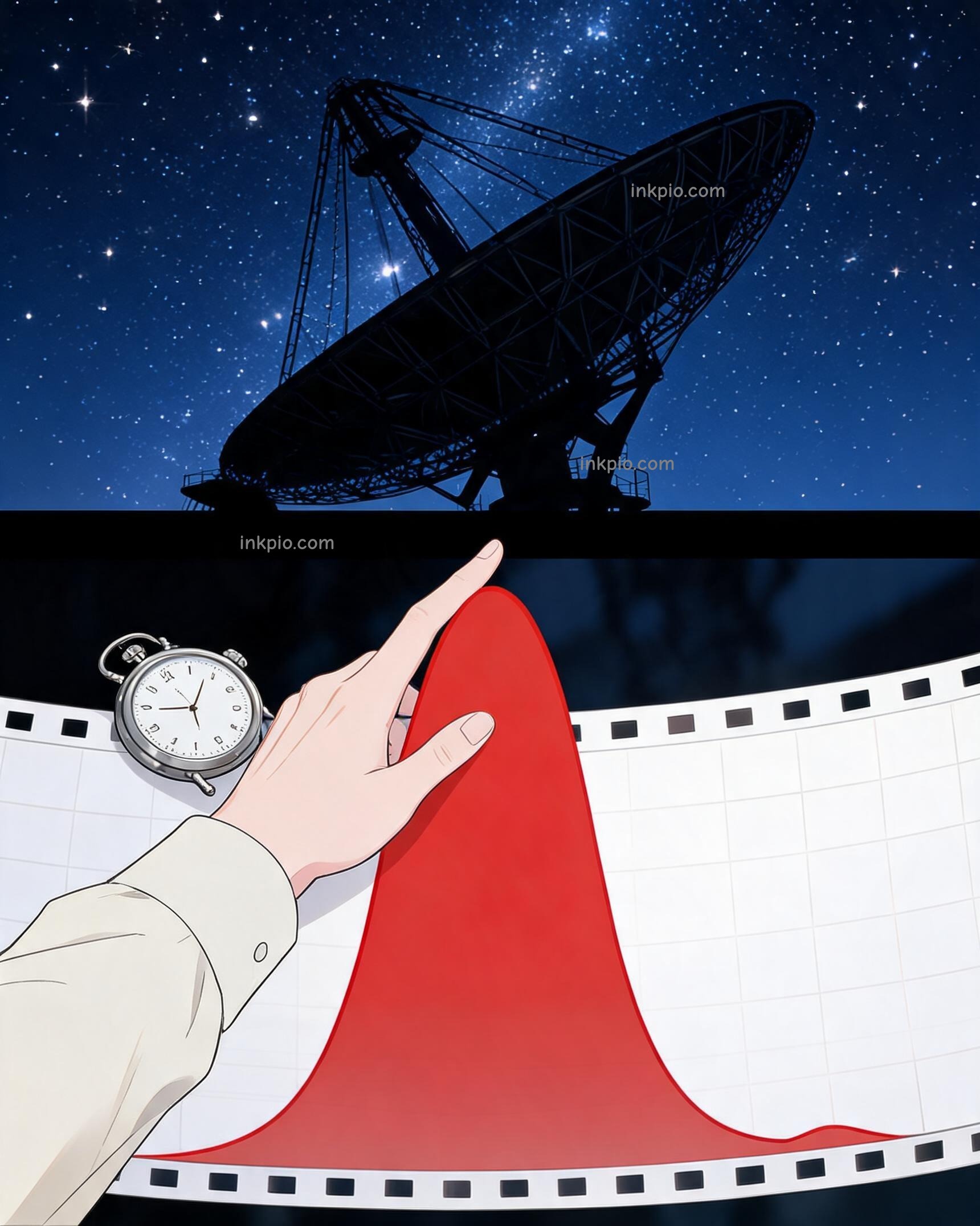
Obsession took hold. Jansky began logging the direction and intensity of this stubborn static, searching for a pattern in the madness. He knew how solar time worked—the sun returned to the same spot every 24 hours. But the stars were different. Because Earth orbits the sun while spinning, the stars rise about four minutes earlier each day. It was a subtle astronomical fact, irrelevant to telephone engineers, but Jansky clung to it as a lifeline.
The breakthrough didn't come with a bang, but with a quiet realization in the data logs. The peak of the mysterious hiss shifted. Not by 24 hours, but by exactly four minutes earlier each day. Jansky stared at the numbers, his heart pounding against his ribs. The noise ignored the sun. It followed the stars. This wasn't interference from a faulty wire or a nearby factory. The source was outside our solar system, far beyond anything human hands had touched.
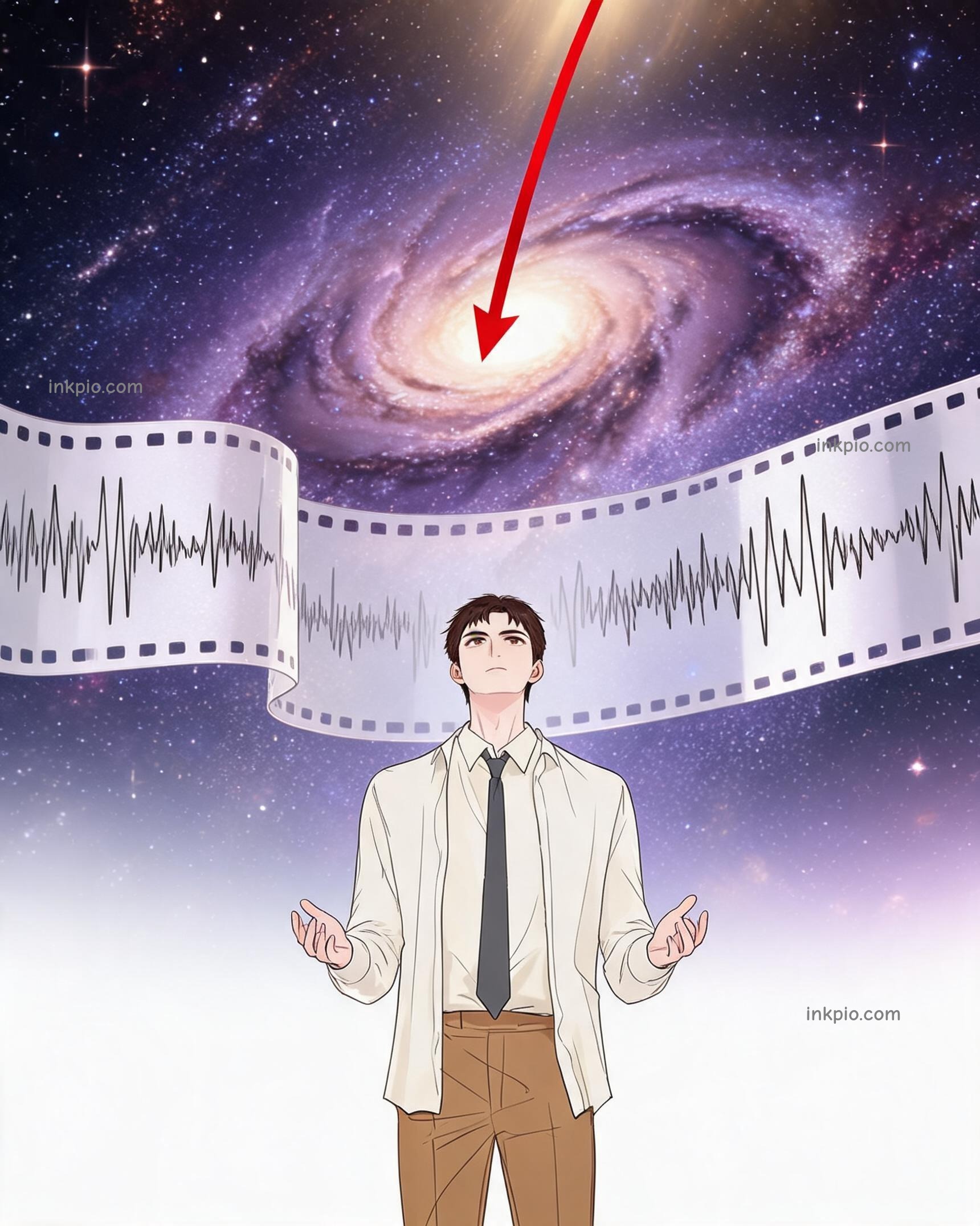
Triangulating the signal, Jansky pointed his mechanical ear toward the constellation Sagittarius. The hiss was loudest coming from the dense, dark center of the Milky Way. In 1933, he published his findings, describing "electrical disturbances apparently of extraterrestrial origin." The language was dry, academic, and cautious. He couldn't bring himself to say what he truly felt: that the universe was speaking, and he was the first person to hear it.
The merry-go-round kept turning in the New Jersey mud, listening to a galaxy that had finally found a voice. Jansky had set out to fix a broken phone line, to clear up the chatter so businessmen could talk about stocks and weather. Instead, he had opened a window into the invisible cosmos. The static that had driven him crazy was actually the song of the stars. He sat back, the heavy headphones now silent in his hands, realizing that the noise he fought to destroy was the most important sound he would ever hear.