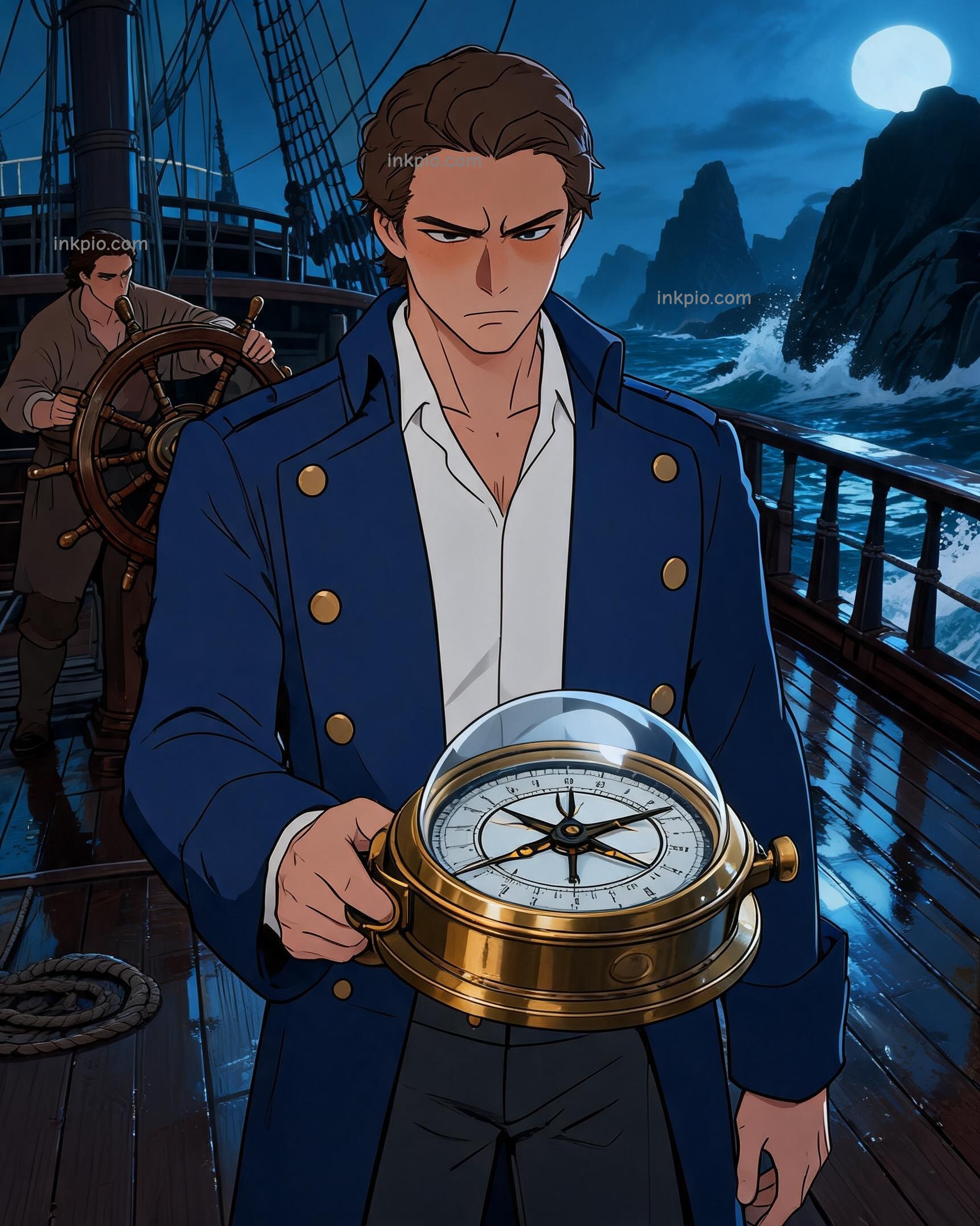


The brass housing of the binnacle was cold under Matthew Flinders’ palm, but his blood ran hotter. It was 1802, and the HMS Investigator was slicing through the dark waters off Australia’s coast. Above, the stars held their ancient, unchanging positions. Below, the compass needle trembled like a frightened animal, pointing not north, but directly at a jagged reef hidden in the blackness.
The helmsman’s knuckles were white on the wheel. Sweat froze on his brow despite the chill. He looked to Flinders for guidance, but the captain stared at the instrument with a mix of fury and dread. One wrong degree meant the end of the ship, the crew, and years of mapping work. The sea did not care about their intentions; it only respected precision.
Most men would have blamed the Earth’s whims or cursed the local geology. Flinders felt a different pull—a gnawing suspicion that the enemy was not outside, but within. He left the deck, descending into the hold where the air smelled of rust and damp timber. Here, in the dim light, he ran his hands over the massive iron bolts securing the hull. He brought a handful of iron filings close to the metal. They didn’t just fall; they clung, vibrating against the rusted surface.
The realization hit him with physical force. The Earth’s magnetic field had magnetized the ship’s own skeleton. The Investigator was no longer just a vessel; it was a giant, invisible lodestone, dragging its own navigation tools toward disaster. The very structure built to save them was trying to kill them. This was not bad luck. It was physics, working against them in silence.
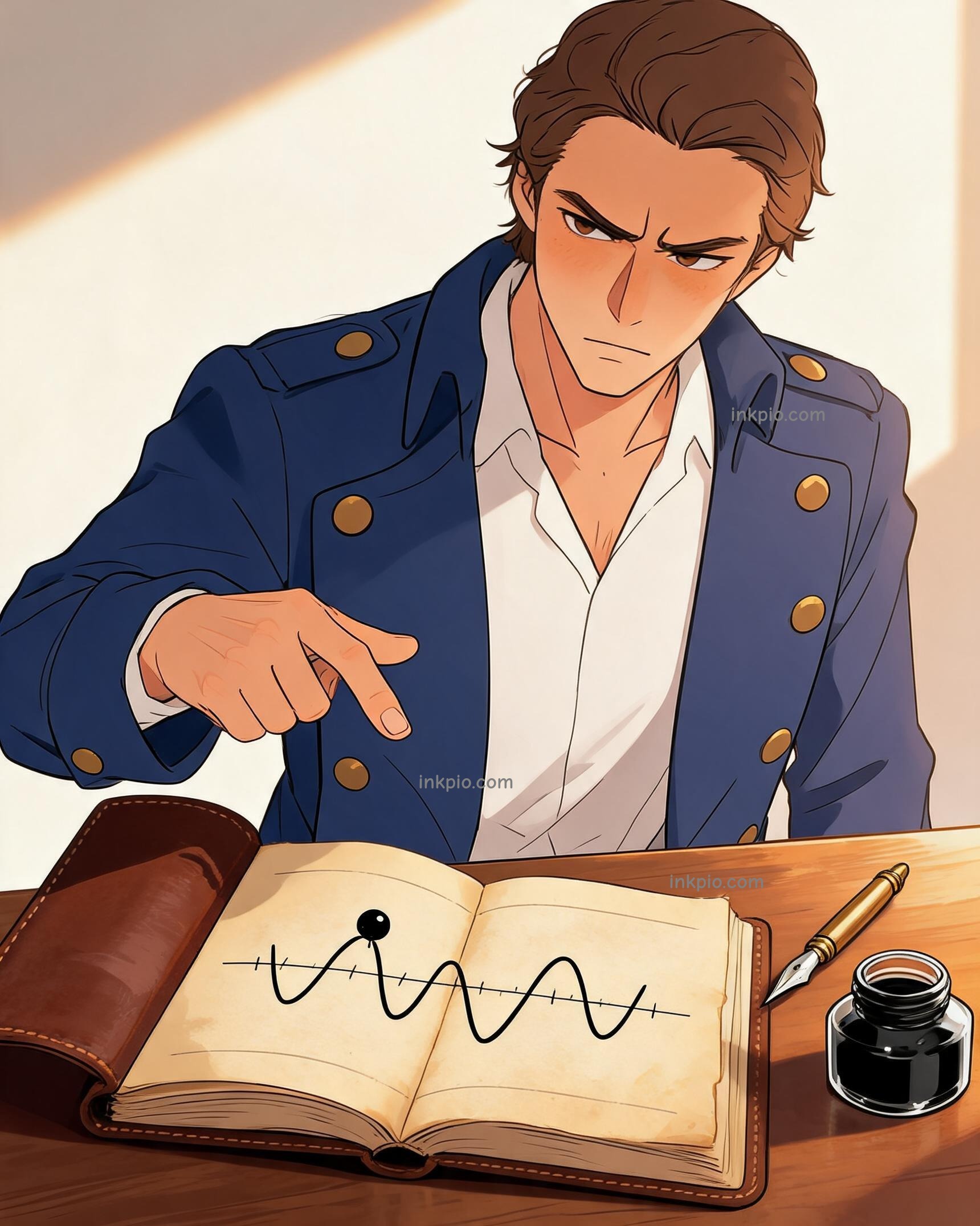
Flinders needed more than a guess. He needed to prove the invisible hand pulling the needle. He returned to his cabin, locking the door against the rolling motion of the ship. On his desk, he drew a sine wave. He visualized the ship’s magnetic interference as a force pushing a heavy door. To stop the door, you do not push harder in the same direction. You push back from the opposite side with equal strength.
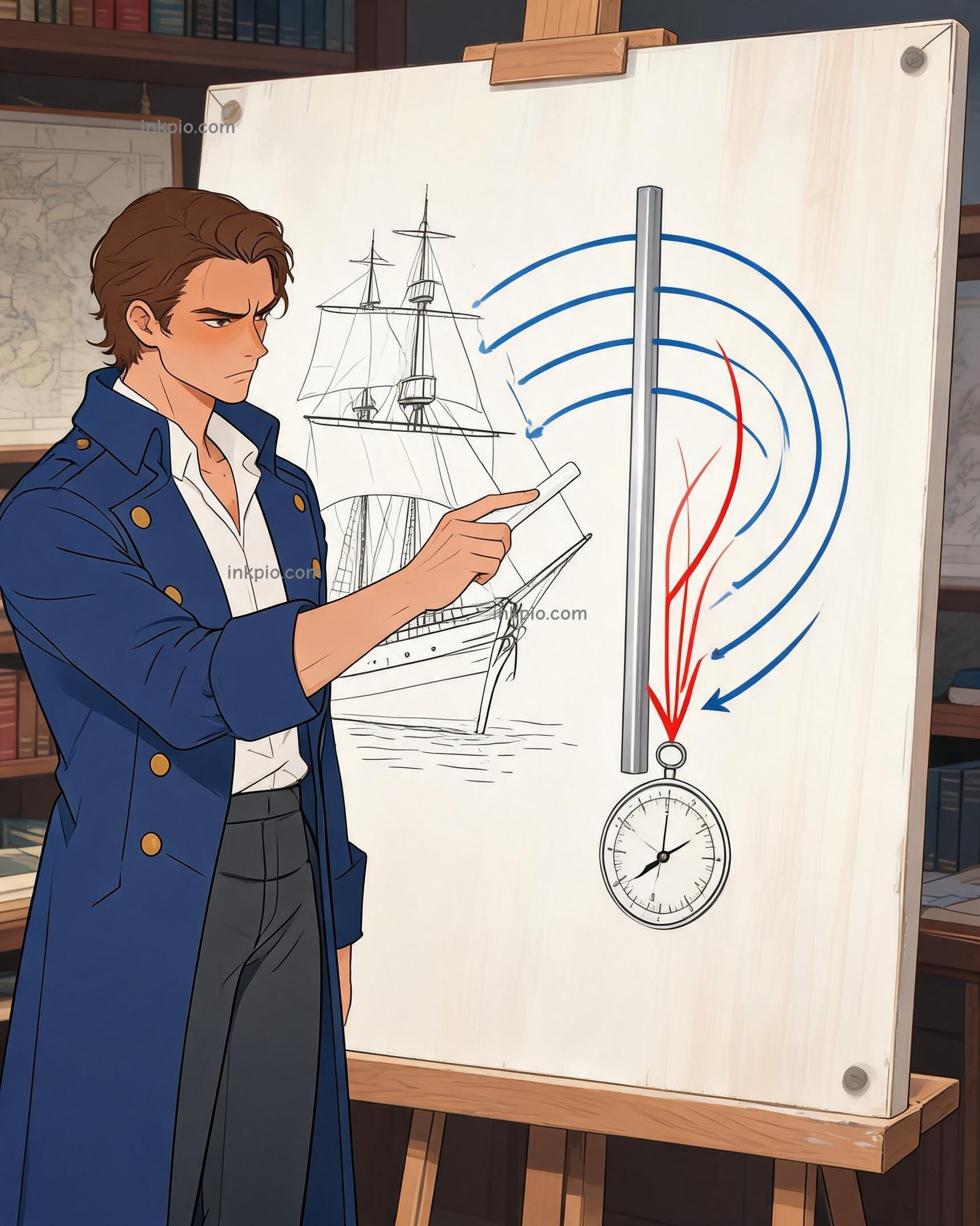
He calculated the exact angle and intensity of the hull’s distortion. Then, he took a vertical rod of soft iron. This was not magic; it was counter-force. He placed the rod next to the compass binnacle. The new iron absorbed the Earth’s field and generated a matching, opposing pull. It was a delicate balance, a mathematical handshake between two magnetic fields.
On deck, the crew watched in silence. Flinders adjusted the rod. The needle, which had been dancing wildly, slowed. It hesitated, then settled. It pointed true north. The tension in the helmsman’s shoulders dropped. The reef was still there, lurking in the dark, but now they could see it for what it was—a hazard to be avoided, not a destiny to be met.
In 1805, Flinders published his findings. He wrote simply, "I found that the attraction of the ship's iron was the sole cause of the error." He gave future captains a tool: a simple metal bar that canceled out the ship’s own magnetic ghost. But in that moment on the Investigator, it was not about history. It was about the quiet hum of the iron rod, neutralizing the danger, allowing the ship to sail into the morning light with a needle that finally told the truth.