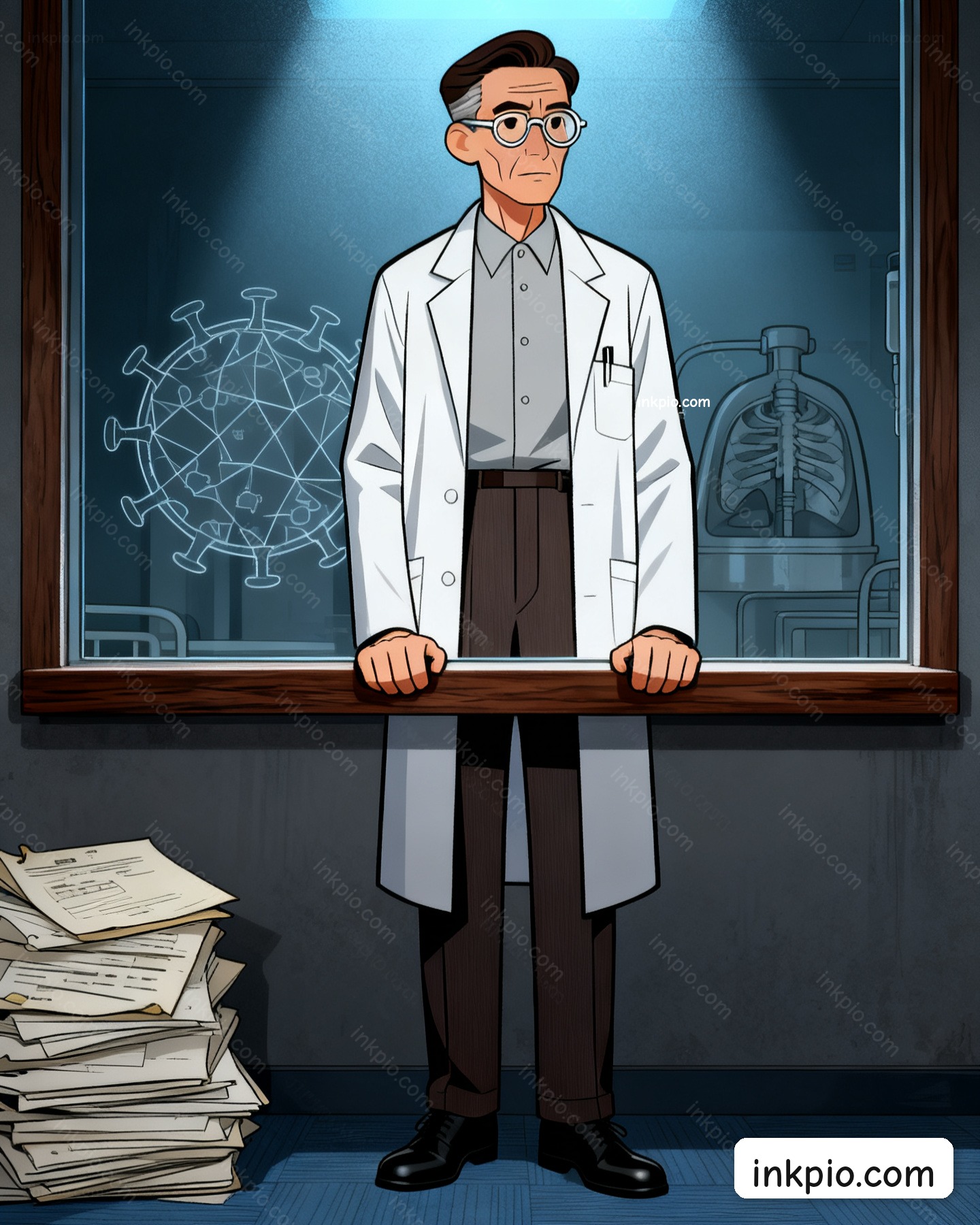


Summer heat in the 1950s carried a silent threat. Pools emptied as parents kept their children indoors, terrified of the invisible enemy that twisted young limbs and silenced playgrounds. In Pittsburgh, Jonas Salk watched the news with a heavy heart. He wasn't just a scientist observing data; he was a father imagining his own sons in those iron lungs.
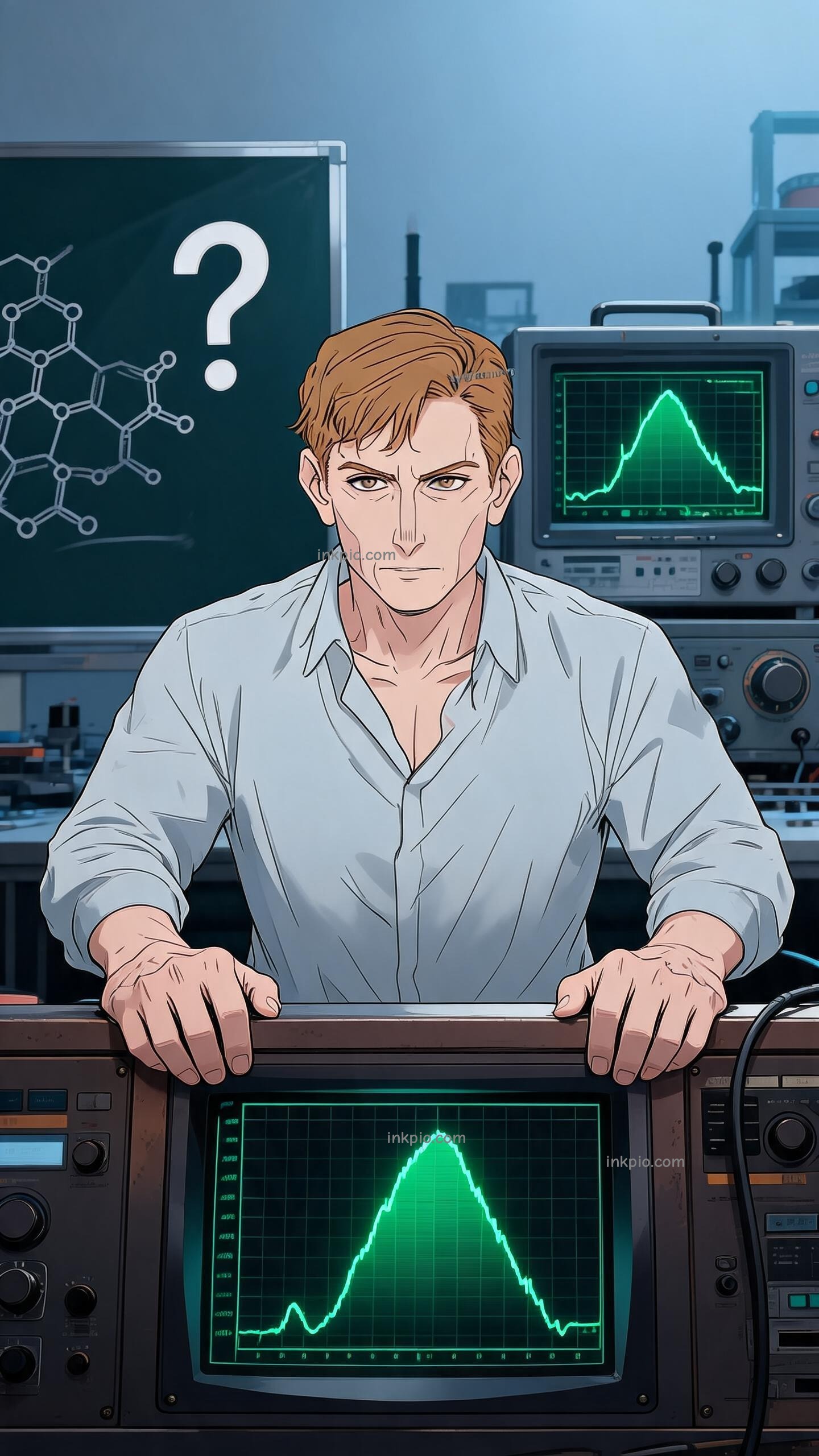
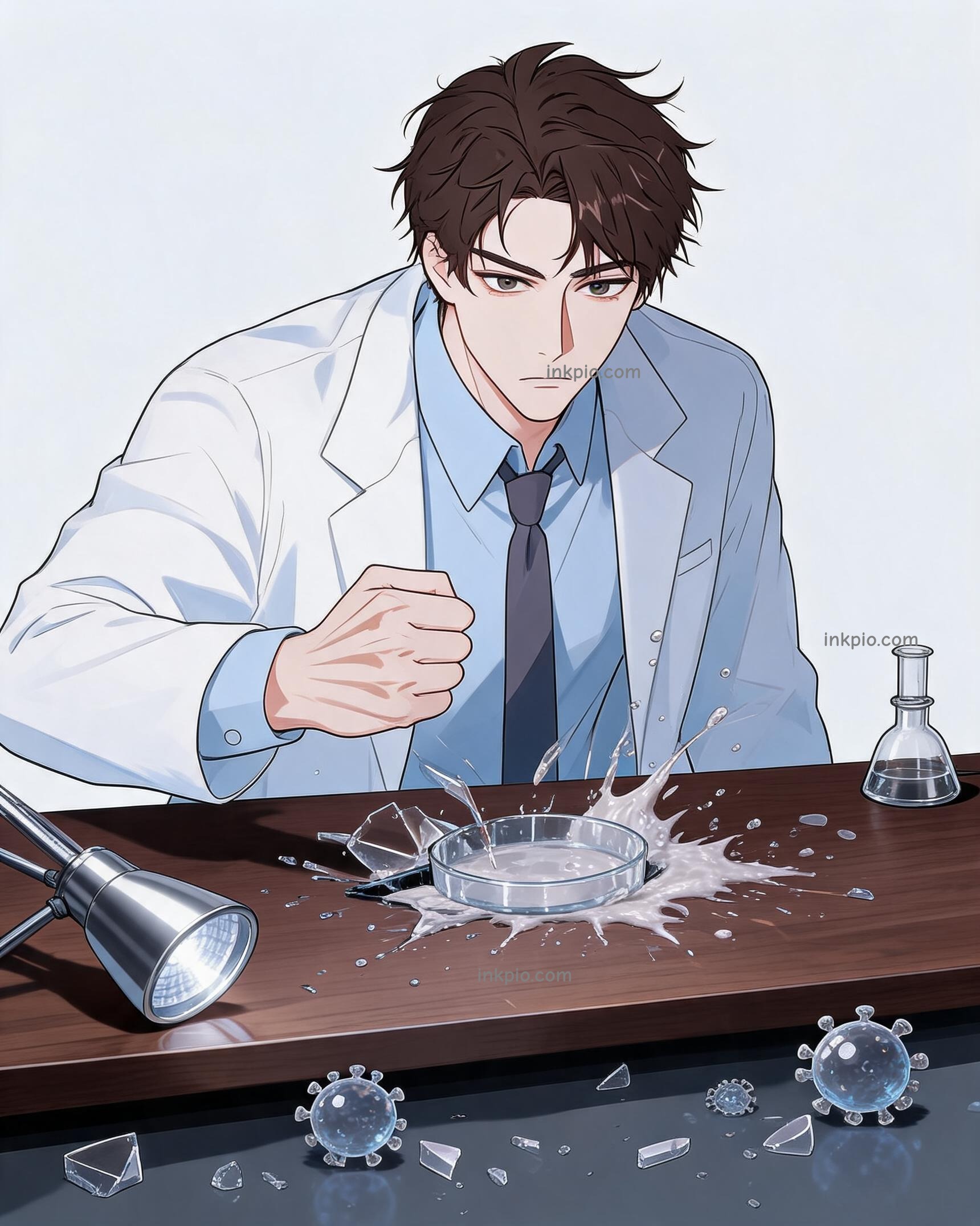
The laboratory became his sanctuary and his prison. The scientific puzzle was brutal in its simplicity. To teach the body to fight polio, you had to present it with the virus, but a dead one. Heat and UV light were blunt instruments. They cooked the virus, yes, but they also melted the protein armor. The immune system needs a recognizable shape to build defenses. Without that structure, you are handing the body a puddle of goo and expecting it to learn warfare.
Salk needed precision, not force. He envisioned a chemical scalpel. Imagine a locked safe. Dynamite destroys the door and the contents alike. You need a lockpick that slips through the keyhole, snaps the internal tumblers, and leaves the steel exterior untouched. The immune system must see the monster exactly as it appears in nature, only harmless.
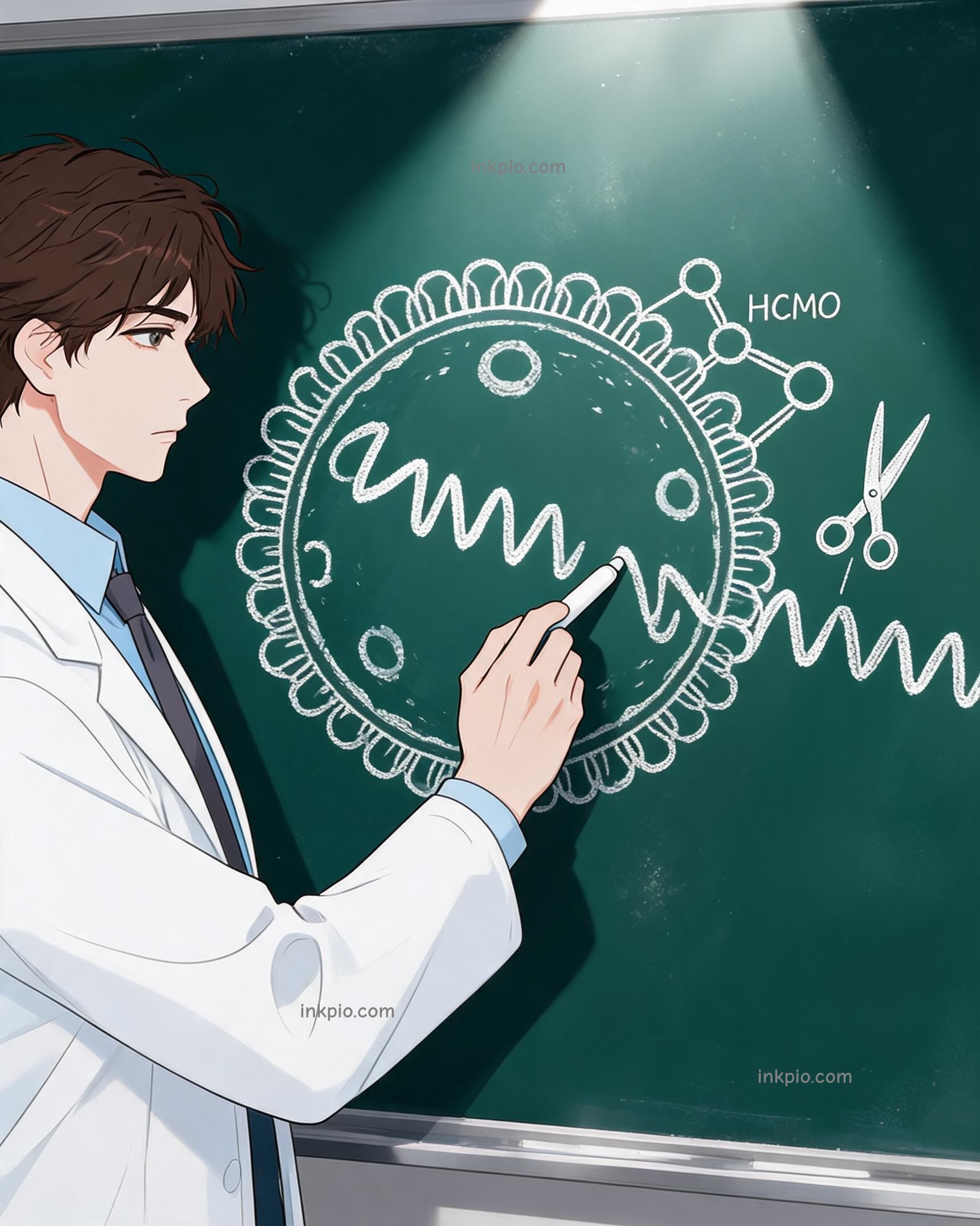
Formaldehyde emerged as the unlikely hero. These tiny molecules possessed the stealth to penetrate the virus's outer capsid. Once inside, they performed a delicate double duty. They acted as microscopic stitches, cross-linking the outer proteins to lock the shell in its original shape. Simultaneously, they chemically severed the internal RNA, disabling the genetic engine.
The process demanded obsessive patience. Salk’s lab notes reveal a man wrestling with time and temperature. Too little exposure, and the virus survived. Too much, and the protein shape distorted. He adjusted the mixture degree by degree, hour by hour. It was a tightrope walk over an abyss of failure. One mistake meant injecting live poison into children.
By 1952, the chemistry held. The vaccine was ready, but trust was scarce. Critics whispered about safety. Salk did not hold a press conference to dismiss them. He took the vials home. The kitchen table replaced the lab bench. He rolled up his sleeve, the needle piercing his own skin first. Then his wife. Then his children.
This was not a grand gesture for the cameras. It was a quiet act of faith. His wife watched him, her eyes tracking the plunger. She didn't speak, but her hand rested on his arm, steady and warm. They waited. Days passed. No fever. No paralysis. Just normal life continuing in their home.
The monster had lost its bite, yet its armor remained intact. The chemical stitching had tamed the beast without erasing its identity. Outside, the summer air still carried fear, but inside the Salk household, there was a fragile peace. The science was sound, but it was the silence of a healthy child sleeping in the next room that proved the work was done.