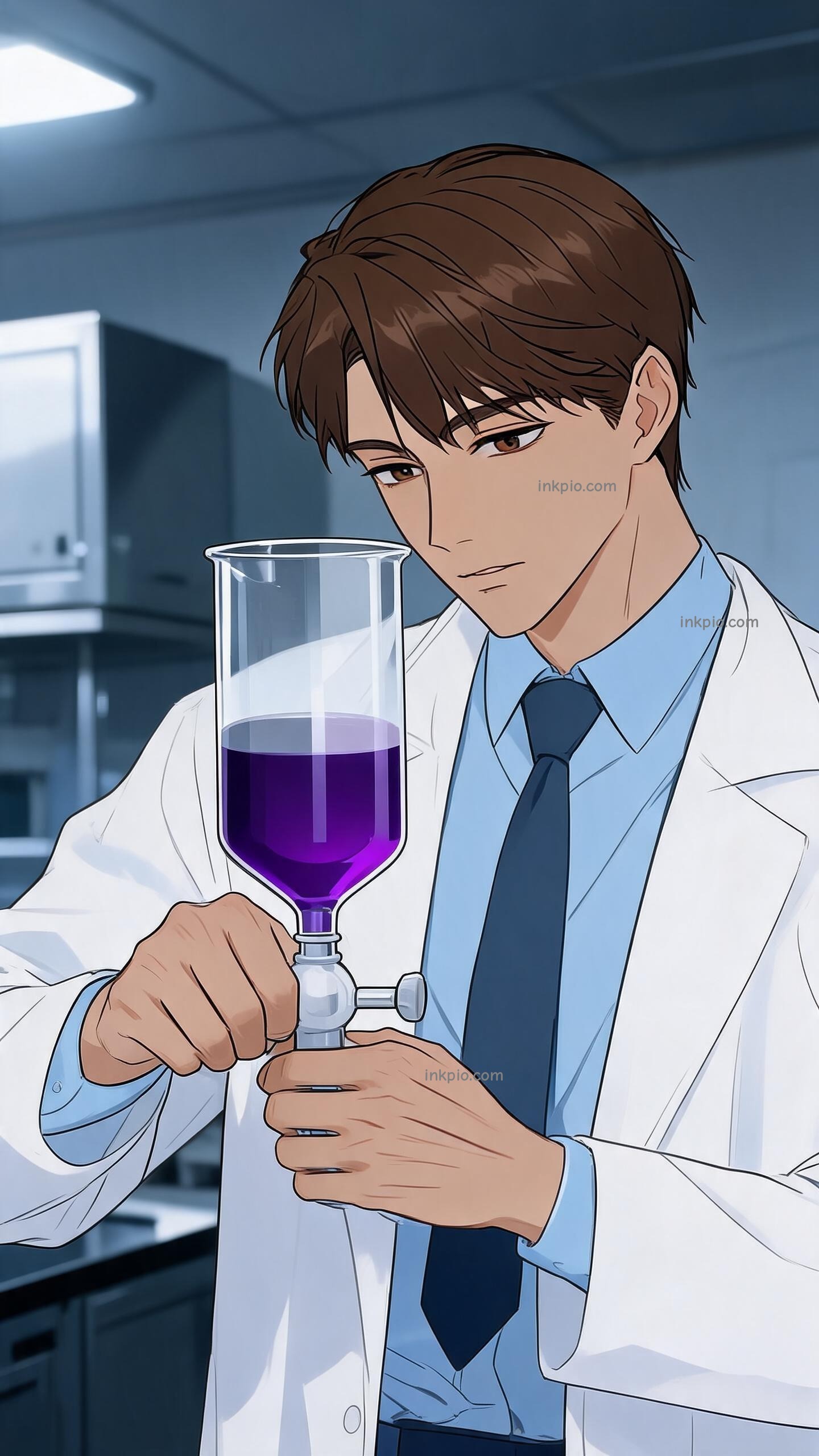
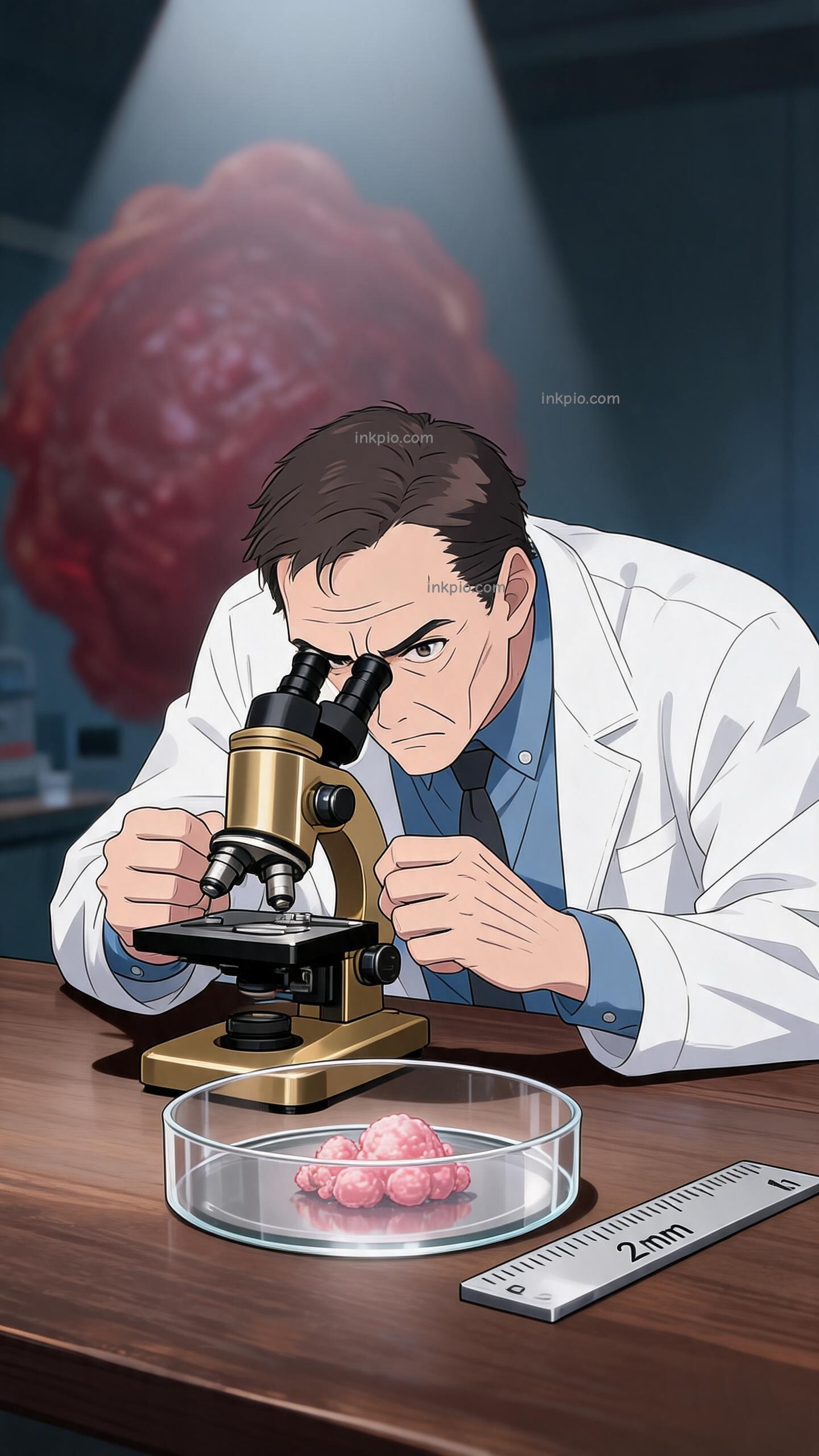
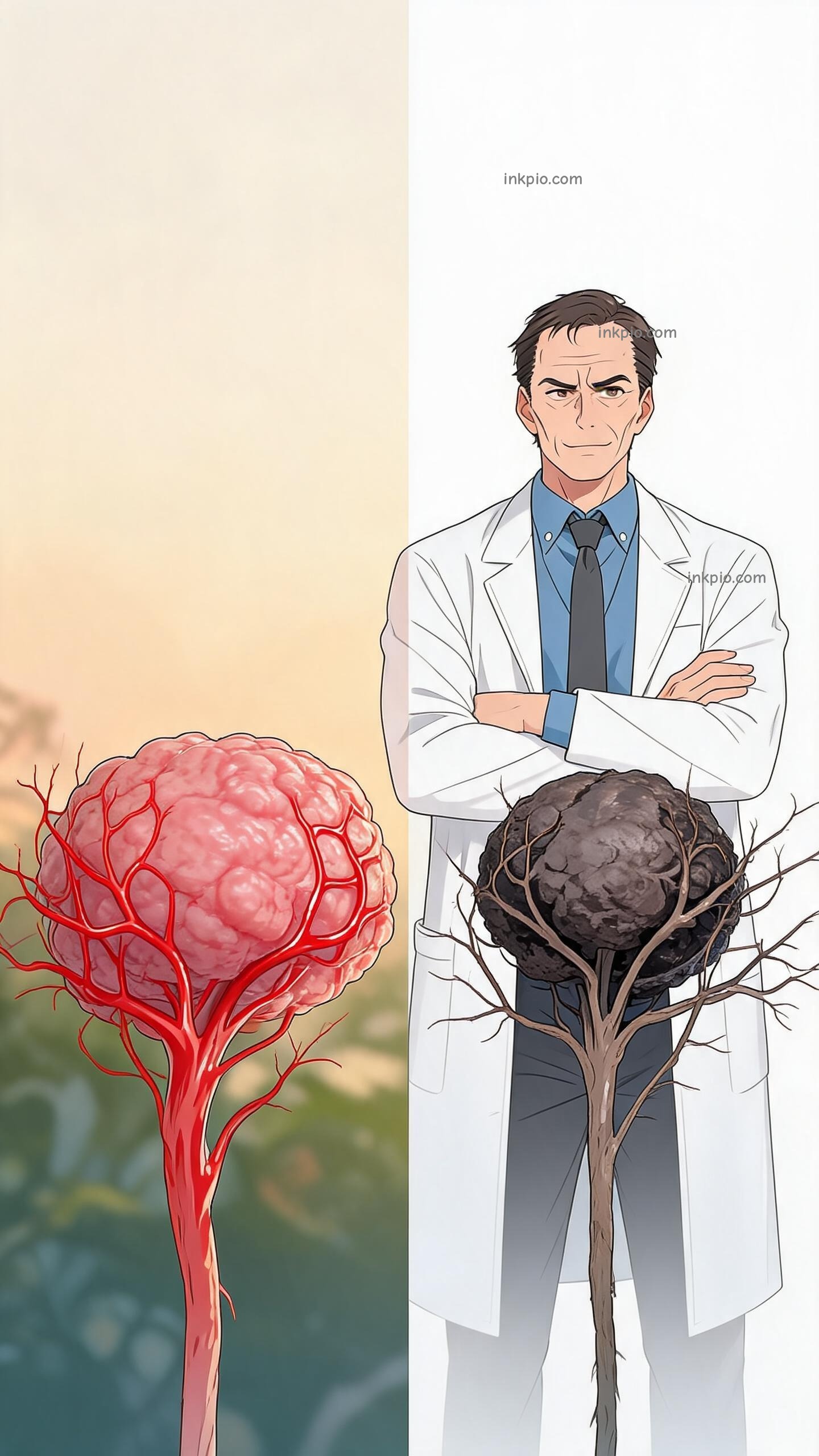

Judah Folkman sat alone in the dim light of his laboratory, the hum of the ventilation system the only sound breaking the silence. His eyes were fixed on a glass petri dish that held a secret no one else seemed to notice. Inside, a cluster of tumor cells had formed a perfect, tiny sphere. It measured exactly two millimeters across. Then, it stopped. It did not die, but it refused to grow any larger, suspended in a state of eerie stillness.
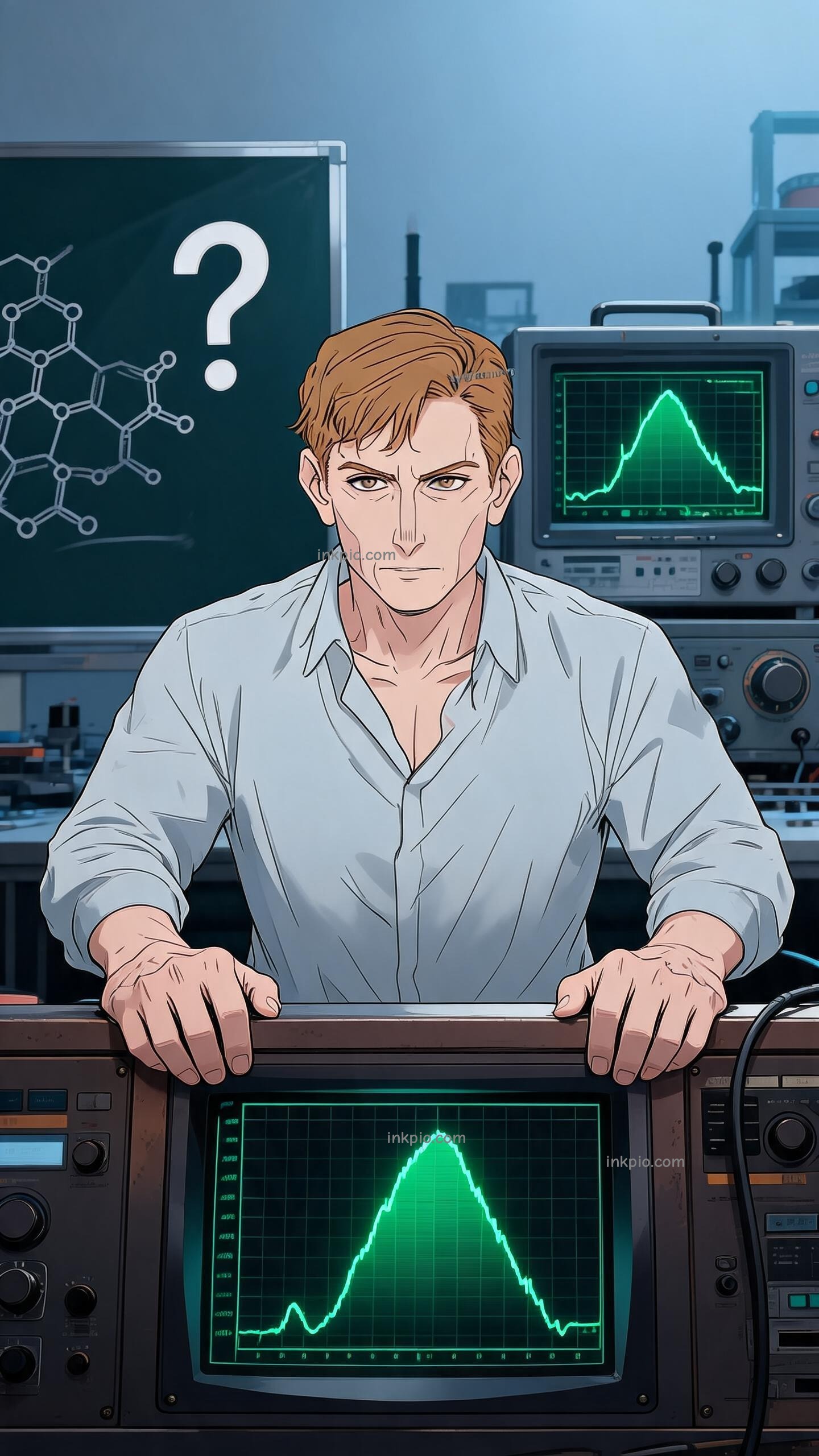
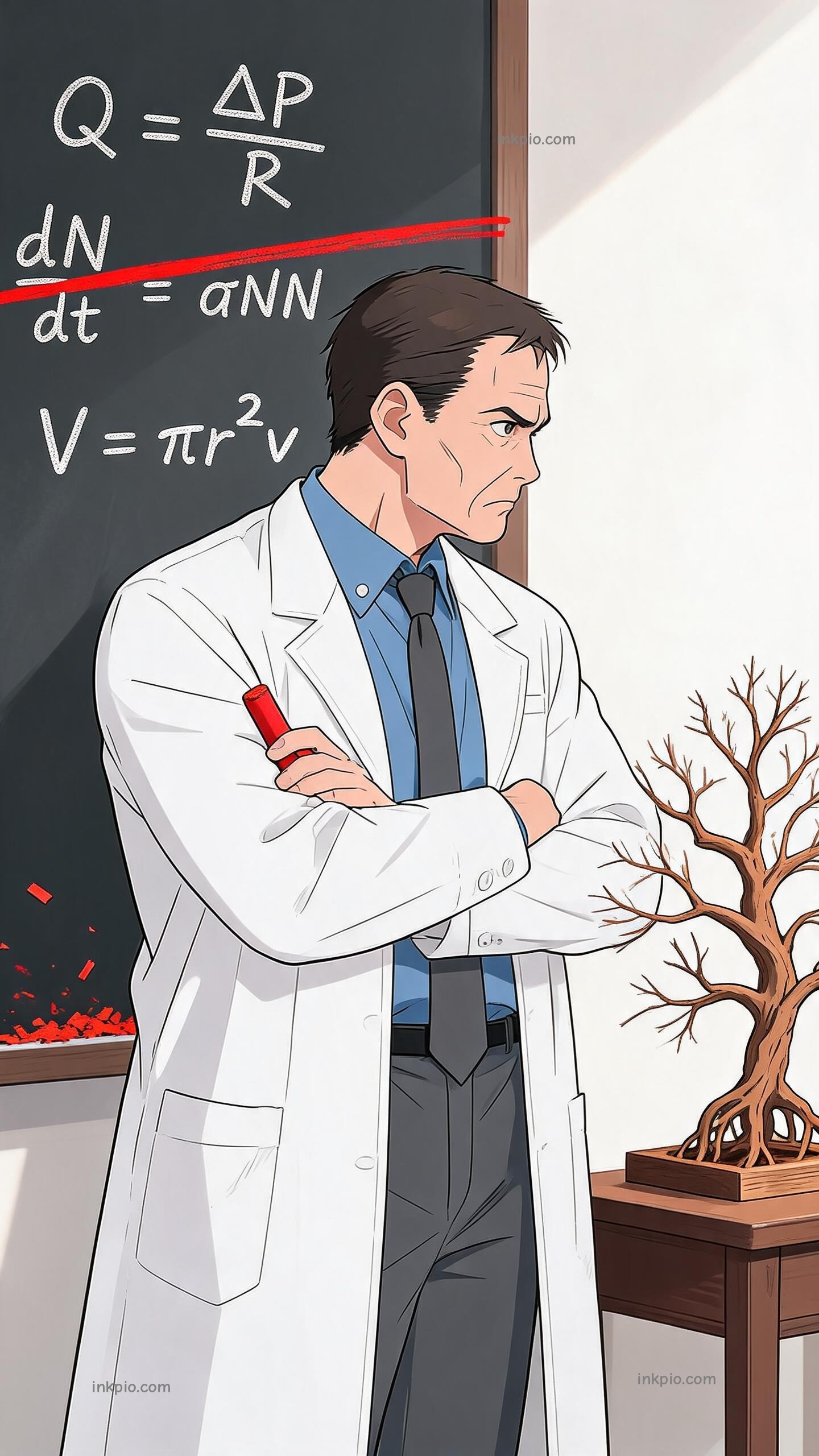
This stagnation haunted him. The prevailing wisdom of the 1960s was absolute: cancer was a disease of uncontrolled division. Cells multiplied endlessly, driven by some internal madness. But here, in the sterile safety of the dish, that madness hit a wall. Folkman looked at the patients in the hospital wards, their bodies burdened by tumors the size of grapefruits. The math was broken. If cells truly divided without limit, why did they suffocate in the dish while thriving in the body? The discrepancy felt less like a scientific puzzle and more like a personal accusation.
He began to suspect the missing variable was not inside the cell, but outside it. Blood. In the flat geometry of a petri dish, nutrients could only diffuse so far—about two millimeters—before the cells in the center starved. They were trapped in their own waste, cut off from life. But inside a living host, tumors somehow bypassed this limit. They were stealing something. Folkman hypothesized they were recruiting the host’s own blood supply, building private roads to bring in food and carry away waste. To prove this, he needed a canvas that was completely blank, a place where no blood vessels existed to begin with.
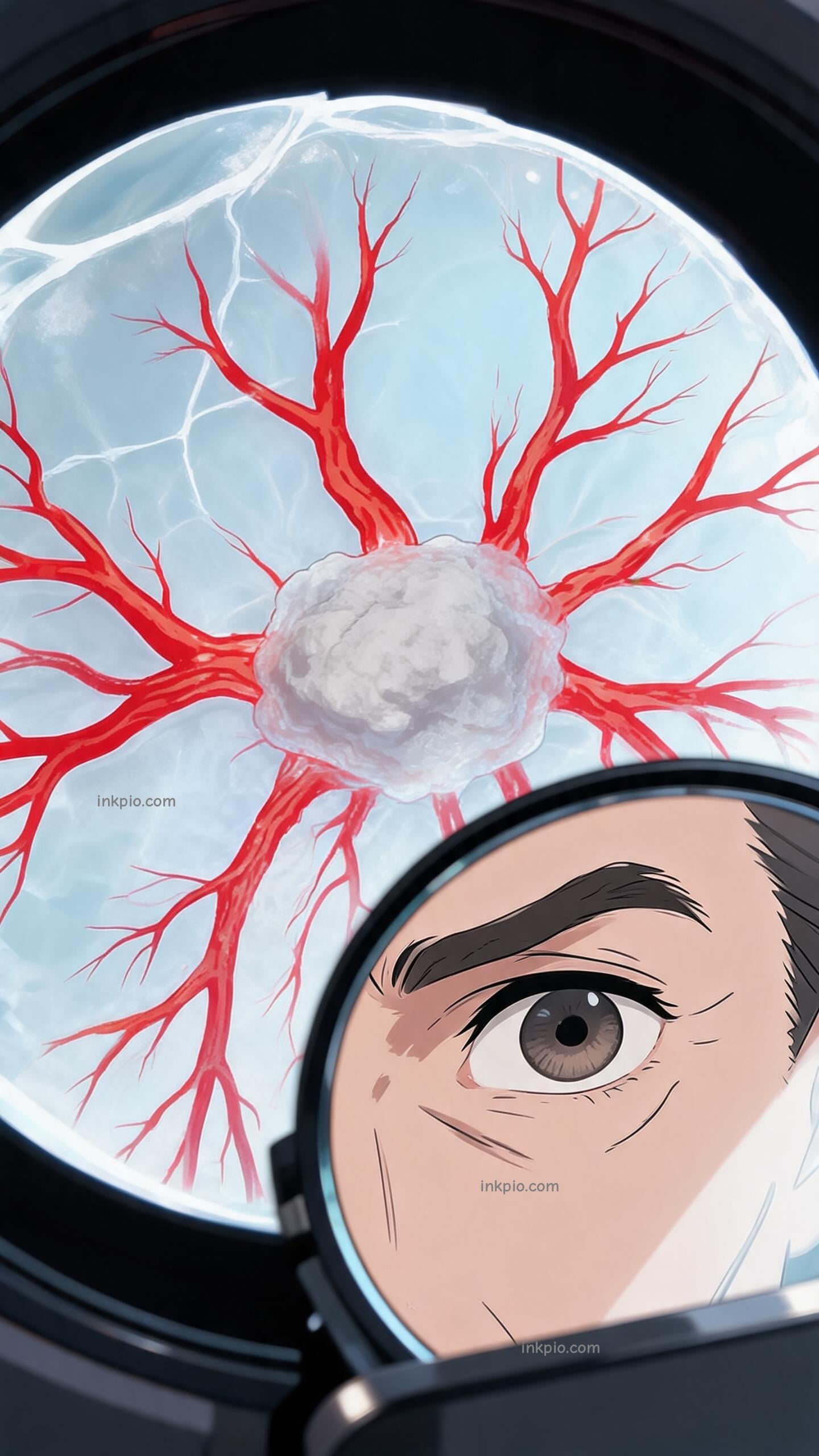
He chose the cornea of a rabbit’s eye. It was transparent, avascular, and unforgiving. With steady hands, he carved a microscopic pocket into the clear tissue and slipped a fragment of tumor inside. The cornea offered a perfect window, but it also offered isolation. For days, nothing happened. The silence in the lab grew heavier. Colleagues whispered that he was chasing ghosts, wasting time on a biological dead end. Folkman ignored them, returning to the microscope every morning with a mix of dread and hope.
Then, the stillness broke. Through the lens, he saw movement. It was subtle at first, then undeniable. Tiny red filaments sprouted from the edge of the eye, branching out like desperate tree roots seeking water. They did not grow randomly. They marched with singular purpose straight toward the tumor implant. The host’s body was responding to a silent signal, building a bridge to feed the invader. Folkman watched, breath held, as the vessels connected. The tumor was no longer starving. It was being fed.
The realization hit him with physical force. Cancer was not just autonomous growth; it was a parasitic relationship. The tumor was manipulating the host, forcing the body to build its own destruction. In 1971, he published this heresy in the New England Journal of Medicine, stating that tumor growth is angiogenesis-dependent. He argued that if you could stop the blood vessels from forming, you could starve the tumor without poisoning the patient.
Folkman leaned back from the microscope, the image of those reaching vessels burned into his mind. He had seen the enemy’s strategy. It was not a battle of killing cells anymore, but of cutting off their supply lines. The war had changed, and for the first time, he felt the weight of what came next. The silence in the lab no longer felt empty; it felt like the calm before a storm.