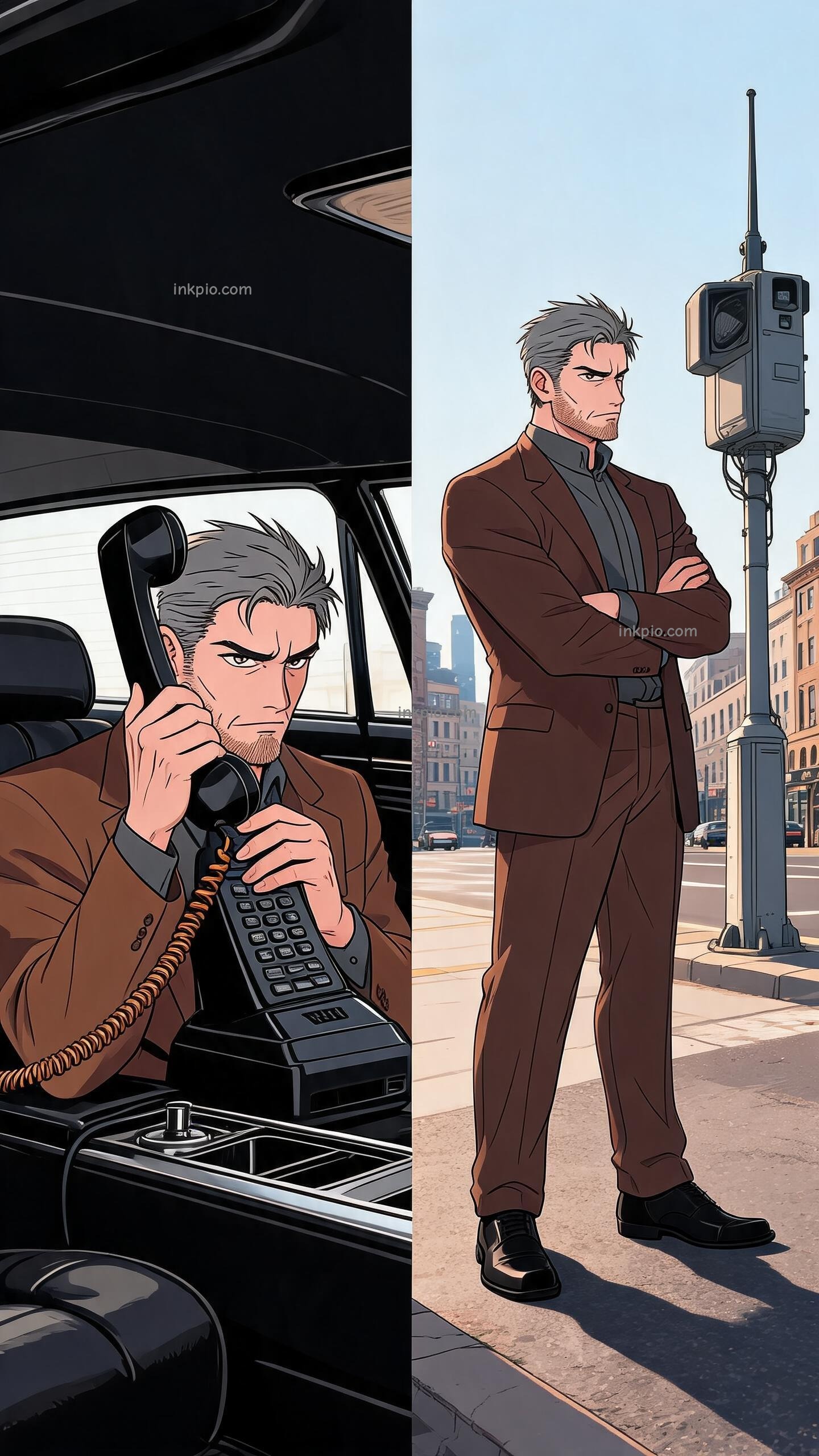

The air in Manhattan didn't just carry sound; it carried weight. In the early 1970s, that weight was physical. To make a call, you needed a car. The phone itself was a metal beast bolted to the chassis, its antenna scraping the sky, its power supply eating up half the trunk. It was less a communication device and more a declaration of status, tethered to the earth by thick cables and limited spectrum. If two people in the same neighborhood tried to talk, the system choked. The city had only a handful of channels, a scarce resource hoarded by the few who could afford the hardware.
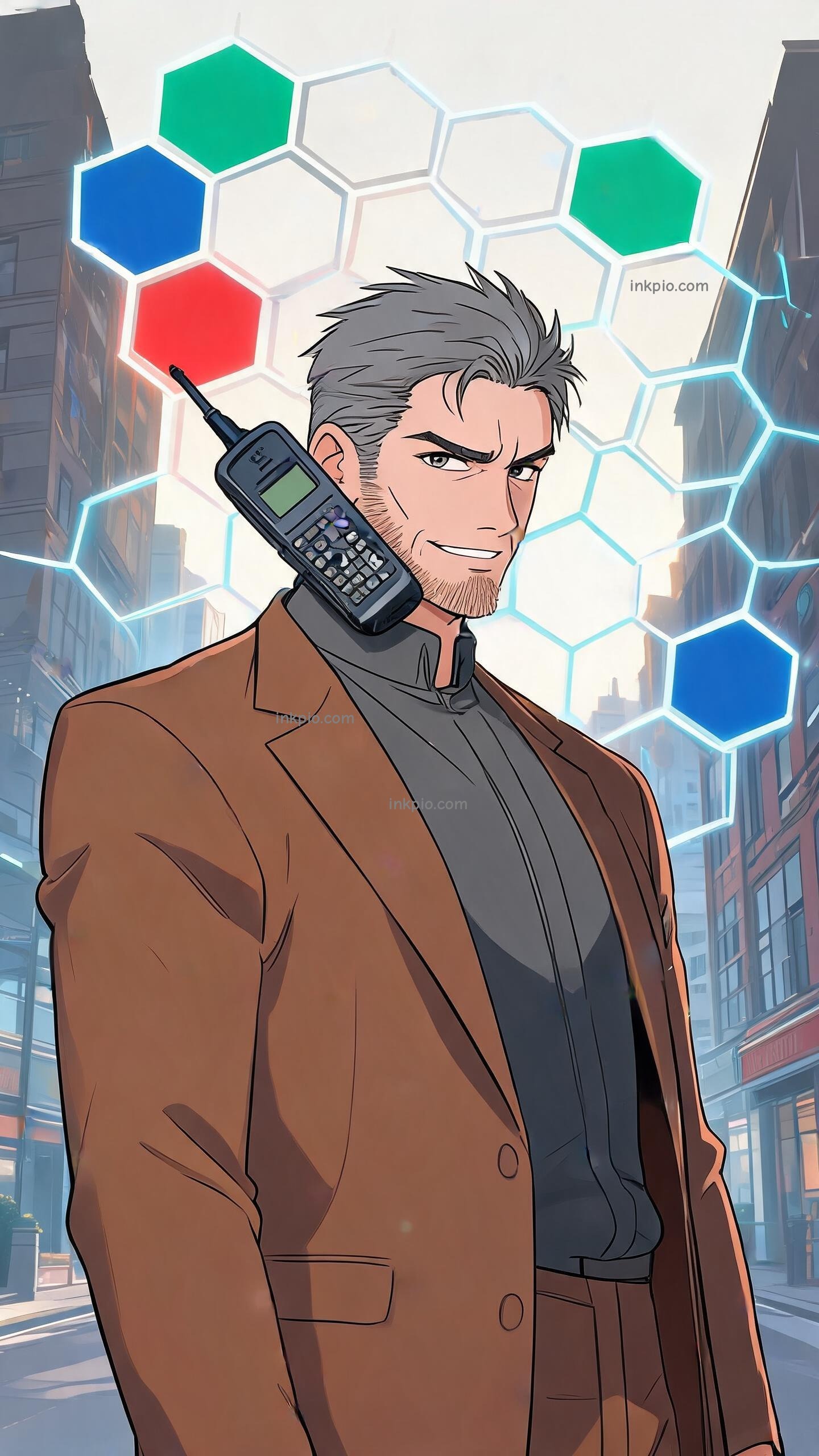
Martin Cooper hated the tether. He looked at those bulky transmitters and saw not progress, but confinement. His obsession wasn't just about shrinking the plastic casing; it was about liberating the voice from the machine. But freedom required solving a mathematical gridlock. Radio frequencies were finite. You couldn't just add more users without adding more chaos. Cooper’s mind raced through the geometry of the city. He imagined slicing New York into hexagonal cells, like a honeycomb overlaid on the street map. Each cell would have its own low-power transmitter. The breakthrough wasn't the cell itself, but the reuse. As long as two cells didn't touch, they could share the same frequency. One lane of traffic suddenly became a hundred, invisible highways weaving through the concrete canyons.
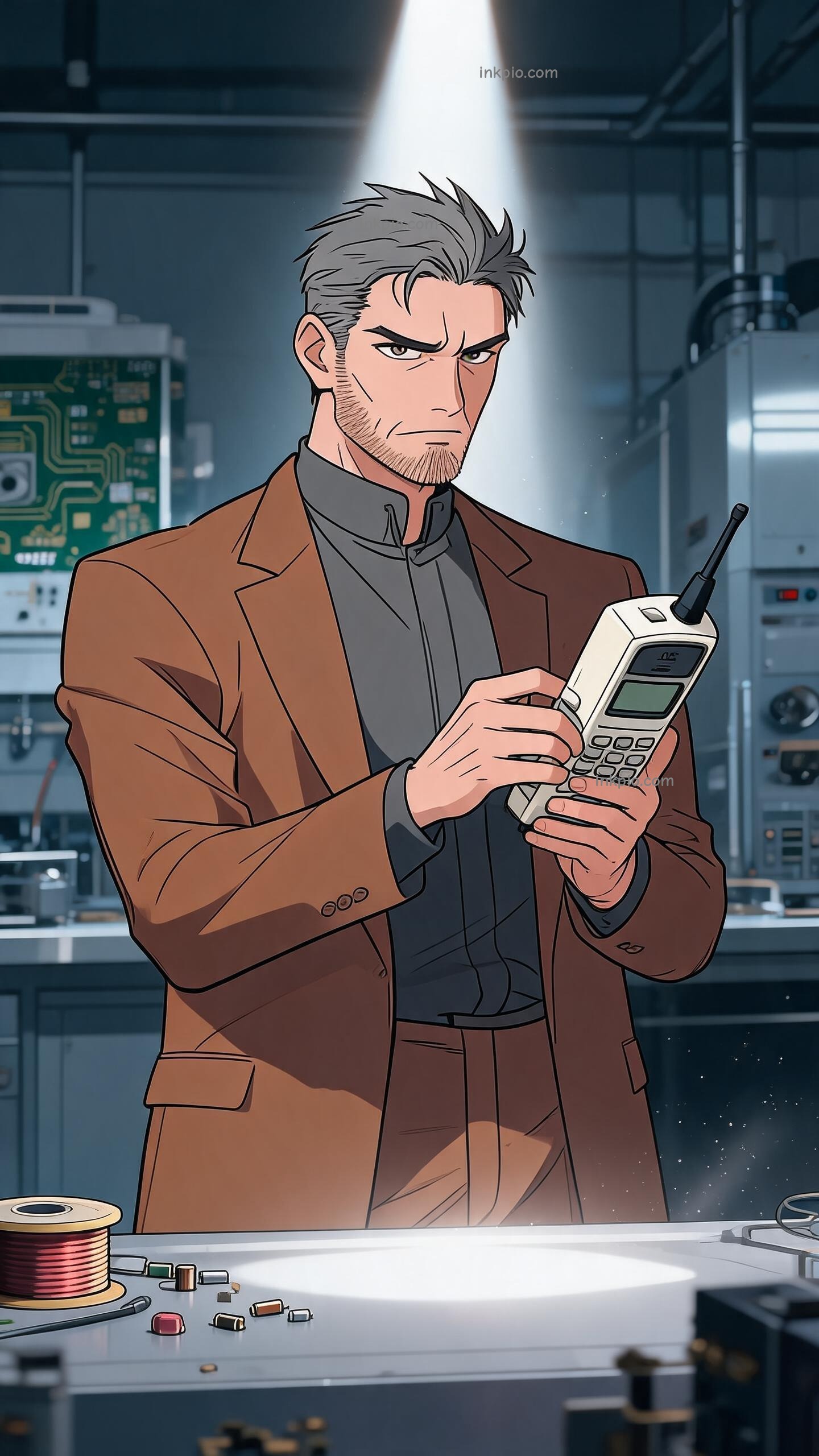
Motorola’s labs became a workshop for this vision. Engineers soldered circuits late into the night, their hands stained with flux, their eyes red from staring at schematics that defied conventional wisdom. The result was the DynaTAC prototype. It weighed 2.5 pounds. It stood nine inches tall. To anyone else, it was a brick. To Cooper, it was a key. But a key is useless if it doesn't turn the lock. Lab tests were sterile, controlled environments where success was expected. The streets of New York were different. They were noisy, unpredictable, and hostile to delicate electronics. Cooper needed to prove the concept not to his bosses, but to the world that said it couldn't be done.
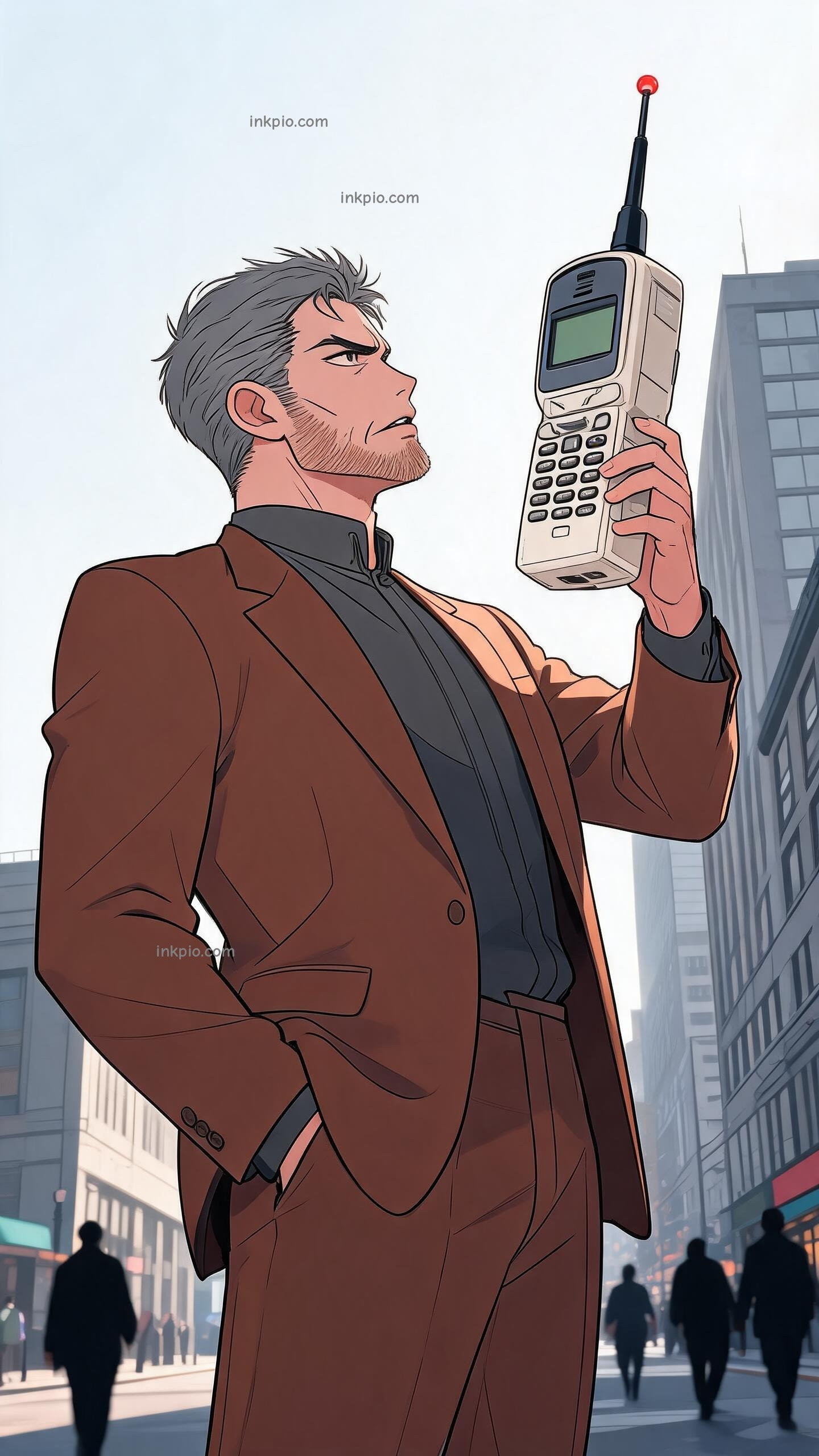
April 3, 1973, arrived with a typical Manhattan chill. Cooper stepped out onto Sixth Avenue, the heavy plastic casing pressing into his palm. The weight was reassuring, a tangible anchor in a moment that felt dangerously abstract. Pedestrians rushed past, oblivious to the revolution resting in his hand. He dialed the number. His fingers moved with practiced precision, though his heart hammered against his ribs. This wasn't just a test; it was a confrontation.
The recipient was Joel Engel, head of research at Bell Labs. Engel wasn't just a colleague; he was the embodiment of the establishment that had dismissed Motorola’s approach. For years, Bell Labs had argued that personal mobile telephony was impossible, a fantasy for the distant future. Cooper held the phone to his ear, waiting. The silence on the line stretched, thin and tense. Then, the connection clicked. The static cleared.
Cooper didn't offer technical data. He didn't explain the hexagonal architecture or the frequency reuse. He delivered a message designed to pierce the armor of his rival’s certainty. "Joel," he said, his voice steady despite the adrenaline, "I’m calling you from a real handheld portable cellular phone."
The silence on the other end was louder than any shout. It wasn't just surprise; it was the sound of a paradigm shifting. Engel had no immediate retort. The theoretical barrier had been breached by a man standing on a dirty sidewalk, holding a piece of plastic and wire. Cooper lowered the phone. He didn't smile. He didn't celebrate. He simply turned and walked away, the heavy brick still in his hand. The cord was cut. The city around him continued its chaotic rhythm, unaware that the way people would connect within it had just changed forever. He kept walking, the weight in his hand feeling lighter with every step.