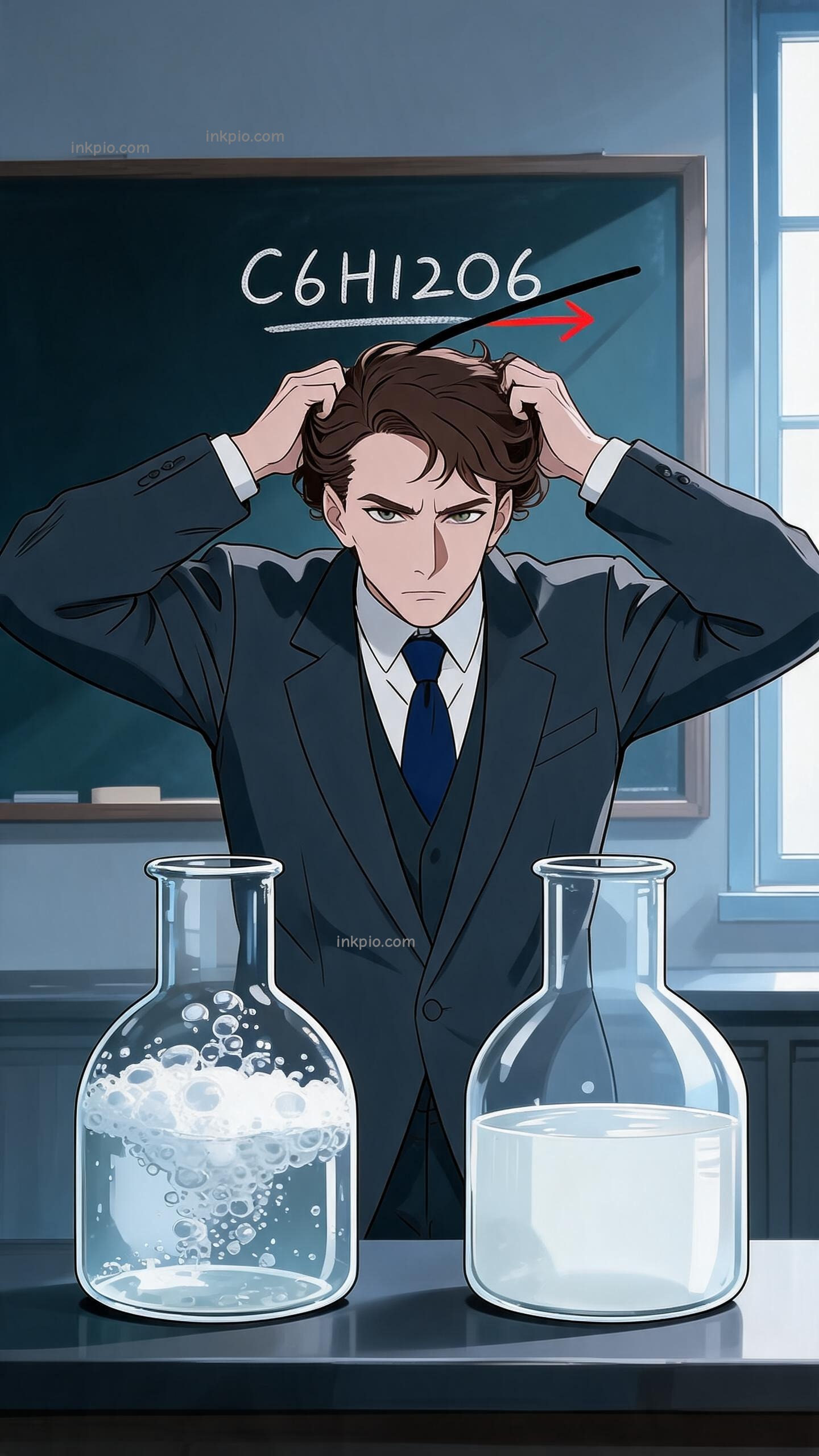
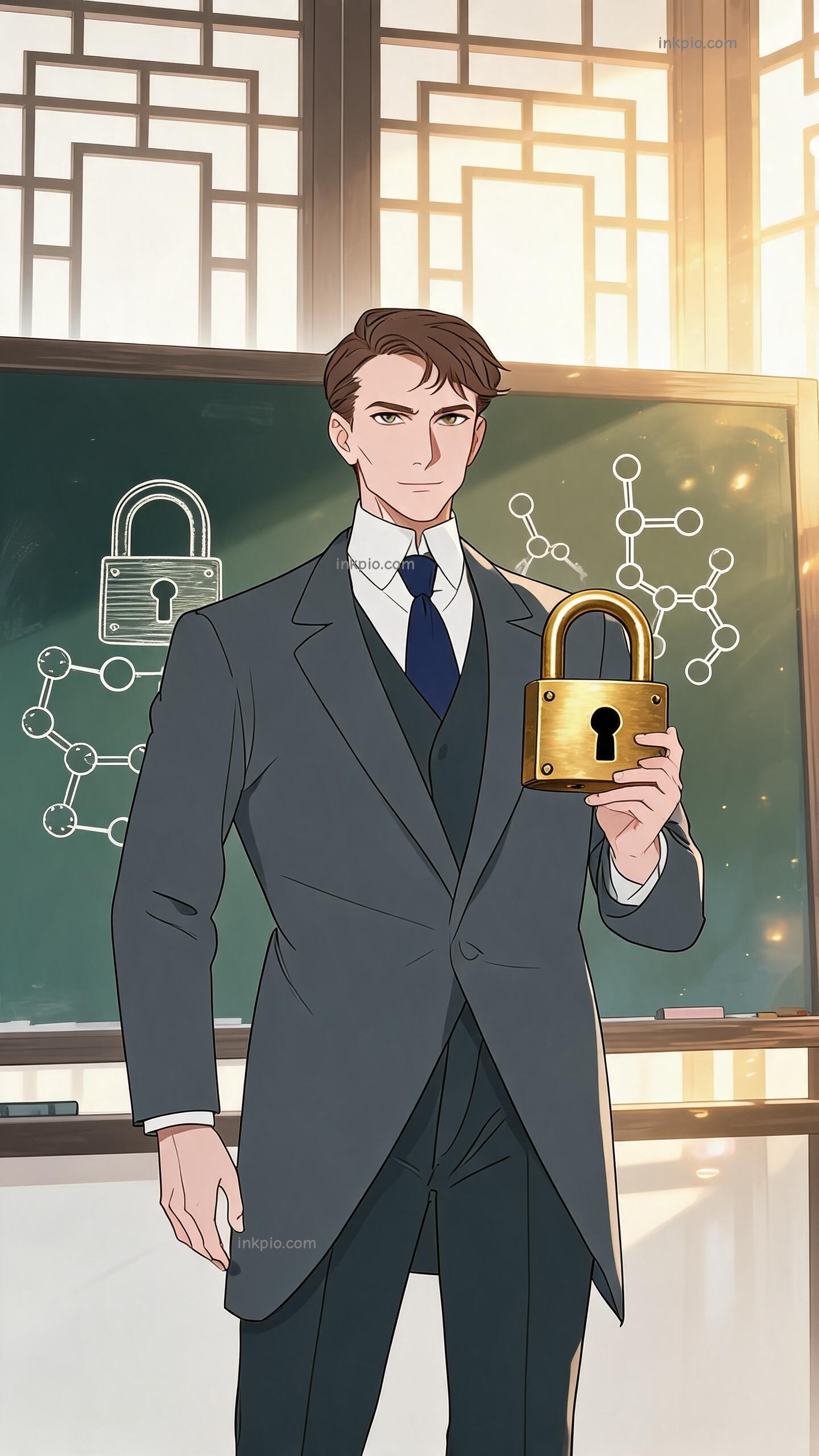

The silence in the laboratory was heavier than the brass lock resting on Emil Fischer’s desk. Two flasks sat before him, identical in every visible way, yet divided by a mystery that kept him awake for nights. In one, glucose fermented with vigorous life, bubbles rising like breath. In the other, galactose sat dead and still. They shared the same chemical formula, C6H12O6. To the naked eye, they were twins. To the yeast enzymes, one was food, and the other was invisible.
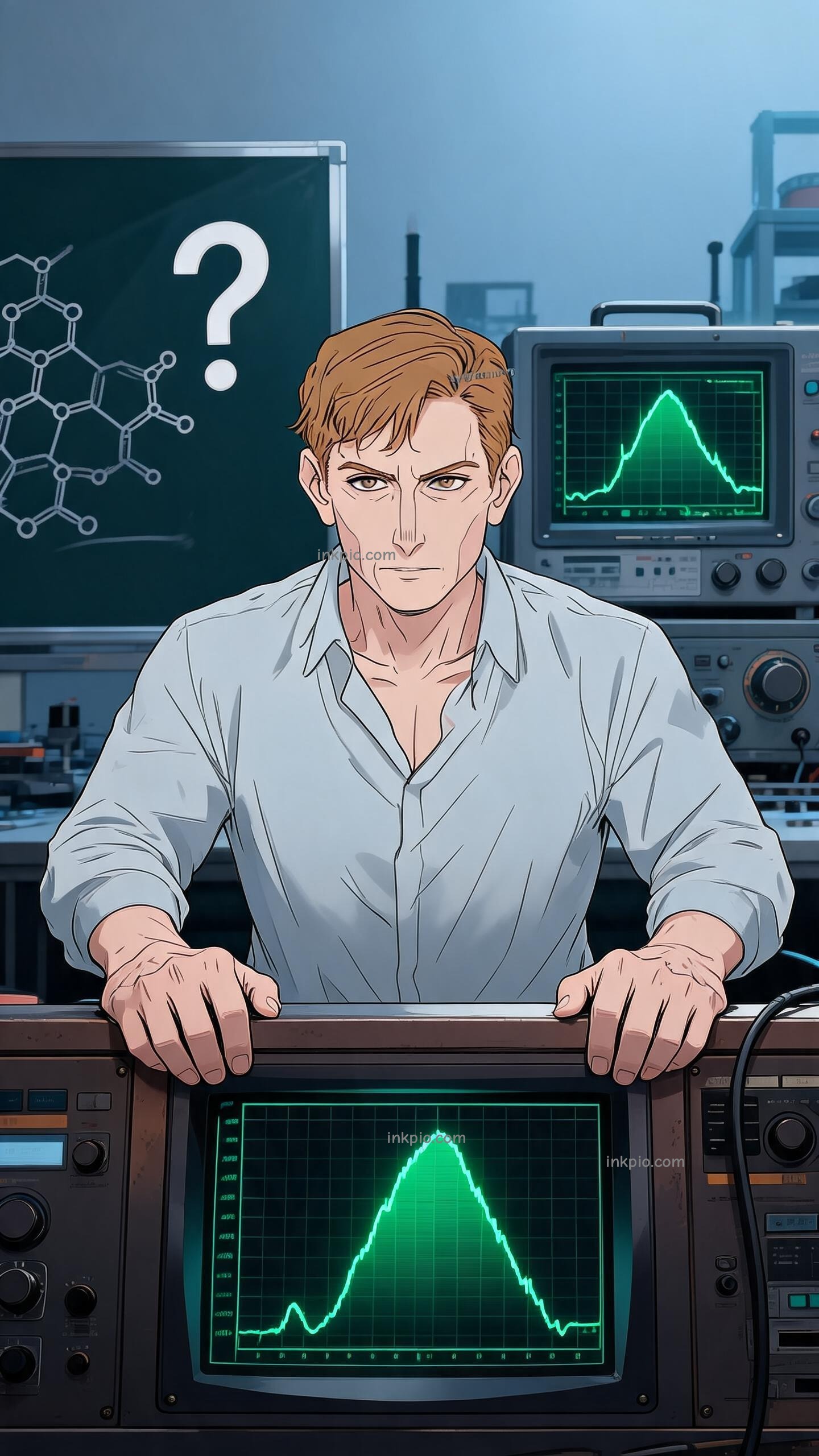
Fischer rubbed his temples, feeling the grit of exhaustion behind his eyelids. The scientific consensus offered a lazy explanation: random collision. Molecules bounced around blindly, they said, reacting only when chance brought them together. But chance is messy. Chance does not explain why an enzyme would embrace one sugar while rejecting its atomic twin with such cold precision. This wasn't randomness; it was discrimination. And Fischer hated unanswered questions. They felt like personal failures.
He stared at the chalkboard, now a chaotic scar of red lines. His attempts to map these 'random' interactions had only created a tangled web that made no sense. The logic was fraying. He needed to touch something real, something that obeyed clear rules. His hand drifted to the heavy brass door lock he used to secure his private notes. It was cold, solid, and honest.
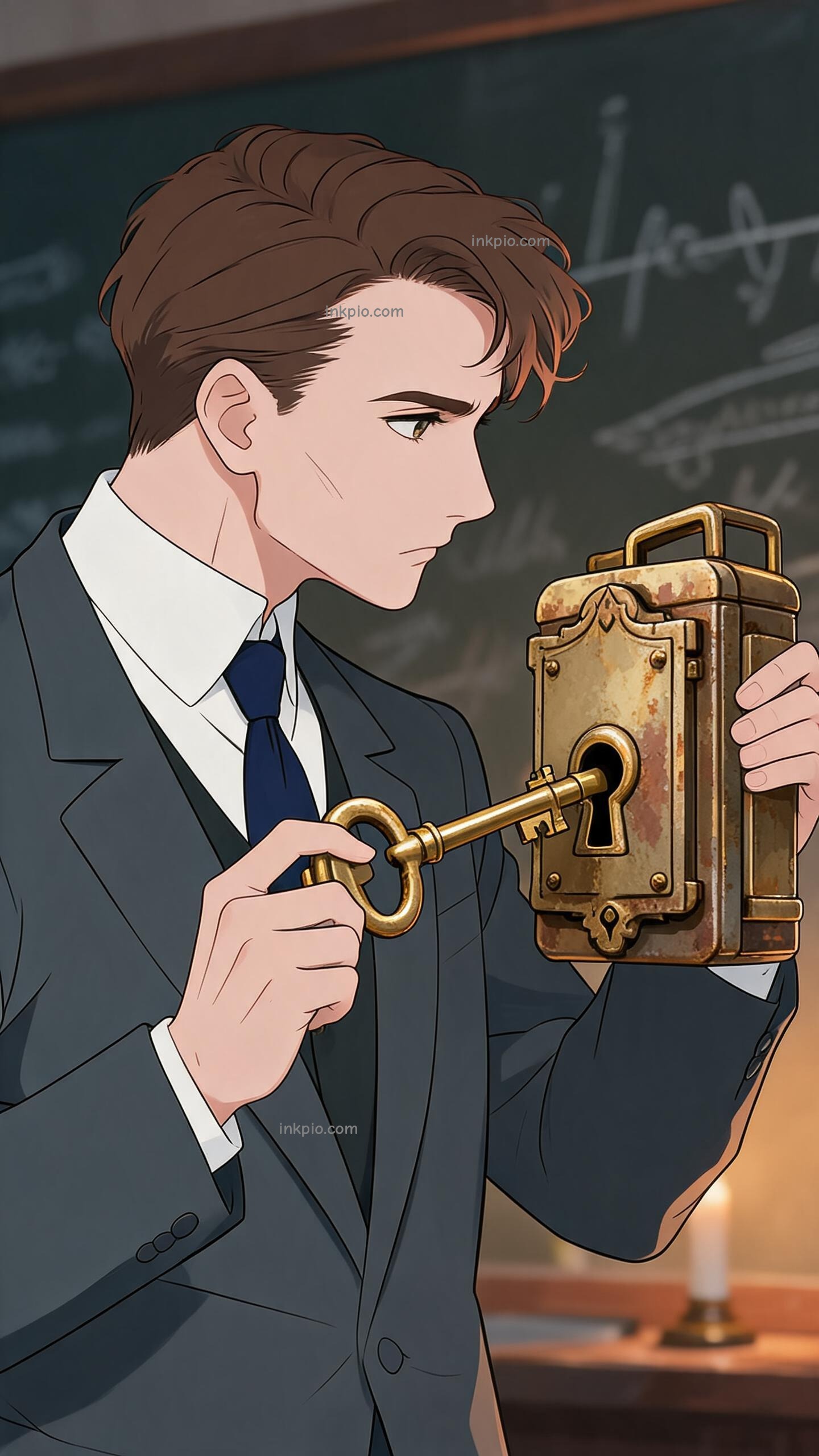
He picked up the matching key. It slid into the keyhole with a satisfying click, turning smoothly to release the mechanism. It was a perfect fit. Then, almost without thinking, he picked up a different key from his ring. He tried to force it into the same lock. It jammed. No matter how hard he pushed, the metal teeth refused to align. The lock didn't care about the key's material or weight; it cared only about the shape.
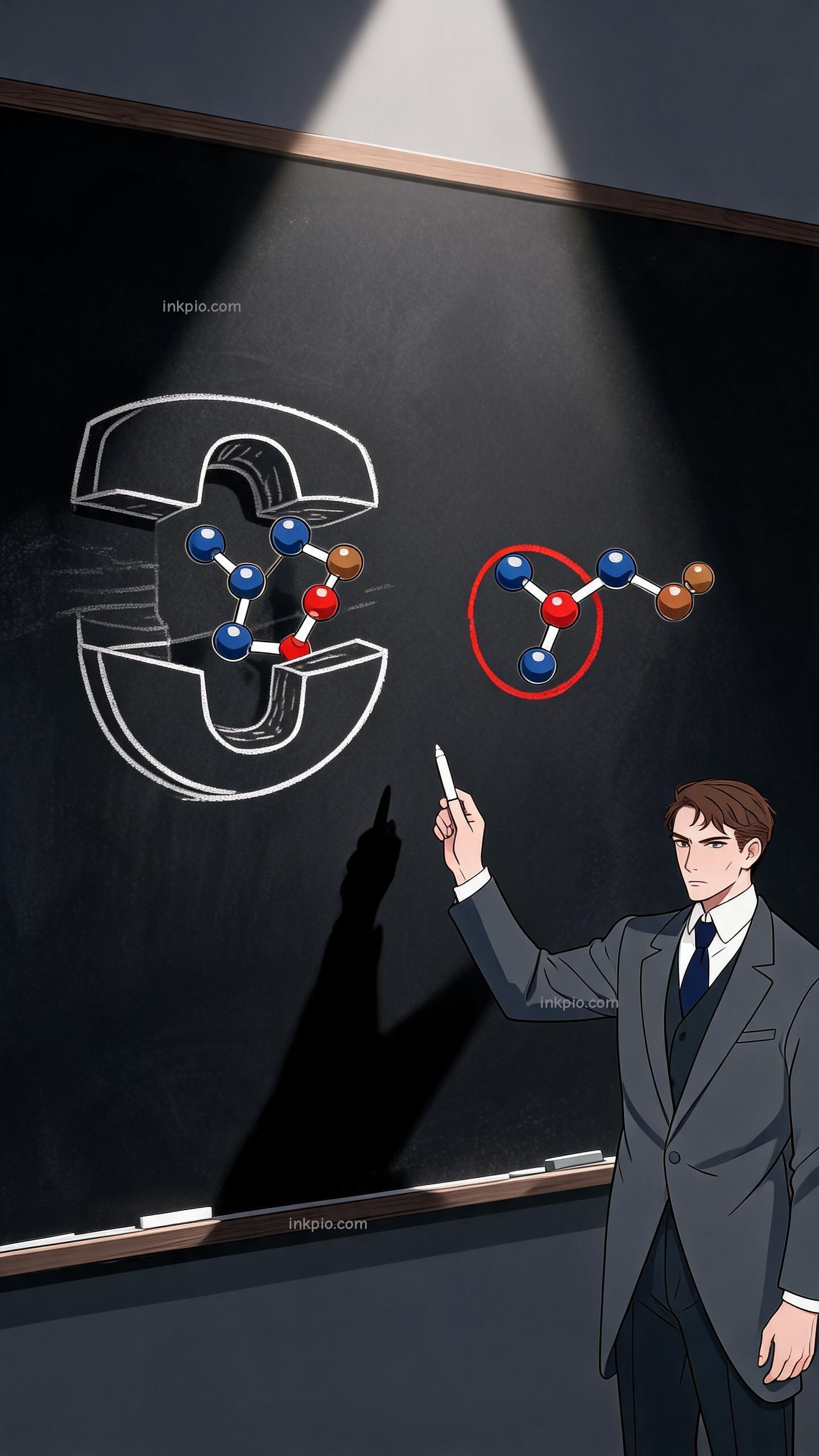
A sudden clarity cut through his fatigue. The enzymes weren't gambling. They were waiting. The reaction wasn't a crash; it was an insertion. He imagined the enzyme not as a blind bumping post, but as a rigid structure with a specific hollow—a lock. The sugar molecule was the key. For the chemistry to happen, the three-dimensional bumps and grooves had to match perfectly. Glucose fit because its atoms pointed in the right directions. Galactose failed because its spatial arrangement was slightly wrong, physically blocked from entering the active site.
Fischer dropped the keys. The metallic clatter echoed in the quiet room. He grabbed a fresh piece of chalk, his hand steady now. He wiped the board clean, erasing the chaos of the old theory. With broad, confident strokes, he drew a deep, curved groove representing the enzyme. Inside, he placed the molecular shape of glucose, nesting it perfectly. Next to it, he drew the galactose, showing its mismatched angles hitting the edge of the enzyme, unable to enter.
He stepped back, breathing slowly. The diagram was simple, but it held the weight of truth. It explained the pickiness. It explained the specificity. It wasn't magic; it was mechanics. He looked at the drawing, then at the silent flask of galactose. The frustration that had gnawed at him for weeks dissolved into a quiet satisfaction. He finally had the visual proof for his 1894 paper. Only a specific key fits a specific lock.
The morning sun began to bleed through the window, illuminating the dust motes dancing in the air. Fischer brushed the chalk dust from his coat. He didn't need to shout his discovery to the empty room. The lock on his desk remained closed, but the mystery inside his head had finally opened. He turned off the gas lamp, leaving the random collisions in the dark, and walked out into the new day.