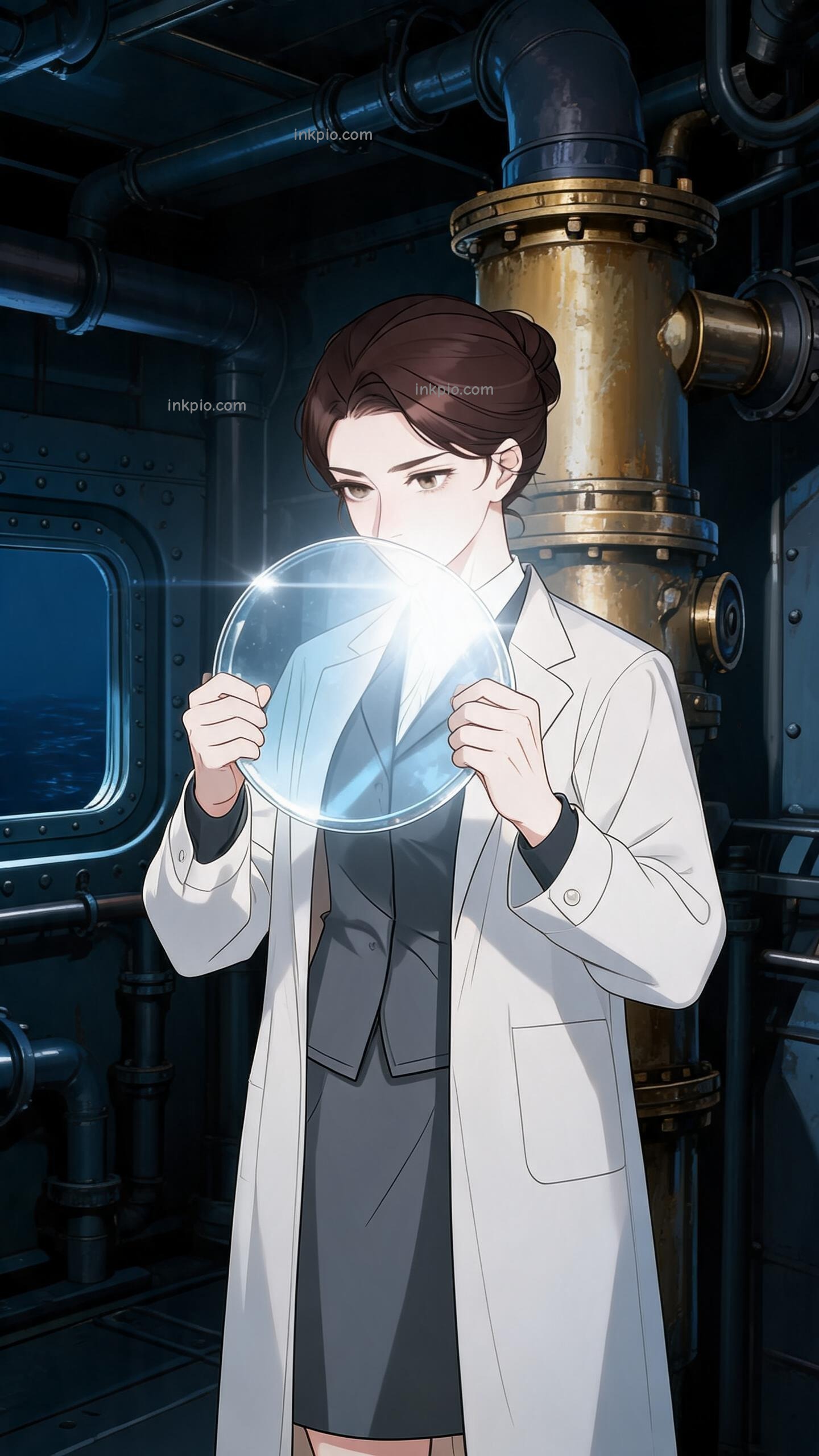

The ocean is dark, but the glass was brighter. In the 1930s, a submarine commander peering through a periscope didn't just see the enemy; he saw his own reflection staring back, superimposed over the horizon. That glare wasn't just an annoyance. It was a blindfold. For photographers, it meant missing the decisive moment as sunlight bounced off the lens like a flashbulb. Katharine Burr Blodgett watched these failures not with detached academic interest, but with a quiet, gnawing frustration. She knew the physics of light was perfect, yet human engineering kept failing it.
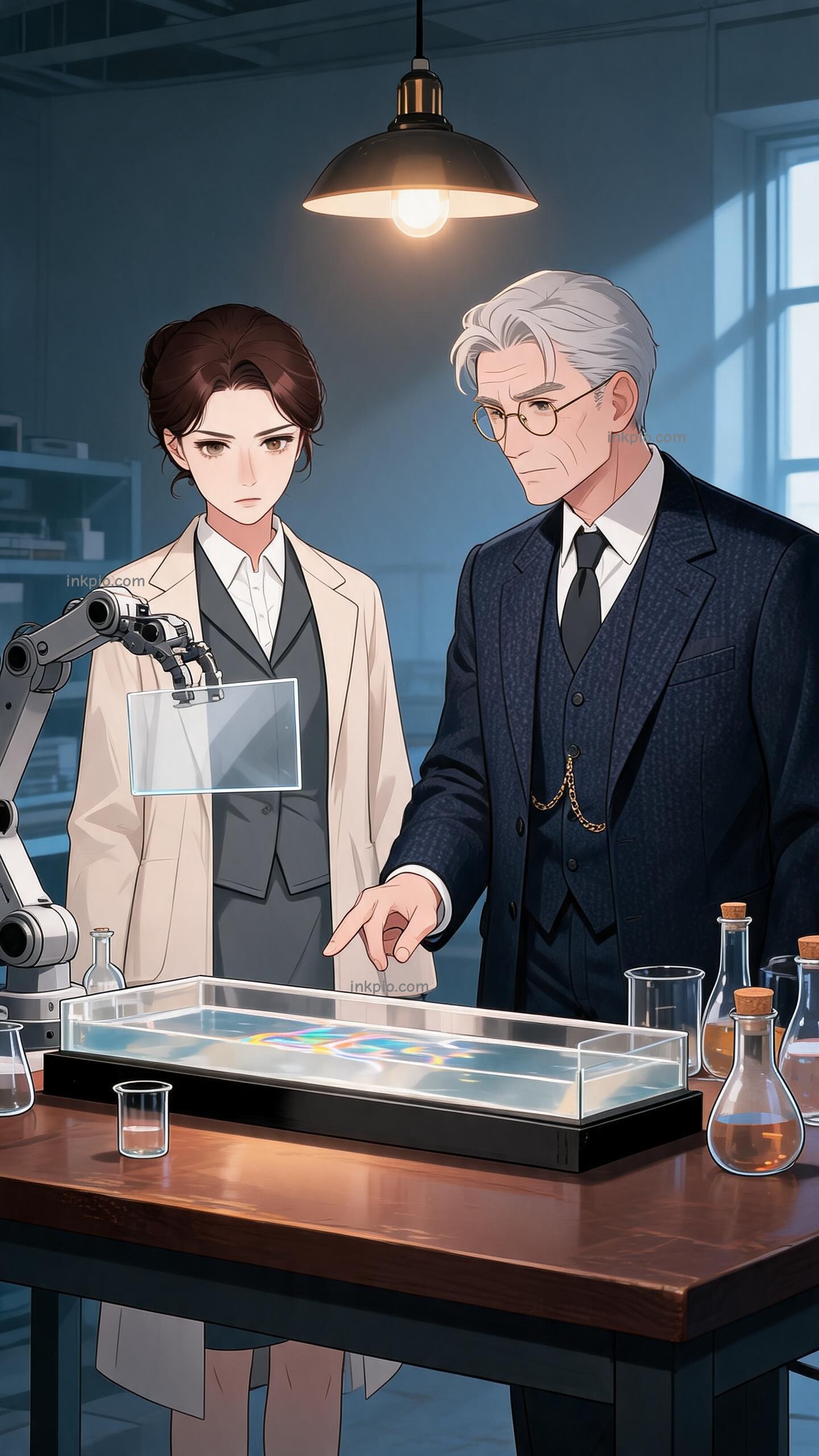
Her mentor, Irving Langmuir, had already solved half the puzzle. He discovered that fatty acids could spread across water in a layer so thin it was essentially two-dimensional—a single molecule thick. It was elegant, fragile, and utterly useless if it stayed on the water. The challenge was moving that ghost-like film onto solid glass without tearing it. Most physicists would have called it impossible. Katharine didn't call it anything. She just went to the workshop.
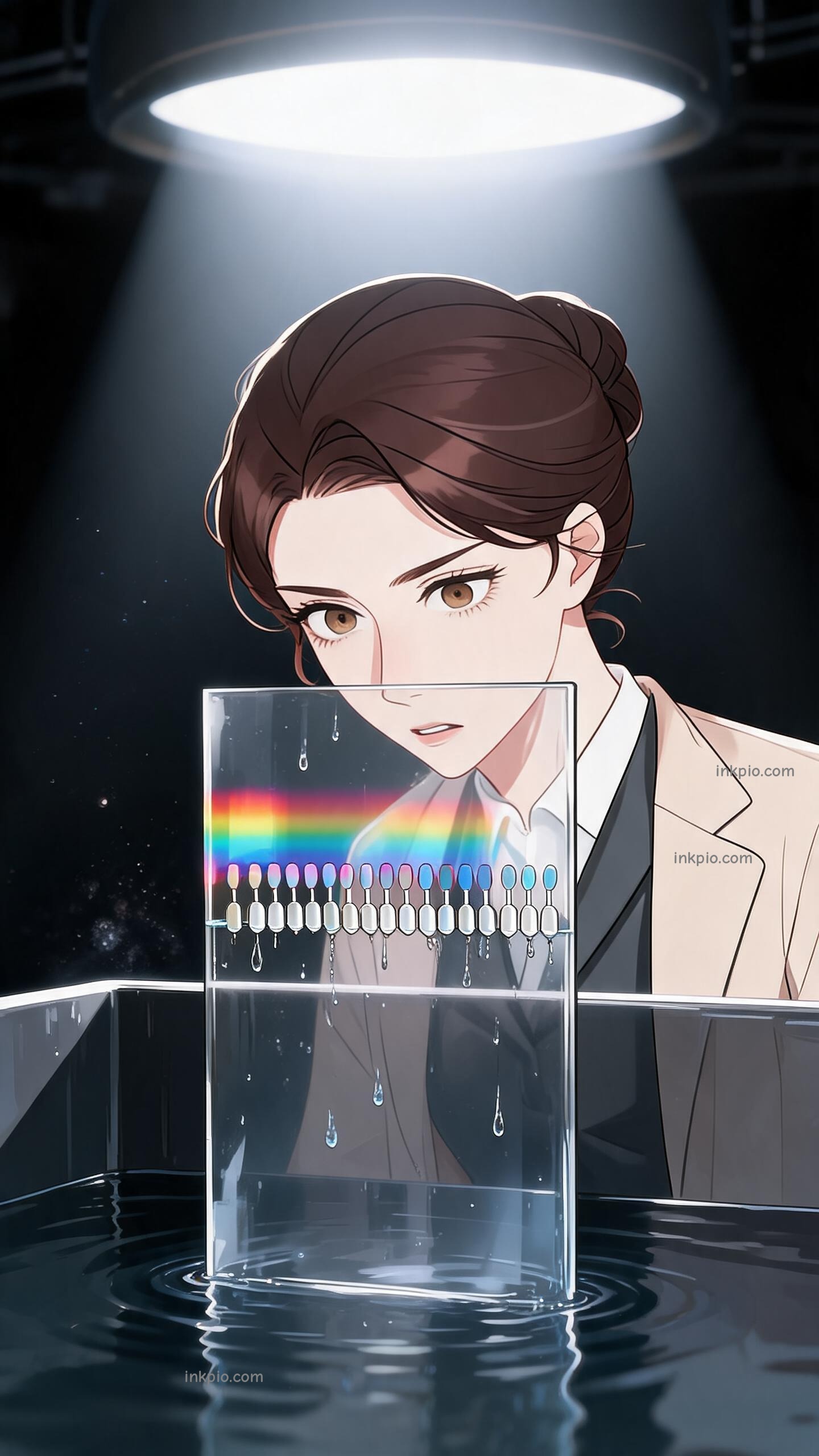
She built a trough, long and narrow, filled with distilled water. Then she designed a mechanical arm, precise and unyielding. The process was meditative, almost ritualistic. Imagine dipping a cookie into milk, but instead of soaking up liquid, the object steals a single row of molecules from the surface. Katharine lowered a glass plate into the trough. As she pulled it up, the water’s surface tension grabbed the barium stearate molecules and plastered them onto the glass. One layer. She lowered it again. Pulled it up. Another layer. Down. Up. Another.
This wasn't just repetition; it was a test of patience against precision. If her hand shook, if the speed varied by a fraction, the layers would misalign. The film would tear. The experiment would fail. But Katharine found a way to see the invisible. She didn't need an electron microscope. She used her eyes. As the layers accumulated, the glass began to shimmer. Thin-film interference turned the clear plate into a canvas of shifting rainbows. Each color shift represented a specific increase in thickness. She wasn't just coating glass; she was counting light.
Irving watched her work. He knew the theory, but seeing Katharine manipulate matter one molecule at a time was different. There was a tension in the lab, a shared silence broken only by the hum of the motor and the splash of water. They weren't just colleagues; they were partners in a delicate dance with nature’s smallest building blocks. He trusted her hands. She trusted his equations.
Day after day, the rainbow colors cycled. Red, blue, green, yellow. She tracked them like a musician tracking beats. She needed the reflections to cancel out completely. Physics dictated that for visible light to vanish, the waves bouncing off the top layer had to meet the waves bouncing off the bottom layers exactly out of phase. Destructive interference. It required a specific thickness. Not close. Exact.
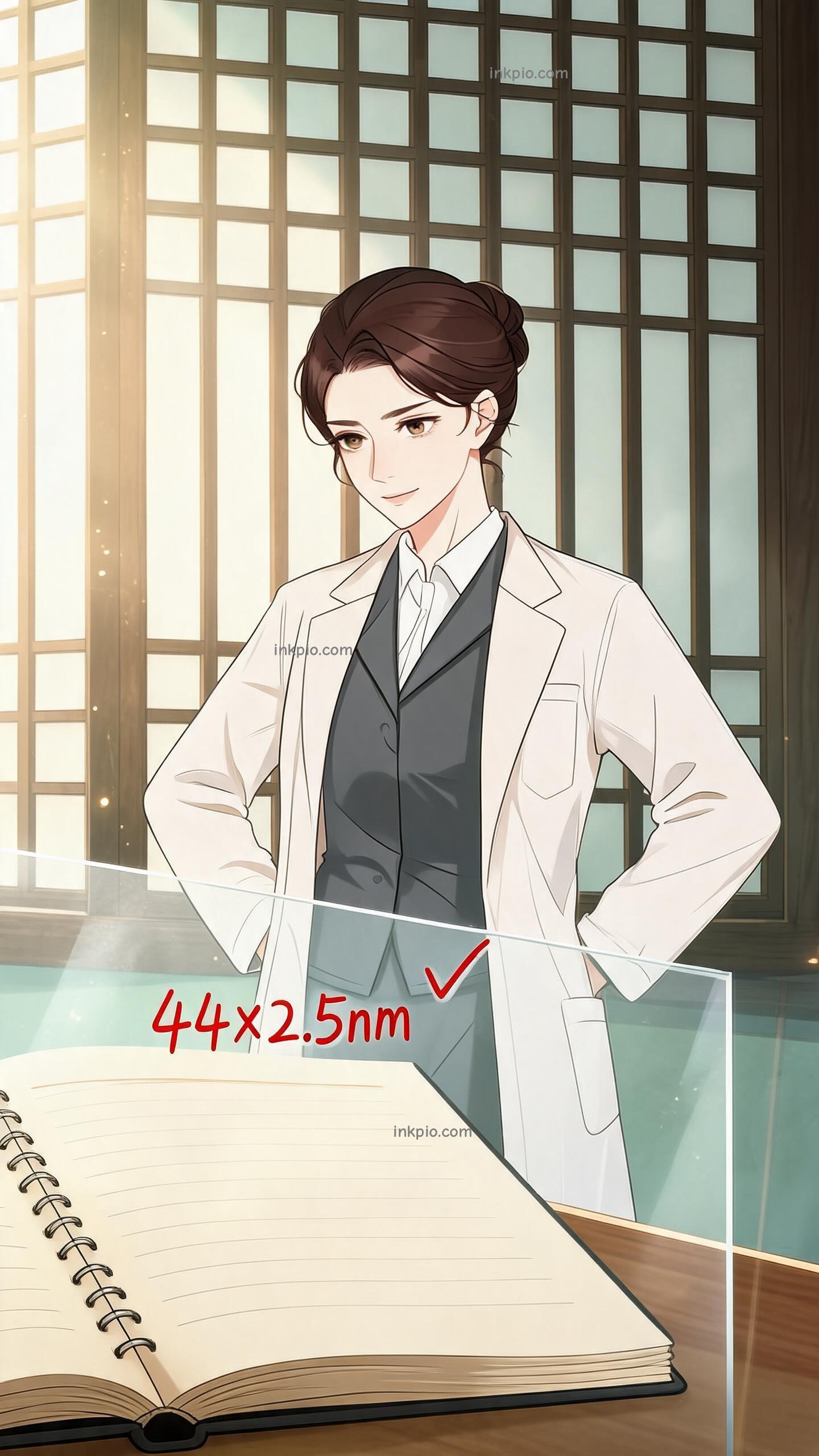
In 1938, she hit the number. Forty-four layers. Each layer was roughly 2.5 nanometers thick. At this precise height, the math became magic. The light hitting the glass didn't bounce back. It entered, got trapped in the interference pattern, and effectively disappeared. The glass swallowed the light. When she held it up, there was no glare. No reflection. Just pure, unadulterated transparency. It looked like nothing was there at all.
Katharine held the plate up to the laboratory window. Outside, the world was sharp and clear. Inside the glass, there was no barrier. She thought of the sailor in the dark ocean, squinting against the sun. She thought of the photographer waiting for the light to be right. For the first time, the tool wouldn't fight the user. The glass had finally learned to get out of the way. She placed the plate down gently. The rainbow was gone. The invisibility remained.