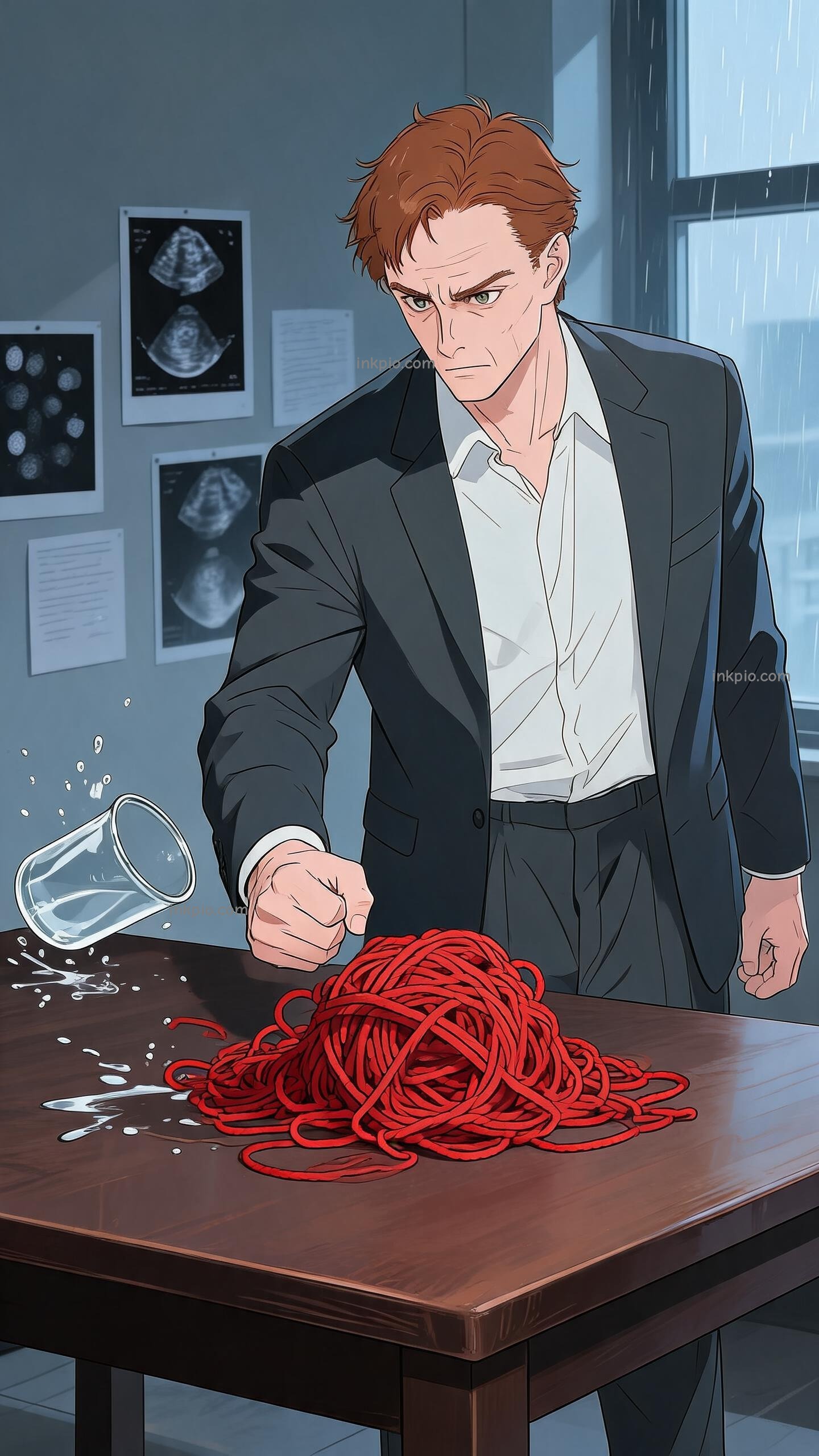


László Bíró stared at the black smear spreading across his newspaper draft. It wasn’t just a stain; it was the third ruined manuscript that week. The fountain pen in his hand felt less like a tool and more like a traitor, leaking its thin, watery ink whenever gravity found an angle. He wiped his fingers on a rag, but the blue-black residue remained under his nails. For a journalist whose livelihood depended on speed and clarity, this constant battle with messy equipment was a slow erosion of his dignity. He needed a pen that respected his time, not one that demanded he spend half his day cleaning up after it.
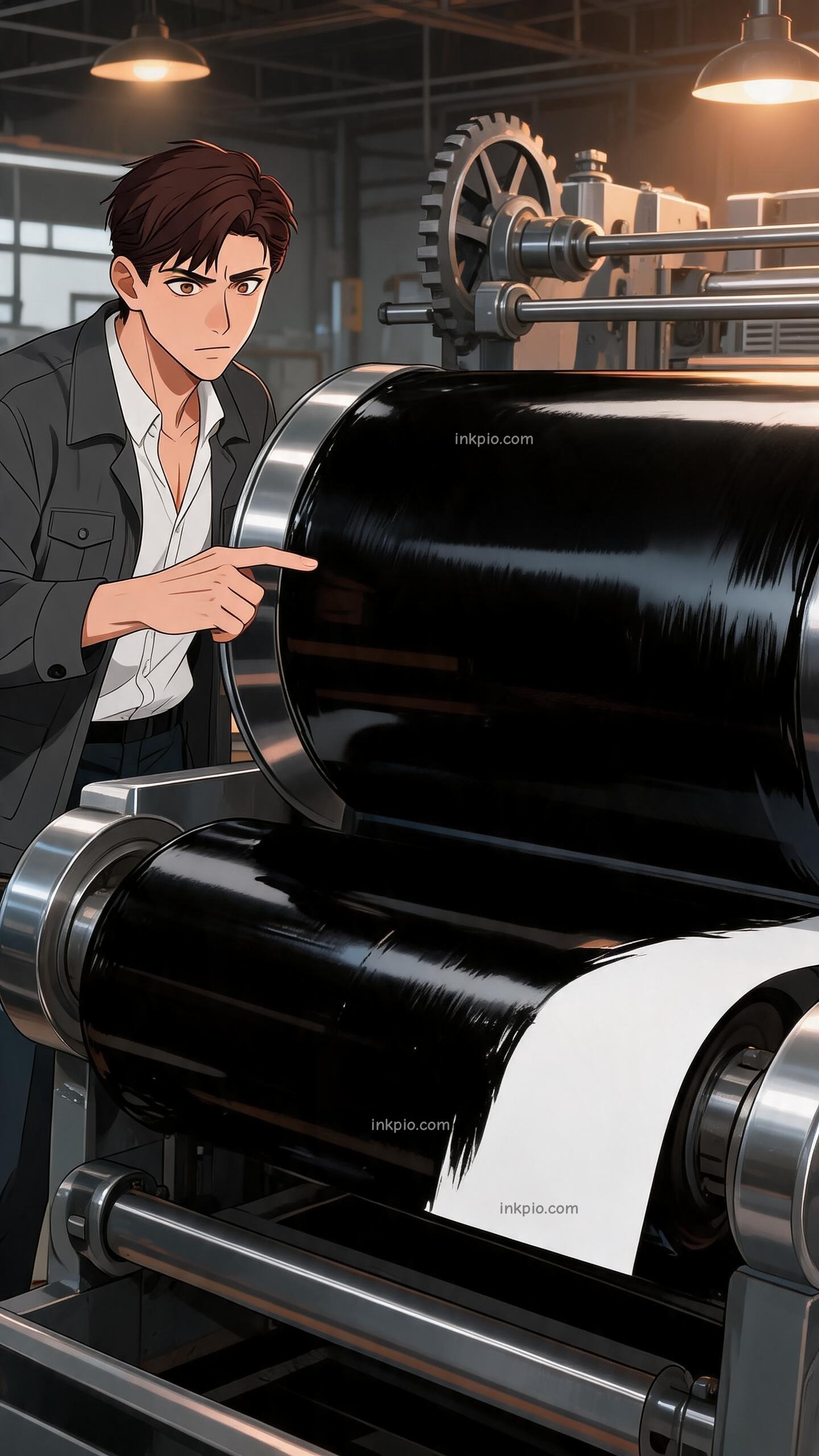
The breakthrough arrived not in a quiet study, but in the deafening roar of a Budapest printing press. Bíró stood beside a massive rotary machine, watching tons of paper fly by. A press operator, face smudged with soot, pointed to the giant metal cylinder rolling against the newsprint. "Look at that ink," the man shouted over the mechanical clatter. "Thick as paste. Dries before it hits the floor. Not a single drop wasted." Bíró watched the viscous liquid transfer perfectly from roller to paper. It didn’t flow; it adhered. In that chaotic industrial noise, a silent realization clicked into place. The problem wasn’t the ink itself, but how it was delivered.
Standard fountain pens relied on gravity to pull thin ink down a narrow channel. But thick, quick-drying printing ink was too stubborn for such a passive system. It wouldn’t budge. Bíró realized he couldn’t force the old mechanism to accept new material. He had to reinvent the delivery system entirely. He looked at the giant roller and imagined shrinking it down to the size of a pea. If a massive cylinder could carry thick ink without dripping, perhaps a tiny sphere could do the same on a microscopic scale.
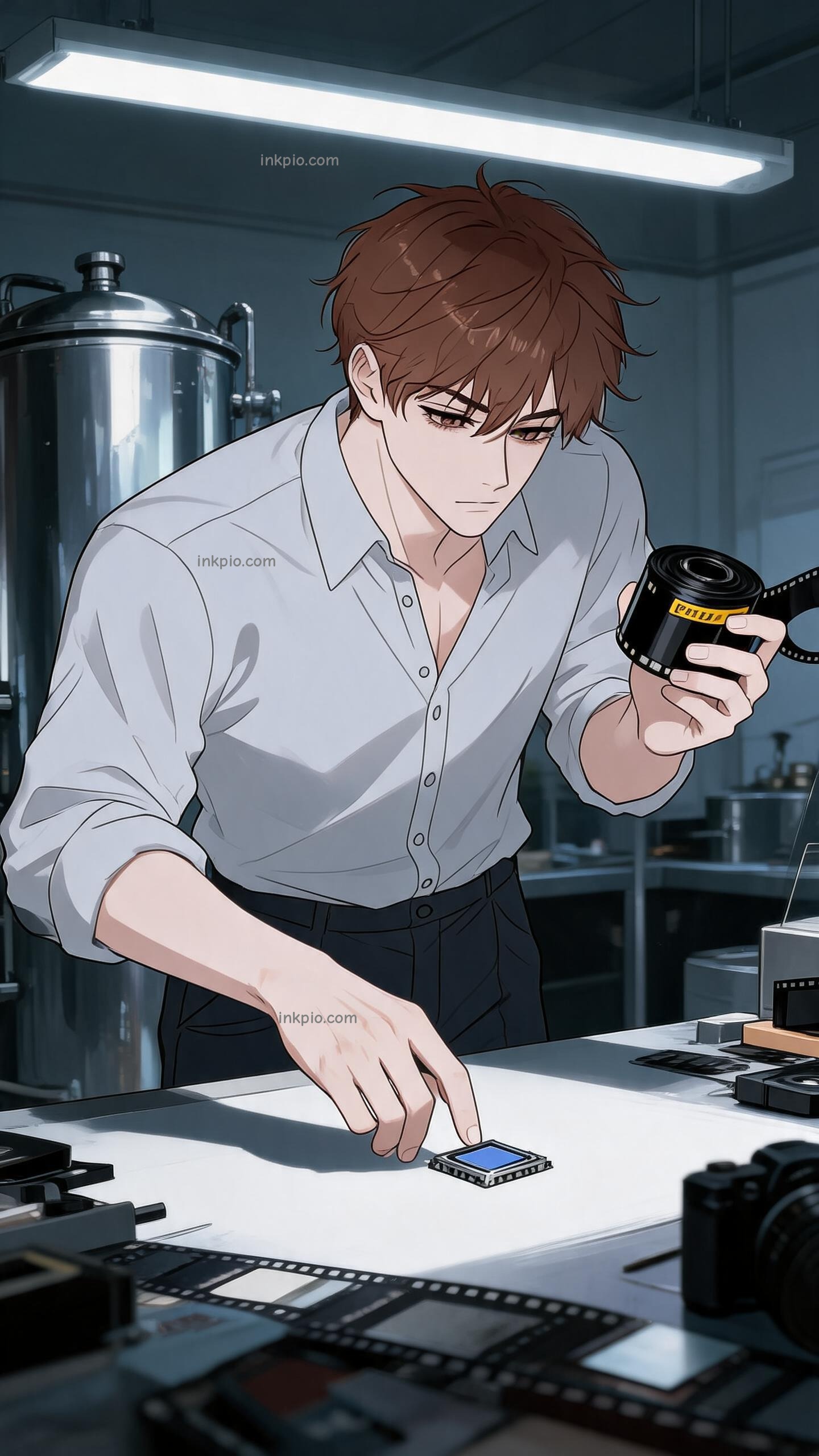
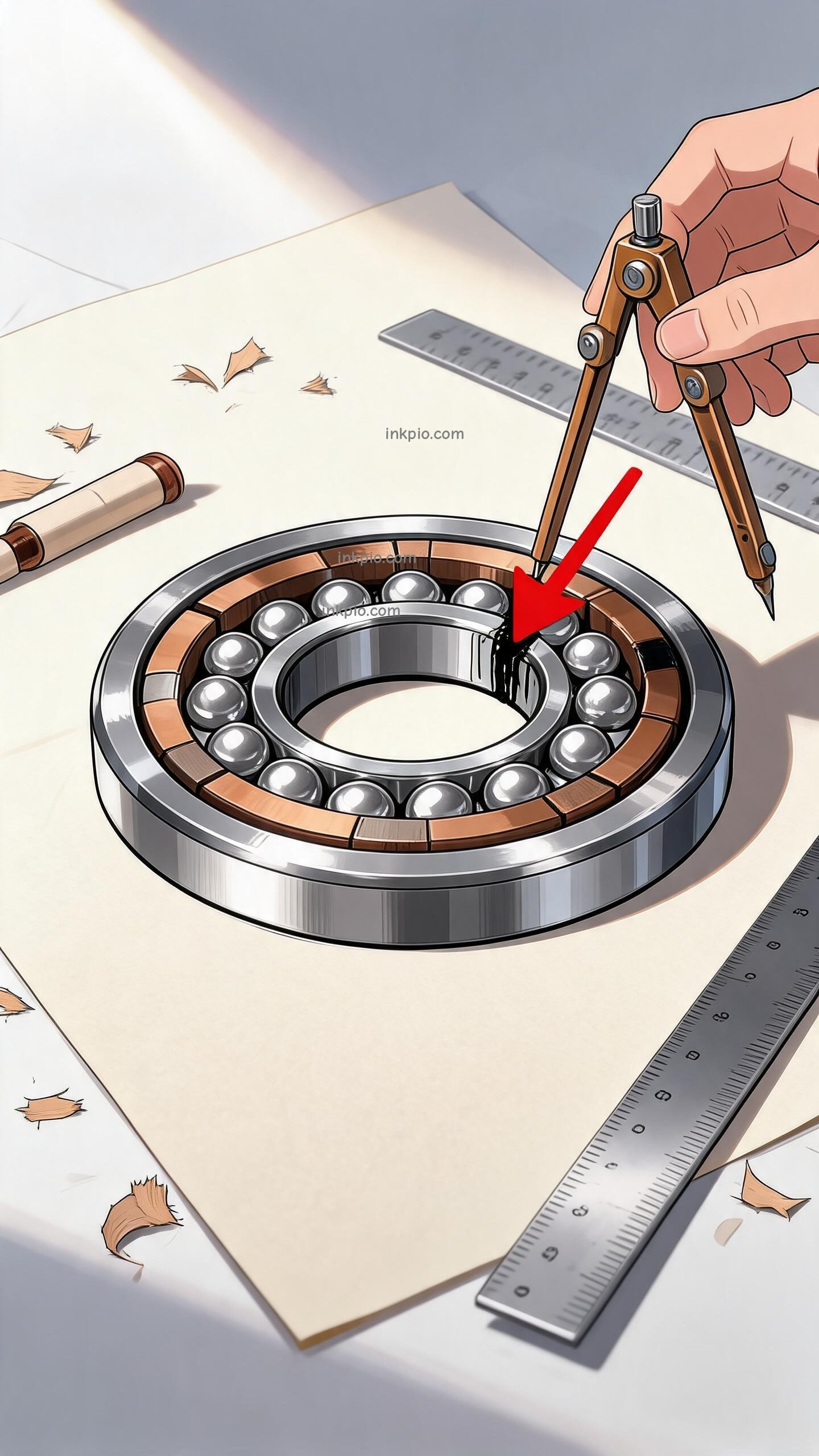
He began experimenting with a small metal ball bearing seated in a tight socket. The concept was deceptively simple yet mechanically unforgiving. As the ball rolled across paper, it would pick up the thick, gooey ink from the reservoir behind it. Capillary action held the liquid in the microscopic gap between the ball and its housing. When stationary, the viscosity of the ink and the snug fit of the ball acted as a seal, preventing leaks. When moving, the friction of the paper rotated the ball, dragging a precise film of ink onto the page. It was a valve that opened and closed with every movement of the writer’s hand.
However, the margin for error was nonexistent. If the socket was too loose, the thick ink oozed out, recreating the very mess he sought to escape. If it was too tight, the ball jammed, leaving the page blank. Bíró spent countless nights filing metal and mixing ink formulations, his hands stained not just with failure, but with the physical toll of iteration. Each broken prototype was a reminder of how close he was to giving up. The engineering challenge was no longer just about physics; it became a test of his patience and resolve.
In 1938, he finally filed the patent for this "biro" pen. But stability remained elusive until he moved to Argentina, escaping the turmoil of war-torn Europe. There, in 1943, the manufacturing process was refined enough for commercial release. The first batches weren’t perfect, but they worked. They didn’t leak in pockets. They didn’t smudge when a hurried hand brushed across fresh text.
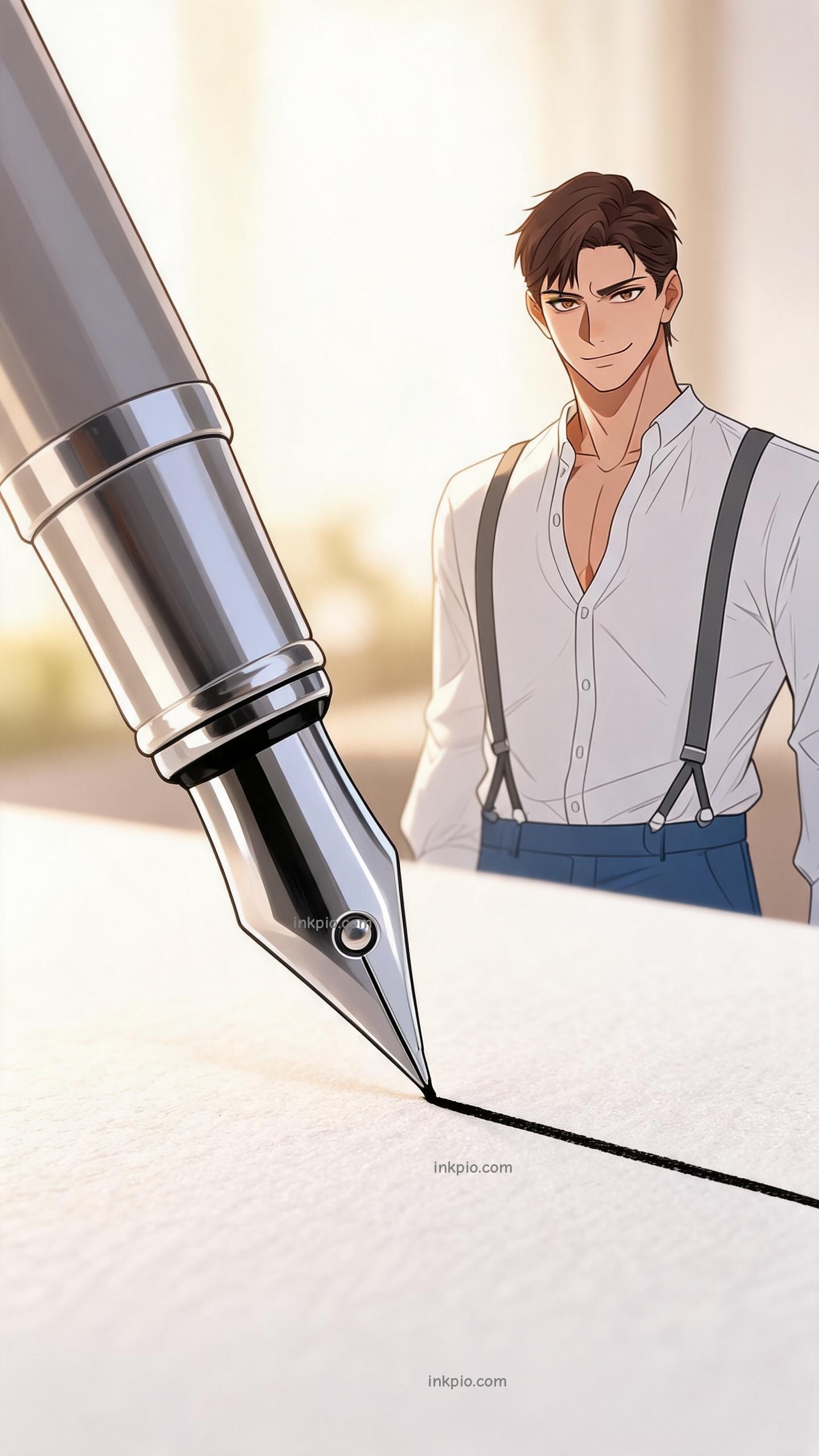
Years later, Bíró sat at his desk, a clean sheet of paper before him. He uncapped the pen and drew a line. It was sharp, dark, and instantly dry. He ran his thumb over the wet-looking ink. His skin remained pristine. No smear. No stain. For the first time in decades, the tool disappeared, leaving only the thought and the word. He capped the pen and placed it gently on the desk, listening to the quiet click of the cap sealing the ink away, ready for the next idea.