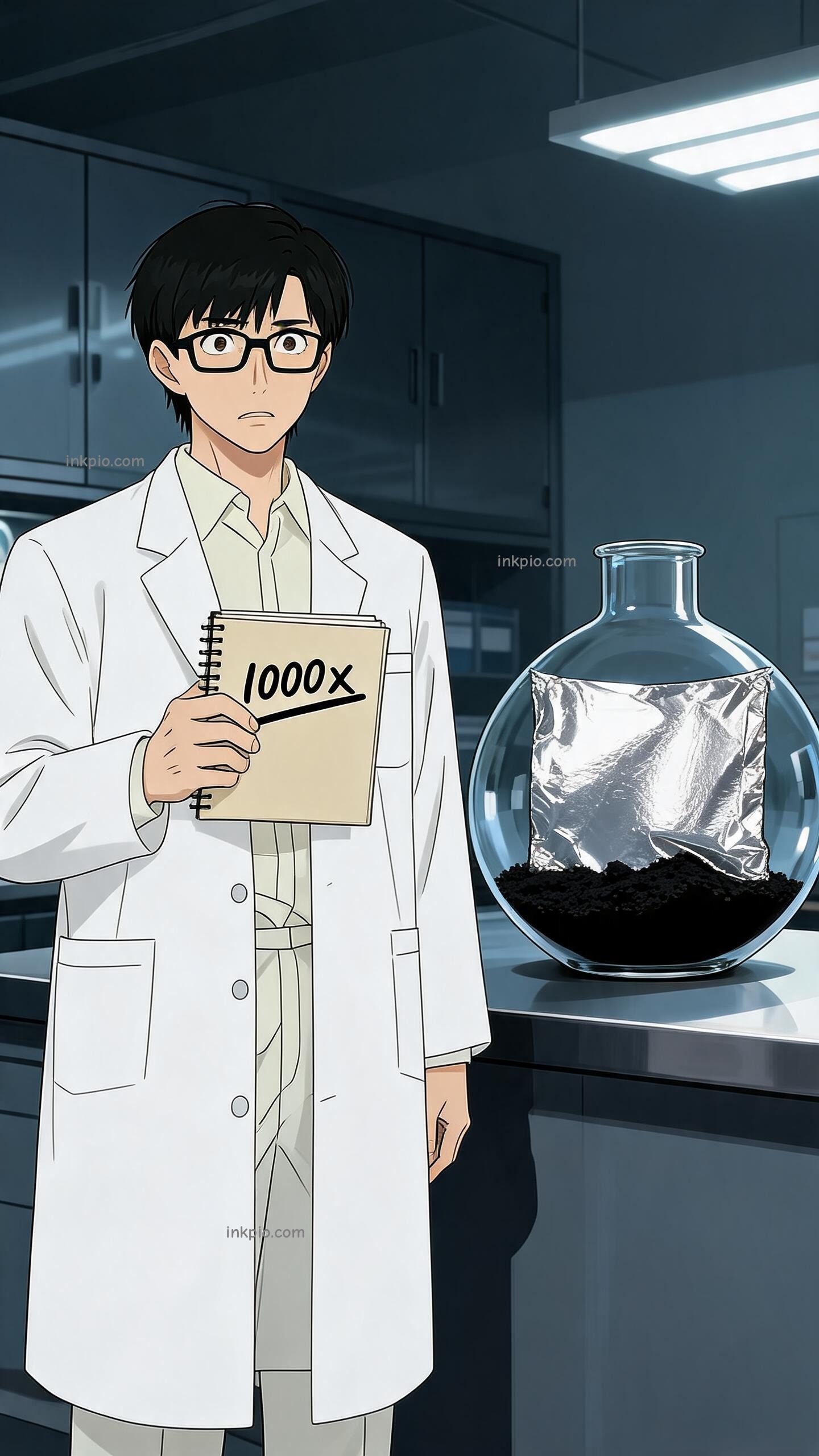
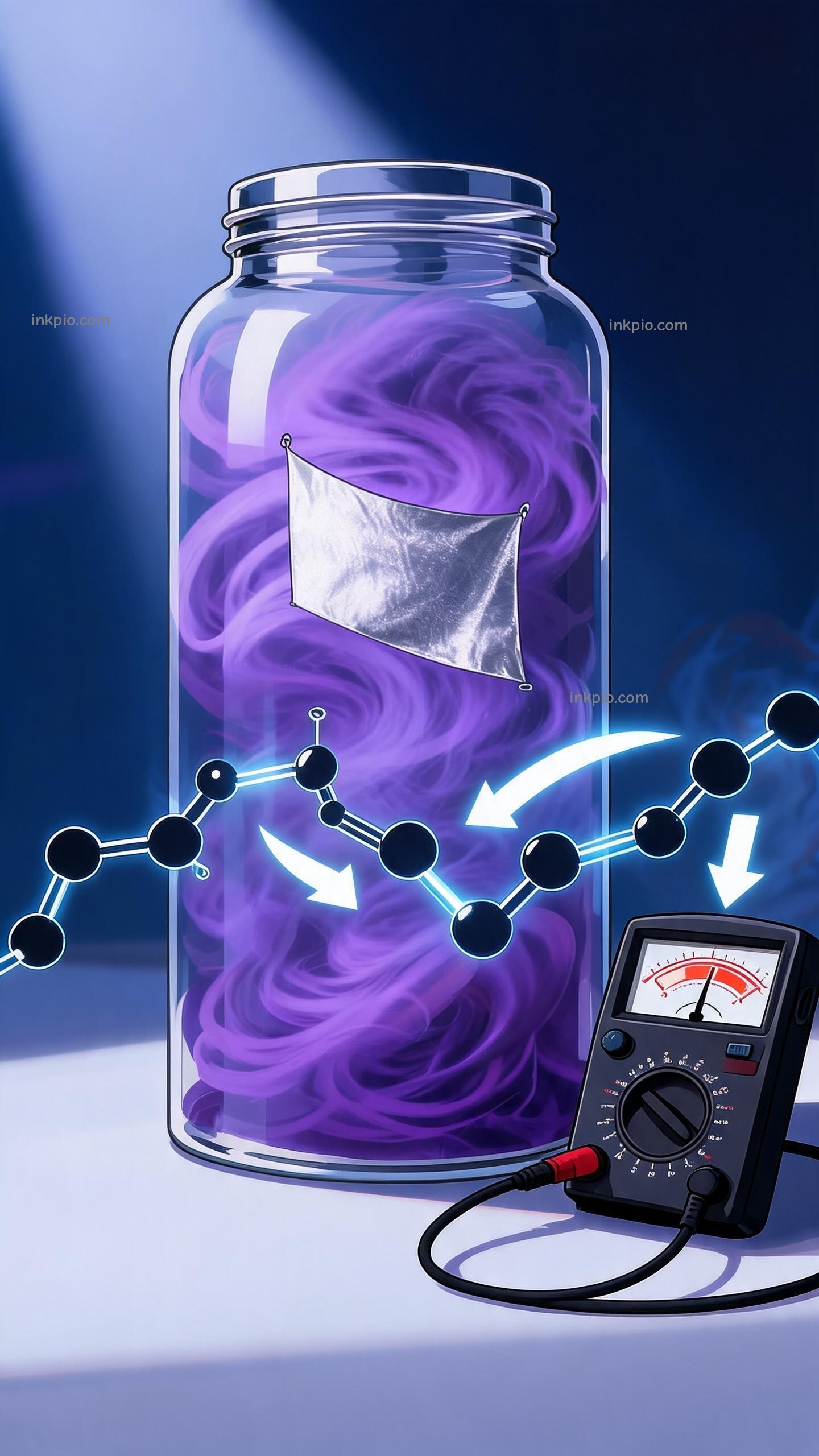
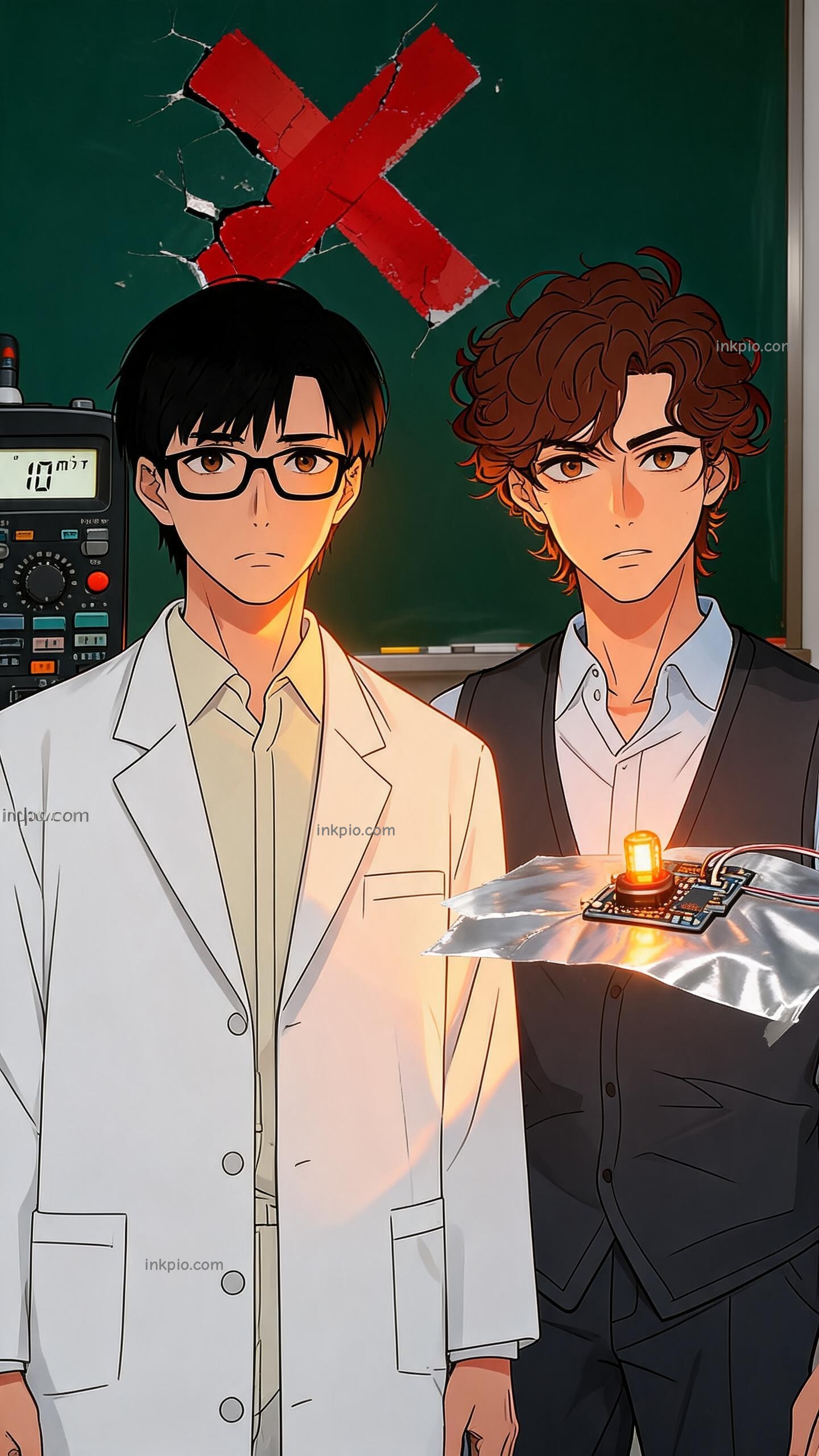

The silence in Hideki Shirakawa’s Tokyo laboratory was heavy, broken only by the hum of the fume hood. He stared into the glass flask, expecting the familiar, dull black powder of polyacetylene. Instead, a shimmering, metallic silver film clung to the walls, catching the light like a mirror. It looked wrong. It felt dangerous.
His hands trembled slightly as he reached for his lab notes. The numbers didn't lie. In a moment of distraction, he had added a thousand times the normal amount of catalyst. Any other chemist would have seen this as a ruined batch, a waste of time and resources to be poured down the drain. Plastics were insulators. They were meant to keep electricity out, not invite it in. A shiny, metallic plastic was a contradiction in terms, a violation of the natural order.
But Shirakawa didn't reach for the trash bin. He felt a strange pull, a mix of anxiety and fascination. This anomaly wasn't just a mistake; it was a question. He carefully sealed the flask, treating the silvery film not as waste, but as evidence. He packed it up and sent it across the ocean to Alan MacDiarmid in the United States. The distance between them was vast, but the shared confusion bridged the gap. They were both staring at something that shouldn't exist.
MacDiarmid received the package with skepticism. When he saw the film, his initial reaction was disbelief. How could a polymer look like metal? The two men decided to test the impossible. They exposed the silvery film to iodine vapor, a simple chemical step that would change everything. Think of the polymer’s carbon chain as a busy highway. The electrons are cars stuck in a massive traffic jam, blocked by alternating single and double bonds. They can’t move. The road is gridlocked.
Then the iodine steps in. Imagine a fleet of tow trucks arriving on the scene. The iodine molecules pull some electrons away, leaving empty parking spots behind. These vacancies allow the remaining electrons to jump forward freely. The traffic jam clears. Suddenly, there is a wide-open lane for charge carriers to speed through. The mechanism is elegant, but the result is terrifyingly powerful.
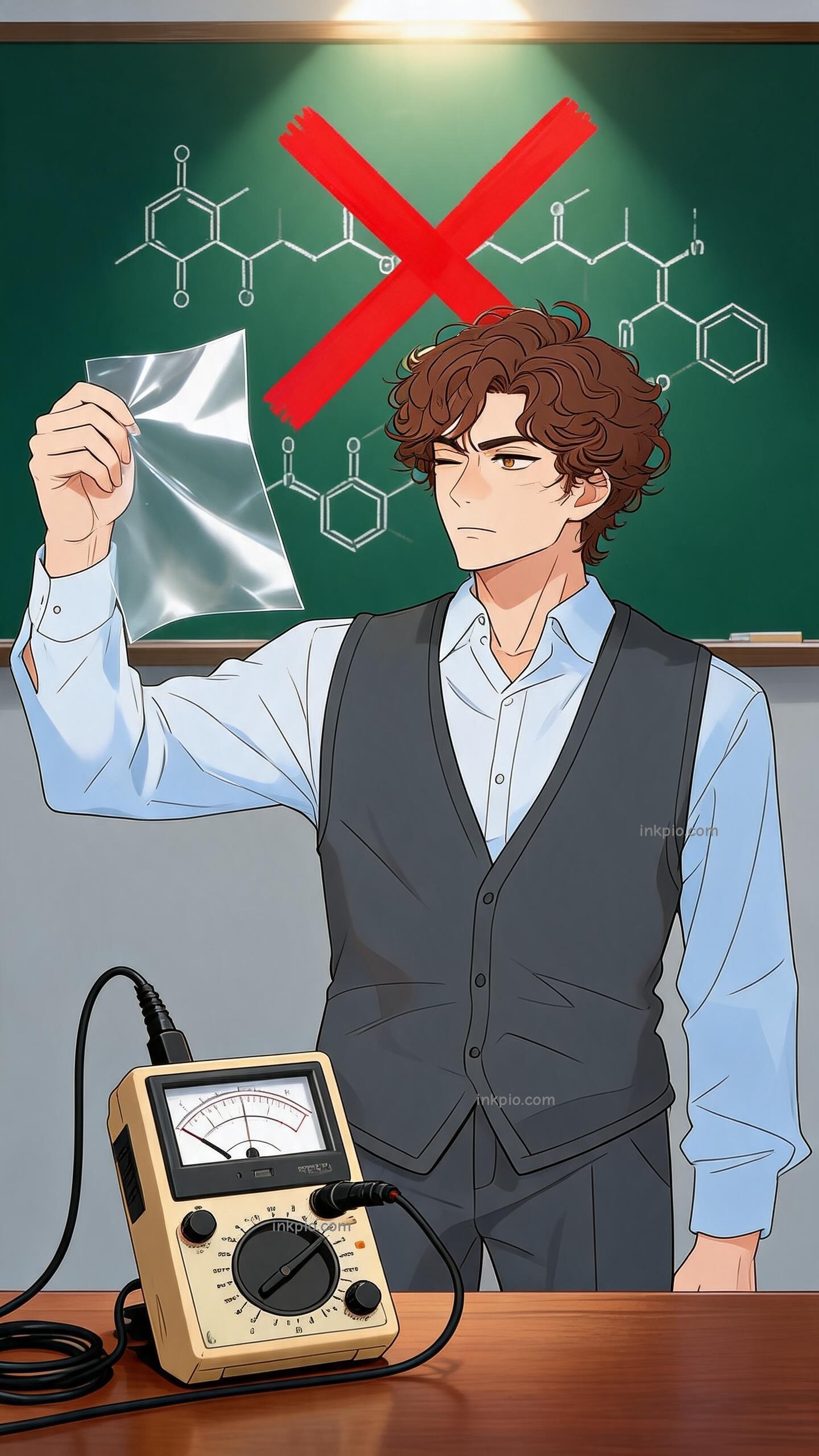
The multimeter needle didn't just move; it pegged to the max. The conductivity skyrocketed by ten million times, jumping from ~10^-5 to ~10^3 S/cm. The room went quiet again, but this time it was the silence of awe. They had taken an insulator and forced it to conduct electricity like copper. The boundary between plastic and metal had dissolved. In 1977, Shirakawa, MacDiarmid, and Alan Heeger published their findings, shaking the foundations of materials science.
Years later, when the Nobel Prize arrived in 2000, Shirakawa reflected on that day in the lab. He didn't speak of genius or rigorous planning. He smiled and called it a "beautiful mistake." It wasn't about following the map; it was about getting lost and finding something better. The silver film remained in his memory, not as a failure, but as a reminder that nature often speaks in whispers, waiting for someone to listen to the wrong answer.