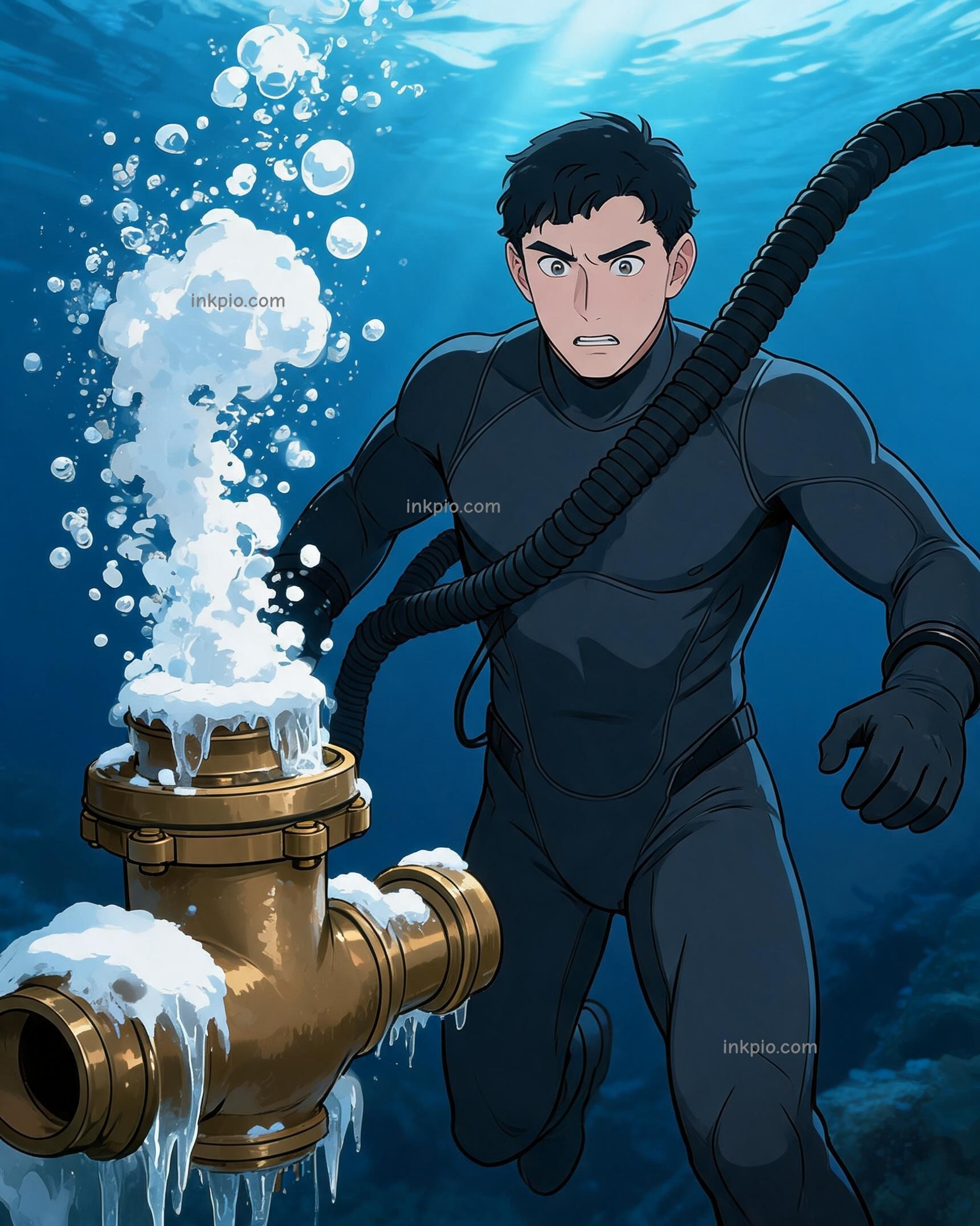
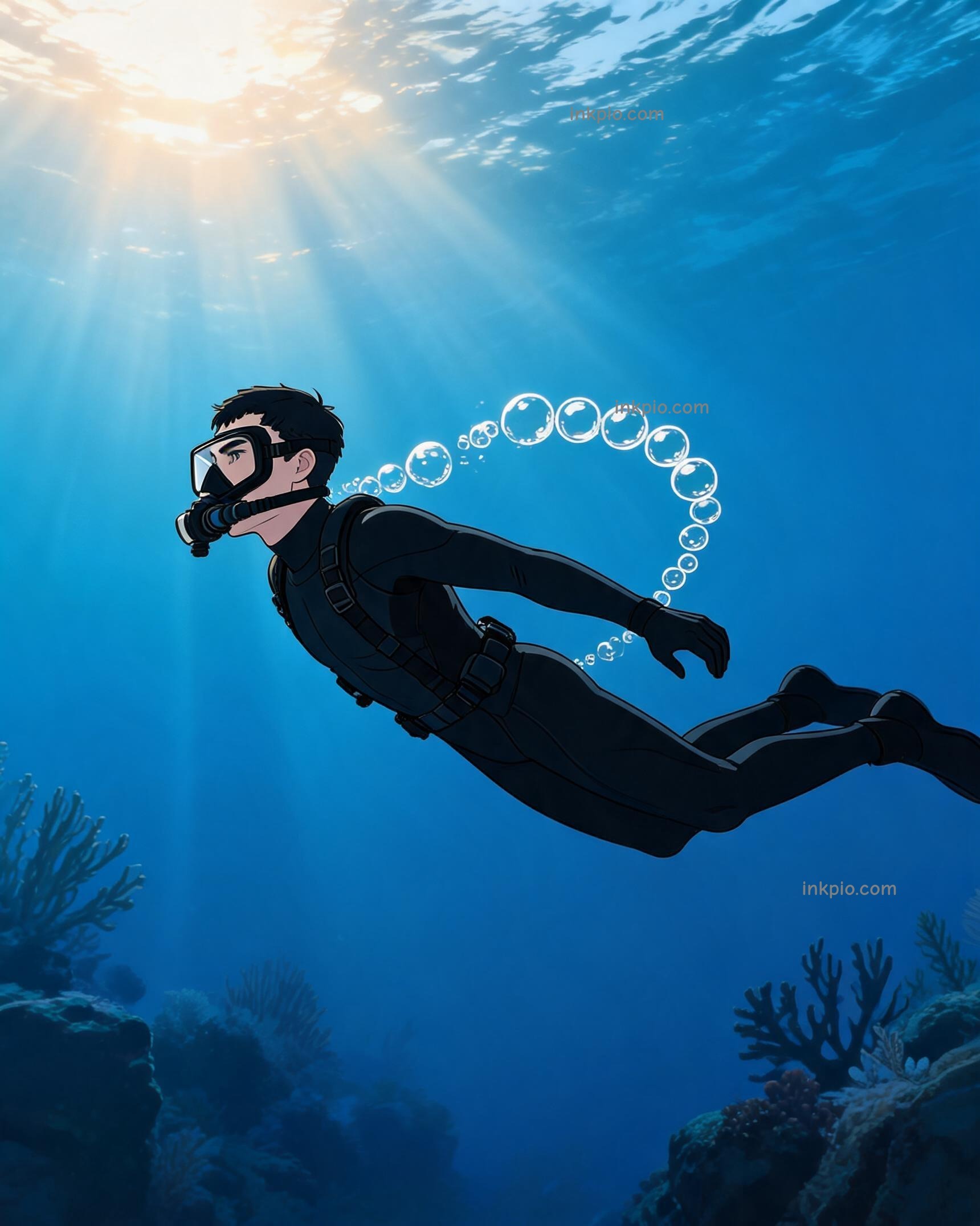

The rubber hose snapped taut, jerking Jacques Cousteau backward like a dog on a leash. He hung suspended in the cold blue, fighting not the ocean, but his own equipment. Before 1943, diving was an act of submission. You wore a heavy brass helmet that crushed your neck, tethered to a surface boat by umbilical cords of air and fear. Or you used continuous-flow valves that hissed wastefully, blasting air until the moisture froze into ice crystals inside the mechanism. Cousteau didn’t want to conquer the reef; he wanted to belong to it. But the gear treated him like an intruder.
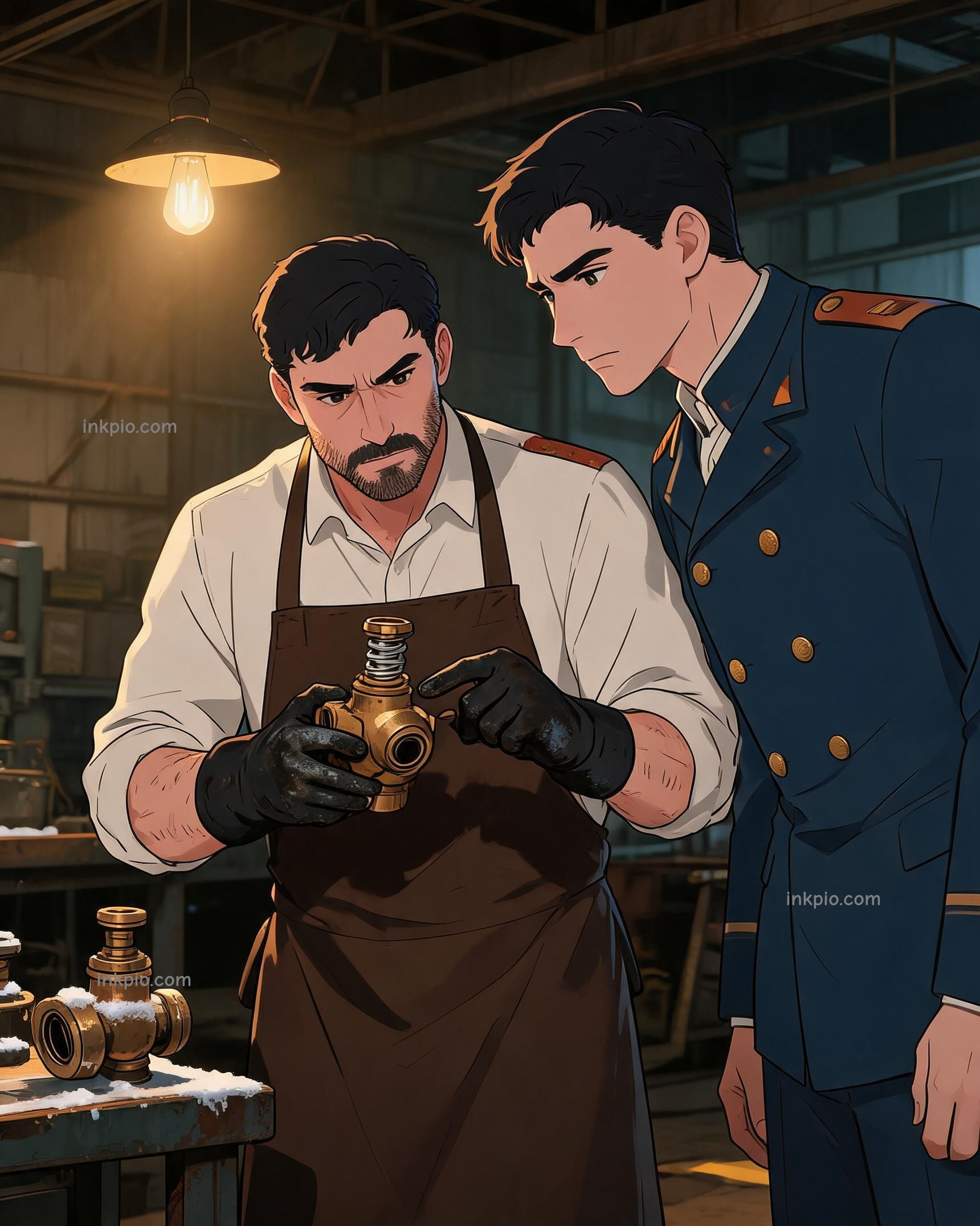
Émile Gagnan saw the problem differently. An engineer with grease under his fingernails and a mind for mechanical elegance, he watched Cousteau struggle against the physics of pressure. They sat in a dim workshop, the smell of oil and stale coffee hanging in the air. Gagnan knew that pushing harder wasn’t the answer. The ocean was too strong. Instead of fighting the water’s weight, they needed to listen to it. Gagnan pulled a small, soot-stained brass regulator from a wood-gas car engine. It was a scavenged part, humble and overlooked, but it held the key.
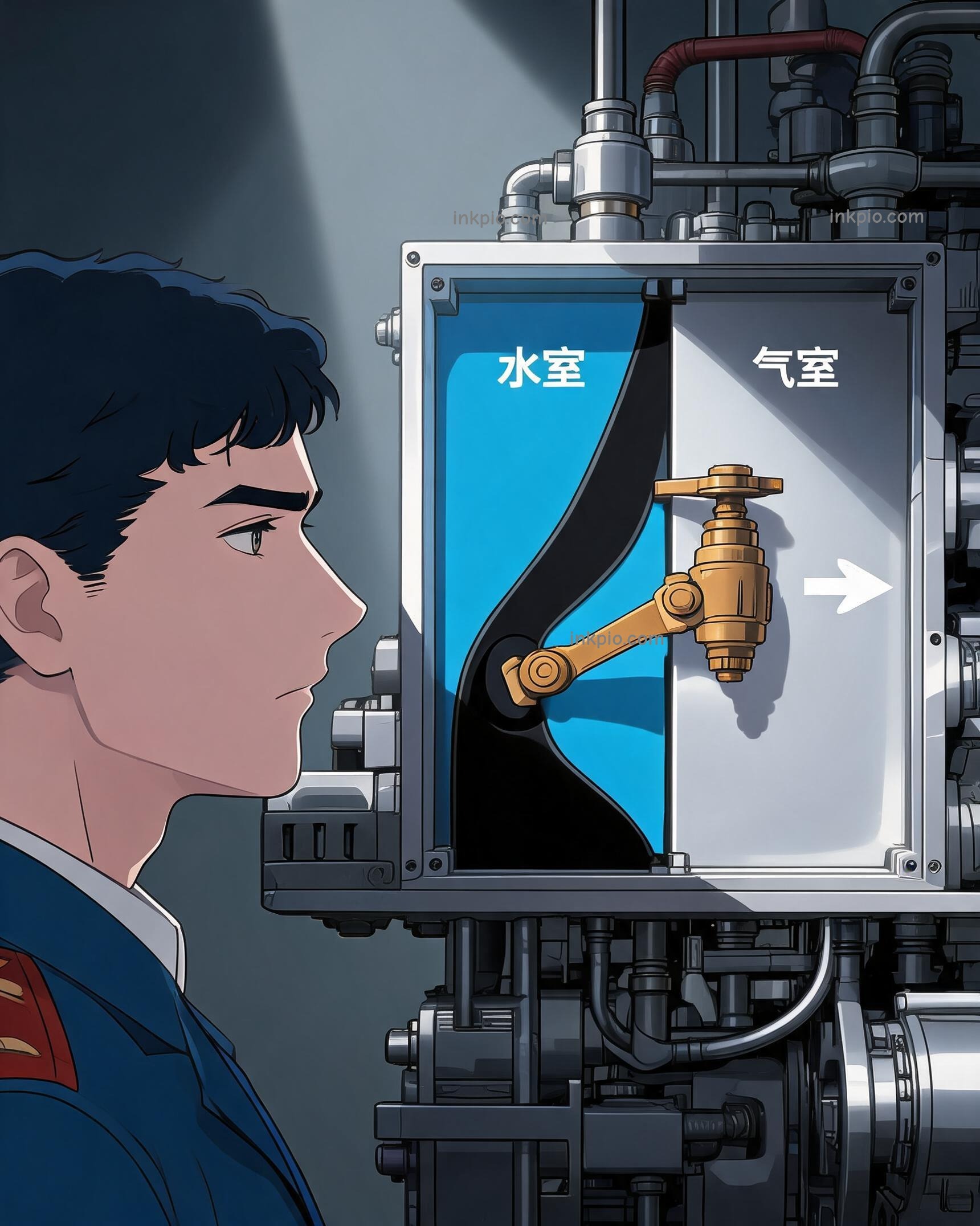
The breakthrough wasn’t in the metal, but in the balance. They installed a flexible rubber diaphragm, thin as a breath. Imagine a seesaw suspended in silence. On one side, the immense, crushing weight of the ocean pressed inward. On the other, the fragile suction of a human lung pulled outward. It was a terrifying equilibrium. If the balance failed, the diver died. But if it worked, the valve would only open when the body asked for air. When Cousteau inhaled, the negative pressure bowed the rubber membrane inward. That microscopic movement tripped a lever, lifting a pin just enough to let air flow. The moment he stopped breathing, the valve closed. No waste. No freezing. Just a perfect, silent response to need.
Testing the prototype felt less like engineering and more like faith. Gagnan checked the seals with trembling fingers, knowing that a single leak at depth meant drowning. Cousteau adjusted the straps, his eyes fixed on the horizon where the water met the sky. There was no guarantee this makeshift assembly of car parts and rubber would hold against the abyss. They were betting their lives on a diaphragm thinner than a coin. The tension in the room was heavier than the water outside.
Then came the jump. Cousteau slipped into the sea, the cold biting through his suit. He kicked away from the boat, expecting the familiar tug of the hose, the panic of restricted air. Instead, there was nothing. No drag. No hiss. He took a breath, and the air arrived smoothly, matching the pressure around him instantly. It felt less like breathing machine-supplied gas and more like the ocean itself had decided to let him stay. A ring of silver bubbles escaped his exhaust port, rising slowly toward the light, undisturbed by turbulence.
For the first time, the deep wasn’t a place you visited and fled. It was a space you inhabited. The crushing pressure that once threatened to collapse his lungs now supported every breath. Cousteau floated in the three-dimensional silence, no longer a visitor tied to the surface, but a resident of the blue. The Aqua-Lung didn’t just supply air; it removed the barrier between man and sea. He looked down into the darkening depths, not with fear, but with a quiet recognition. The ocean had finally stopped fighting back.