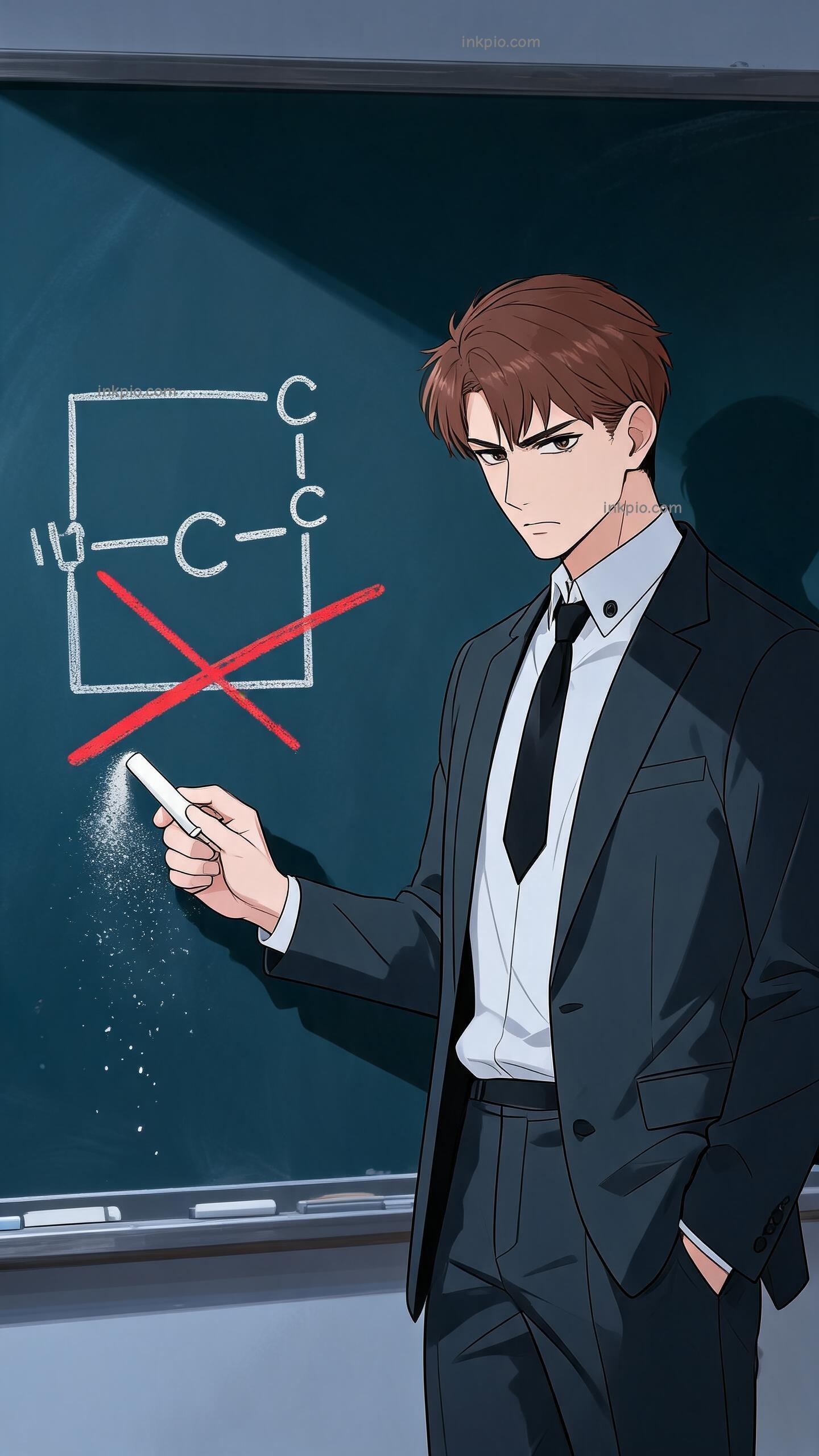
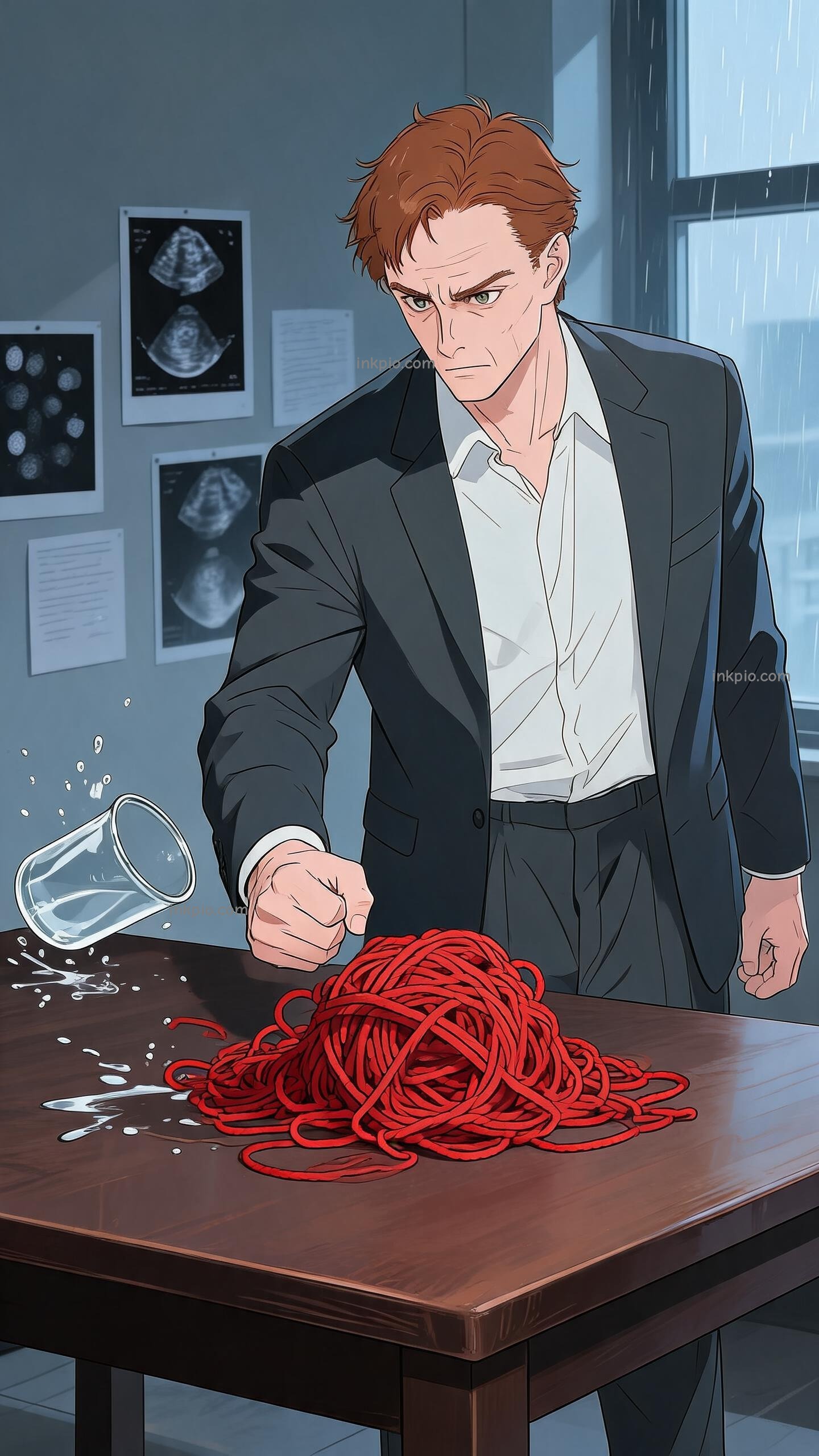

The red string on the desk sat in a tangled knot, mirroring the scientific confusion of 1948. To most researchers, proteins were chaotic messes, random coils flopping without purpose. Linus Pauling stared at the disorder, his mind refusing to accept that life’s building blocks lacked structure. He felt a quiet desperation, not just for answers, but for order in a world that seemed increasingly fragmented by war and illness.
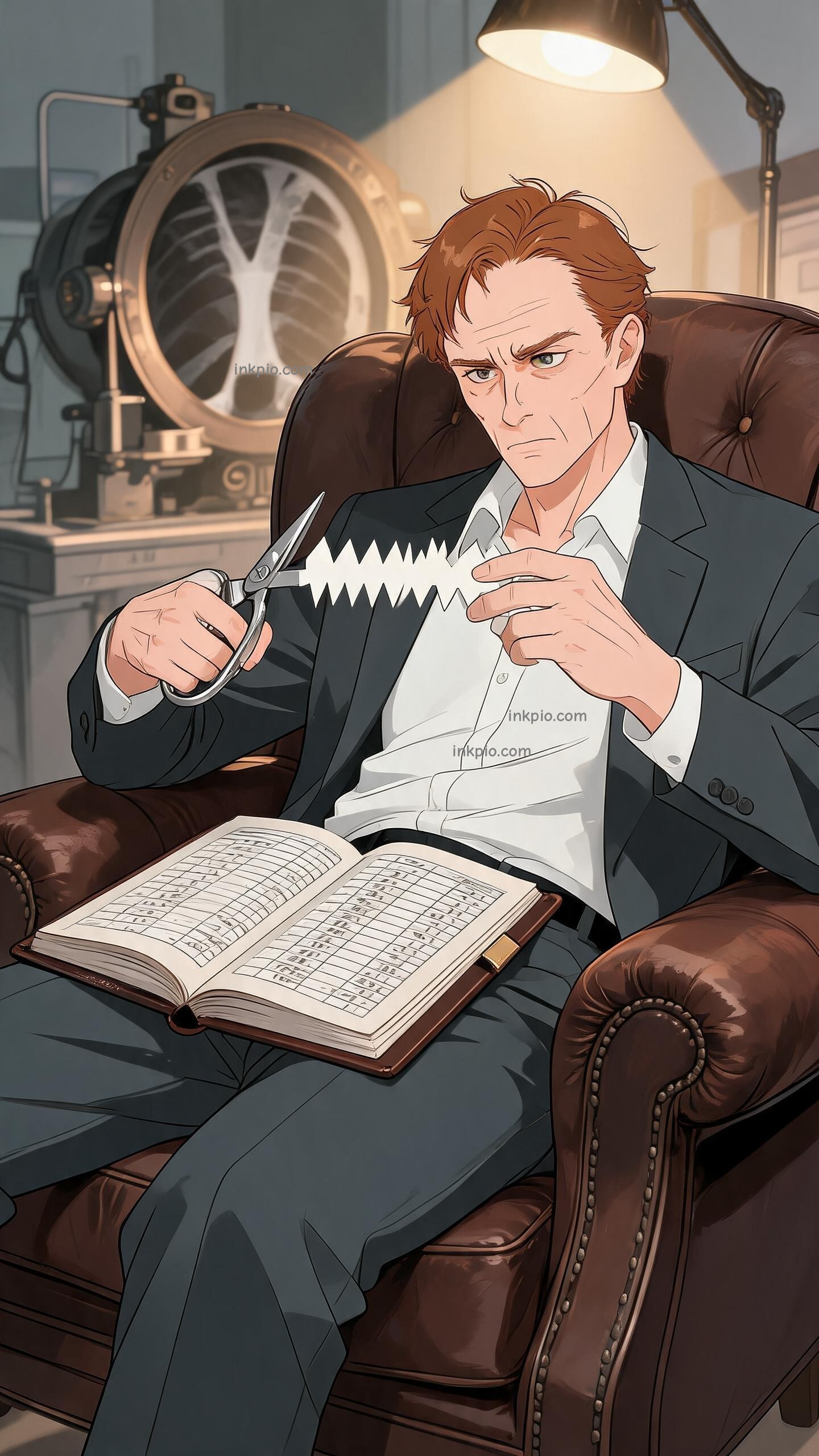
Oxford’s damp air seeped into his hotel room, carrying the weight of his confinement. Doctors had ordered strict bed rest, stripping him of the heavy X-ray machines that defined modern structural biology. Without those instruments, he was blind to the atomic world. Yet, isolation brought a strange clarity. Trapped in his body, his mind sharpened its focus on the only tools left: paper, scissors, and memory.
He reached for the booklet of bond-length data, its pages worn from years of study. These numbers were his anchor. He cut strips of paper to match the precise distances between atoms, treating each cut as a non-negotiable law of physics. His hands, weakened by fatigue, moved with deliberate precision. He wasn’t just crafting a model; he was reconstructing reality from first principles, trusting geometry over machinery.
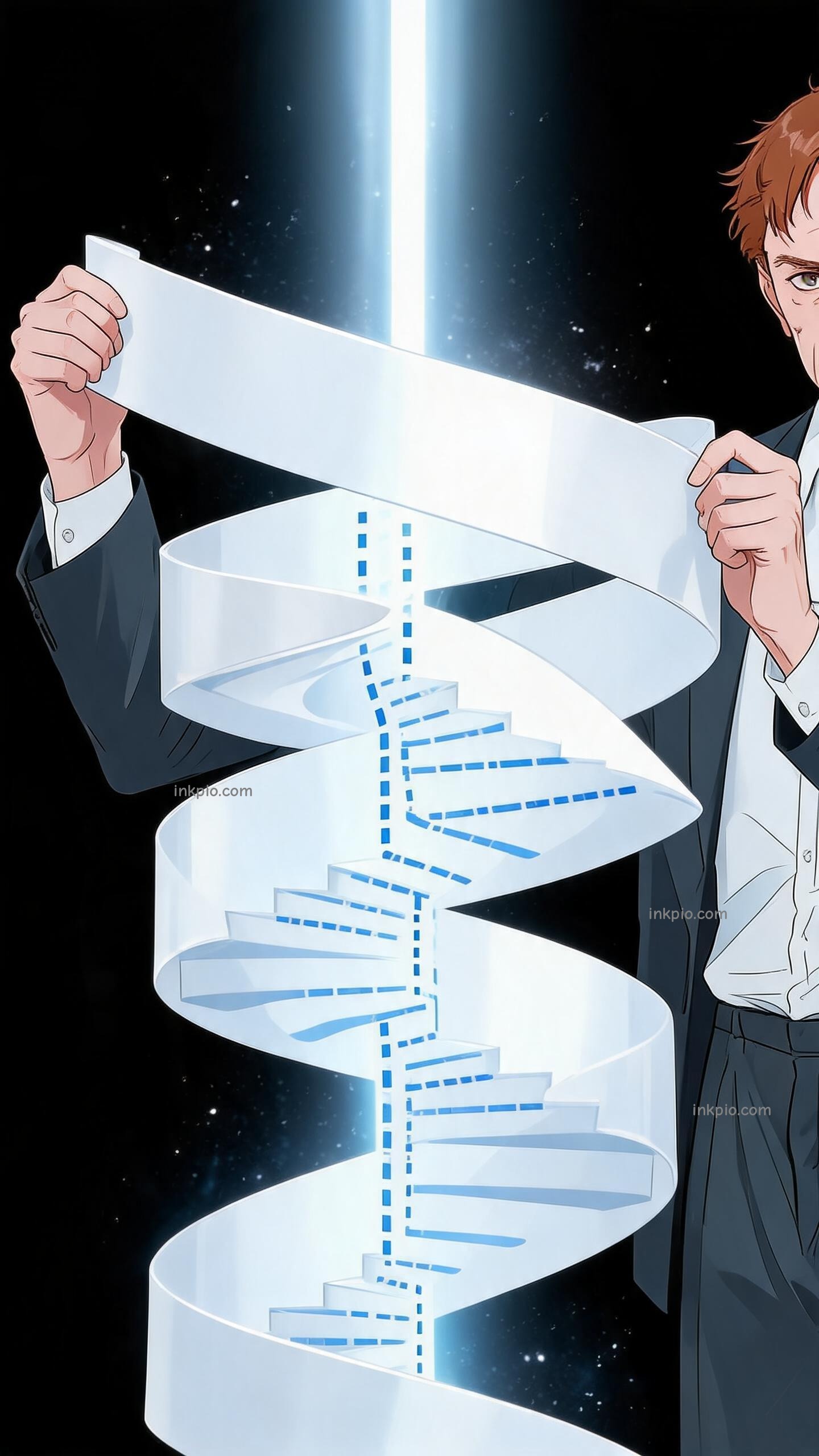
The paper zig-zagged under his fingers, a fragile backbone of amino acids. He twisted it, watching the edges curl. For hours, nothing worked. The angles clashed, the structure collapsed. Doubt crept in, whispering that the consensus might be right after all. But he pushed through the frustration, driven by a stubborn belief that nature preferred elegance over chaos. He adjusted the twist, millimeter by millimeter.
Then, the geometry clicked. The strip coiled into a tight spiral. Suddenly, the carbonyl oxygen of one amino acid aligned perfectly with the amide hydrogen of the fourth residue down the chain. It wasn’t just a fit; it was a lock. Invisible hydrogen bonds snapped into place, stabilizing the entire structure. The paper helix held its shape, defying gravity and doubt. It satisfied every chemical rule he knew.
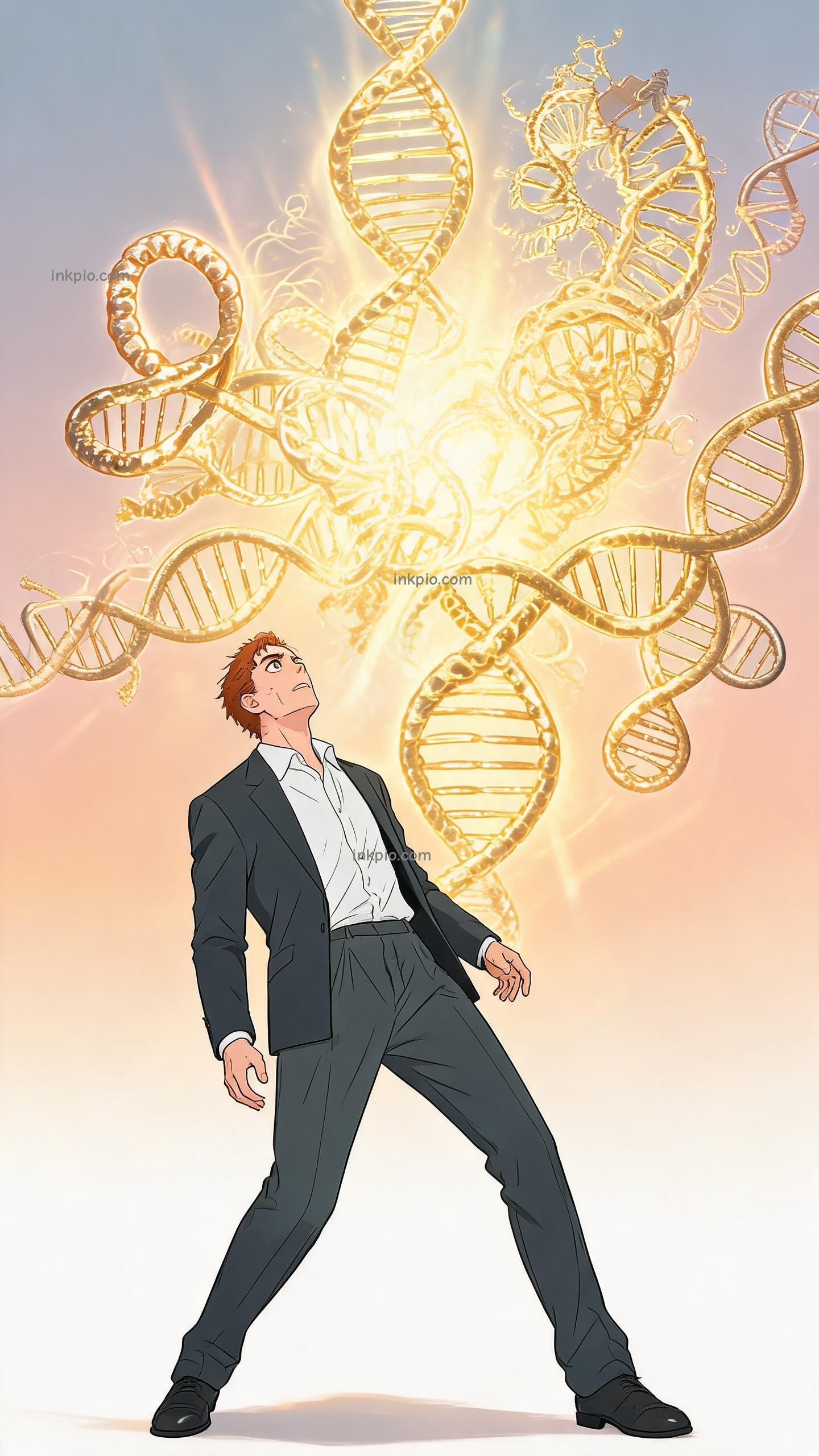
Pauling’s breath caught. The simplicity of it struck him harder than any complex data set. He looked at the fragile paper spiral, then at his own trembling hands. In that dim room, the abstract became tangible. He wrote to Robert Corey, his words rushing onto the page. He described the structure not just as correct, but as beautiful. It was too simple to be wrong, too elegant to be accidental.
Night fell over Oxford, silencing the city outside. Pauling set the scissors down on the nightstand, the metal cold against the wood. He pulled the blanket up, his body exhausted but his mind alight. The paper helix rested in the pool of lamplight, a silent testament to hidden order. It waited there, perfect and still, while the scientist closed his eyes, knowing that the random coil theory had died in that room.