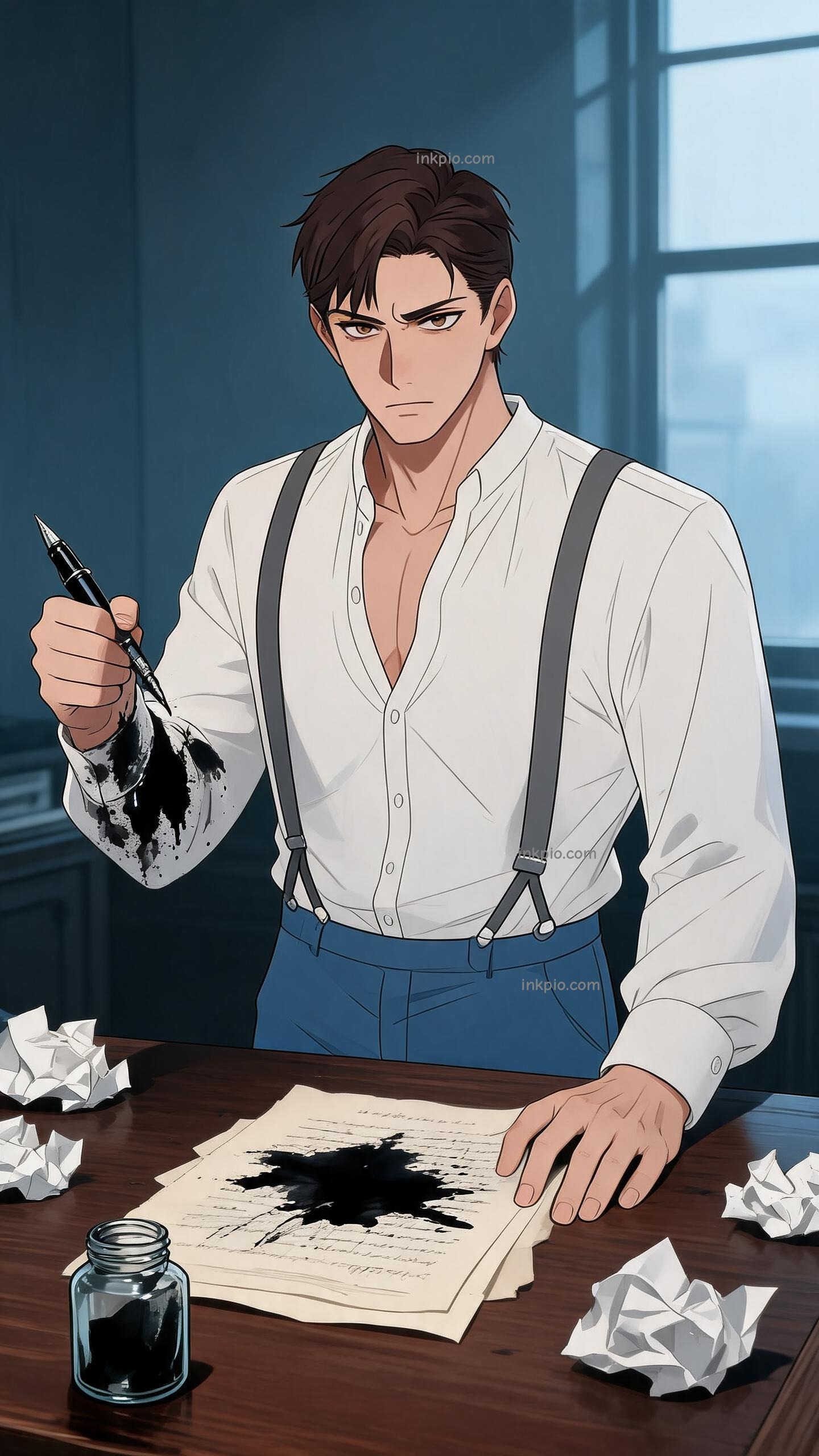

The summer of 1921 in Toronto was suffocating. The air in the laboratory hung heavy with the scent of decay and stale sweat, a physical weight that pressed against Frederick Banting’s chest. He stared at the dog on the operating table, its breathing shallow and ragged. This animal was not just a subject; it was a mirror. Every labored breath reflected the thousands of humans outside these walls who were slowly starving to death while surrounded by food. Diabetes was not merely a disease then; it was a slow, cruel erasure of the self.
Banting’s mind raced through the failure of previous attempts. The pancreas was a biological paradox, a trap designed by nature to protect its secrets. It produced insulin, the life-saving key, but also digestive enzymes, the destroyers. Extracting the former meant battling the latter. It felt like trying to carve a sculpture out of ice while standing inside a furnace. The heat of the enzymes dissolved the delicate protein before it could even be harvested. For months, this impossibility had gnawed at him, a quiet desperation that kept him awake long after the city slept.
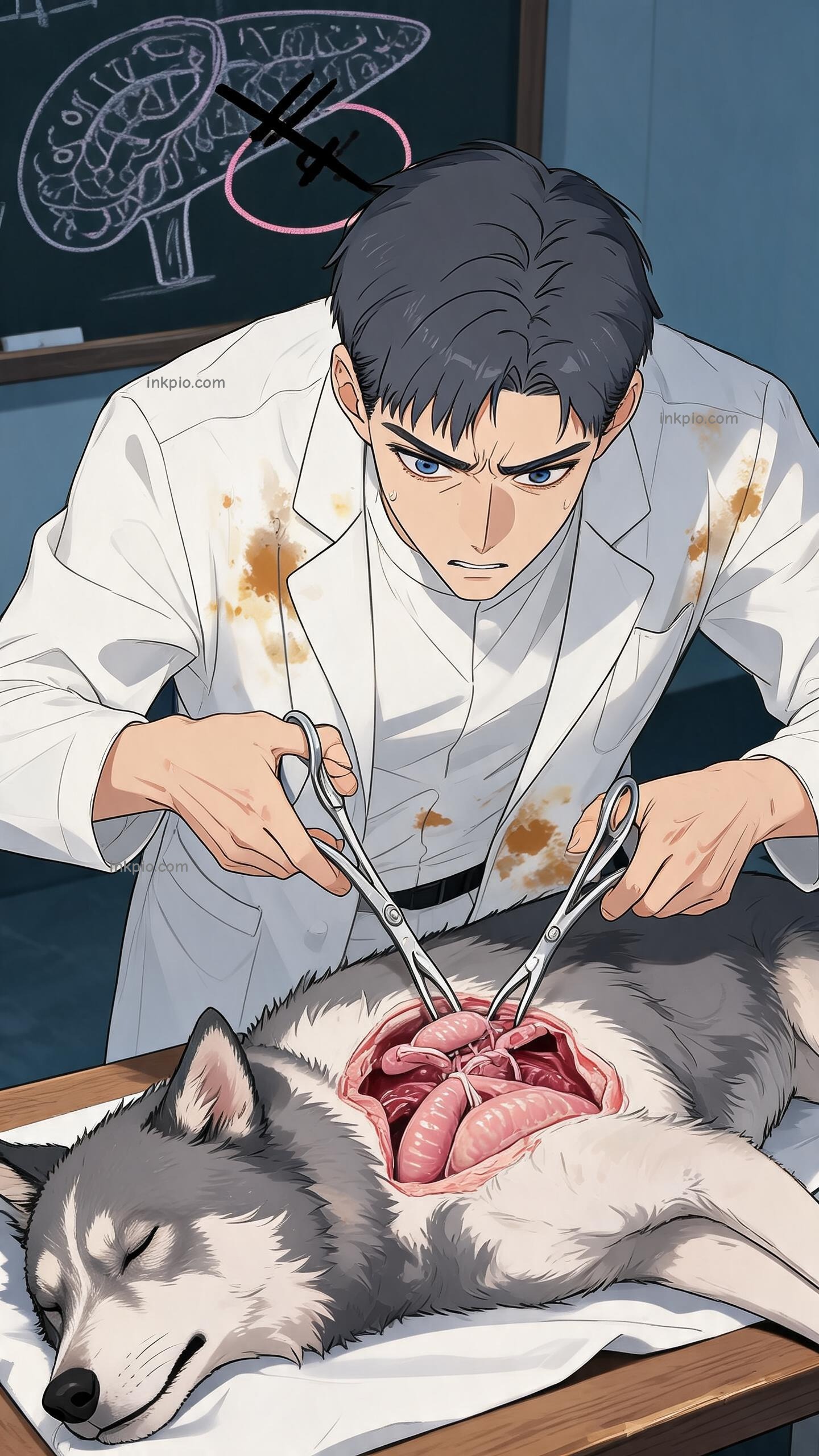
His solution was brutal in its simplicity. He would not fight the enzymes; he would starve them. By tying off the pancreatic ducts, he cut the supply line to the enzyme-producing cells. Without their outlet, these cells withered and died, leaving behind scarred, shrunken tissue. But the islets of Langerhans, the tiny clusters that held the cure, did not rely on those ducts. They survived. Banting was essentially killing part of the organ to save the rest, a gamble that felt less like science and more like surgery on his own hope.
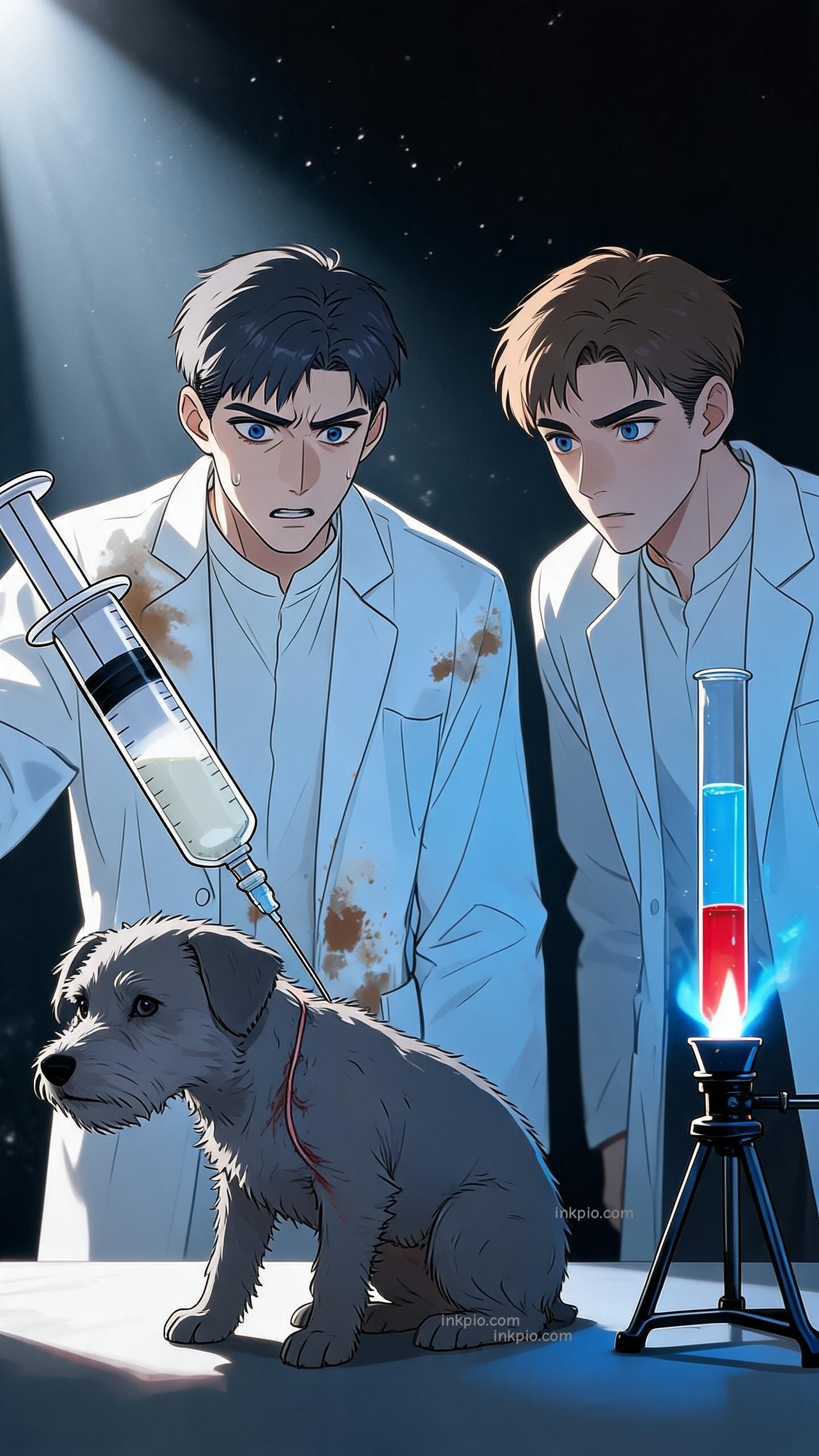
Charles Best arrived during the peak of the heatwave, a young medical student with steady hands and eyes that missed nothing. He did not ask why they were working in such squalor. He simply rolled up his sleeves. Together, they mashed the scarred pancreatic tissue, the friction of the mortar and pestle providing a rhythmic counterpoint to their anxiety. The resulting juice was cloudy, murky, and unimpressive. It looked like waste. Yet, when they injected it into dogs whose pancreases had been completely removed, the change was not immediate, but the anticipation was palpable.
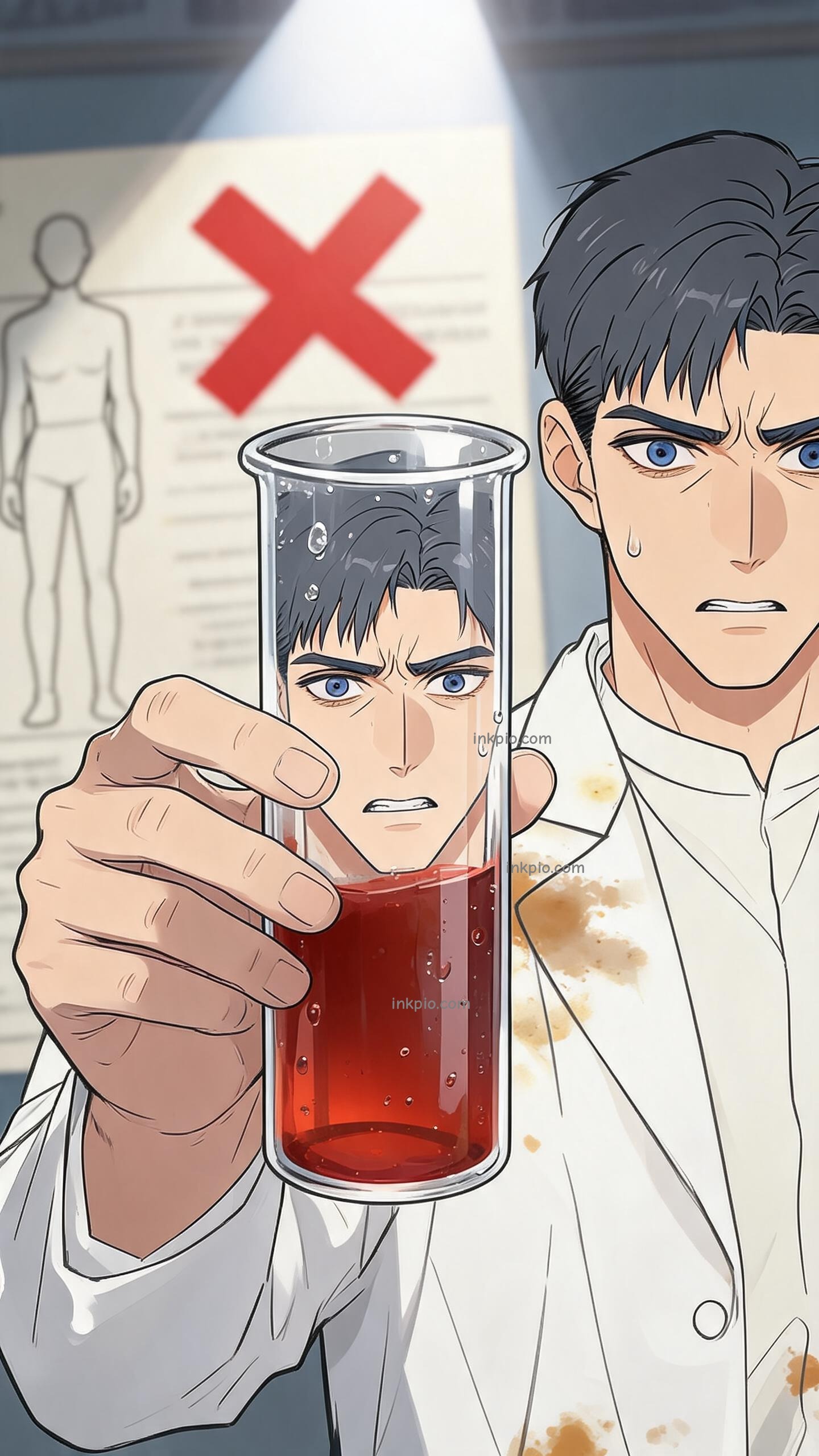
The true verdict lay in a glass test tube. They took urine from the treated dogs, liquid that had been thick and brick-red with excess sugar. Under the blue flame of a Bunsen burner, they added Benedict's reagent. The liquid bubbled, shifting colors like a bruising sky. Banting held his breath, his knuckles white as he gripped the edge of the bench. Best watched the fluid, his face unreadable, waiting for the chemistry to speak.
Slowly, the angry red faded. The cloudiness cleared. The liquid settled into a crystal-clear blue.
Silence filled the room, louder than any cheer. The blue meant the glucose was gone. The sugar death had been halted. Banting set the test tube down on the wooden bench, the glass clicking softly against the grain. He looked at Best, who gave a slight, almost imperceptible nod. There were no grand speeches. The weight of the moment was too heavy for words. They had taken a death sentence and, with a tied duct and a cloudy extract, rewritten it into a possibility. The summer heat still pressed in, but for the first time in months, the air felt breathable.