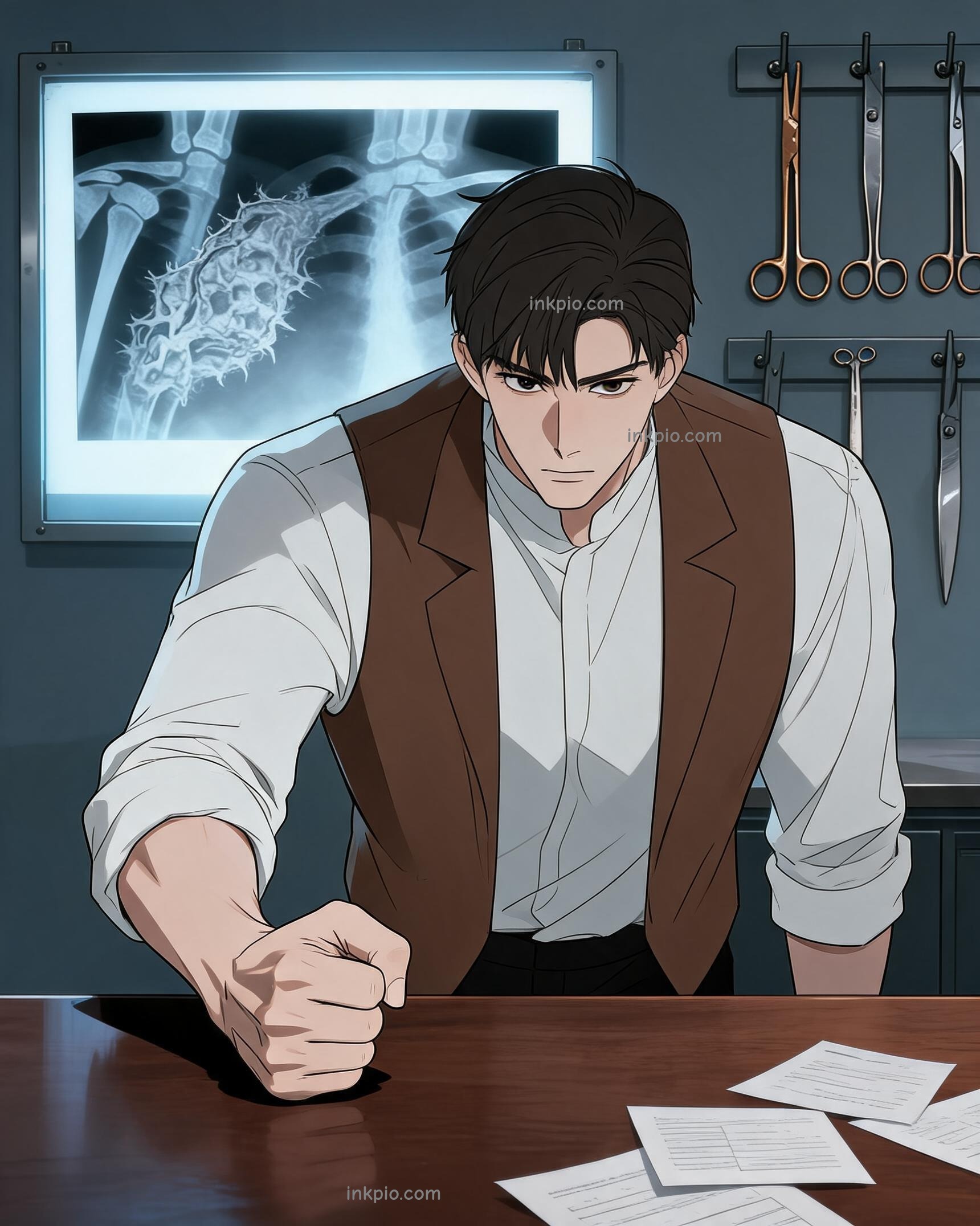

The scalpel struck bone with a dull, final thud. William Coley froze, his knuckles white against the steel handle. In 1891, surgery was a blunt instrument, and he had just hit its limit. The sarcoma in his patient’s leg wasn’t a lump to be cut out; it was a root system, tangled deep within the marrow where no blade could reach without destroying the limb entirely. He pulled back, not in defeat, but in a cold, creeping horror. He watched the young man fade, knowing that washing his hands would not wash away the feeling of helplessness.
That night, silence haunted his study more than the memory of the death. A different case nagged at him—a patient who had survived a severe skin infection only to find their tumor shrinking. It made no surgical sense, yet the biological logic whispered to him. What if the body wasn’t broken, but merely asleep? He pictured white blood cells as guards dozing in a castle, while cancer cells lurked like thieves in the shadows. A scalpel couldn’t catch every thief, but a fire at the gates would wake the guards. The chaos of infection might be the very alarm needed to mobilize the defense.
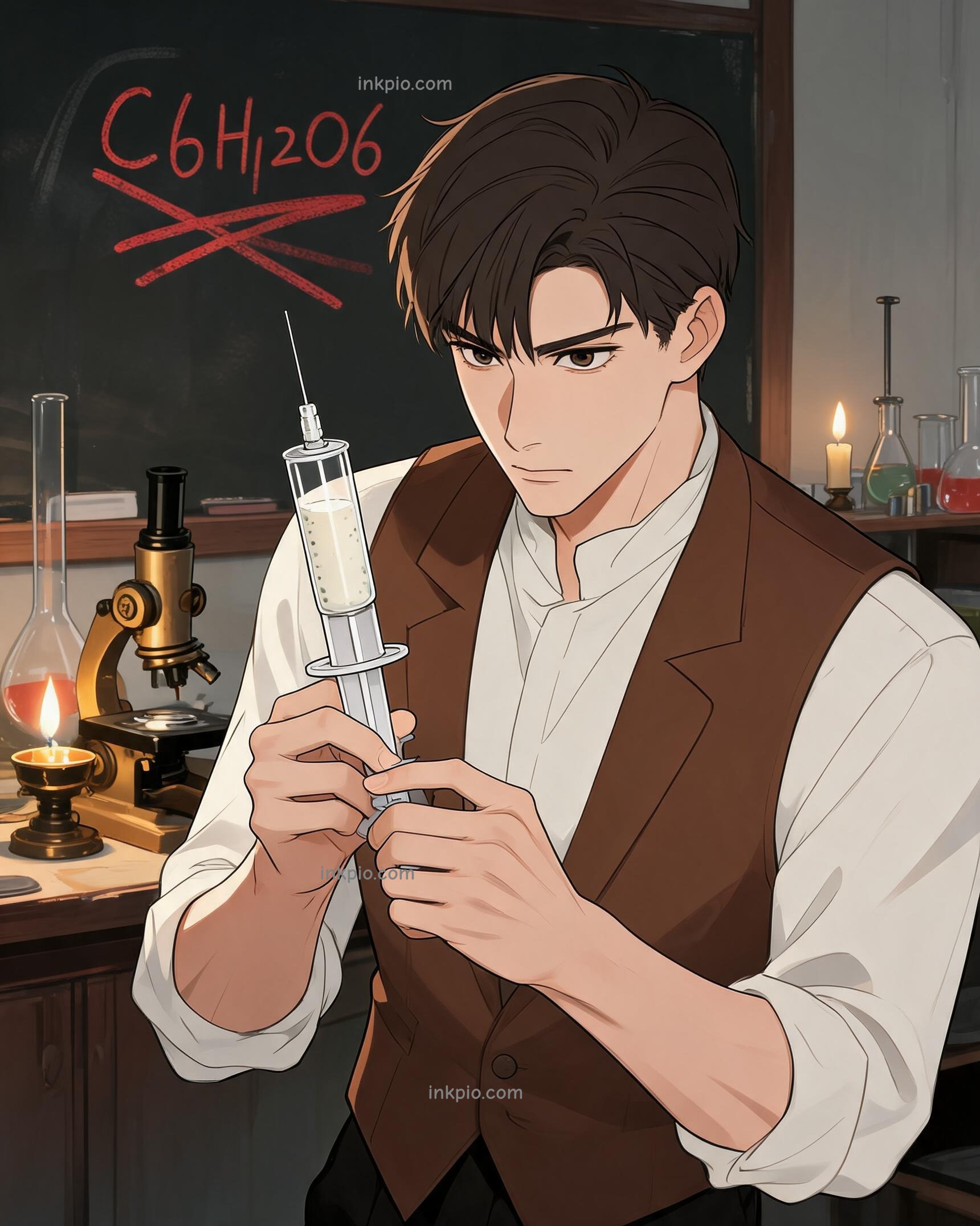
The hypothesis felt dangerous, bordering on madness. To inject live bacteria into a dying man was to play god with a loaded gun. But the alternative was watching more patients slip away while he stood by, sterile and useless. He mixed Streptococcus and Serratia marcescens into a murky, unsettling liquid. His hands trembled slightly as he drew the syringe. This wasn’t just medicine; it was a gamble with life itself.
His first subject was Zola, a terminal case with nothing left to lose. When Coley injected the toxins, the reaction was immediate and violent. Zola’s body convulsed, racked by chills so severe his teeth chattered like stones. The fever spiked, burning through the room. Any other physician would have halted the treatment, terrified that the infection would kill the patient before the cancer did. Colleagues whispered warnings, their eyes filled with pity for Coley’s apparent cruelty. But Coley watched the thermometer, not with fear, but with a desperate, focused intensity. He needed the fire. He needed the alarm.
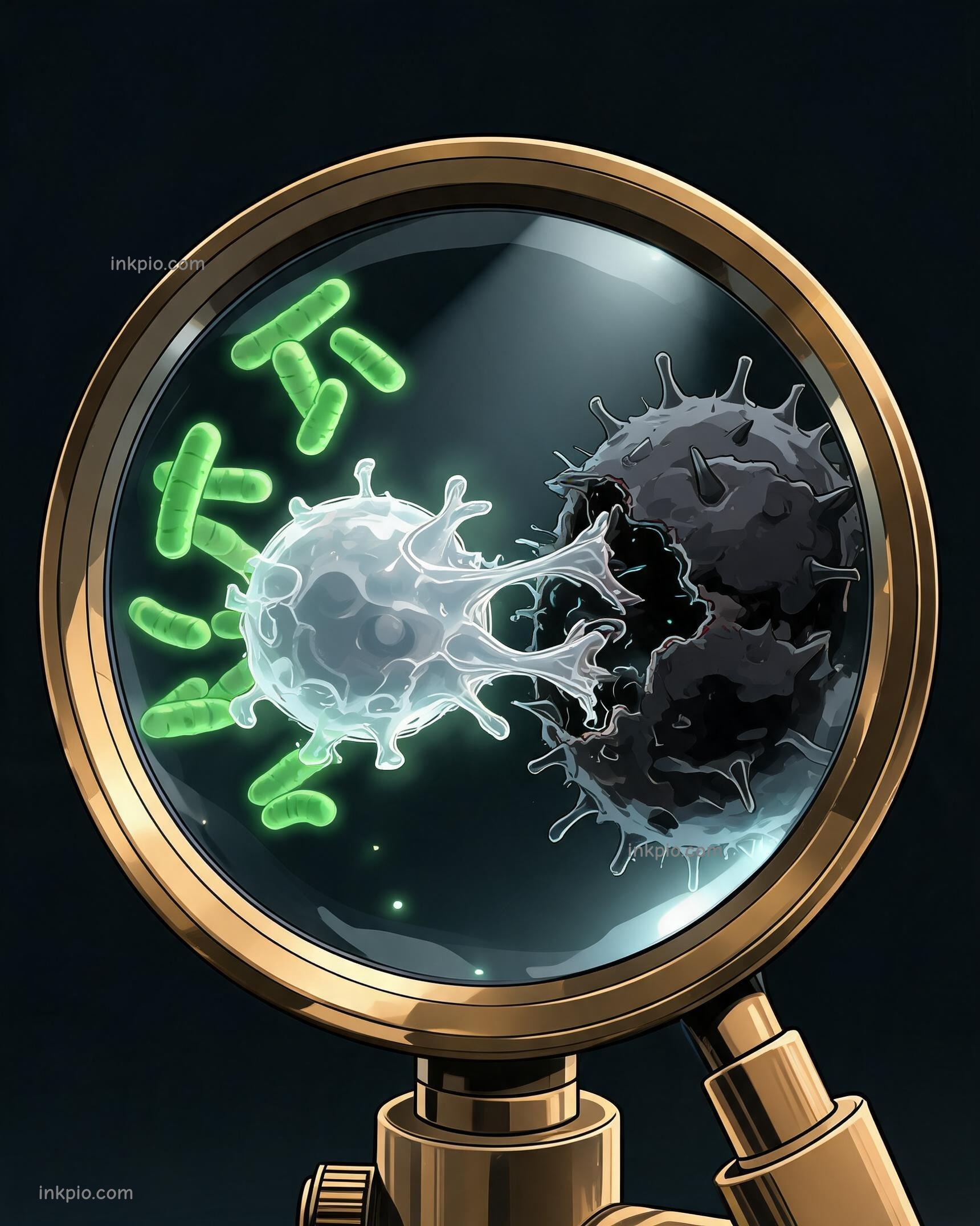
Days passed in a haze of sweat and shaking sheets. Then, the shift happened. Under the microscope, the biology unfolded like a battle scene. The bacterial invaders had triggered a massive alert. Thousands of white blood cells swarmed the site, not just fighting the bacteria, but tearing into the cancer cells with renewed ferocity. The sleeping army had awakened, and it was hungry. Coley leaned closer to the lens, his breath held tight. He saw the cancer retreating, overwhelmed by the body’s own furious response.
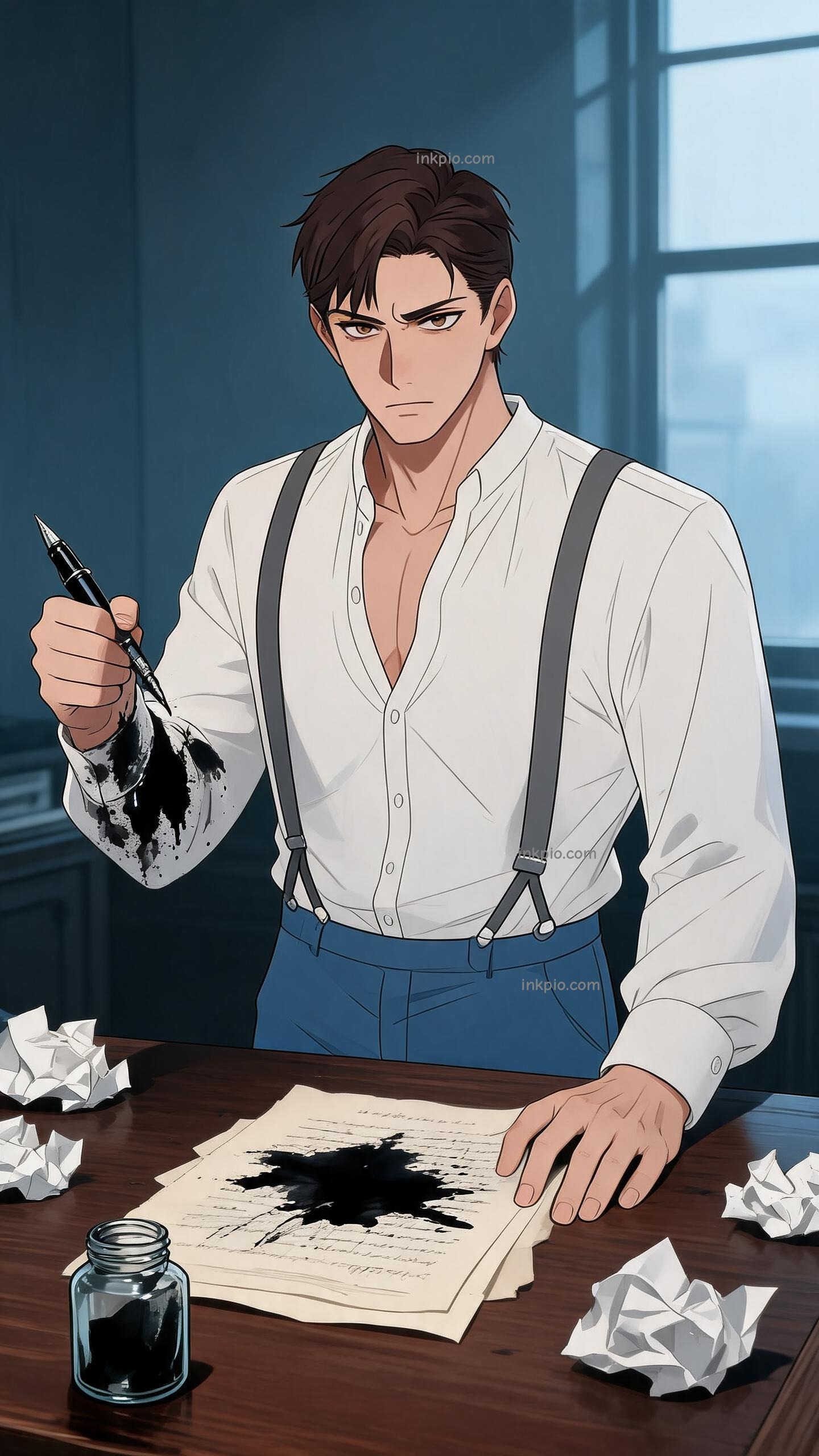
He looked up from the microscope to Zola, who was still weak but alive. The massive tumor mass was visibly receding. Coley picked up his pen, his hand steady now. In the case records, he didn’t write about triumph or theory. He simply noted: 'The fever was high, but the tumor was melting away.'
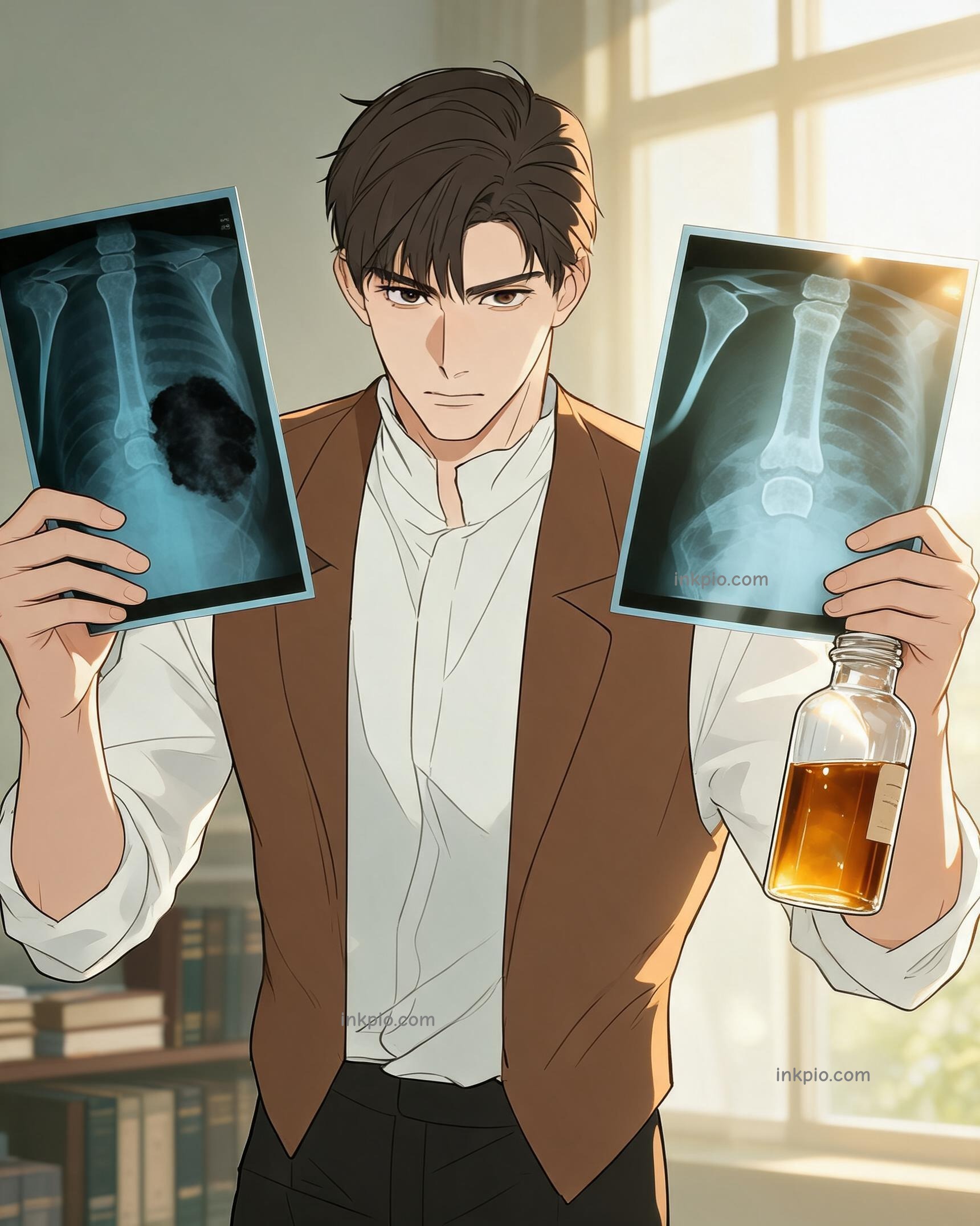
In the quiet clinic, the air felt different. The heavy scent of antiseptic seemed to lift. Coley capped the container of toxins, the glass cool against his fingertips. He placed the new scan next to the old one. Where there had been jagged destruction, healthy bone was beginning to form. He didn’t celebrate. He just stared at the image, realizing that the enemy within had been defeated not by his knife, but by the patient’s own waking spirit. The sleeping army was awake, and for the first time in years, Coley felt he could finally breathe.