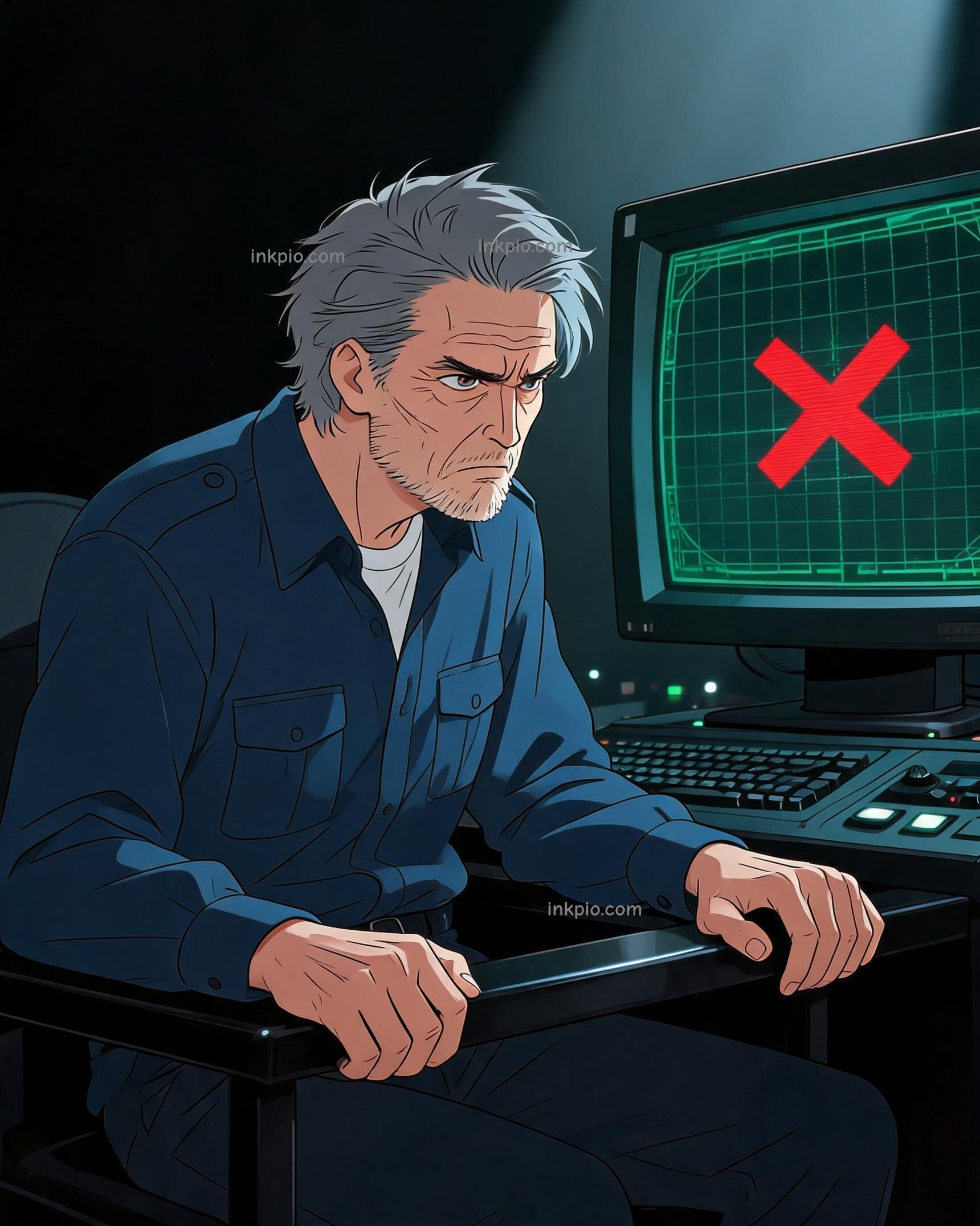

Robert Ballard stared at the sonar screen until his eyes burned. The blank green void mocked him. For decades, explorers had hunted the Titanic by searching for a single, massive hull signature in the abyss. They failed every time. The ocean was too vast, the darkness too complete. Now, the U.S. Navy had handed him a cruel ultimatum. He had just finished a classified mission mapping the wrecks of the USS Scorpion and USS Thresher. As a bonus, he got twelve days to find the Titanic. If he failed, the secret technology would be withdrawn, and the greatest shipwreck in history would remain lost under 12,500 feet of freezing North Atlantic water.
Twelve days. It wasn't enough time to search properly. It was barely enough time to breathe. Ballard felt the weight of seventy-three years of failure pressing on his chest. He knew the old method was broken. Searching for a needle in a haystack required luck; he needed logic. He stopped looking for the ship and started looking for its scars. He realized the Titanic hadn't hit the bottom intact. It had broken apart. This changed everything.
He imagined the physics of the fall. A heavy rock dropped from a moving boat sinks straight down. A feather drifts away with the current. The Titanic’s heavy engines and boilers fell vertically, anchoring the site. But lighter debris—coal, furniture, personal effects—drifted miles downstream, creating a long, hydrodynamic trail. Ballard didn't need to find the ship. He needed to find the breadcrumbs. If he could spot the scattered coal, he could follow the trail back to the source.
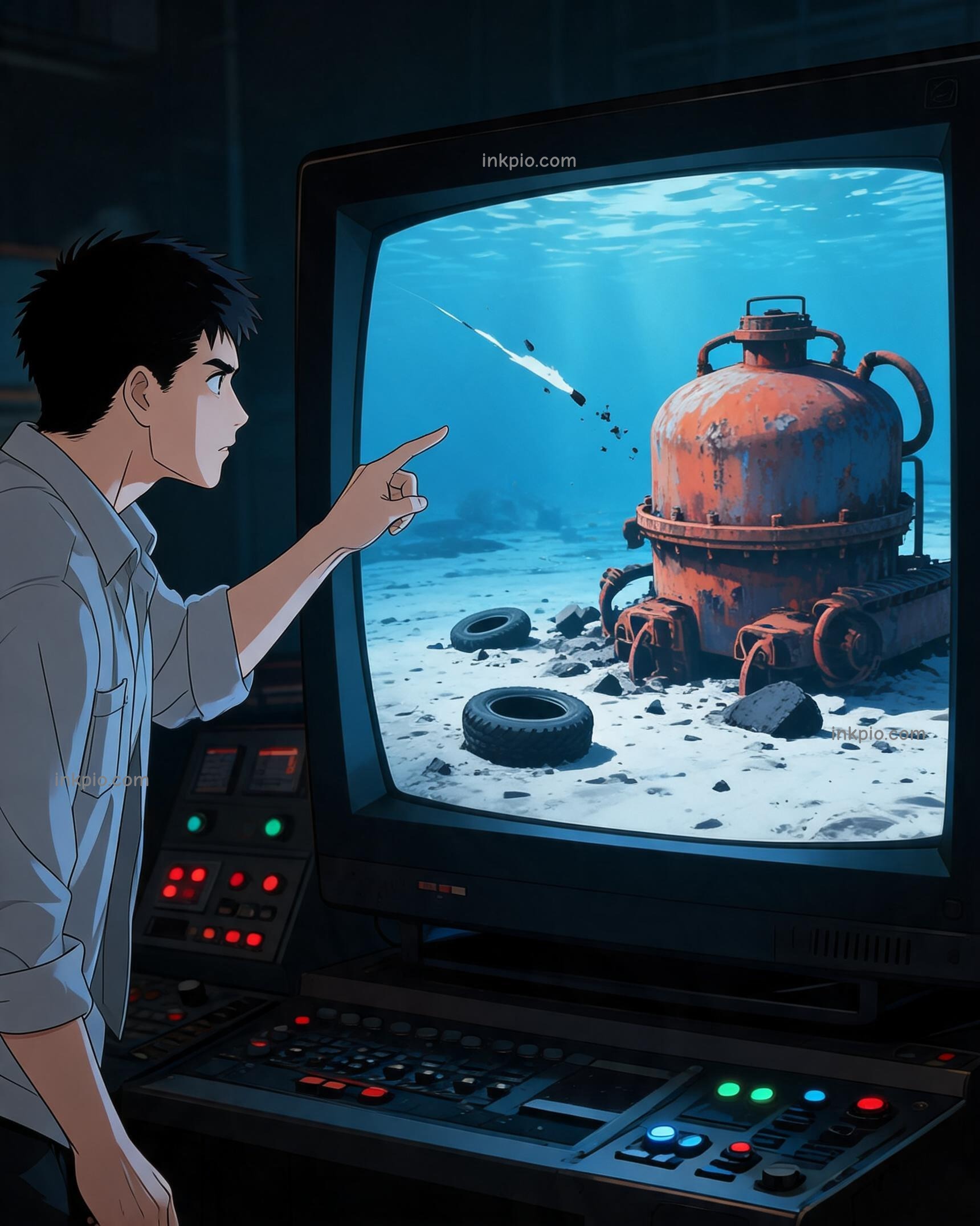
The Argo camera sled towed behind them, a blind eye in the dark. Days bled into nights. The monitor showed only endless mud and empty silt. Doubt began to creep in. Jean-Louis Michel, his French partner, sat beside him, equally exhausted. They weren't just colleagues; they were two men sharing a shrinking window of hope. Every hour wasted was an hour closer to failure. Then, Michel leaned forward. His finger tapped the bright CRT monitor. "Look," he whispered.
A rusty boiler lay in the pale silt. Behind it, a faint black streak stretched into the darkness. Coal. The trail was real. The tension in the room snapped, replaced by a focused, electric silence. They weren't guessing anymore. They were following a path. The scattered debris turned a chaotic search into a paved road. Ballard adjusted the tow cable. The sled moved deeper, tracing the line of black chunks back toward the main event.
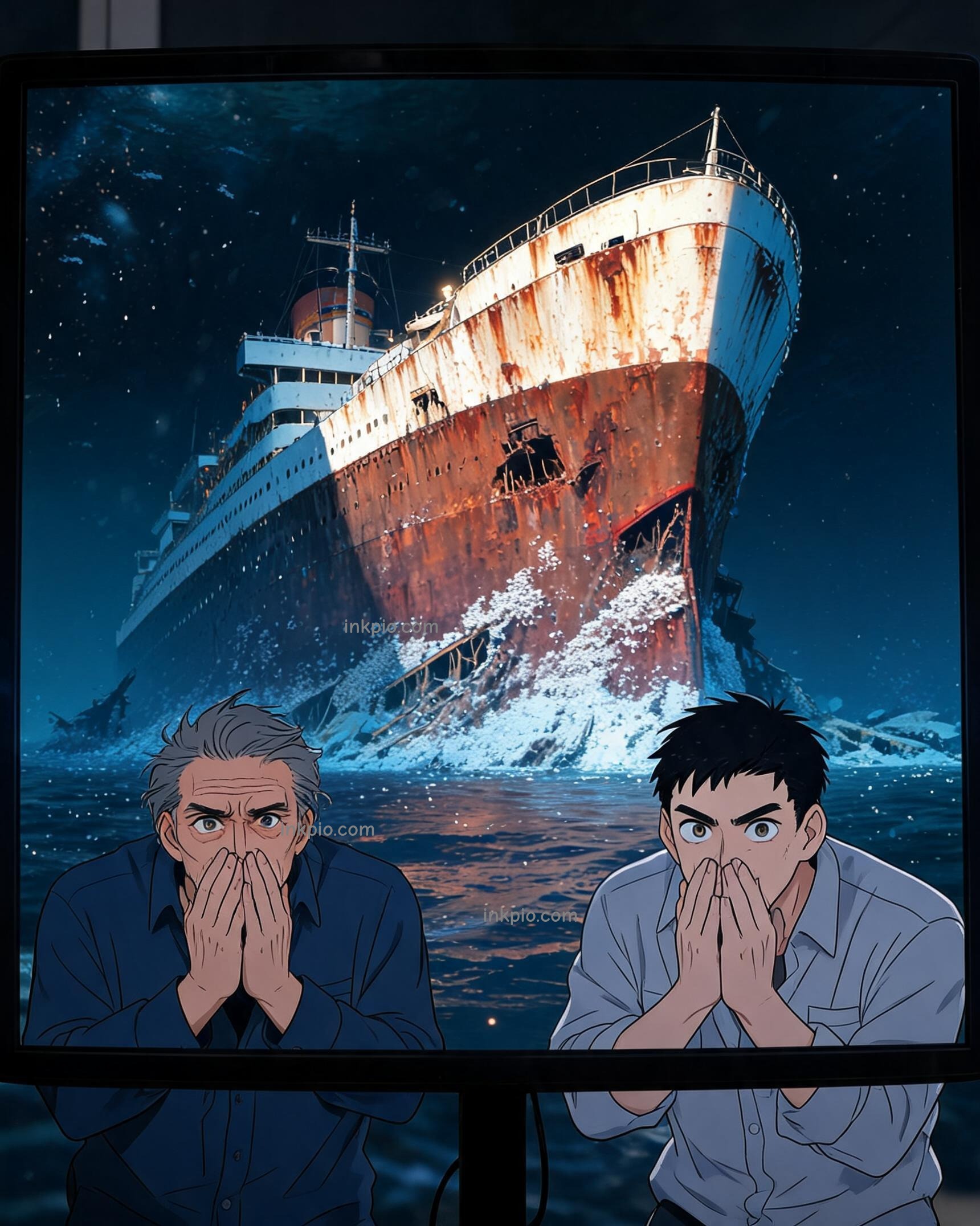
Hours passed. The debris grew denser. The gloom seemed to thicken around them. Then, the shape emerged. Not a blur, not a shadow, but a massive, rusted bow rising from the sea floor. September 1, 1985. Depth: 3,800 meters. Ballard and Michel froze. No one spoke. No one cheered. They just stared at the screen, their faces lit by the ghostly glow of the monitor. The unsinkable ship was finally at rest. The ocean had kept its secret for seventy-three years, but the debris trail had given it away. Ballard didn't feel triumph. He felt a strange, heavy reverence. He had followed the scars to the wound, and now, he was witnessing the peace that followed.