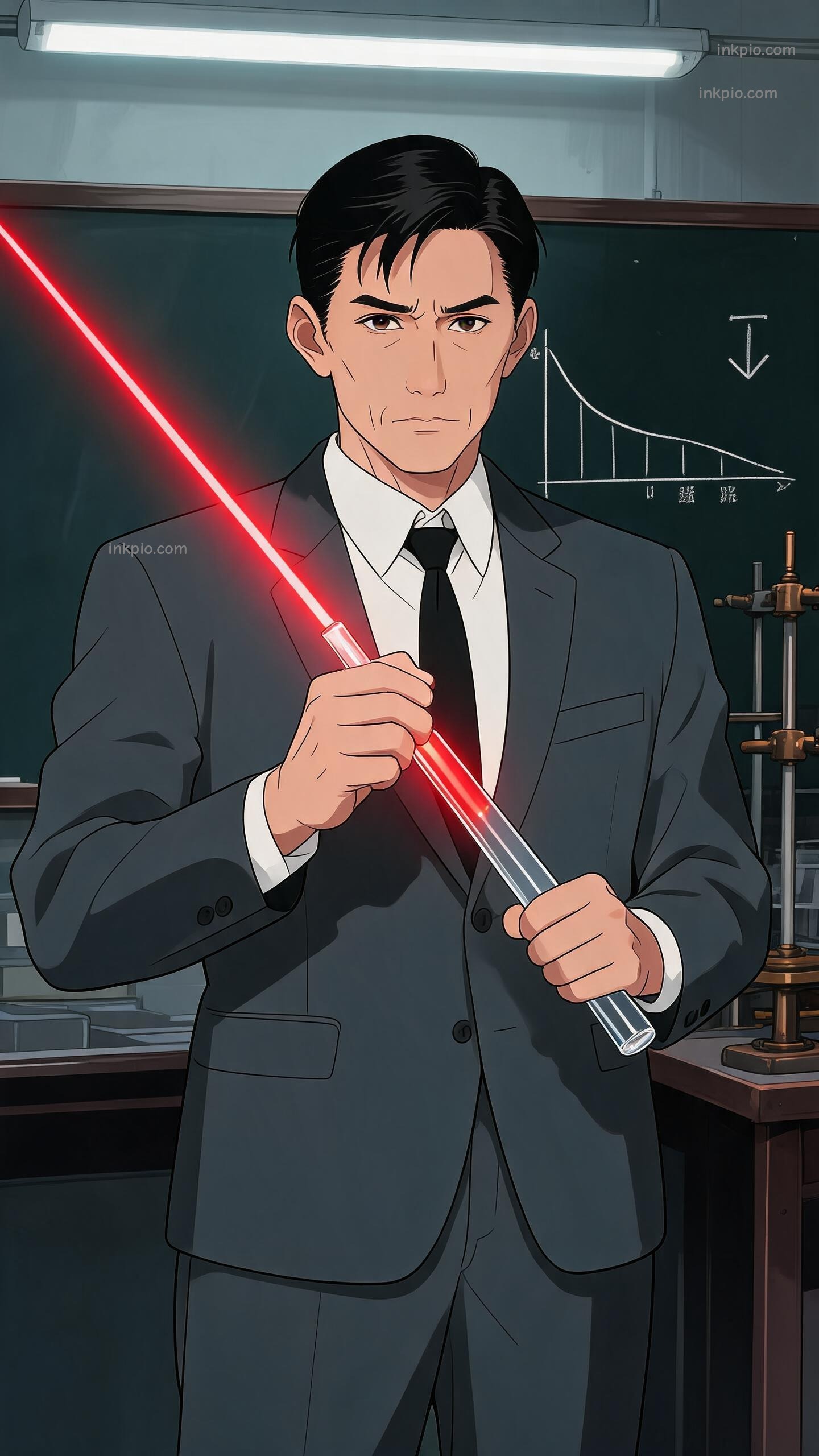

The red laser beam sliced into the thick glass tube, bright and promising. Then, within meters, it simply vanished. The lab fell silent, save for the hum of cooling fans. Physicists watched the darkness swallow the light and shrugged. To them, this was not a puzzle to solve but a law of nature to accept. Glass, they concluded, was inherently opaque. It ate photons by design. They packed up their notes, ready to move on to stronger lasers or different materials.
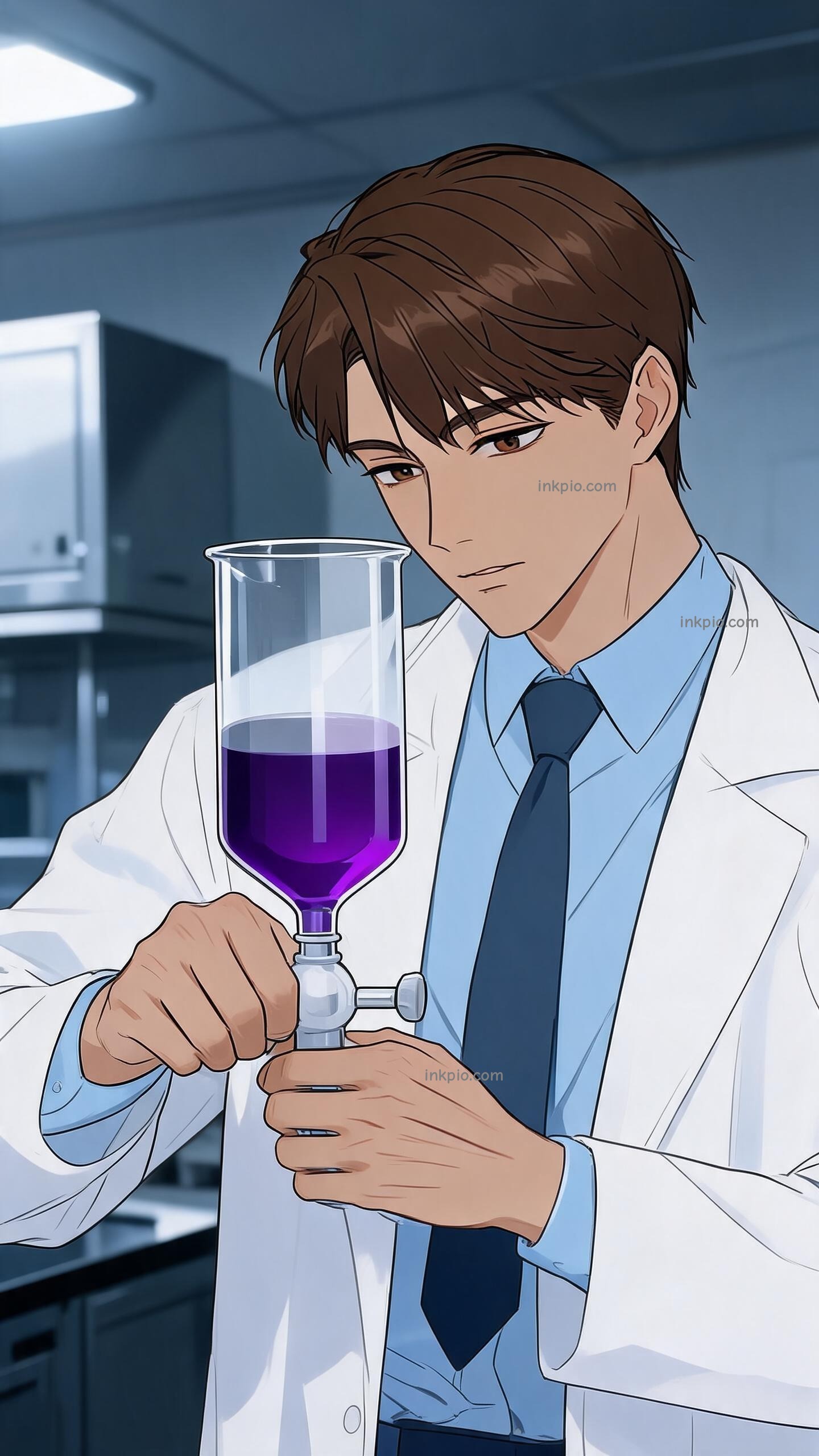
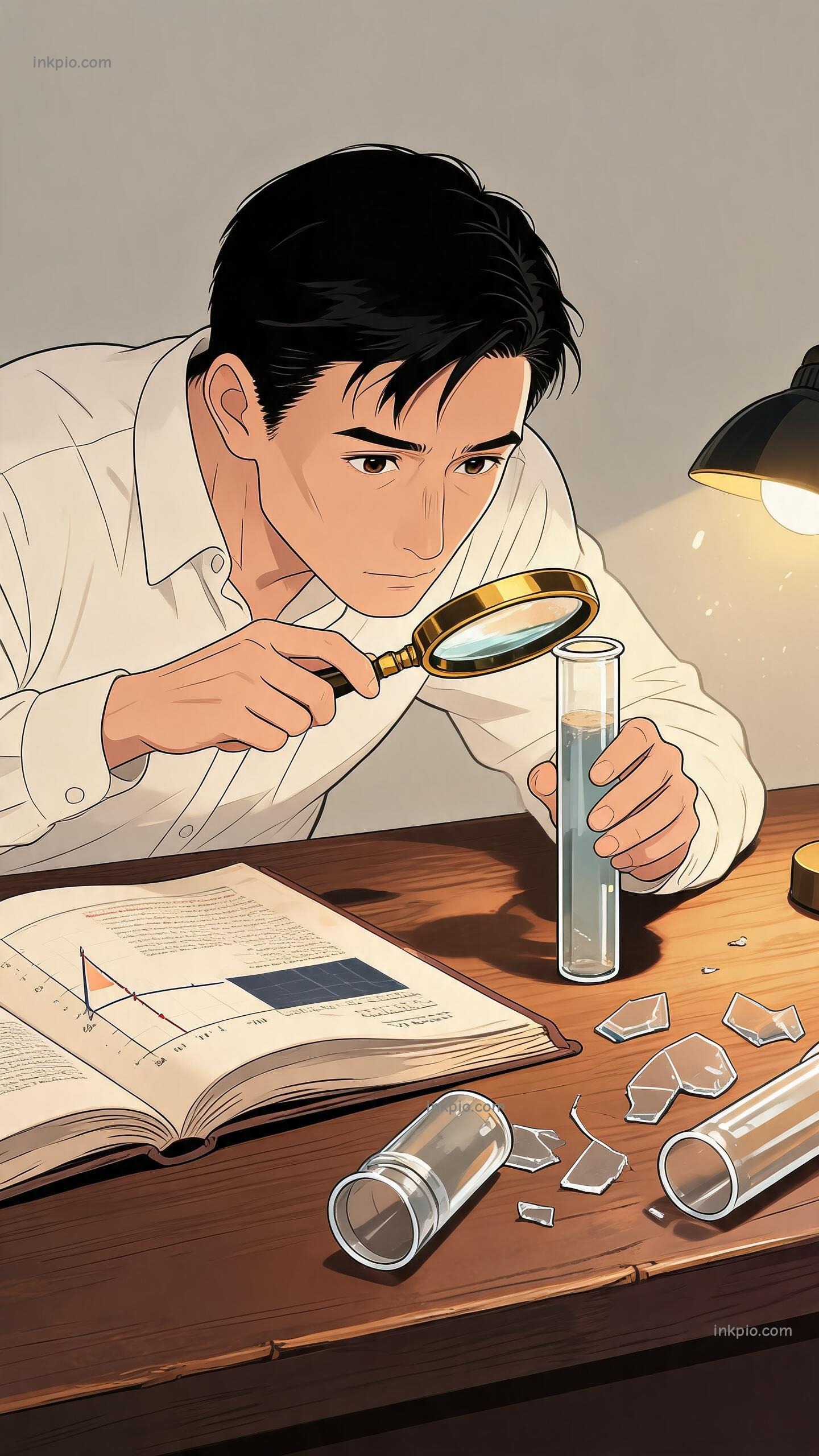
Charles Kao did not pack up. He stayed behind, staring at the dead end of that glass rod. The fading light bothered him not because it failed, but because the explanation felt lazy. Why must glass be blind? He picked up a cloudy sample, turning it over in his hands. It looked like ordinary dirt had been trapped inside during manufacturing. While his colleagues chased brighter sources, Kao turned his back on the light and faced the material. He suspected the problem wasn't the silica itself, but what hid within it.
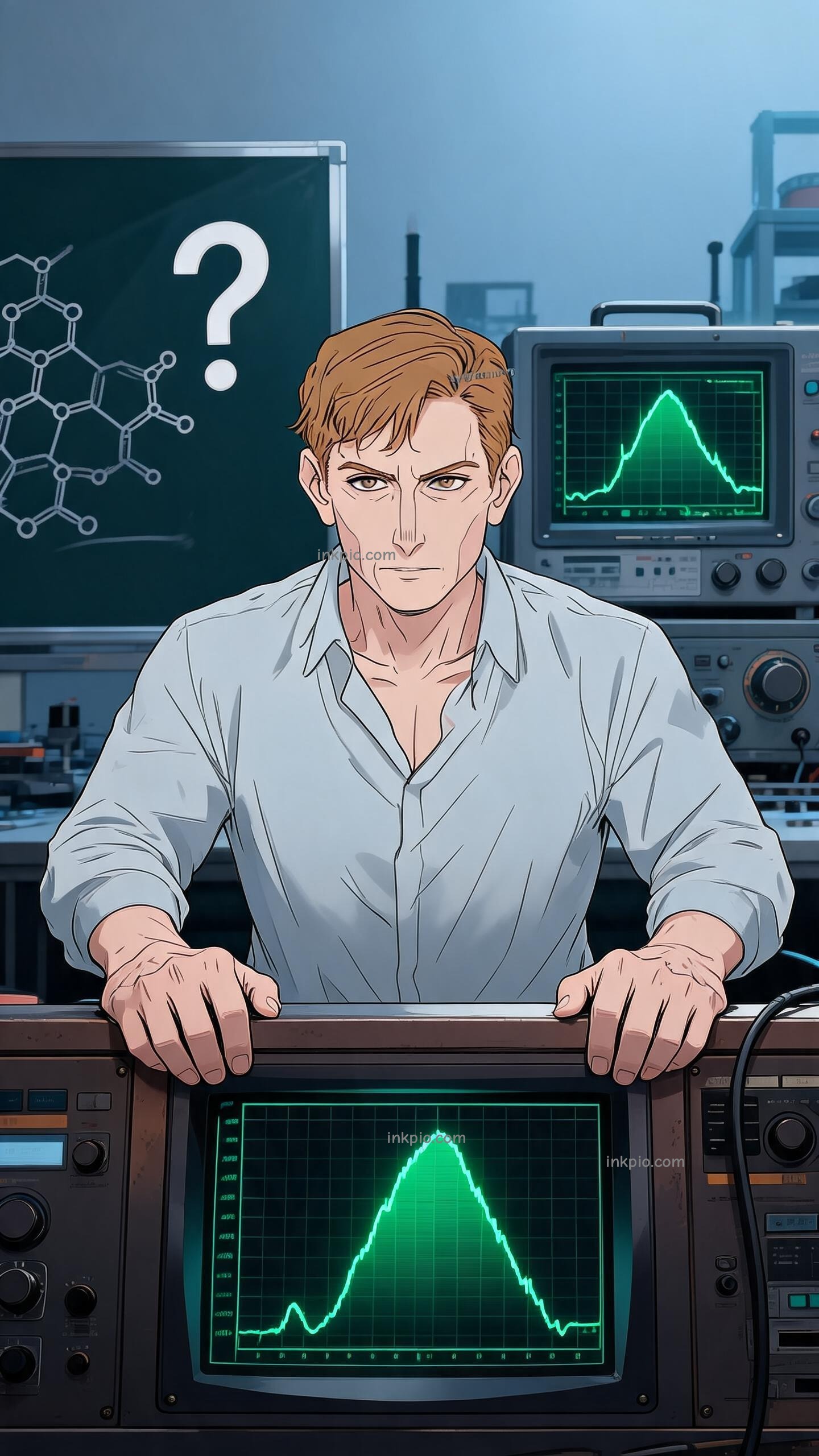
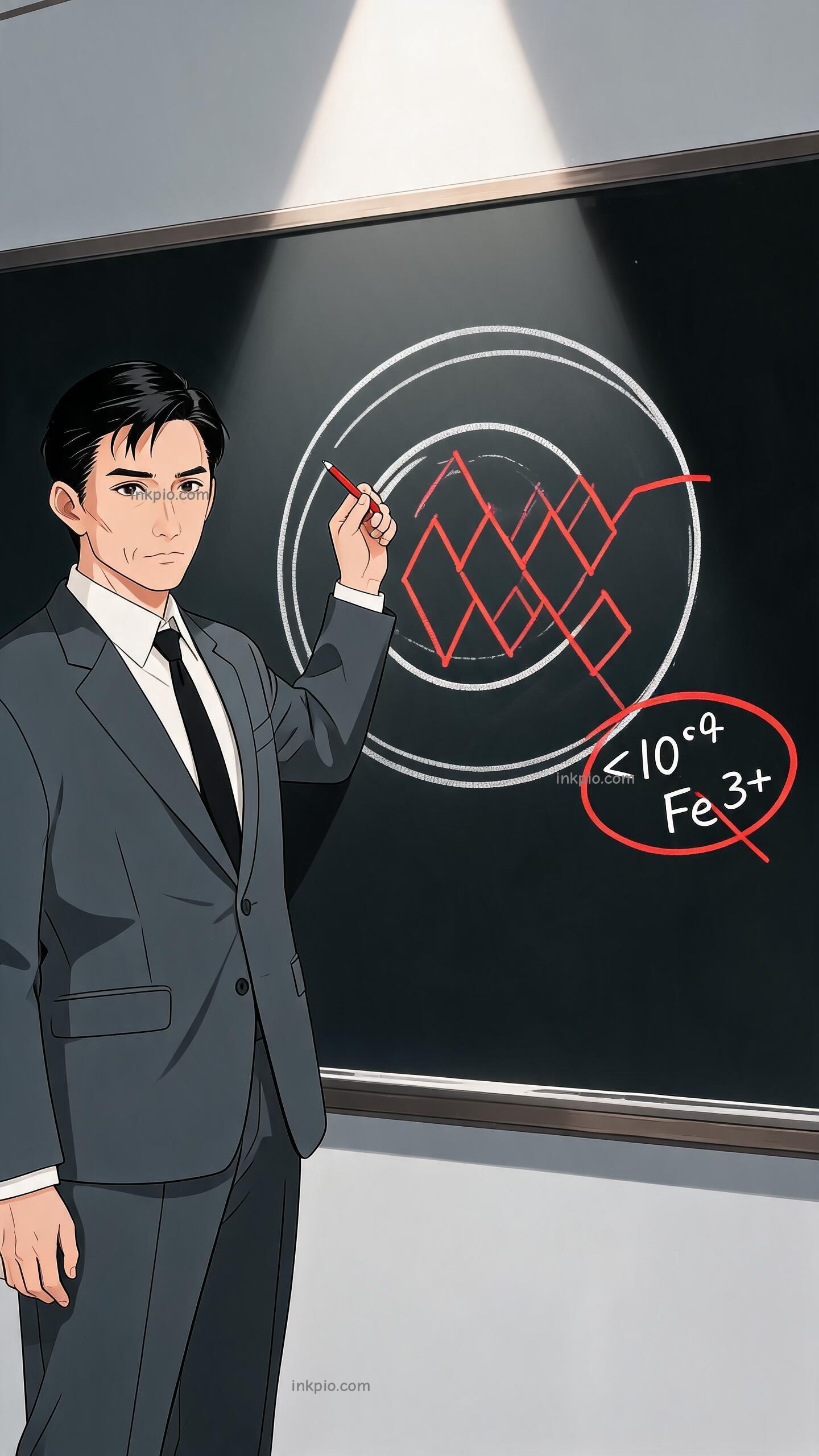
He spent nights digging through chemistry journals, hunting for invisible enemies. His focus narrowed to iron impurities. These microscopic specks were not part of the glass structure; they were contaminants, stealing the signal before it could travel. Kao realized the glass was innocent. It was the dirt that was guilty. But how much dirt was too much? He needed a number, a threshold that separated impossible from inevitable.
Kao sat with his calculations, working backward from the known absorption rates of iron ions. He treated the problem like filtering muddy water. If you remove enough sediment, the water runs clear. His pen moved across the paper, deriving the exact purity required. The number was staggering: less than one part per billion. It seemed absurdly clean, almost unattainable. Yet the math held. If the iron dropped below that line, total internal reflection would carry light for over a hundred kilometers without fading.
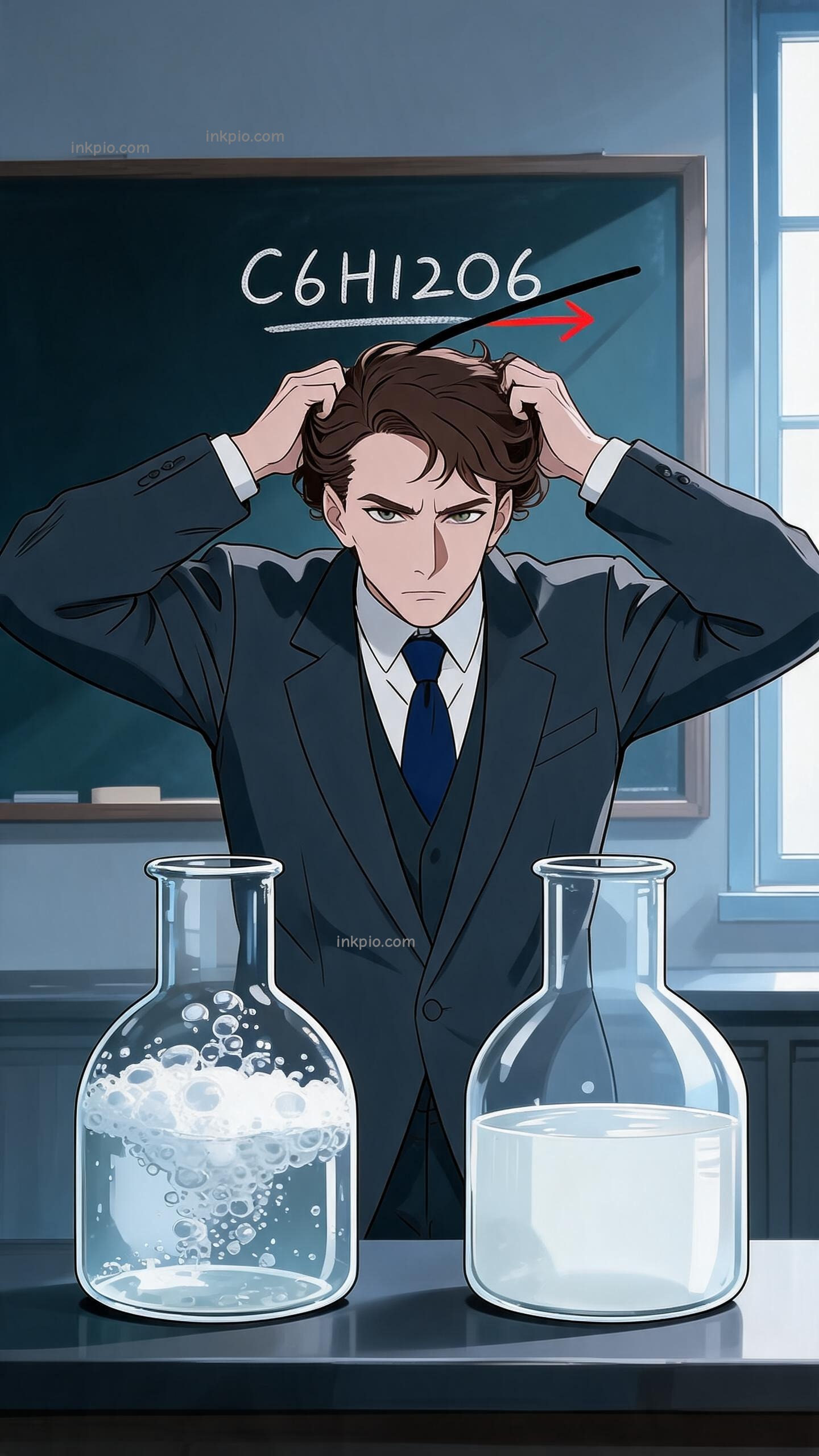
In 1966, he published his findings. The physics community did not cheer. They scoffed. Making glass that pure was considered industrial fantasy. Experts told him he was chasing ghosts, urging him to return to safer, proven research. The isolation was quiet but heavy. Kao read their dismissals and felt the weight of being the only one who saw the path. He didn't argue with their skepticism. He trusted the numbers. He knew that if the material could be cleaned, the light would stay alive.
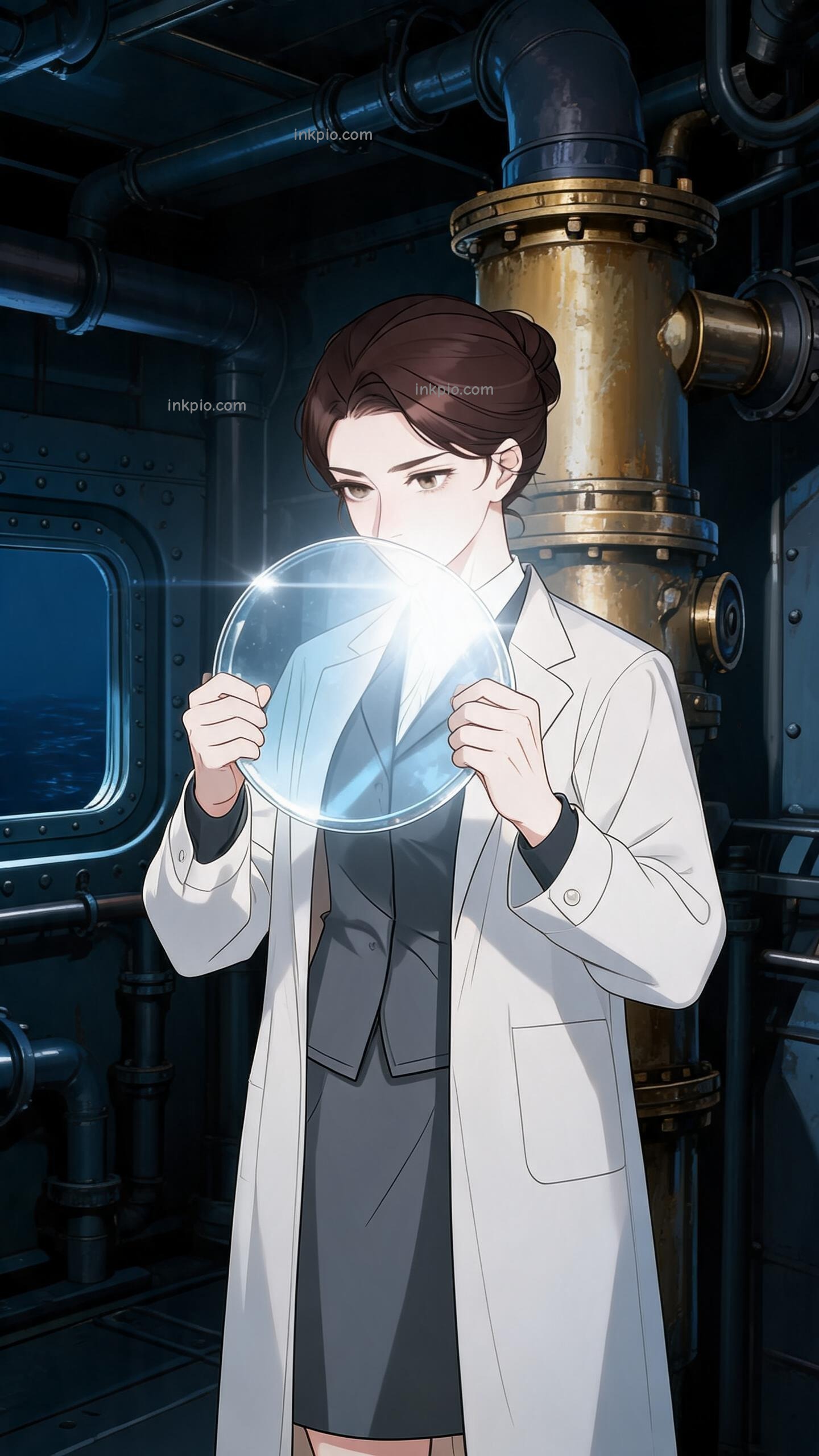
His conviction rested on a simple, radical promise. In interviews and lectures, he distilled his complex math into a single image: "If we can make glass as pure as water, we can send light across the ocean." It was not just a technical specification. It was a vision of connectivity that defied the limits of the era. He imagined a world where distance no longer meant silence.
Years later, glassmakers finally learned to bake out those last traces of iron. They achieved the purity Kao had demanded. The theoretical thread became physical reality. Today, hair-thin strands of ultra-pure glass wrap around the globe, carrying voices and images at the speed of light. We tap our screens, sending messages across continents without thinking of the medium. But somewhere in the deep, dark ocean, a beam of light bounces endlessly through glass as clear as water. It travels because one man refused to let the light die.