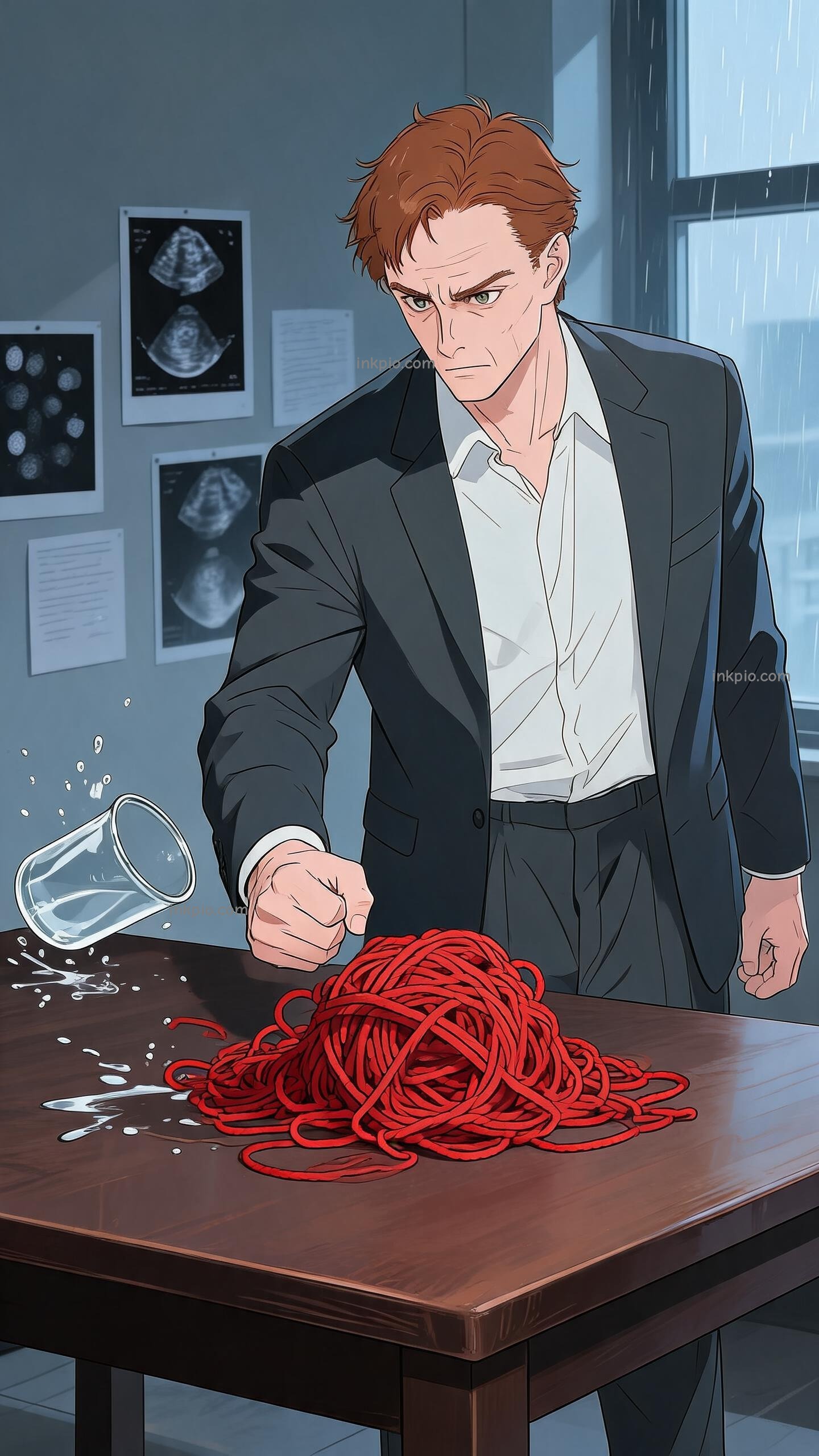
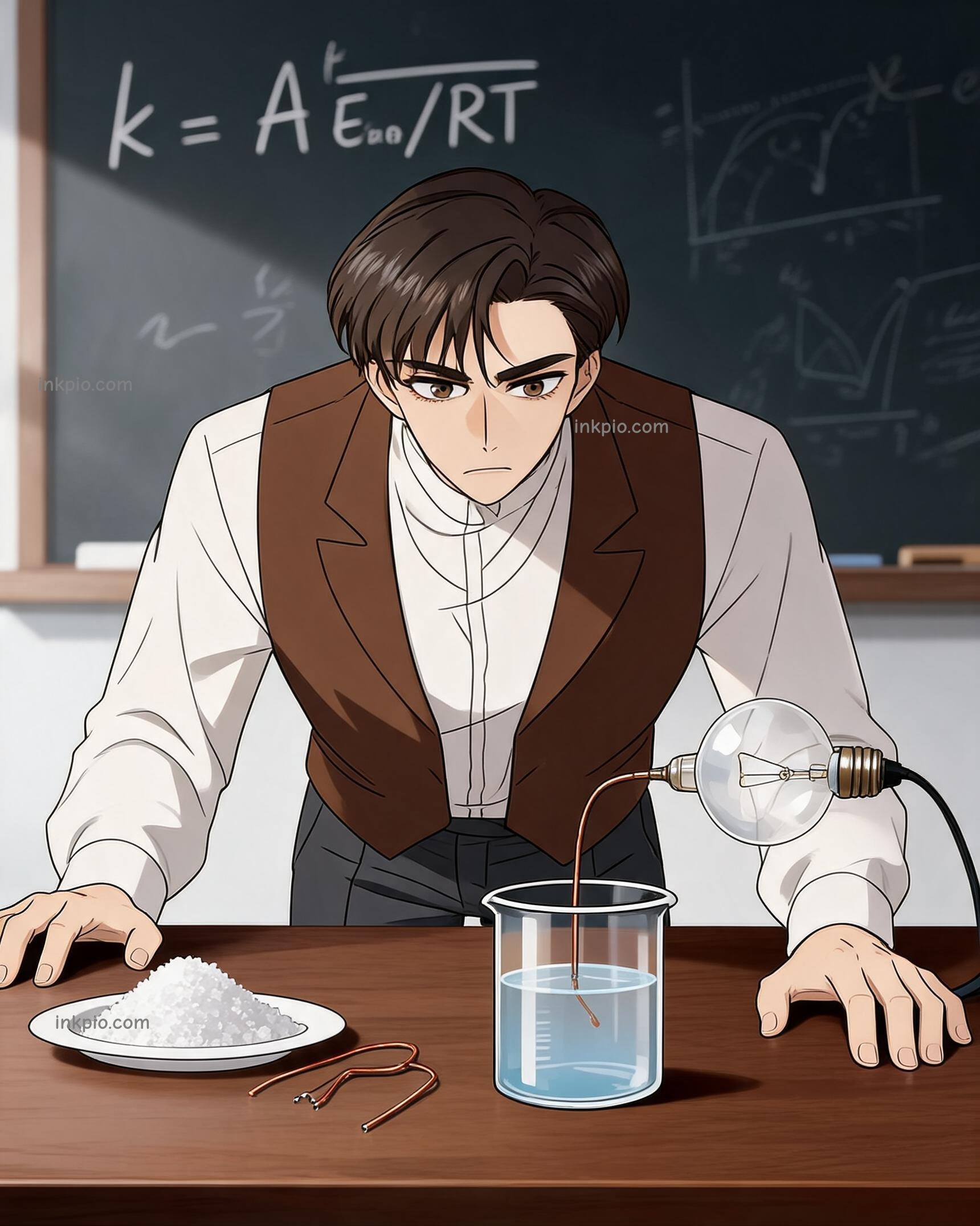

The copper wire touched the pile of dry salt, and the room remained silent. No spark. No heat. Just the cold, inert weight of a crystal that refused to give up its secrets. But when that same wire dipped into the glass of brine, a sharp snap echoed in the quiet lab. A spark jumped the gap. The bulb flickered, then glowed with a faint, stubborn light.
In 1884, this simple contradiction kept Svante Arrhenius awake while the rest of Uppsala slept. The established order of chemistry was rigid: molecules were indivisible units, glued together by forces that water could not break. Yet here was water, doing the impossible. It seemed to unlock electricity from a dead stone. Svante stared at the dark bulb on his desk, feeling a familiar tightening in his chest. He wasn't just curious; he was isolated. To see what others missed was to stand alone against them.
He wrote his thesis with a trembling hand, proposing that salt did not wait for electricity to act. It tore itself apart the moment it hit water. He called it electrolytic dissociation. When the faculty at Uppsala read his work, they didn't see genius. They saw heresy. They handed the paper back with the lowest passing grade legally possible, their faces tight with disapproval. "This breaks every law we know," one professor said, not unkindly, but with finality. They told him his idea was physically impossible.
Svante didn't argue. He didn't raise his voice or slam the door. He simply packed his notes, the paper heavy in his satchel, and walked down the long, echoing hallway. The silence of the corridor matched the silence in his mind. He returned to his lab bench, not to fight, but to watch. He needed to see the truth with his own eyes, even if no one else would believe it.
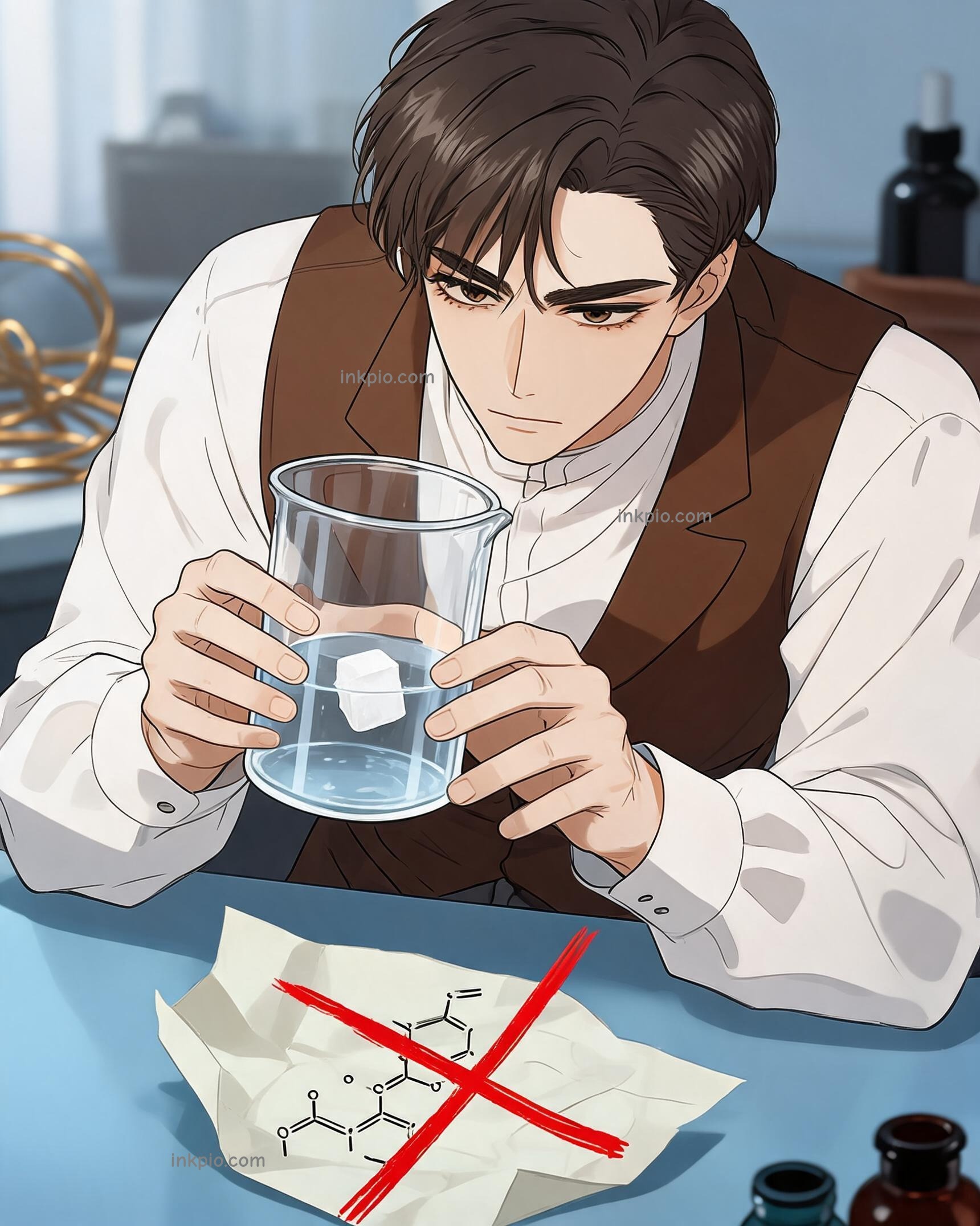
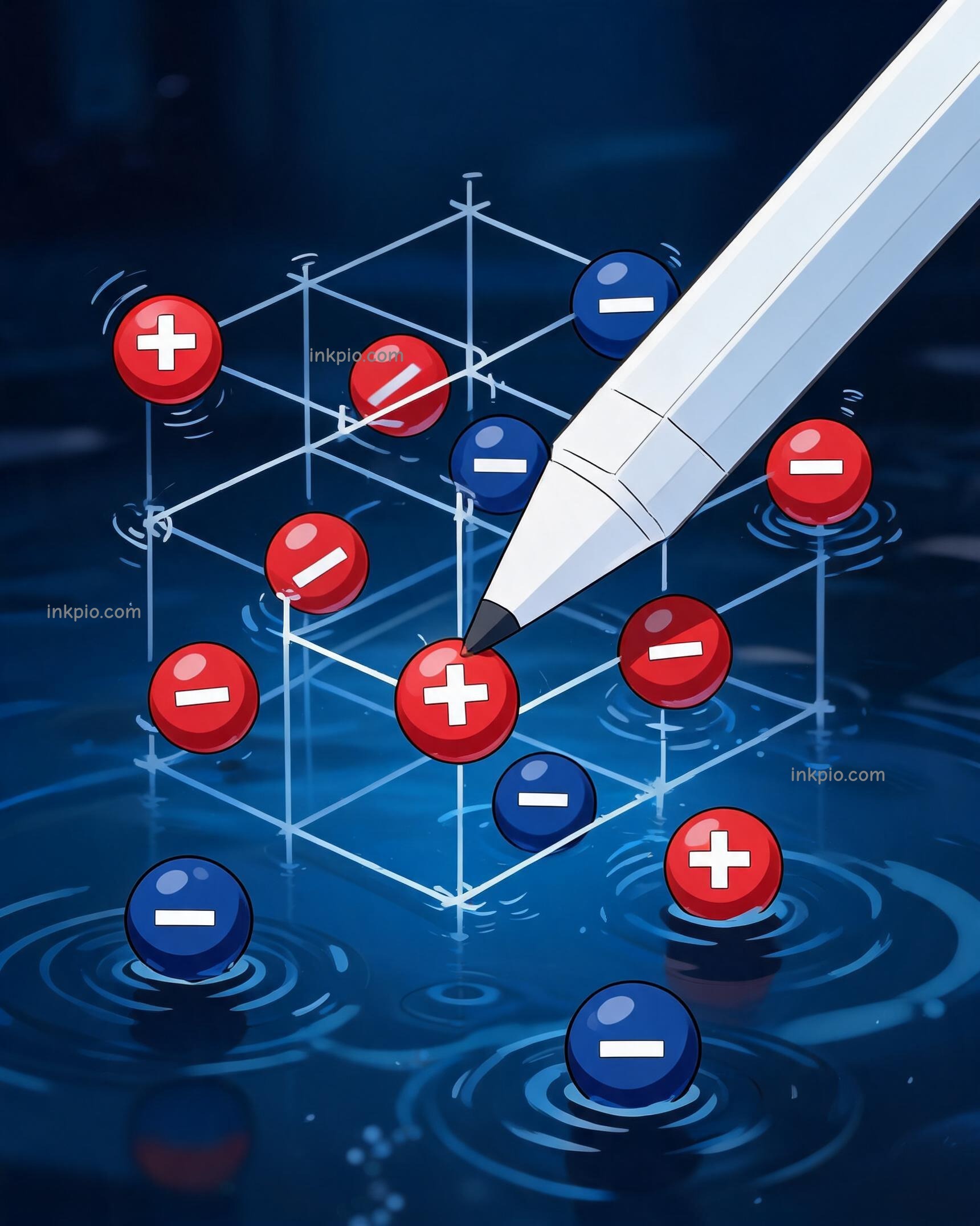
He dropped a single white shard of salt into a beaker of clear water. He leaned in close, his breath held, watching the crystal vanish. It didn't wait for a current. As soon as the water touched the rigid structure, it began to pry the atoms apart. The water molecules grabbed the salt, pulling it into a swarm of free-floating charged specks. These ions drifted in the liquid, invisible and chaotic, waiting for a direction.
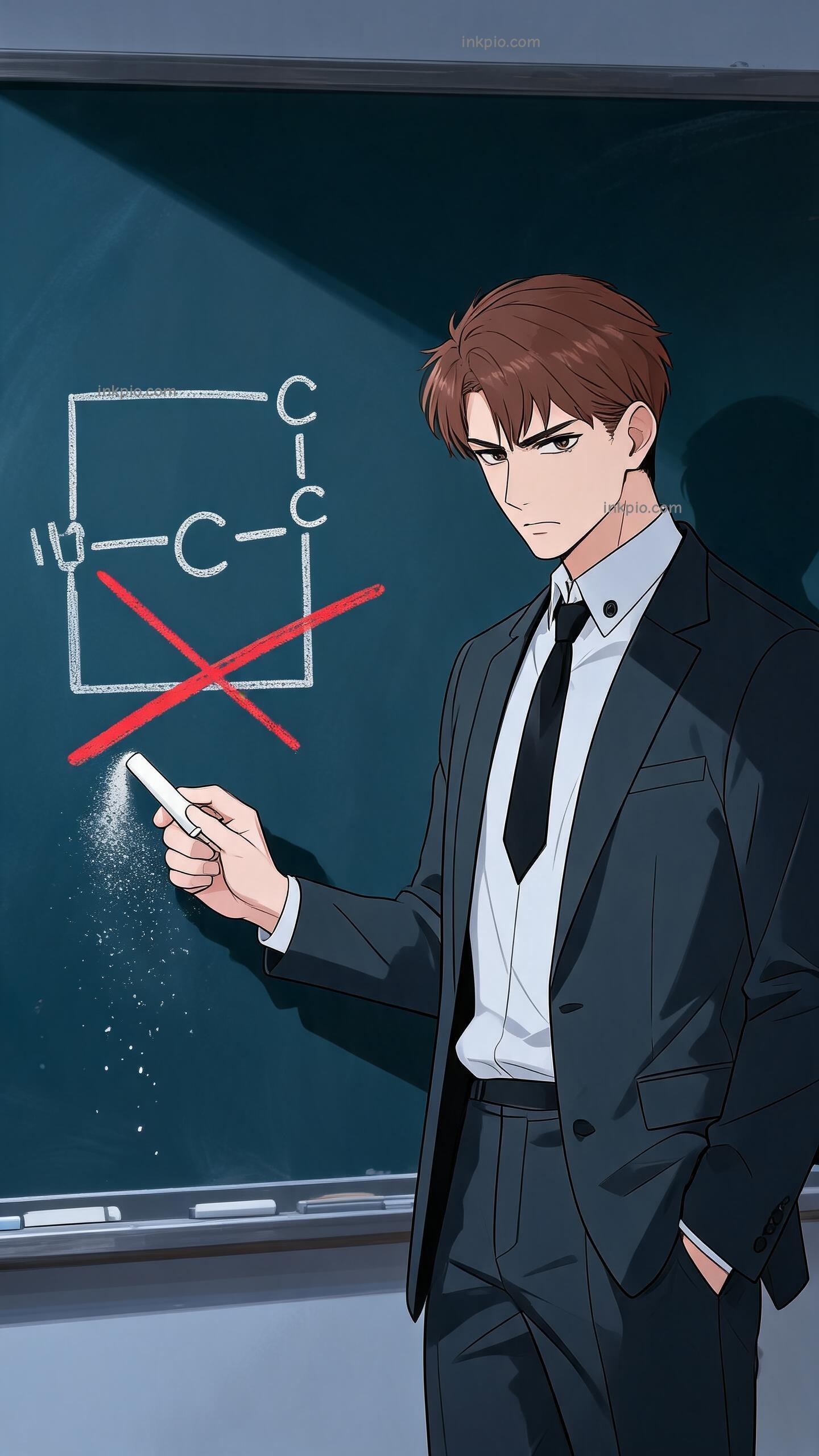
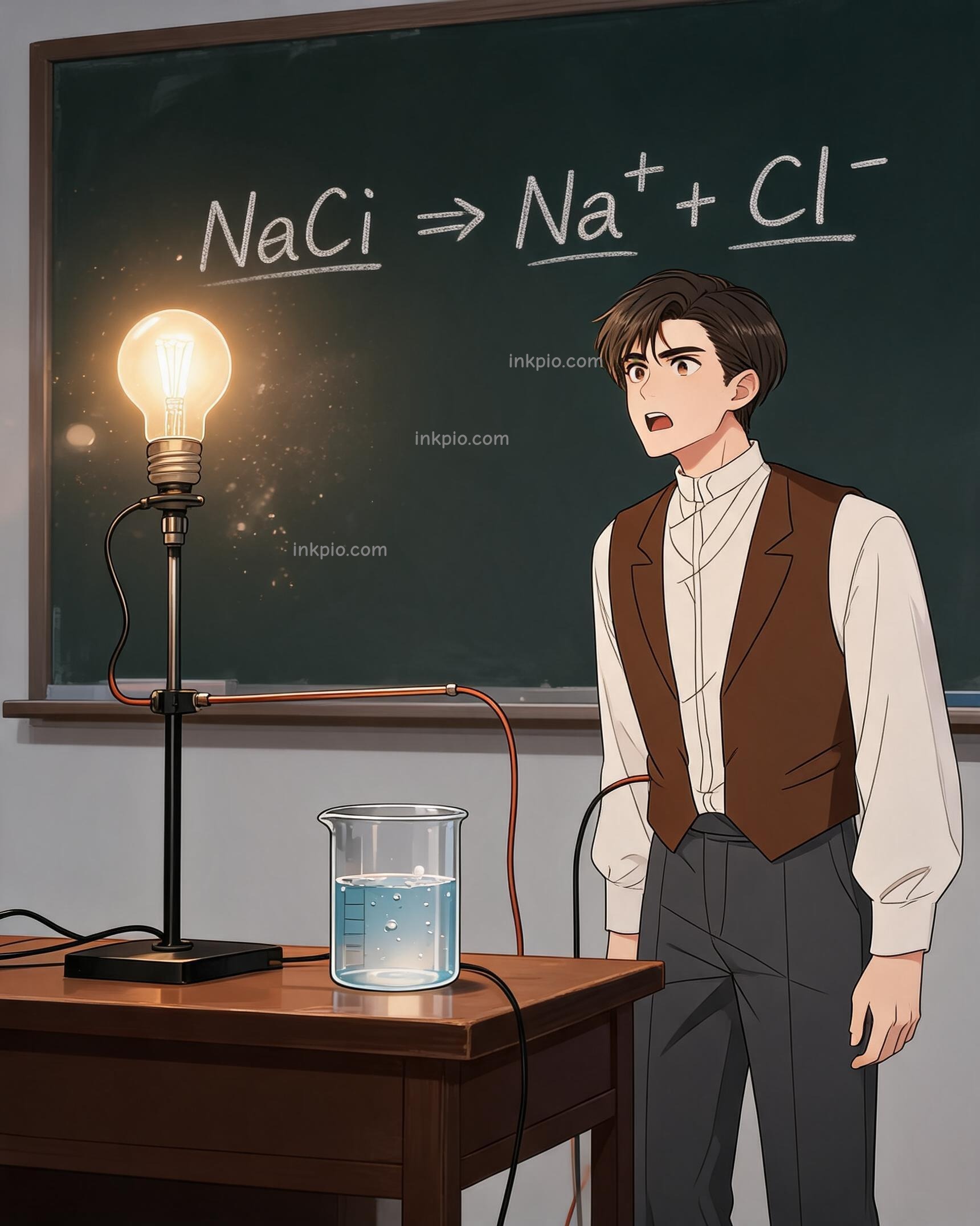
On a scrap of paper, Svante sketched a new diagram. Positive and negative particles, wandering independently. He connected the wires. The moment the circuit closed, those loose charges rushed toward the opposite electrodes. They completed the path. The dull bulb suddenly glowed warm in the dim room, casting long shadows against the walls. The math on his chalkboard—a simple line showing salt splitting into two drifting charges—finally matched the spark. It explained why the solution carried power. It hinted at how nerves sent signals through the body. The invisible had become visible.
Years passed. The same professors who had dismissed him now watched from the audience as he stood before the Swedish King. In 1903, Svante Arrhenius accepted the Nobel Prize in Chemistry. The theory that had earned him a barely passing grade was now the foundation of modern electrochemistry. The applause was loud, but Svante remembered the quiet of that lab. He remembered the loneliness of being right when the world said you were wrong.
Back in the empty lab, the equipment sat still. The beaker was clean. But the air felt different, charged with the knowledge that beneath every calm surface, there is a swarm of activity. The bulb stayed lit long after he left the room, a small, steady beacon in the dark, proving that even when things look solid and still, they are often falling apart to let the light through.