
The ledger on Jay McLean’s desk was not just a record; it was a graveyard of names. In 1916, Johns Hopkins Hospital witnessed a cruel pattern: patients survived the surgeon’s knife, only to die days later in their beds. Their blood had turned against them, solidifying into silent plugs within their veins. For Jay, a medical student, these were not abstract statistics. They were faces he had seen walking the halls, now gone because science had no answer for the clotting cascade. The silence in the ward after a failed recovery felt heavier than the noise of the operating room.
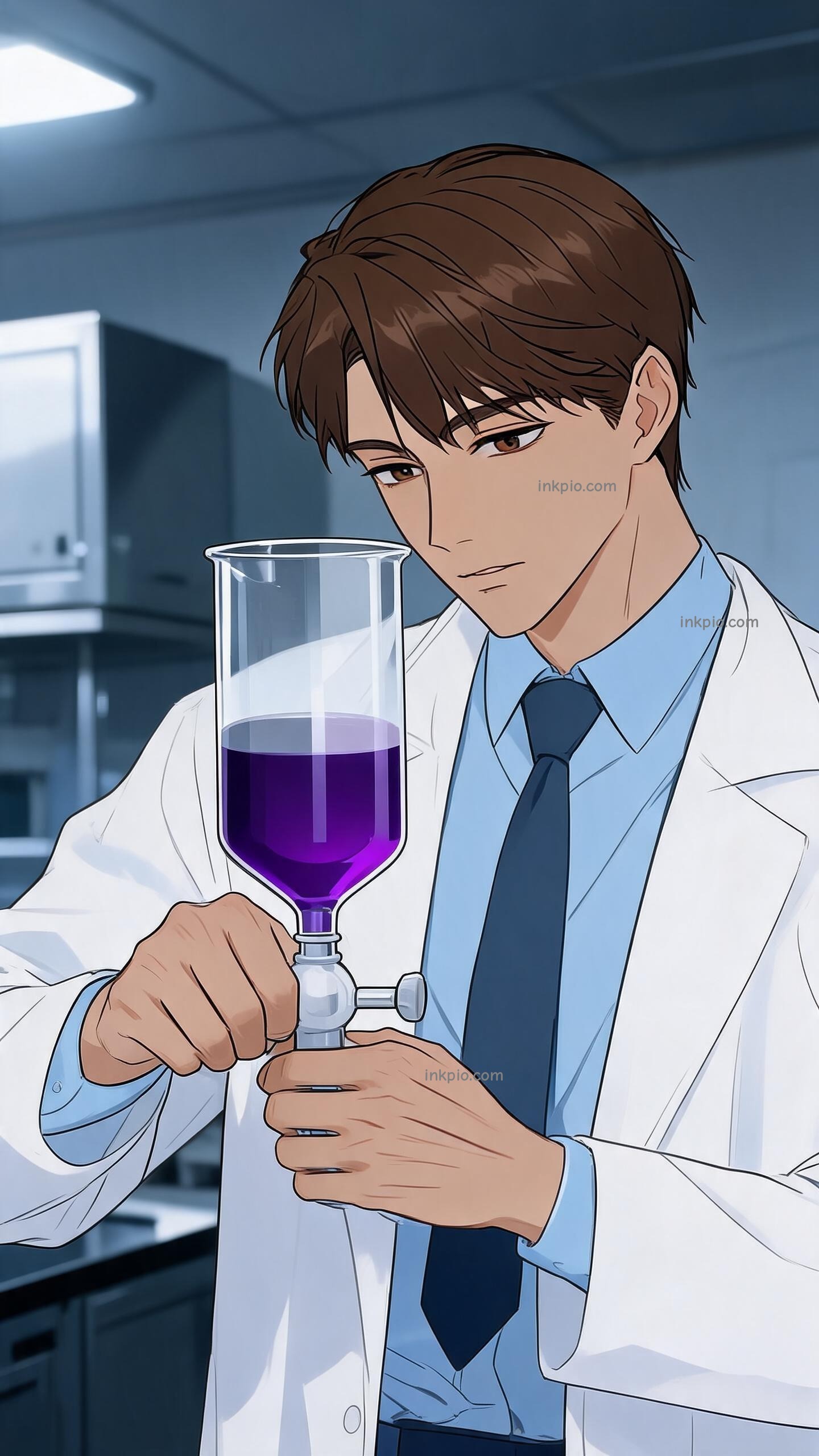
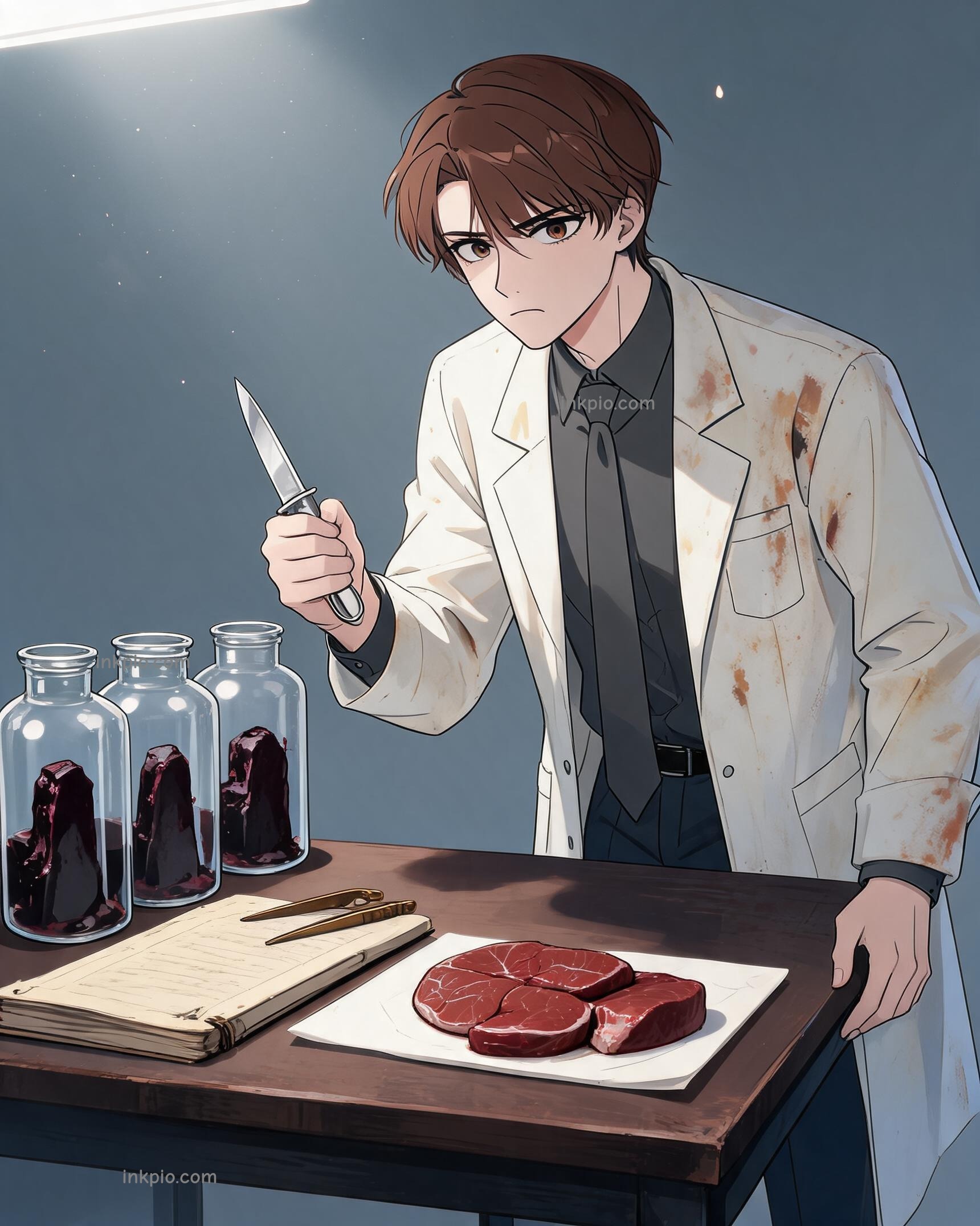
Jay became obsessed with mapping this invisible killer. He believed that if he could isolate thromboplastin—the substance known to trigger clotting—he could understand the mechanism of death. His goal was control. He spent long nights in the laboratory, the smell of organic solvents clinging to his clothes, grinding fresh canine liver tissue into a fine paste. He worked with a quiet desperation, washing the tissue to pull out the active compounds. He imagined the clotting process as a row of dominoes tipping over. He needed to find the hand that pushed the first tile.
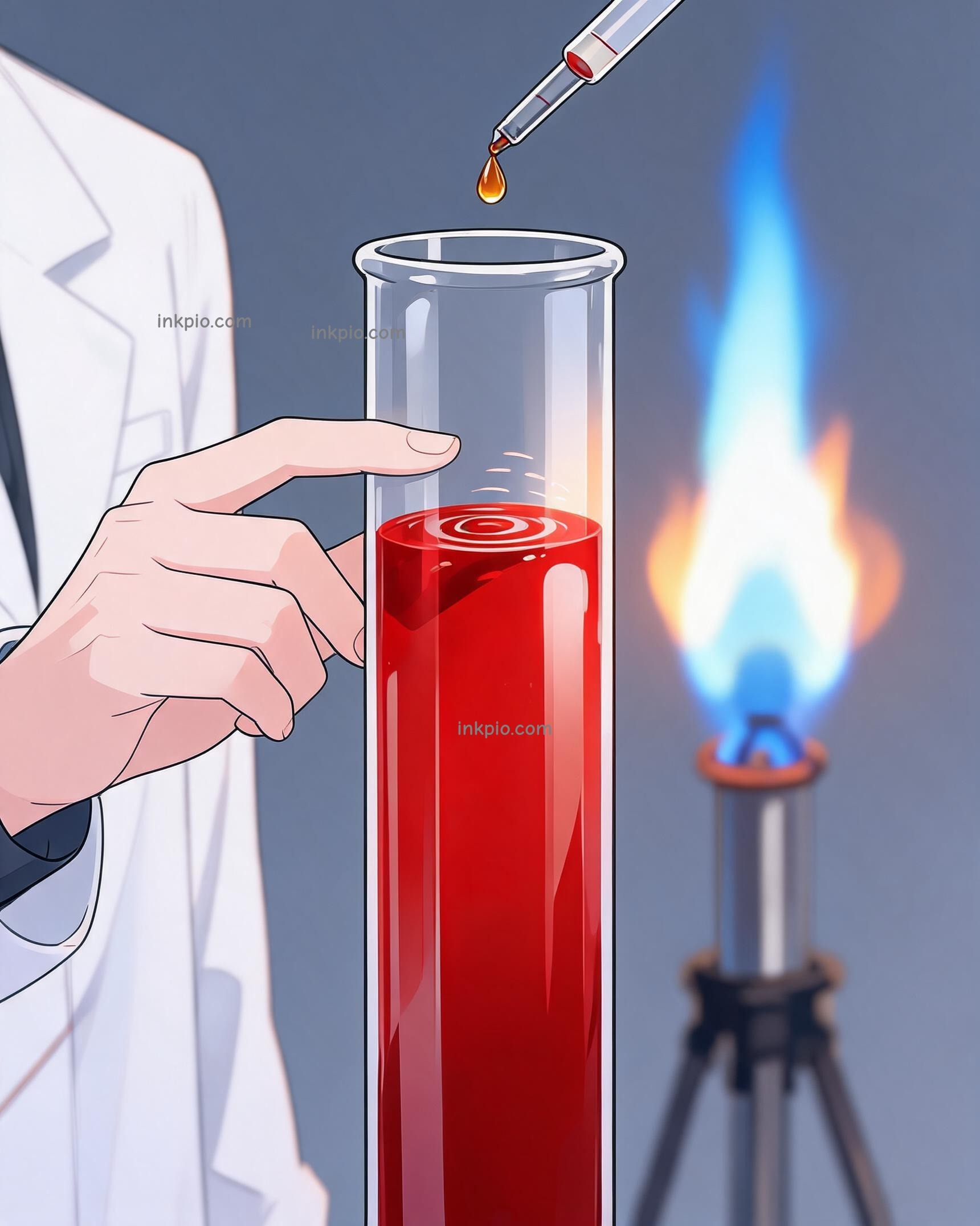
The extraction process was meticulous. Jay used solvents to separate the components, expecting to capture the agent that hardened blood. But when he drew a drop of the resulting amber phosphatide into a pipette and let it fall into a vial of fresh blood, nothing happened. The red fluid did not thicken. It did not clot. It simply sat there, stubbornly liquid. Jay stared at the vial, waiting for the familiar cloudiness of coagulation. It never came. Confusion washed over him, followed by a strange, cold fascination. Had he failed? Or had he found something else entirely?
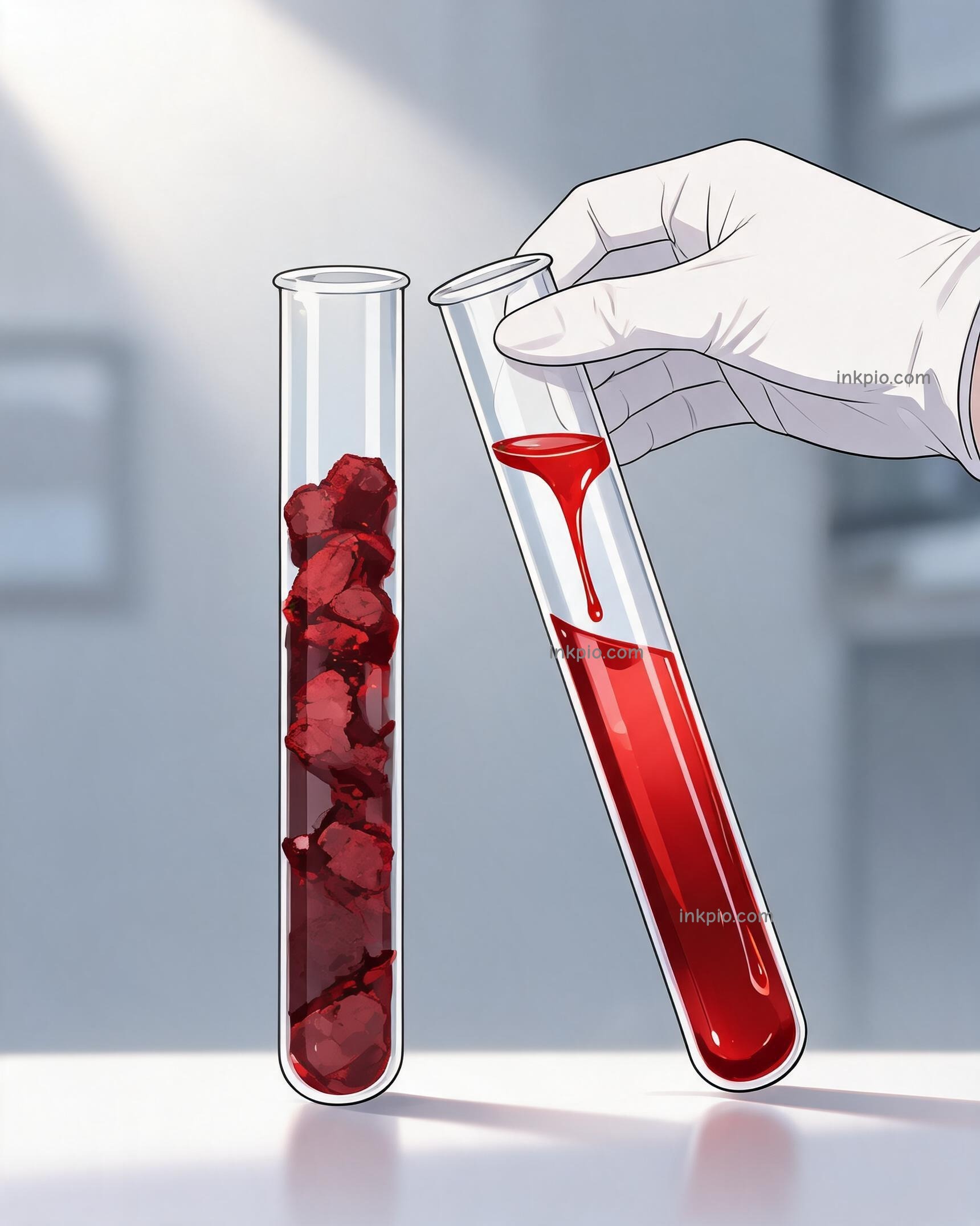
He ran the purification process again, separating the active fraction from the tissue sludge with renewed care. Each time he mixed the extract with a new sample, the result was the same. The clotting cascade froze. He tilted the vial, watching the blood slide smoothly down the glass wall. It ignored every biological signal to solidify. In that moment, the laboratory air seemed to still. Jay realized he had not found the accelerator he sought. He had accidentally built a chemical brake. The fear of failure vanished, replaced by the weight of possibility. This liquid could stop the dominoes from falling.
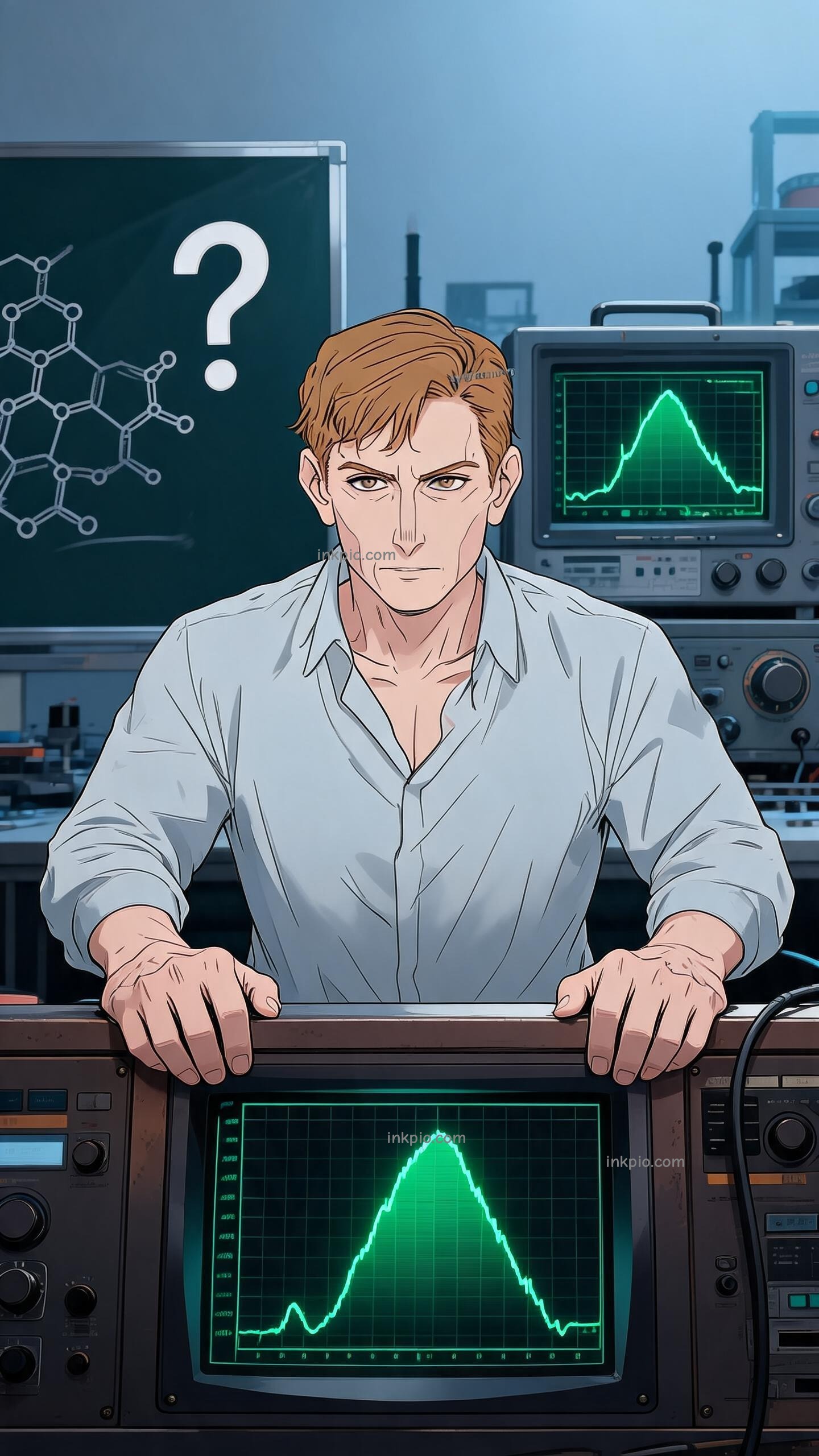
Jay brought the vials to his mentor, William Howell. The older physiologist examined the samples with a critical eye, then a growing intensity. Howell recognized the implication immediately. This was not just a laboratory curiosity; it was a key to unlocking safe surgery. In 1918, Howell named the substance 'heparin,' deriving the term from the Greek word for liver. But in 1916, in that quiet lab, it was simply proof that the runaway clot could be halted before it reached the lungs or brain.
The discovery did not bring immediate fanfare. It brought a slow, dawning relief. Surgeons suddenly had a tool to keep blood moving through repaired vessels, turning a fatal complication into a manageable risk. Jay wiped down the glassware, the amber residue gone, but the image of the flowing blood remained etched in his mind. He thought of the names in the ledger. They would not have to be added to anymore. The silent killer had met its counterweight. As he left the lab that night, the city outside seemed less hostile. Somewhere, a patient would sleep safely, their blood flowing freely, unaware of the quiet revolution in a test tube.