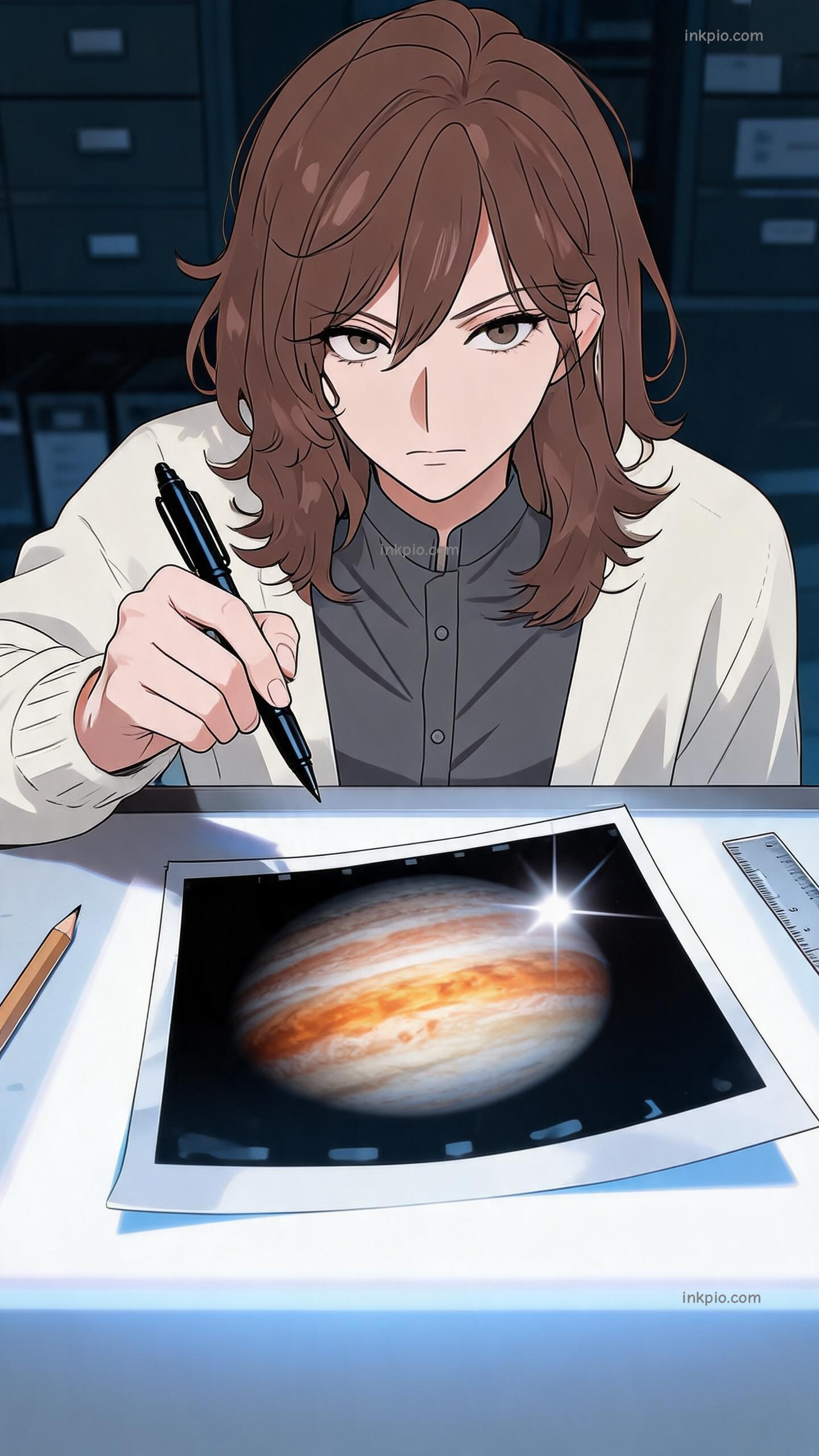




The air in the Chicago laboratory tasted of stale coffee and impending failure. It was 1944, and the Manhattan Project did not have the luxury of patience. Glenn Seaborg stared at the periodic table pinned to the wall, but he didn’t see a triumph of order. He saw a lie.
His team had been working around the clock, their eyes red-rimmed from sleepless nights, trying to isolate plutonium and americium. Every separation attempt ended in a muddy, useless sludge. The chemistry refused to cooperate. According to the established laws of science, these heavy elements belonged in the transition metal block, behaving like iron or nickel. But they acted like strangers in a familiar room, refusing to follow the rules.
The pressure was physical. If they couldn’t purify the plutonium, the bomb project stalled. Careers would end. The war effort would stumble. Seaborg felt the weight of every failed beaker like a personal accusation. He wasn't just fighting chemistry; he was fighting the authority of the most famous chart in science.
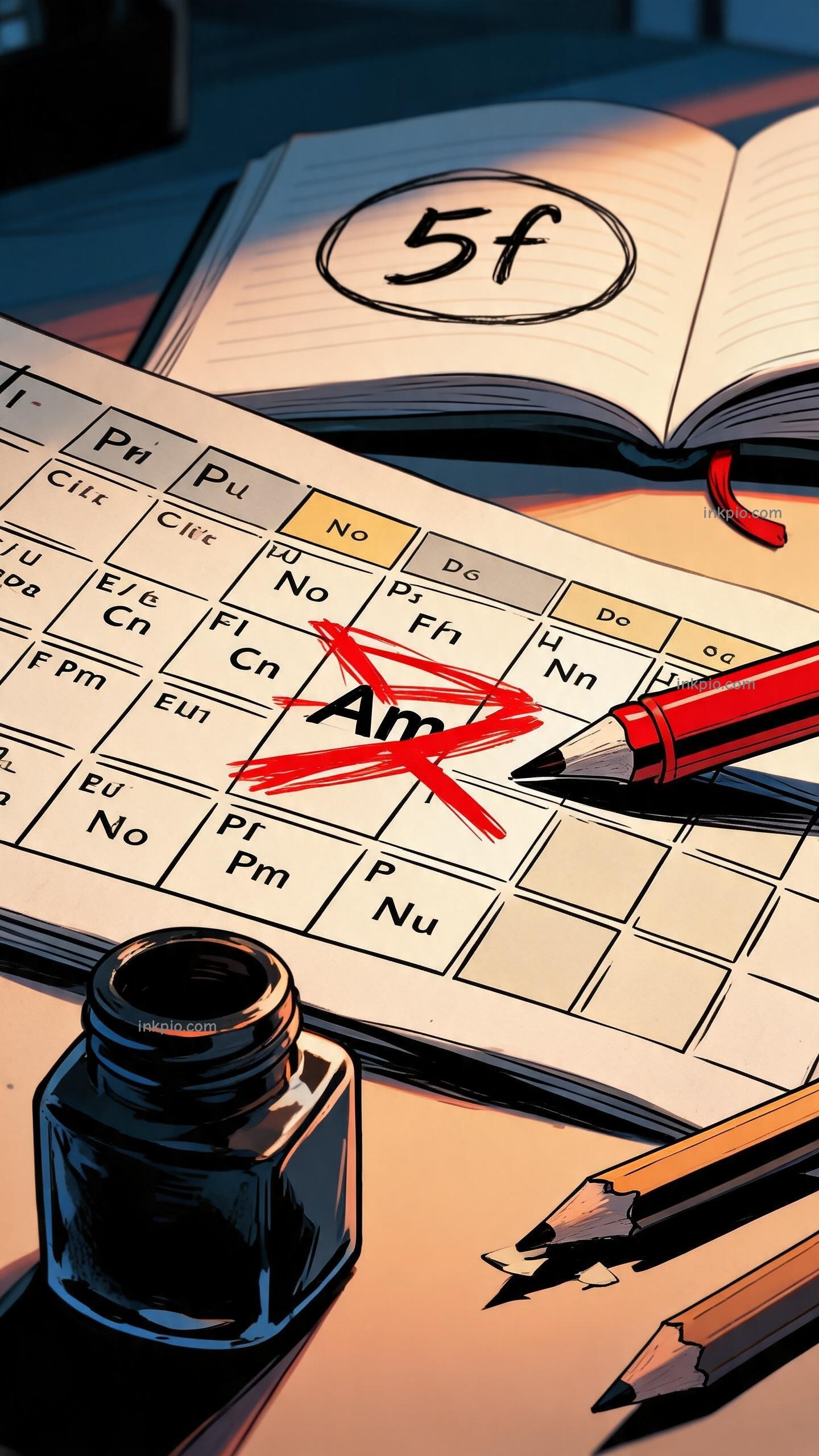
He looked at the lanthanides, that quiet row tucked at the bottom of the table. They filled the 4f electron shell, hidden away because their chemistry was too similar to distinguish easily. Then he looked at his problematic heavy elements. They were filling the 5f shell. The pattern was there, screaming to be seen, but the map denied it.
Seaborg realized the table wasn't just incomplete; it was structurally wrong for these elements. It forced square pegs into round holes. He needed to break the map to save the mission.
He reached for a printed copy of the periodic table. His hand didn't shake, but his heart hammered against his ribs. This was heresy. To alter Mendeleev’s legacy was to invite ridicule. But the data was undeniable. He picked up a pair of silver scissors.
The sound was sharp in the quiet lab. Snip.
He cut a horizontal slit below the main body of the table. With a deliberate pull, he dragged the bottom row down, creating a new, separate line. He placed the actinides directly beneath the lanthanides. The paper tore slightly, a small wound in the dogma.
Suddenly, the chaos made sense. In this new configuration, the elements weren't erratic transition metals. They were part of a 5f transition series, analogous to the 4f lanthanide series. The prediction was immediate and precise: they would exhibit a +3 oxidation state.
A young assistant watched from the doorway, holding a tray of clean glassware. He didn't speak. He just watched Seaborg trace the new line with a finger. The tension in the room shifted from panic to a fragile hope. If Seaborg was right, the separation would work. If he was wrong, they had wasted months.
They ran the experiment again. This time, the chemicals behaved. The plutonium separated cleanly, pure and potent. The bomb project breathed again.
Seaborg set the scissors down. The modified table lay on the bench, the cut still visible, the paper fibers frayed at the edges. It was no longer just a reference chart. It was a testament to the moment when intuition overruled tradition. He didn't frame it. He didn't celebrate. He simply turned back to the bench, knowing that the world had changed, even if the rest of it didn't know it yet.