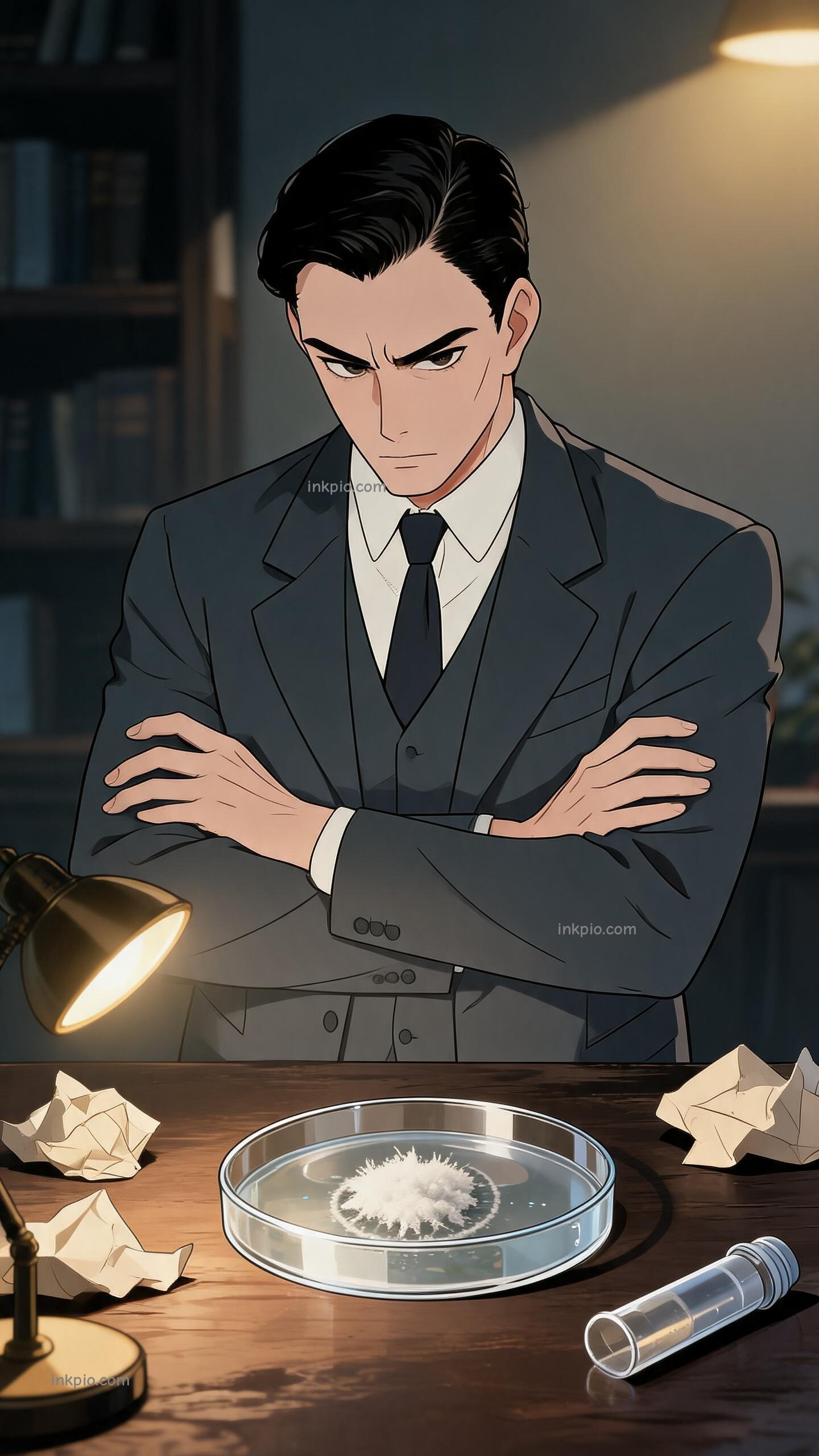

The mold in the glass dish was silent, but its implications screamed. For twelve years, Alexander Fleming’s observation had gathered dust, dismissed as a laboratory curiosity. In 1940, Howard Florey stood in his Oxford lab, staring at that same fuzzy white ring. He wasn’t just curious; he was desperate. The war outside was grinding young men into meat, and infections were killing them faster than bullets. If this amber liquid couldn’t work inside a living body, it was useless. Blood was not a petri dish. It was a chaotic, hostile battlefield.
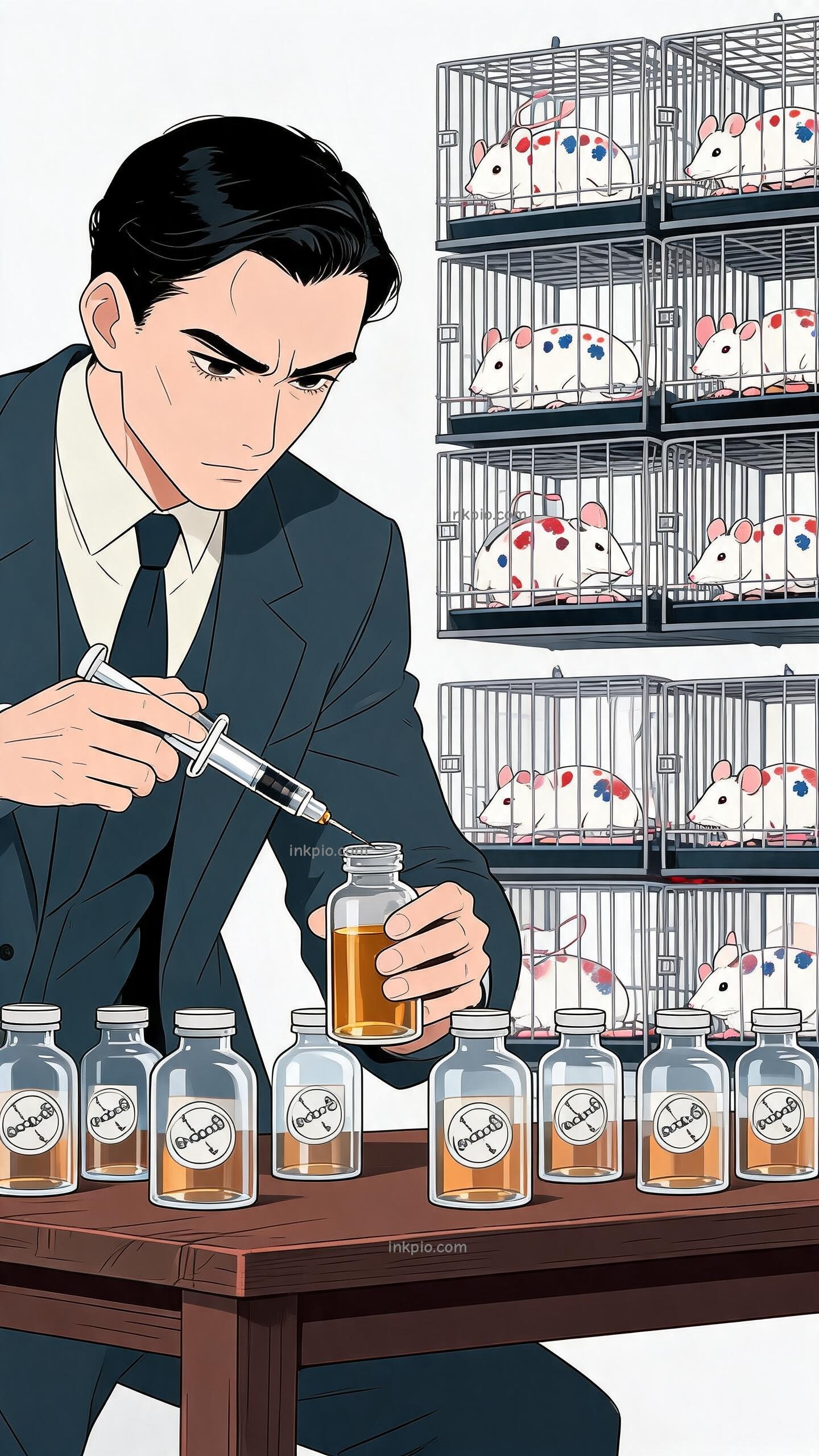
Florey knew the stakes. Failure meant continuing to watch soldiers die from simple scratches. Success meant changing the rules of death itself. He turned to Ernst Chain, his colleague whose own refugee status added a quiet, sharp urgency to their work. They didn’t speak much about the fear. They simply worked. They purified a tiny amount of penicillin, barely enough for a few drops. Then they brought in eight mice. These weren’t just subjects; they were the last barrier between hope and despair.
The procedure was brutal in its simplicity. All eight mice received a lethal dose of streptococcus. The bacteria would multiply, overwhelm their systems, and kill them within hours. Then came the split. Four mice received nothing but saline. The other four received the precious penicillin. Florey watched the injections with a tight jaw. He wasn’t thinking about Nobel Prizes. He was thinking about the four mice that would likely die tonight, and whether the other four would join them.
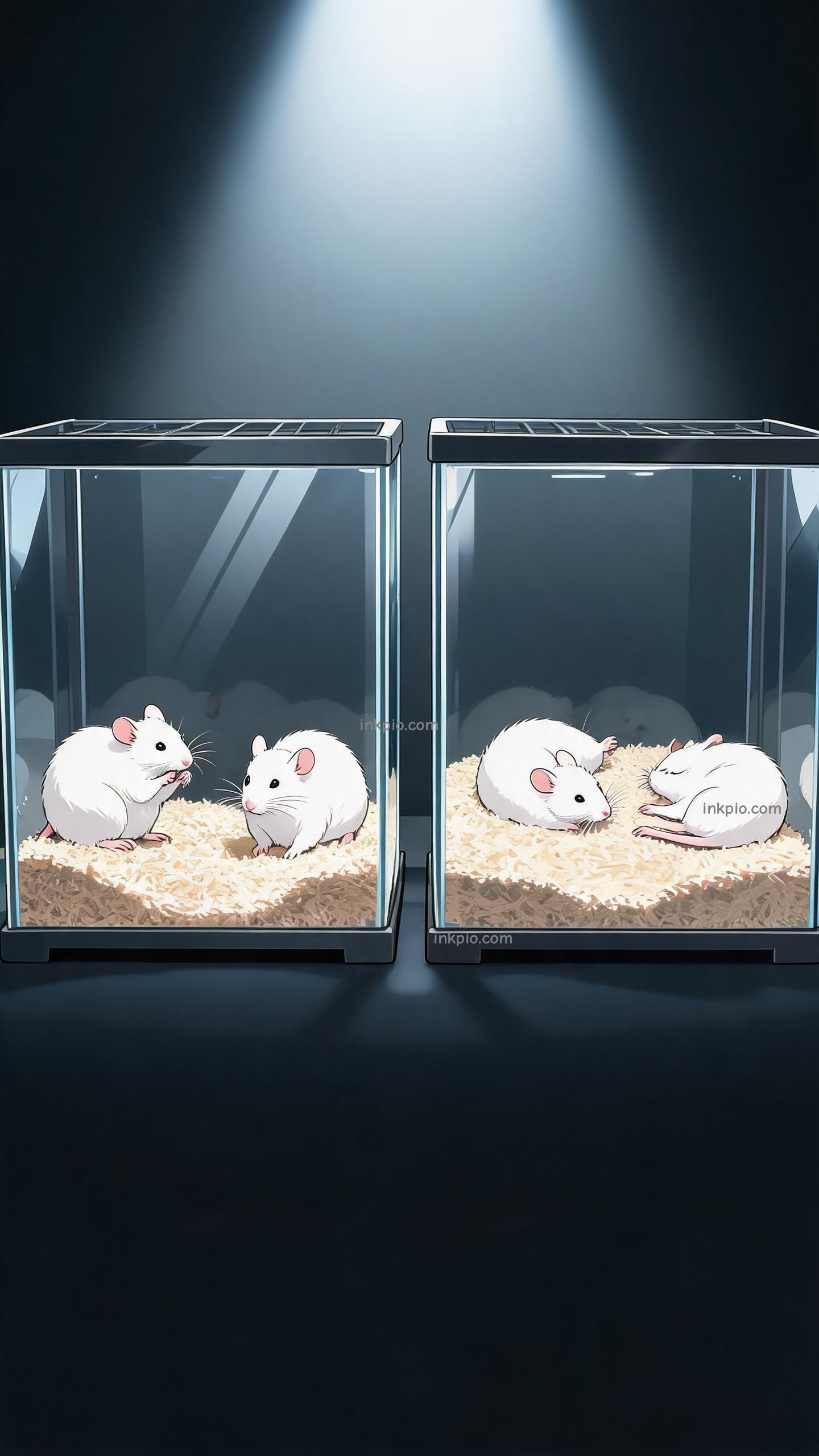
Night fell over Oxford. The lab grew cold. Florey didn’t go home. He sat by the cages, listening to the scratch of claws and the shallow breathing of dying animals. Time stretched. Every minute felt like an hour. He checked the untreated group first. Their movements slowed. Their breathing became ragged. By morning, silence hung heavy in the room. The four control mice lay still, stiff, and cold. Death had done its job.
Then Florey looked at the other cage. His heart hammered against his ribs. He expected stillness. He expected failure. Instead, he saw movement. One mouse stood on its hind legs. Another twitched its whiskers. A third began grooming its fur, casual and alive. They weren’t just surviving; they were thriving. The bacteria that had killed their counterparts were being eaten away, invisible and silent, by the mold extract.
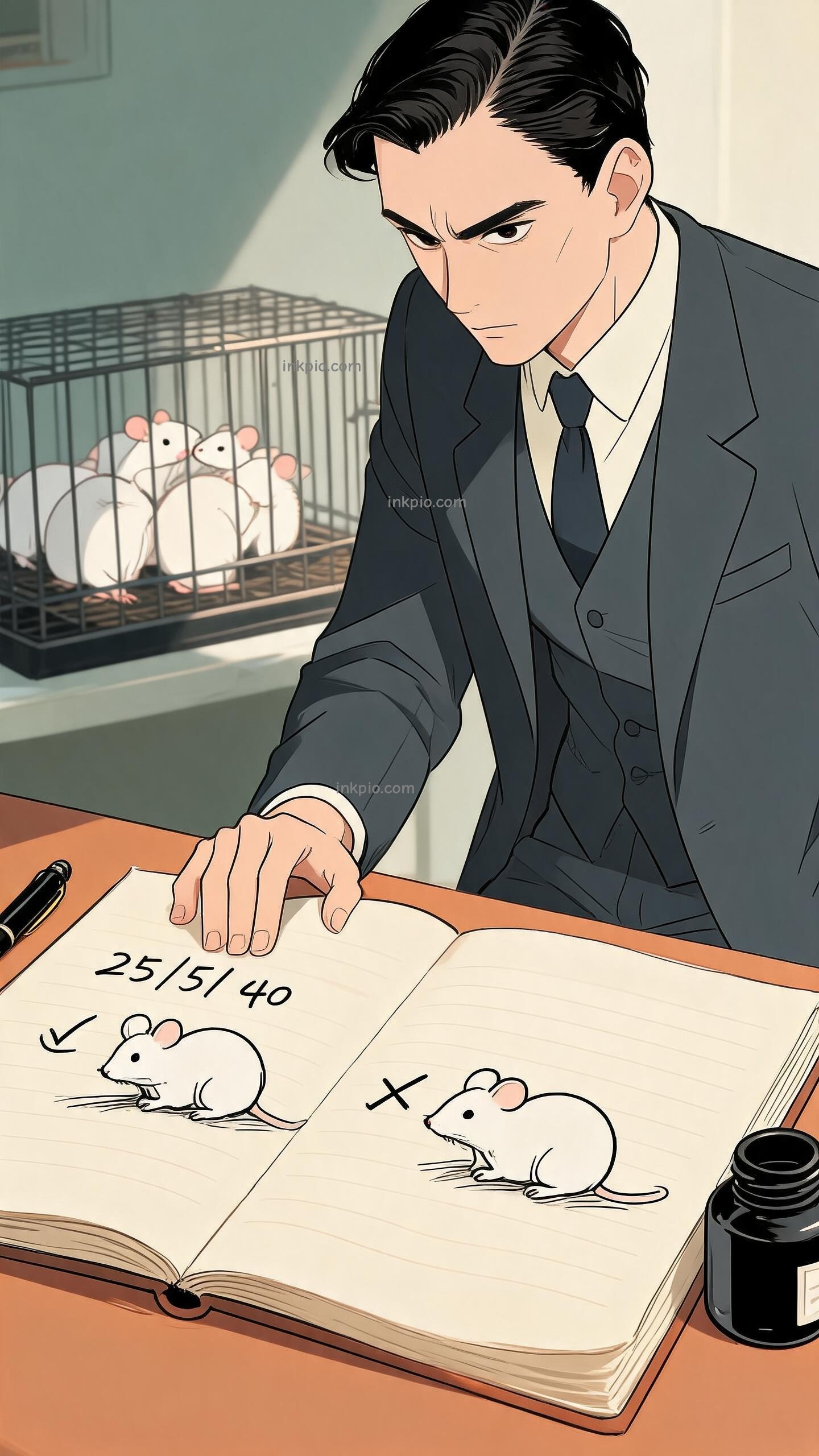
Chain stepped closer, his eyes wide. No words were needed. The contrast was absolute. On one side, death. On the other, life. Florey reached for his notebook. His hand, usually steady, trembled slightly. He wrote the date: May 25, 1940. He noted the results with clinical precision, but his mind raced ahead. This wasn’t just data. It was proof. The mold worked in flesh.
He closed the notebook. The ink was still wet. Outside, the war continued. But in this small, cold room, something had shifted. The impossible had become real. Florey looked at the surviving mice, then at the dead ones. He didn’t smile. He just breathed out, a long, slow exhale that carried the weight of twelve years of doubt. The mice had spoken. Now, the world had to listen.