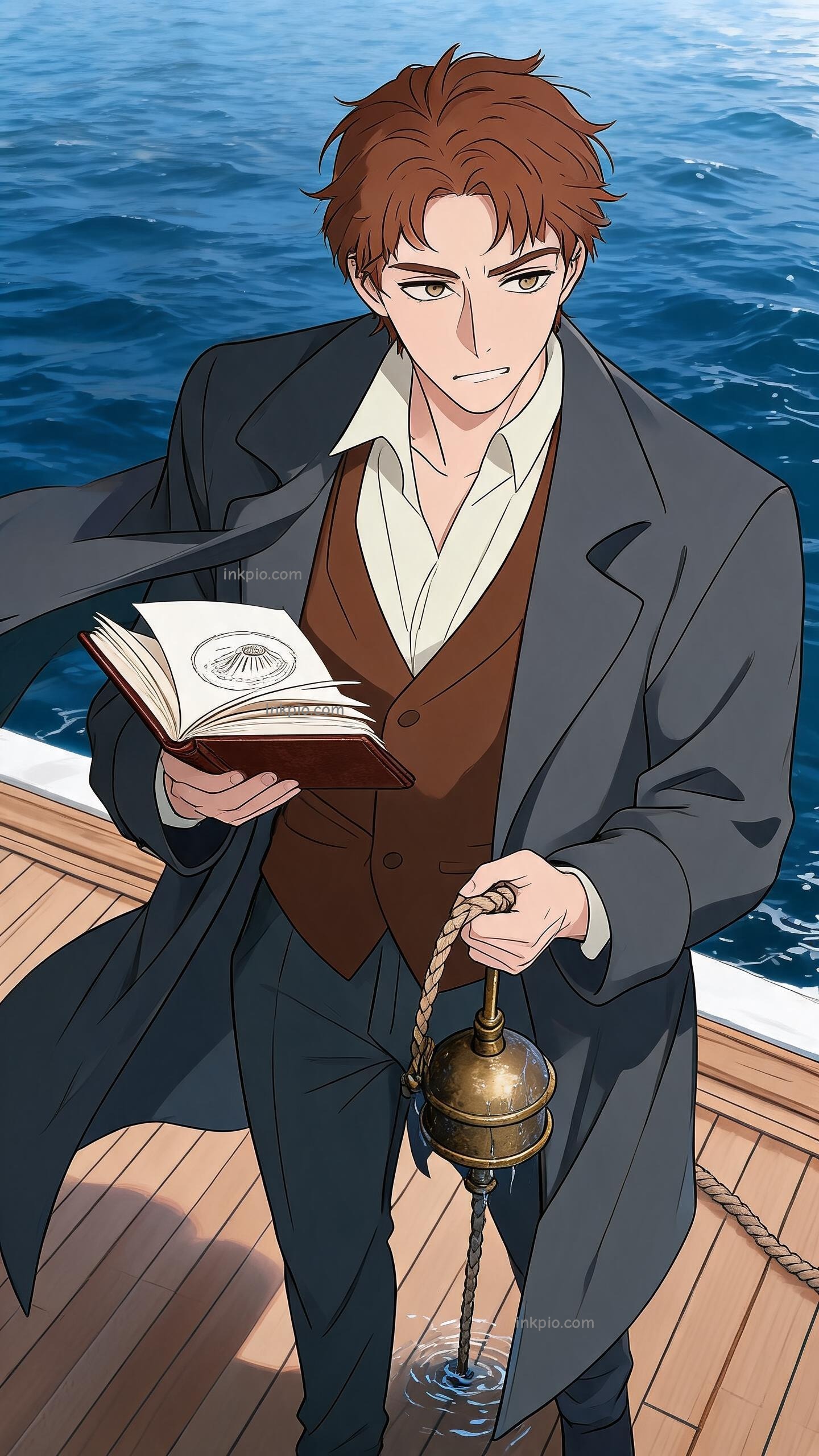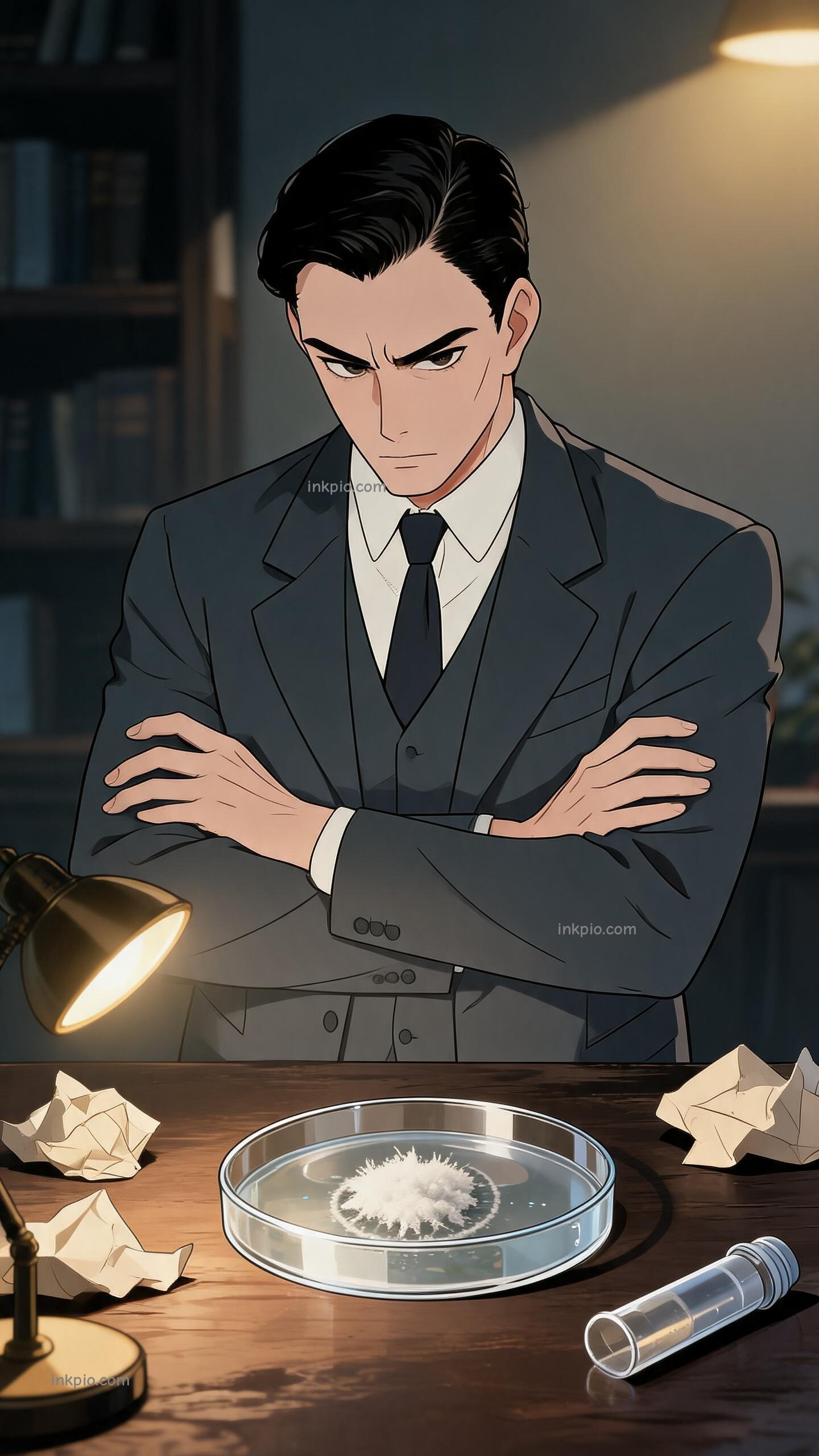
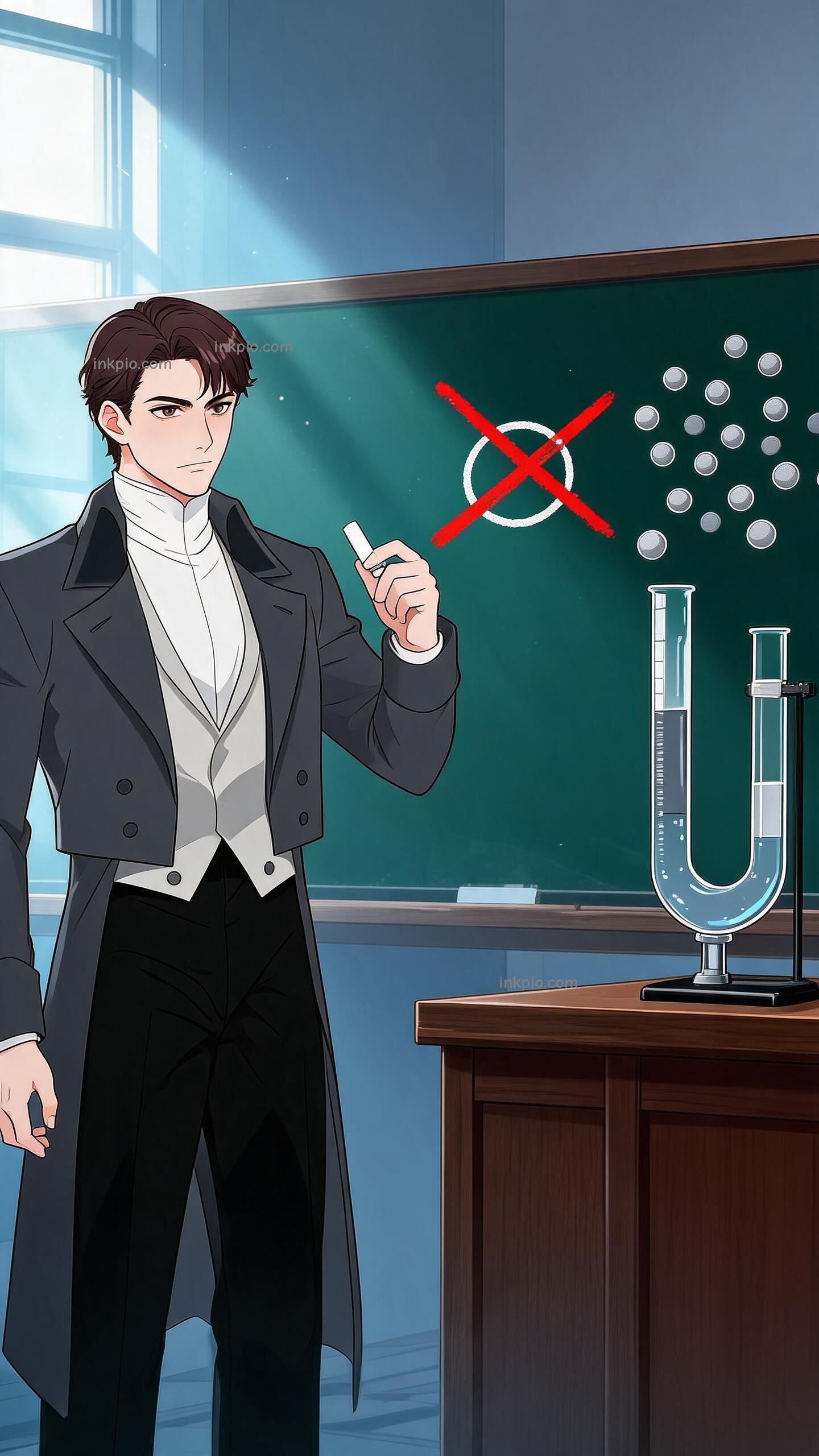
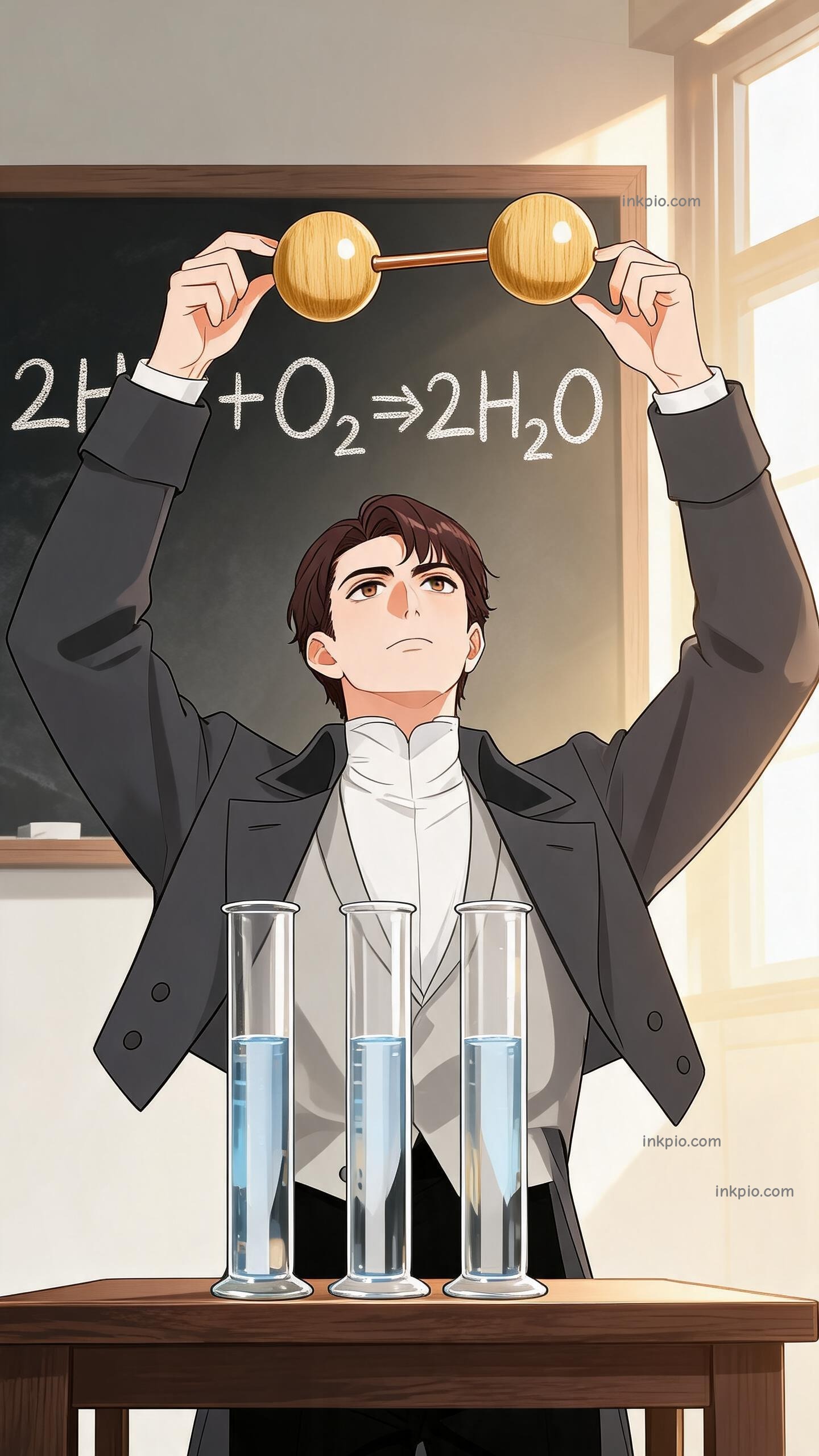

The candlelight flickered across the glass tubes, casting long, wavering shadows against the laboratory walls. Amedeo Avogadro did not blink. He watched the liquid levels settle into a ratio that felt less like a measurement and more like an accusation: two volumes of hydrogen, one of oxygen, yielding exactly two volumes of steam. Gay-Lussac had published these numbers in 1808, and they were irrefutable. The math was clean. The reality, however, was breaking.
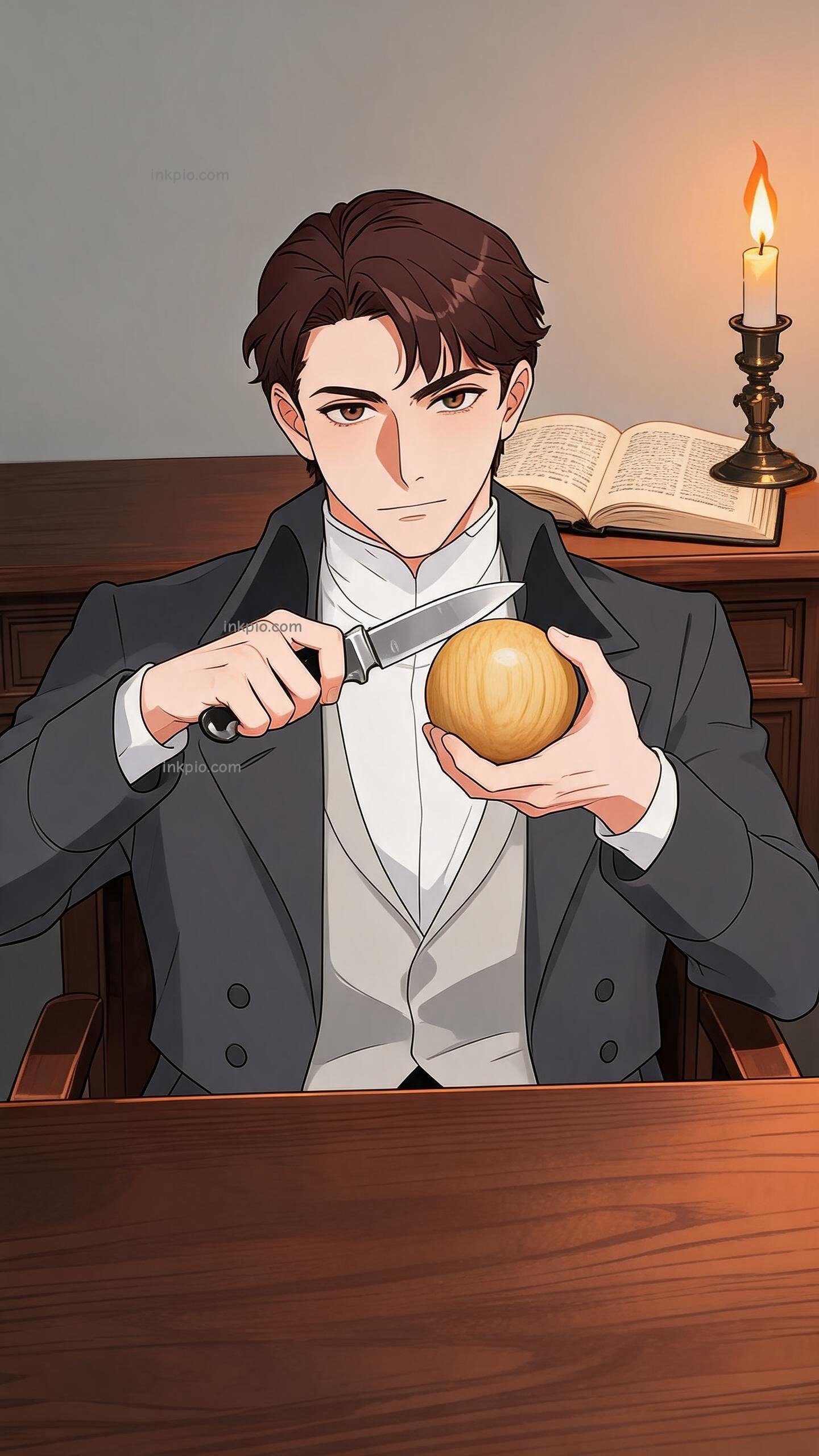
John Dalton, the towering figure of atomic theory, refused to look at the tubes. To Dalton, atoms were solid, indivisible stones—the ultimate building blocks of God’s creation. If two hydrogen atoms and one oxygen atom combined to form two water particles, the mathematics demanded that the single oxygen atom split in half. For Dalton, this was not just a calculation error; it was a physical absurdity. An atom could not be cut. So, he discarded the experimental data. He chose his philosophy over the evidence sitting right in front of him.
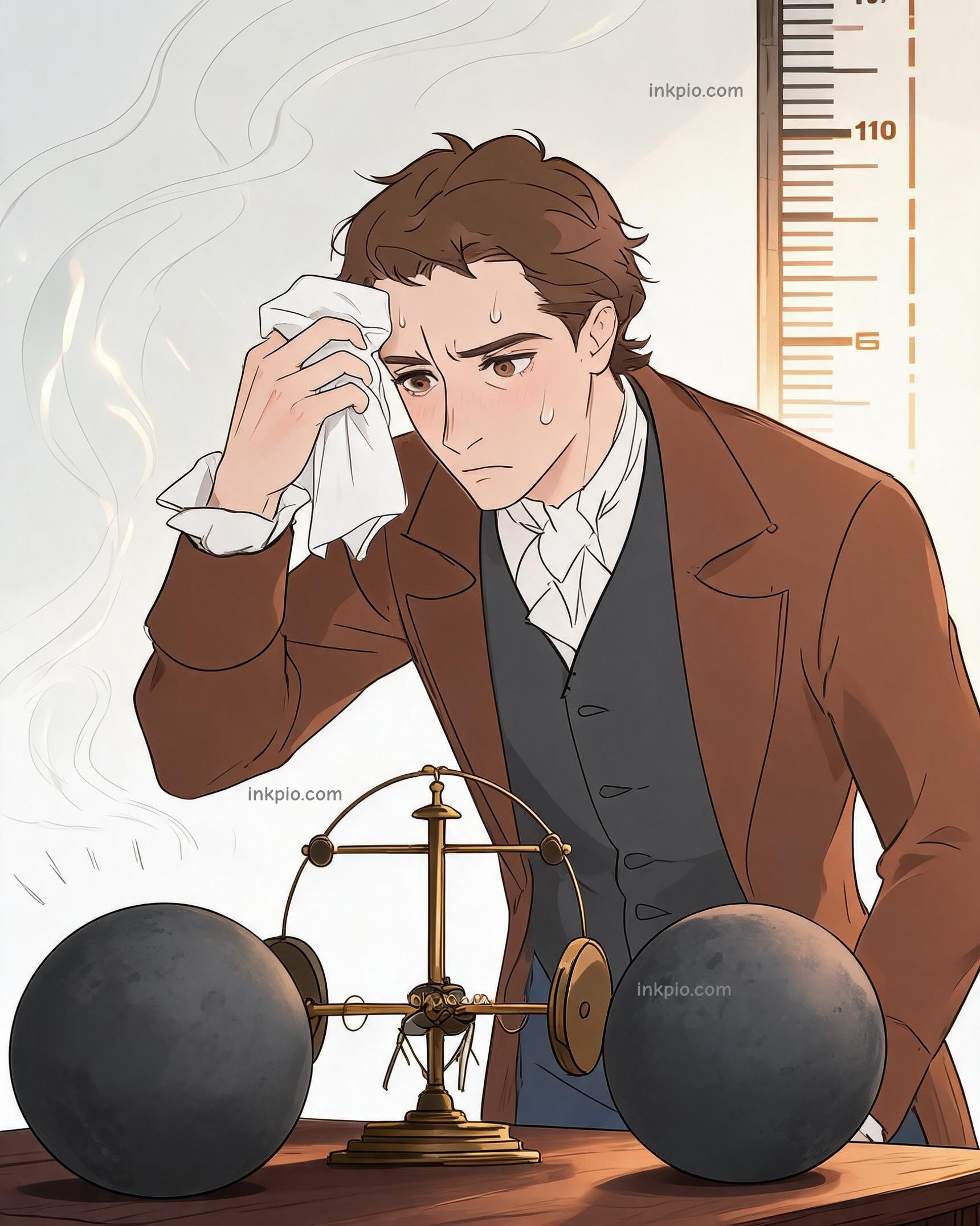
Avogadro sat alone in the silence of Turin, far from the heated debates of Paris and London. He felt the weight of that rejection. It wasn't just about gas volumes; it was about the integrity of matter itself. If Dalton was right, the experiments were lies. If the experiments were right, Dalton’s foundation was cracked. Avogadro rubbed his temples, the headache pulsing behind his eyes. He needed a third path, one that didn't require breaking the unbreakable or ignoring the visible.
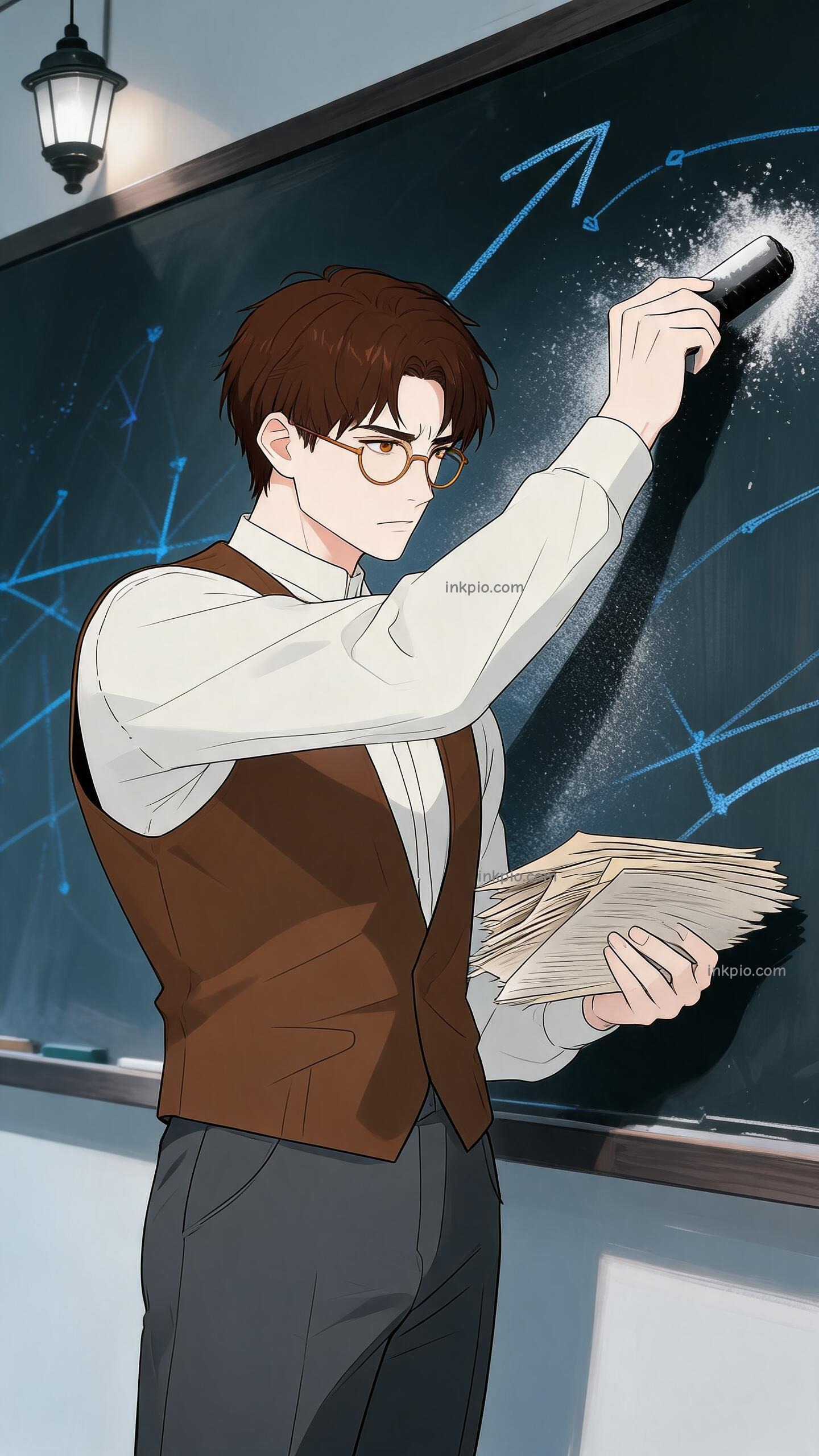
He picked up a piece of chalk, the dust coating his fingertips like dry snow. On the blackboard, he drew a single sphere for hydrogen. Then he stopped. What if the sphere wasn't the smallest unit in the gas? What if the air wasn't filled with lonely, isolated atoms, but with pairs clinging together for warmth? He thought of eggs in a market carton. A baker doesn't crack individual eggs to count them; he handles the cartons. The carton breaks, but the eggs inside remain whole.
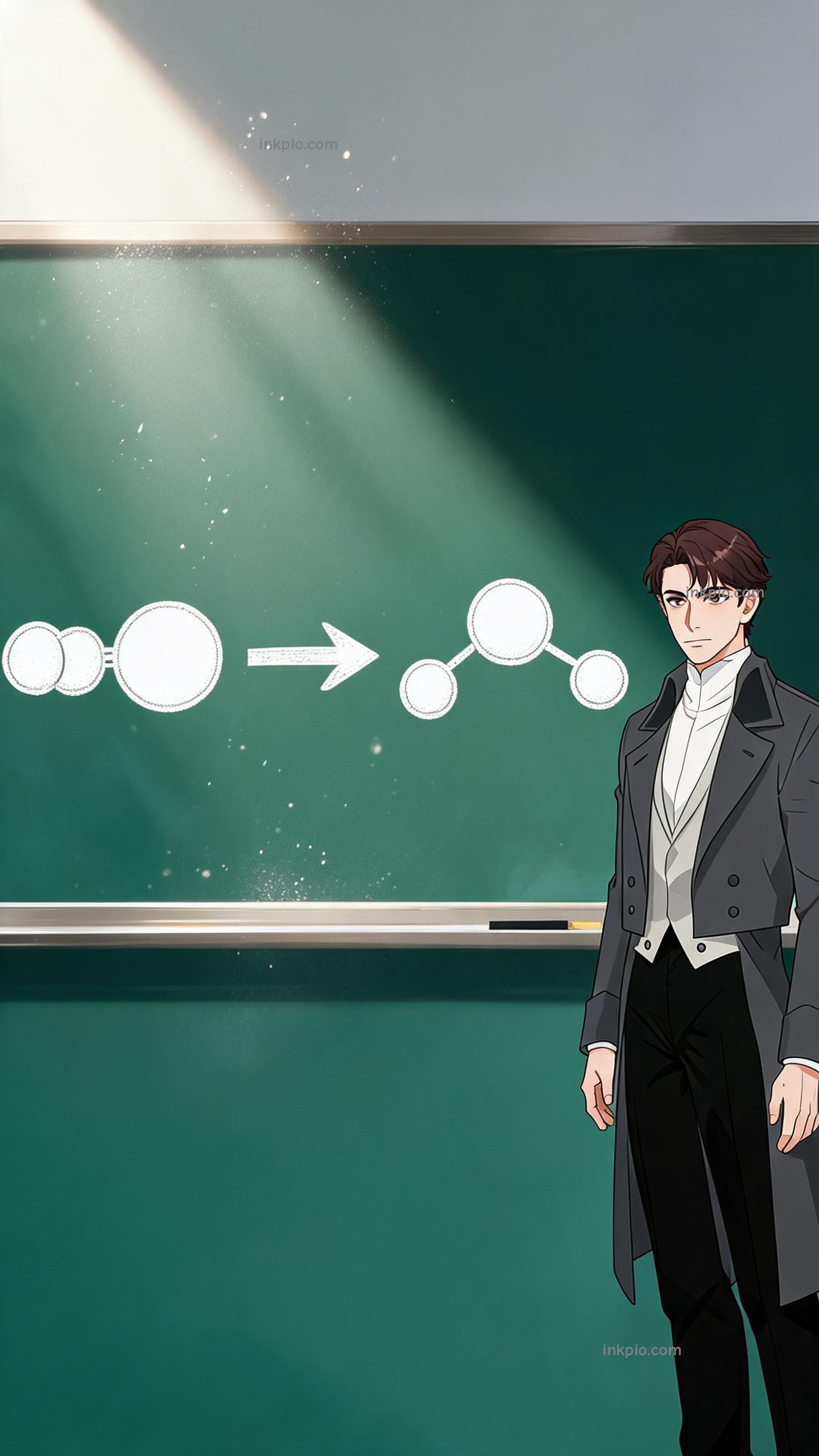
His hand moved faster now, erasing the lone spheres. He drew pairs. Hydrogen was not H, but H-H. Oxygen was not O, but O-O. These were molecules—clusters of atoms traveling together. When the gases reacted, it wasn't the atoms splitting. It was the molecular bonds snapping open. Two H-H pairs and one O-O pair danced apart, their components shuffling to build two H-O-H structures. The atoms never touched the knife. They remained pristine, indivisible, and safe.
The volume ratio of 2:1:2 suddenly clicked into place with a satisfying mechanical precision. The paradox vanished. The ghost that haunted Dalton’s theory—the fear of the split atom—was exorcised by a simple change in perspective. Avogadro stepped back, his chest tight with a mixture of relief and terrifying uncertainty. He had solved the puzzle, but he knew the scientific world was not ready to listen. He was a lawyer turning chemist, an outsider challenging the high priests of physics.
In 1811, he wrote his essay. He did not shout. He did not demand attention. He simply laid out the logic, defining the relative masses of elementary molecules. He sent it to the Journal of Physics, knowing it might disappear into the same silence that surrounded his lab. He capped his inkwell, the dark liquid still wet on the page. Outside, the night air was thick with invisible pairs, dancing and colliding in the dark. Avogadro blew out the candle. He left the truth suspended in the gloom, waiting for a future that might finally be ready to see it.