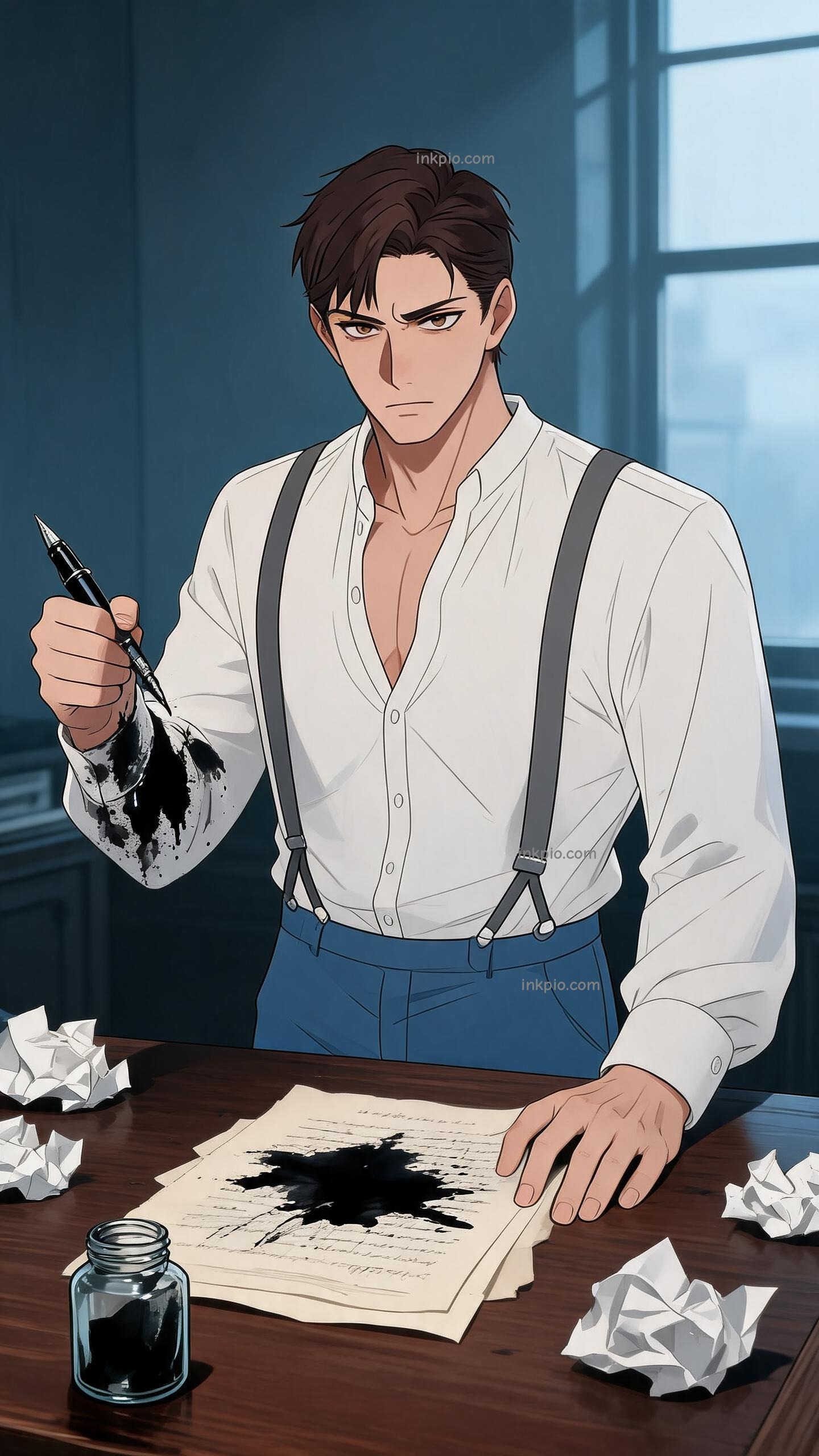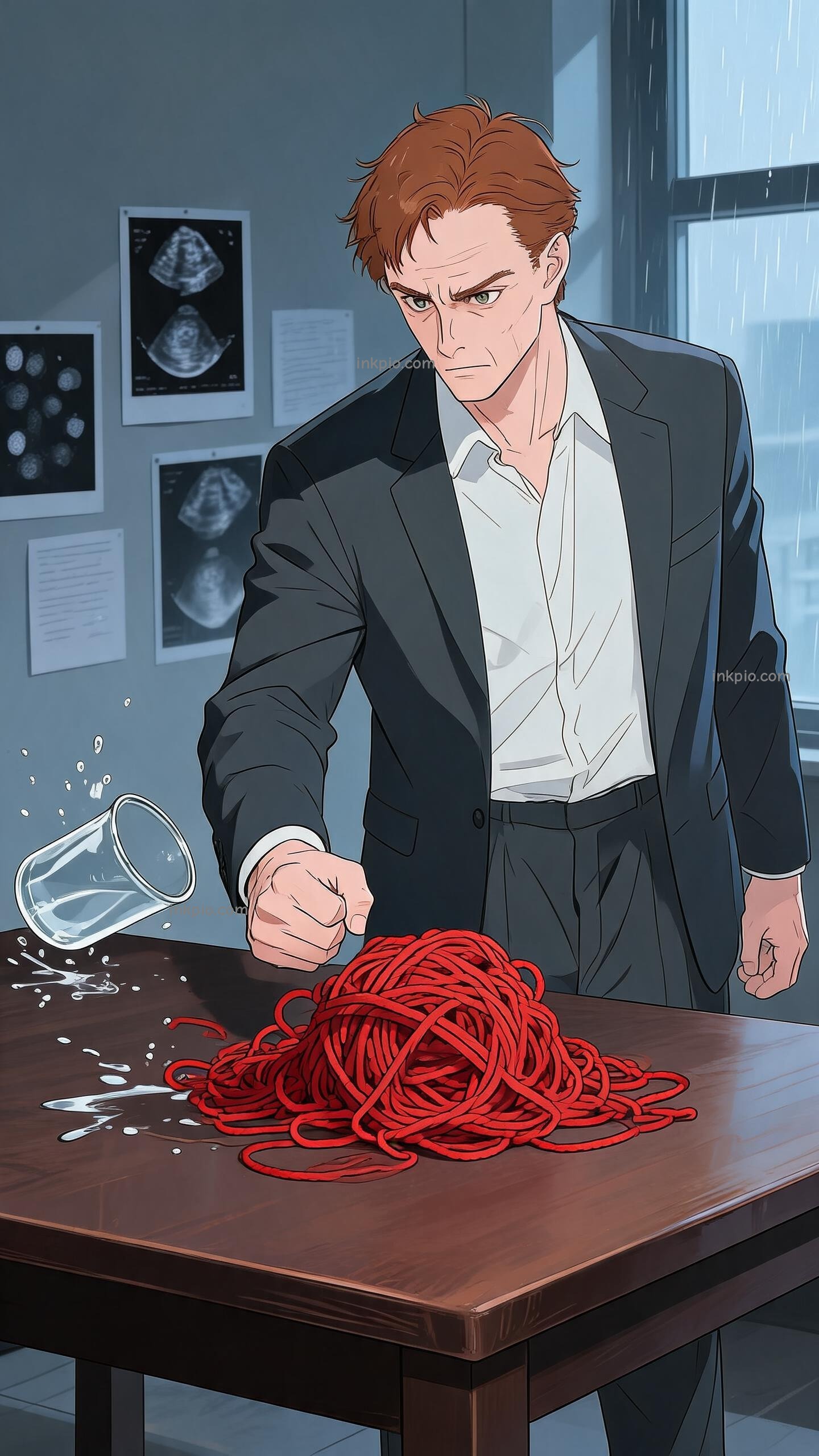
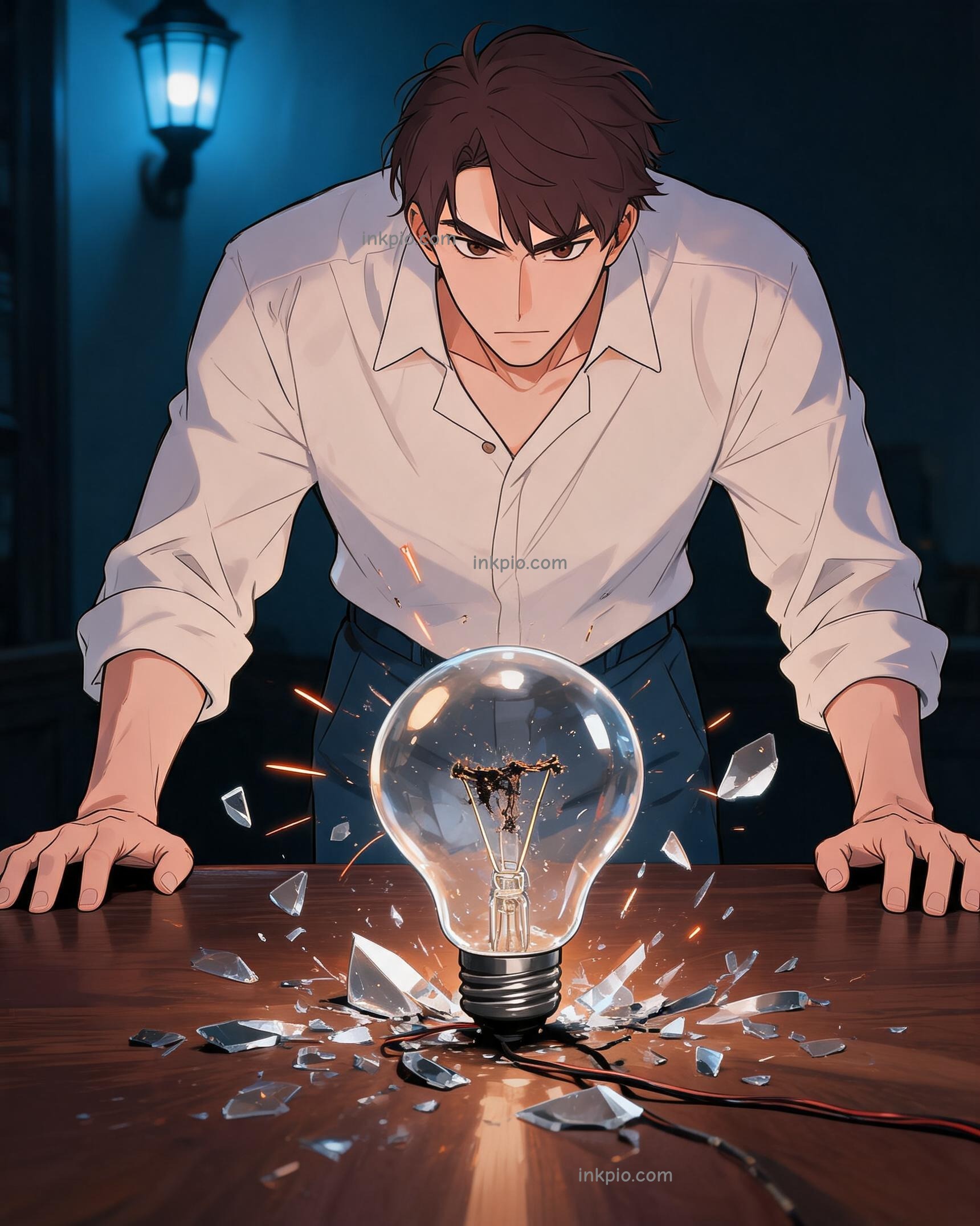

The sound of shattering glass cut through the heavy silence of the laboratory. On the wooden workbench, a thin platinum wire lay curled into a lifeless heap of black ash. Thomas Edison did not curse. He simply brushed the charred fragments from his sleeves, his eyes fixed on the empty space where the light had been. Before him, dozens of inventors had tried and failed, their lamps dying within minutes. The filaments either burned up in the air or melted into nothingness. Edison felt the weight of every previous failure pressing against his chest. He was trying to catch lightning in a bottle without melting the glass.
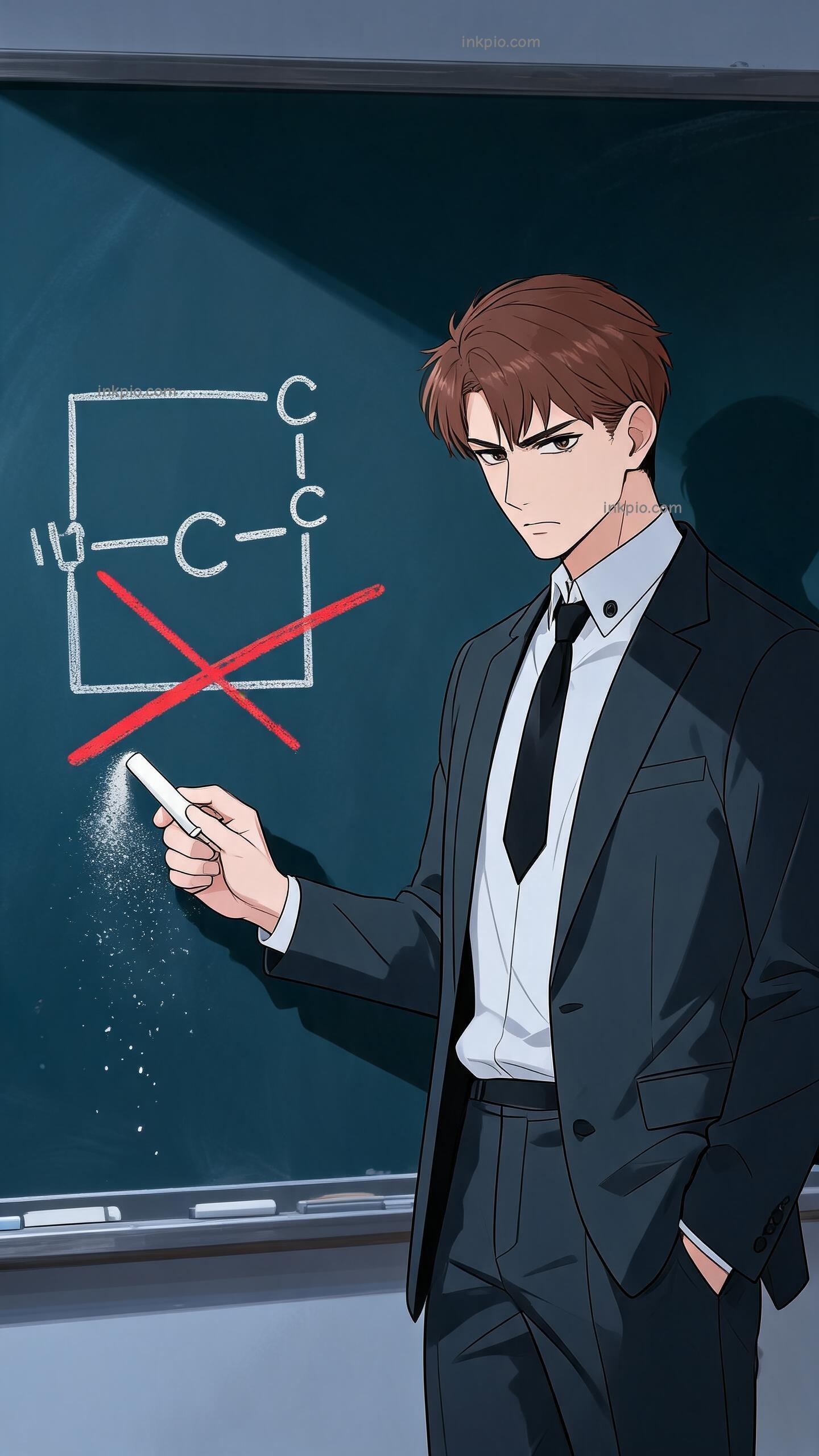
He realized the problem was not just one obstacle, but two enemies fighting each other. First, he had to starve the fire by sucking every trace of air out of the bulb. Second, he needed a material that actively resisted the electricity. Imagine a narrow, rocky dirt road. When cars force their way down it, their engines strain, heat builds up, and friction creates a warm glow. High electrical resistance works the same way. The current struggles to pass through the material, generating intense heat and bright light, while the vacuum ensures the filament does not combust.
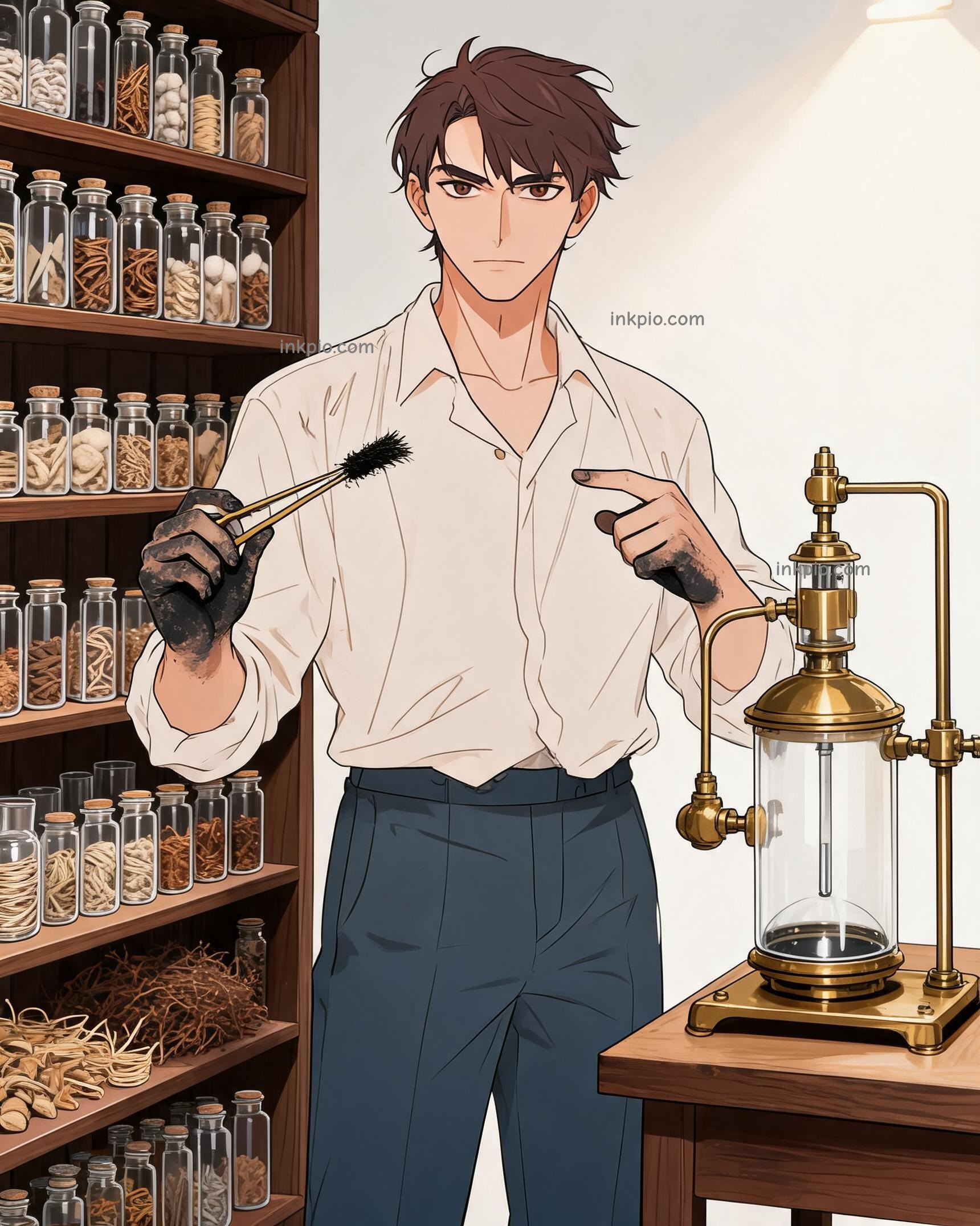
Finding that perfect "rocky road" became an obsession that consumed the team at Menlo Park. They tested over 3,000 materials. Plant fibers, cork shavings, even horsehair—all turned to dust the moment power surged through them. The assistants grew tired, their hope fraying with each snapped filament. But Edison kept testing, driven by a fear that someone else would solve it first, leaving him with nothing but another broken bulb. The laboratory smelled of burnt organic matter and exhaustion.
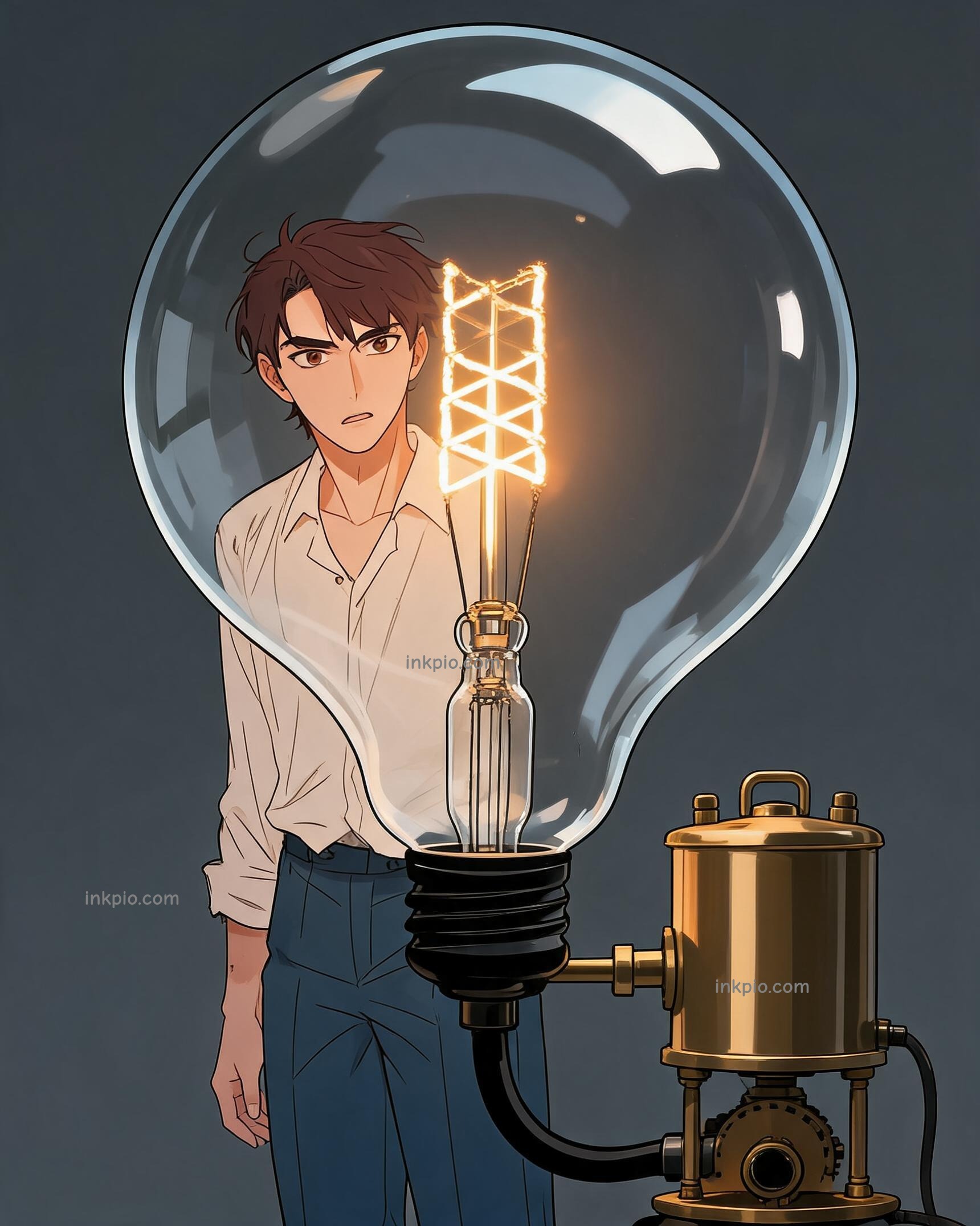
On October 21, 1879, they baked a simple piece of cotton thread until it turned to carbon and sealed it inside a vacuum bulb. The switch was flipped. The cotton thread glowed with a steady, warm amber light. No one spoke. The team watched the clock tick past one hour, then five. For the first time, the light did not flicker or die. It held for 13.5 hours before finally giving out. It was not perfect, but it was proof. They had the right idea; they just needed a stronger thread.
By November, they replaced the fragile cotton with carbonized bamboo. This stubborn material endured for over 1,200 hours. The blueprint for a commercial bulb was no longer a dream but a physical reality sitting on the bench. The tension in the lab shifted from desperation to a quiet, focused anticipation. They knew they were close to changing how the world saw the night.
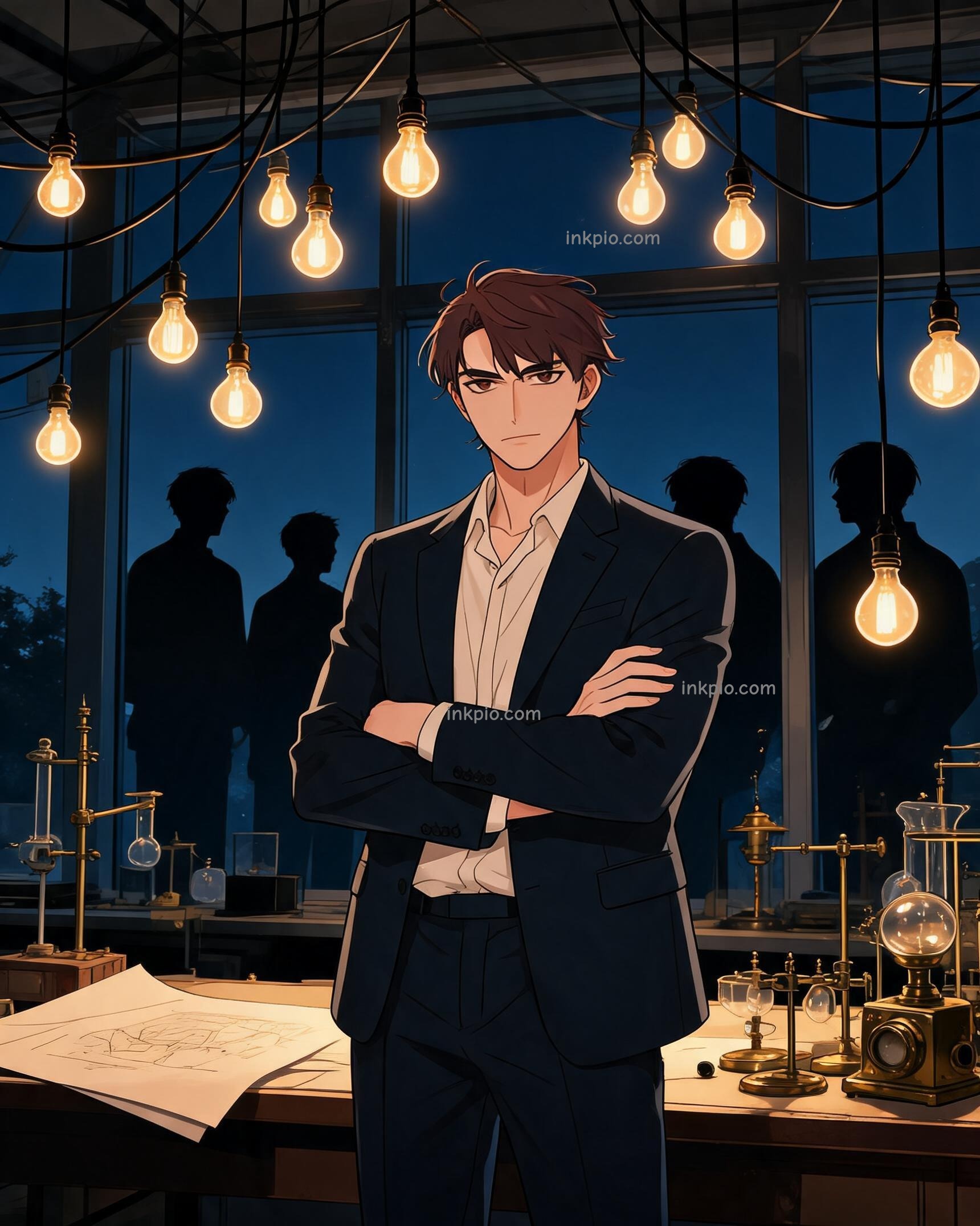
On New Year's Eve, 1879, Edison walked to the main switch. His hand hovered for a second, feeling the cold metal. He flipped it. Dozens of glass bulbs hanging from the ceiling flared to life, bathing the laboratory in a steady golden glow. Outside, the winter dark pressed against the windows, cold and absolute. But inside, the light held the night at bay. Edison looked at the faces of his team, illuminated in the soft radiance. They did not cheer. They just stared, breathless, watching the darkness retreat.