
For decades, the white aspirin tablet sat on nightstands and in medicine cabinets, a silent guardian against headaches and fevers. People swallowed it without question, trusting its power even though science remained blind to its mechanism. Doctors offered vague theories: perhaps it numbed the nerves, or maybe it sedated the brain into submission. These guesses were comfortable but wrong. John Vane found them unsatisfying. He felt a persistent itch in his mind, a suspicion that the medical community was looking in the wrong direction entirely.
Vane believed the truth lay not in the central nervous system, but at the site of injury itself. He imagined pain not as a direct electrical shock, but as a chemical conversation gone wrong. Somewhere in the damaged tissue, a messenger was being produced, screaming for help before the signal ever reached the spinal cord. If he could find where that message started, he could stop it. This wasn't just curiosity; it was a need to impose order on biological chaos. He needed to see the invisible handshake between injury and agony.
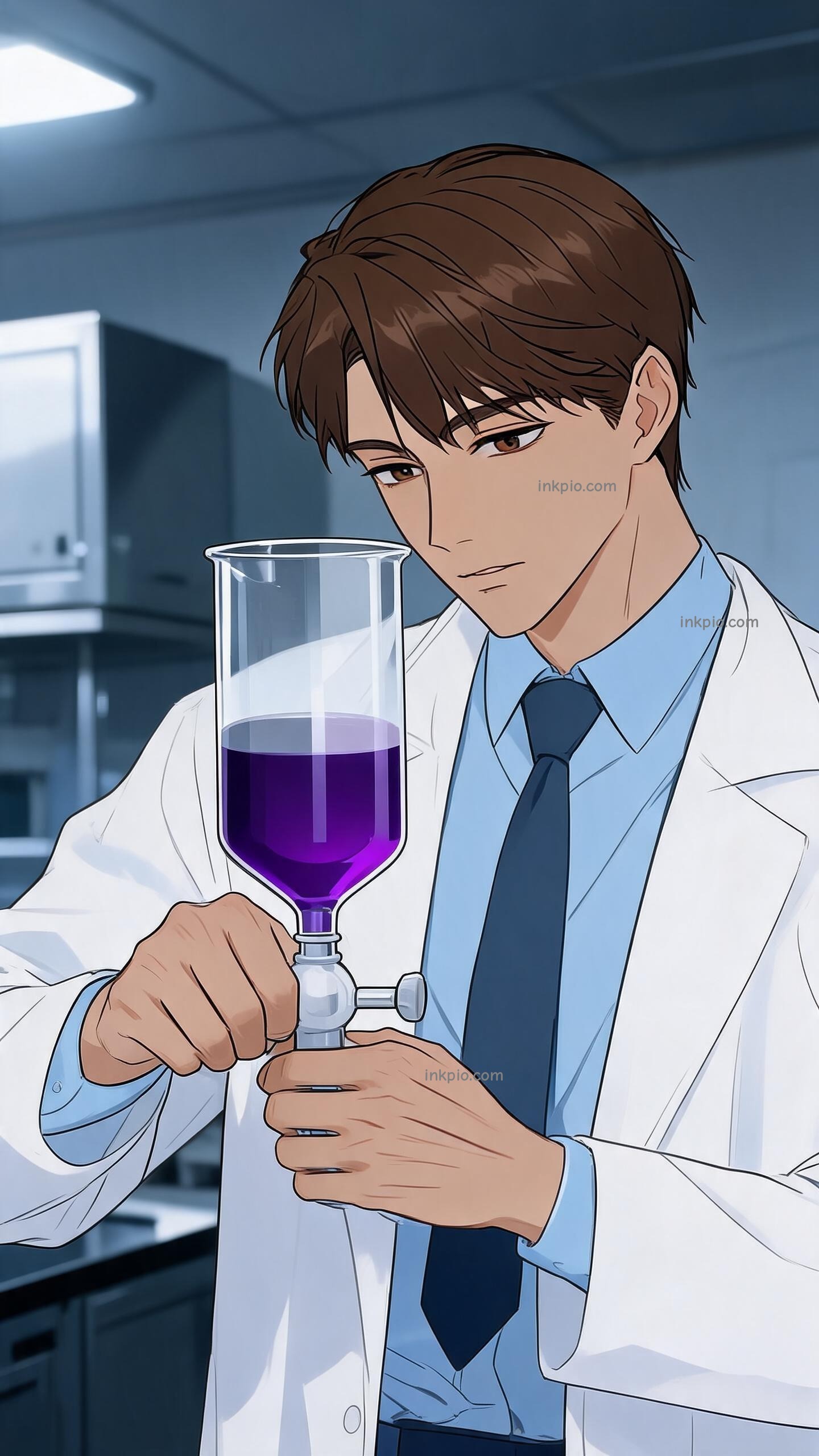
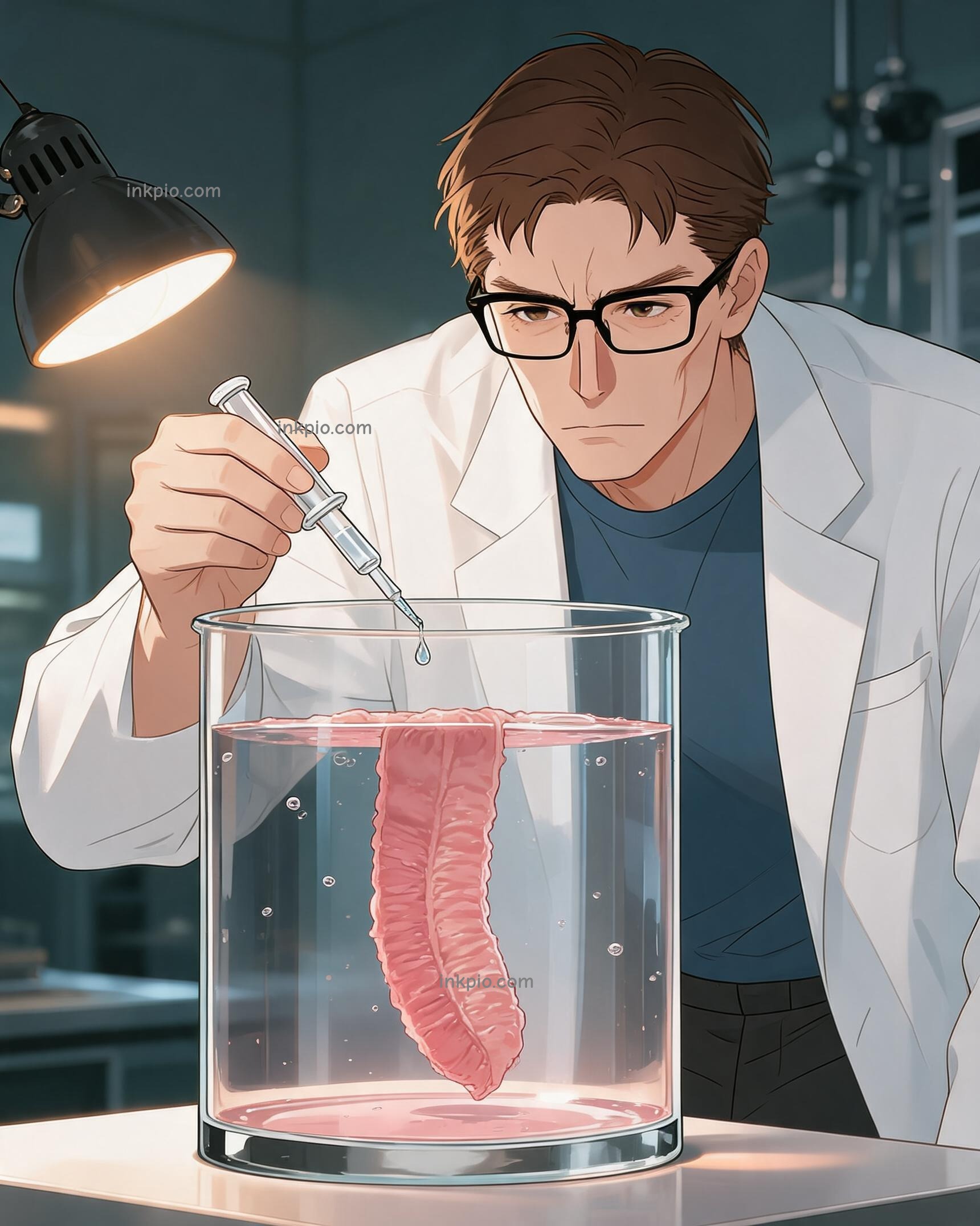
The laboratory was quiet, save for the rhythmic bubbling of the organ bath. Inside floated a strip of guinea pig smooth muscle, isolated and vulnerable. Vane watched the apparatus with the intensity of a gambler waiting for the final card. He added a clear solution of aspirin to the warm liquid, letting it soak into the tissue. The drug was now present, waiting. Next came the trigger: a specific chemical known to induce severe pain responses. In any previous trial, this would cause the muscle to spasm violently, a physical manifestation of suffering.
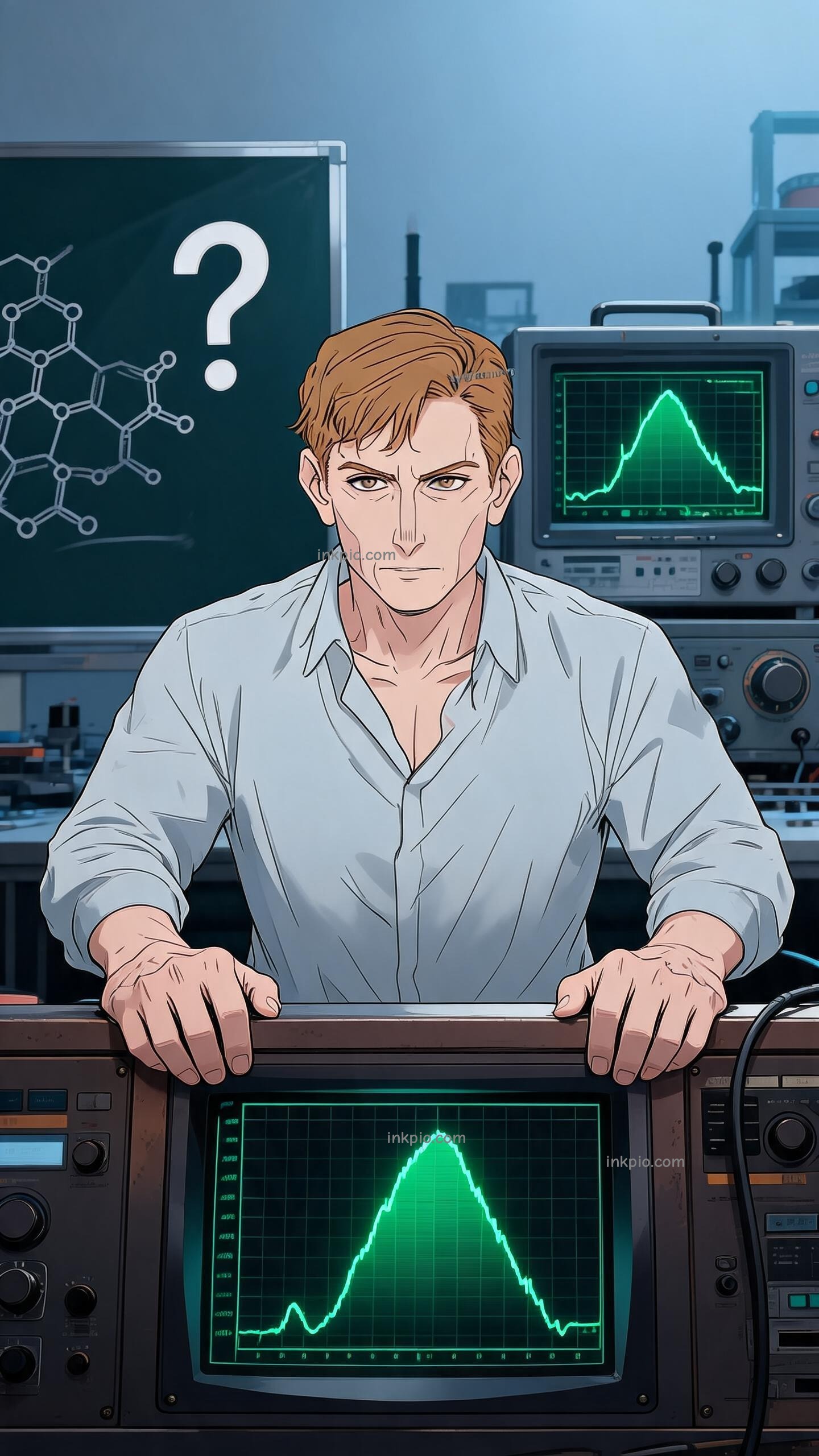
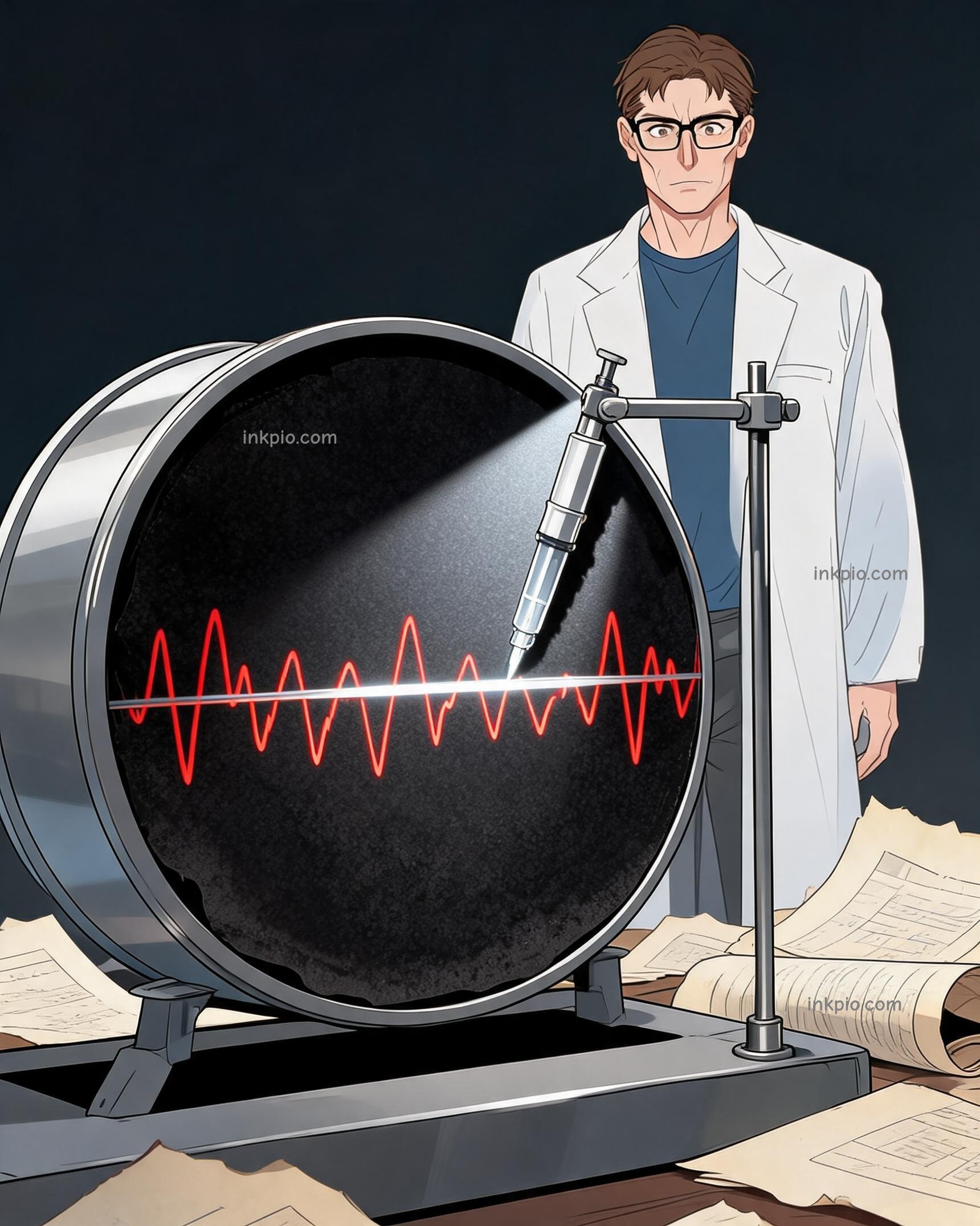
Vane held his breath. The recording pen hovered over the rotating drum, ready to trace the expected jagged peaks of contraction. But the muscle did not flinch. It remained relaxed, indifferent to the chemical assault. The ink pen drew a single, unwavering flat line across the paper. Silence filled the room, heavier than the noise of the machinery. Vane stared at that black line. It wasn't just data; it was an absence. The pain messenger had been silenced before it could speak.
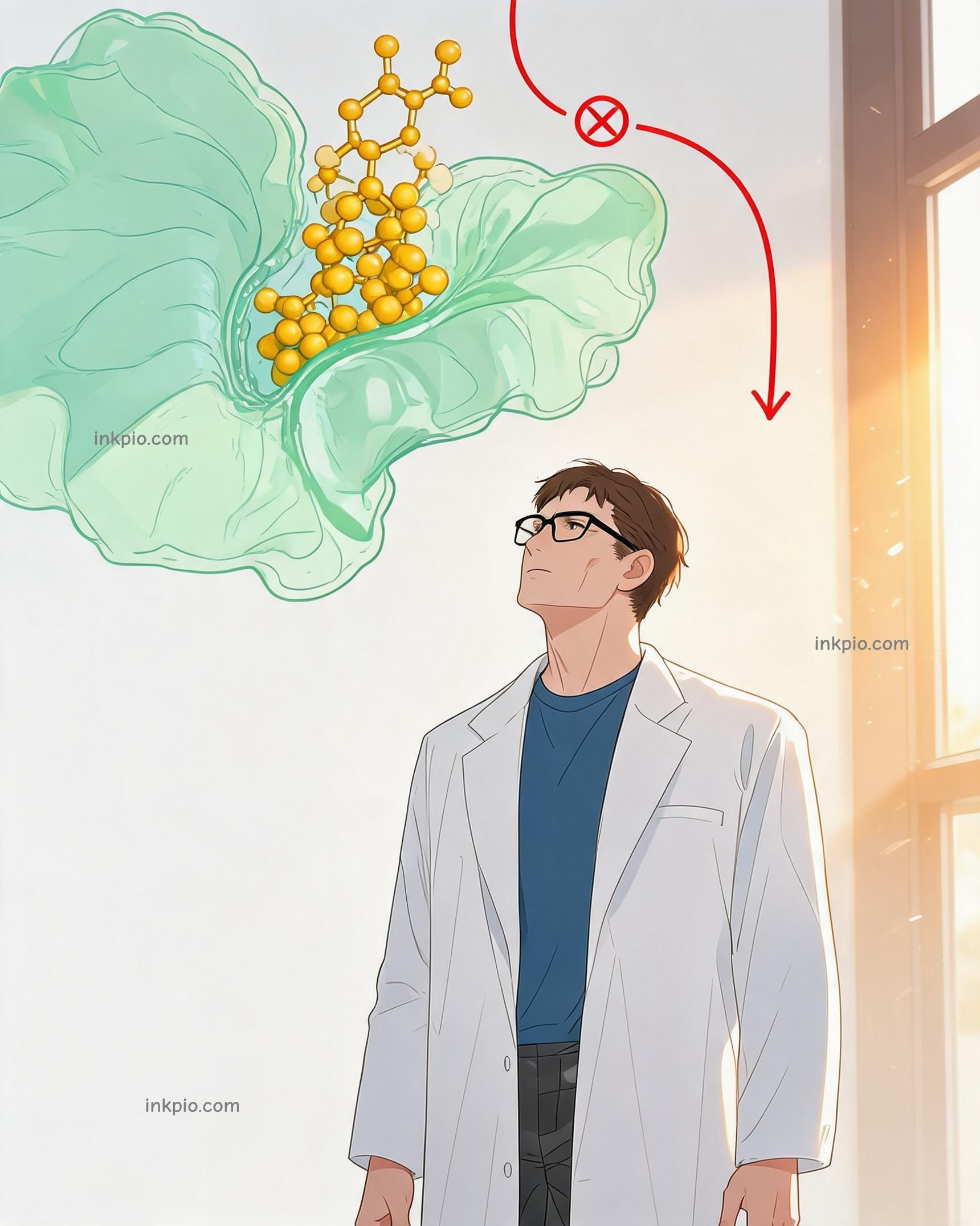
In that stillness, Vane realized he had caught the culprit in the act. Aspirin wasn't masking symptoms in the brain; it was physically blocking the cyclooxygenase (COX) enzyme at the source. By inhibiting COX, the drug stopped the production of prostaglandins, the true chemical messengers of pain. The relay race had been stopped at the starting line. The baton never left the hand. For years, scientists had been trying to catch the runner; Vane had simply removed the track.
He carefully removed the chart from the drum, the ink still wet. The flat line looked deceptively simple, yet it overturned decades of assumption. He pinned the paper to the bulletin board, next to sketches and failed hypotheses. It stood out starkly against the clutter. This was proof that a simple molecule could outsmart the body’s own alarm system. The discovery didn't feel like a triumph in that moment. It felt like a quiet revelation, a secret finally whispered back to him by the tissue in the bath.
In 1971, Vane published his findings in Nature, detailing how aspirin and indomethacin inhibit prostaglandin synthesis. The scientific world would later celebrate the breakthrough, awarding him a Nobel Prize. But in the lab, the victory was personal and subdued. He looked at the flat line one last time before turning off the lights. The pain messengers were still out there, waiting in every bruised knee and throbbing head, but now he knew their name. And knowing their name meant he could silence them.