
Deep in the coal seams, darkness was not just an absence of light. It was a physical weight, pressing against the lungs of men who spent their lives underground. But the true terror wasn't the dark. It was the candle.
A single flickering flame in a miner’s hand was a paradox. It offered the only way to see the rock face, to swing a pickaxe with precision. Yet, that same flame held the power to turn the entire tunnel into a tomb. Firedamp, a volatile mix of methane seeping from the stone walls, waited for any spark. One stray ignition point meant a catastrophic blast that would swallow fathers, sons, and brothers whole.
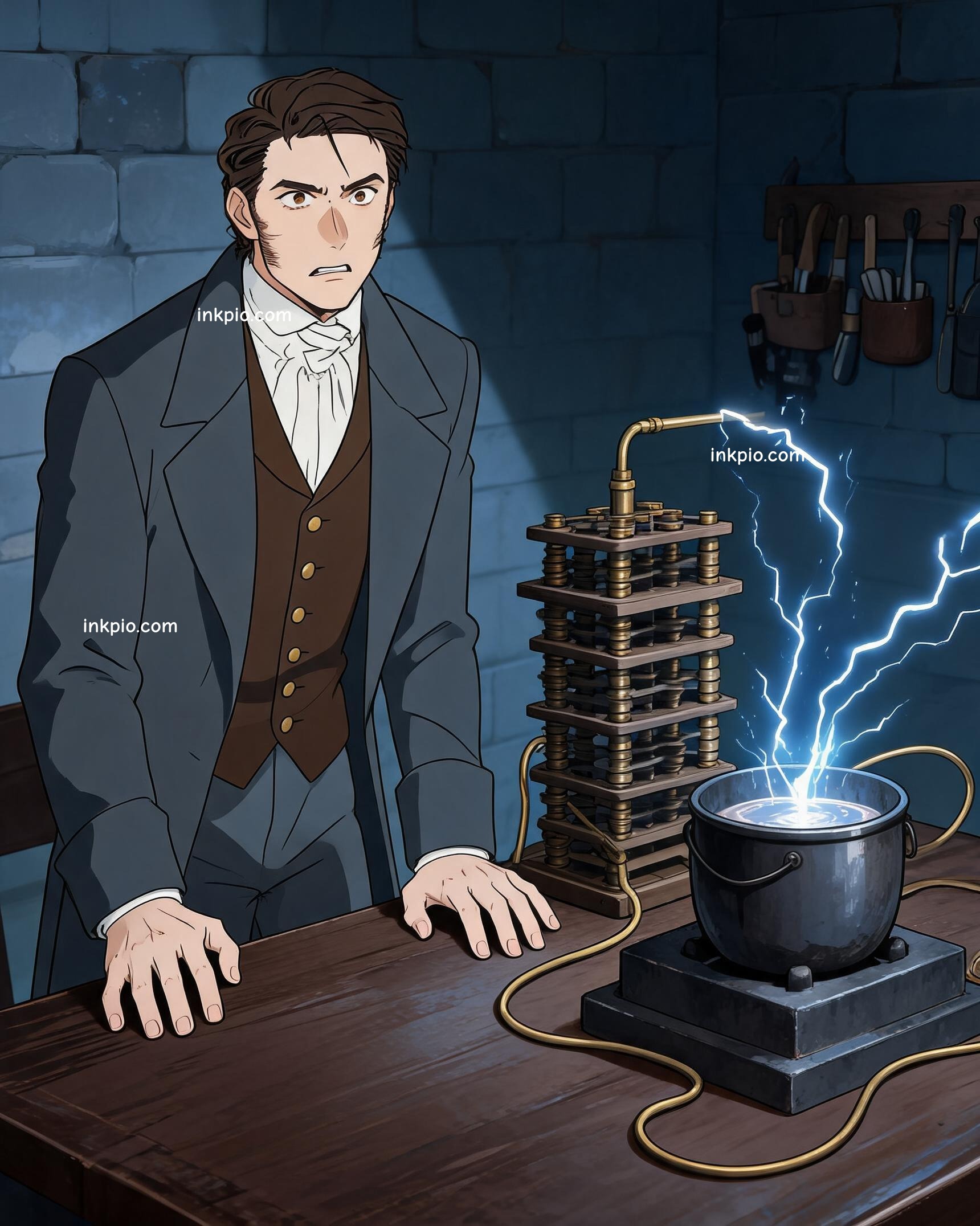
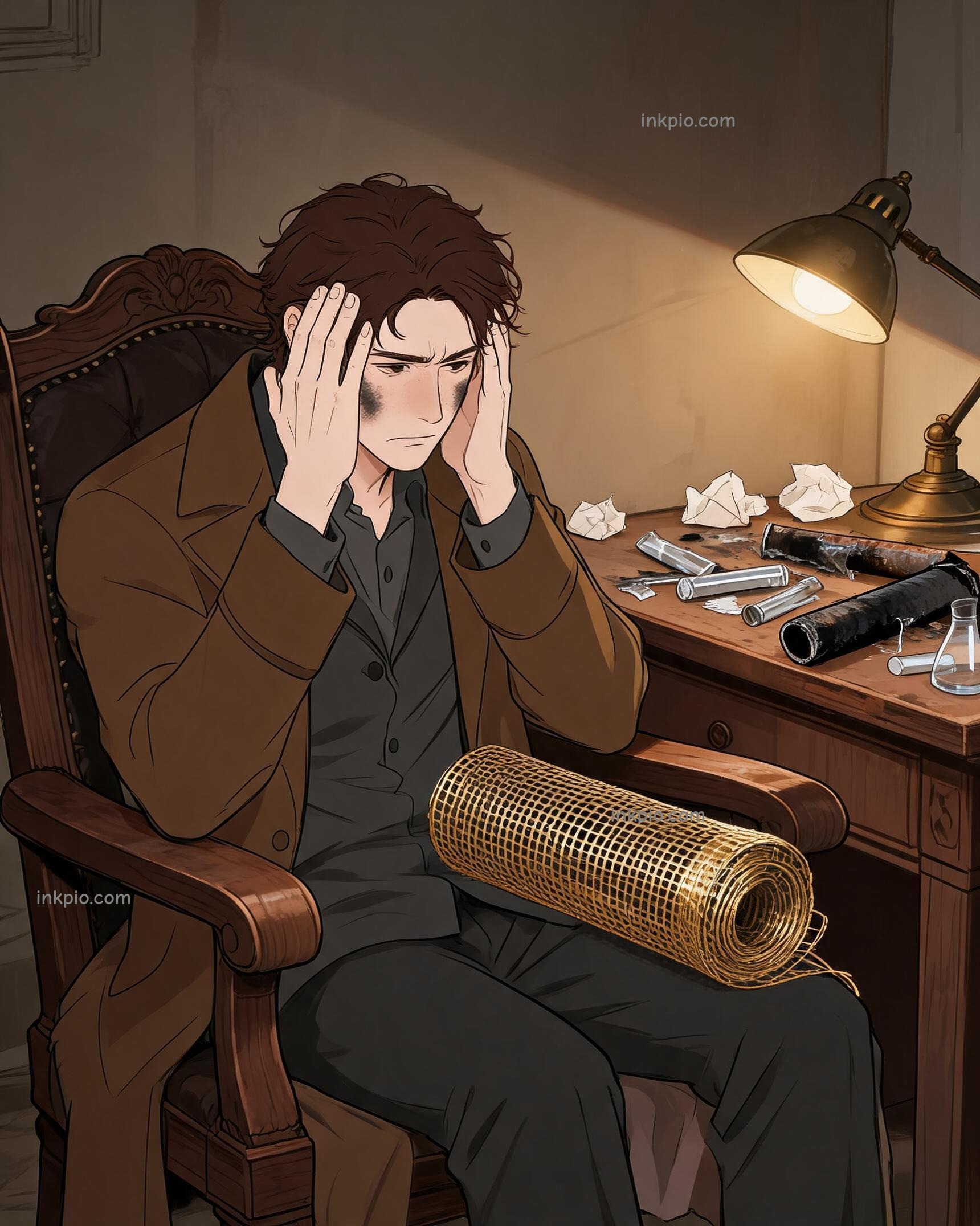
Humphry Davy felt the weight of this equation. He wasn't just solving a chemical puzzle; he was staring at the faces of widows waiting above ground. The pressure was suffocating. He needed to give these men light without handing them a detonator. His initial attempts were desperate. He tried glass tubes, hoping to choke off the airflow that fed the fire. Each experiment ended in the same violent silence: shattered glass on the floor, the smell of scorched hair, and the crushing realization that the invisible gas always found a way.
The failures piled up. Every broken tube was a reminder that nature didn't care about human ingenuity when it came to survival. Davy grew obsessed, not with glory, but with the mechanics of containment. He stopped looking for barriers and started looking for filters. Then, his hand closed around a spool of fine brass wire gauze. It looked fragile, almost insignificant against the brute force of an explosion.
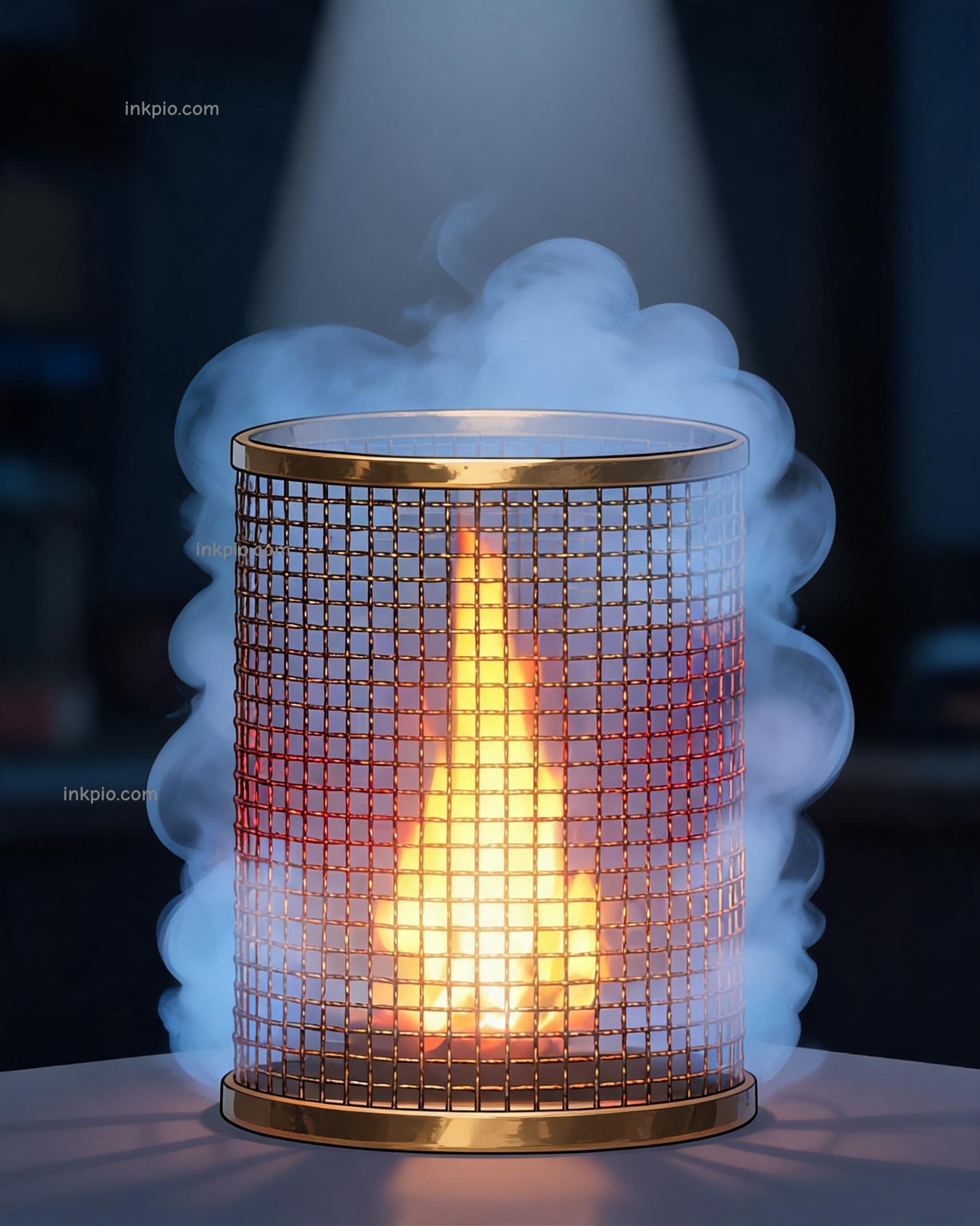
He wrapped a flame in this metal mesh. The concept was counterintuitive. Instead of blocking the fire, he let it breathe through thousands of tiny holes. The metal acted like a sponge for heat. As the flame burned inside the mesh, the wires sucked up the thermal energy, spreading it across the surface area. By the time the heat tried to push through to the outside air, the metal had cooled it down completely. It was like trying to boil the ocean with a single match. The physics were elegant, but the stakes were visceral.
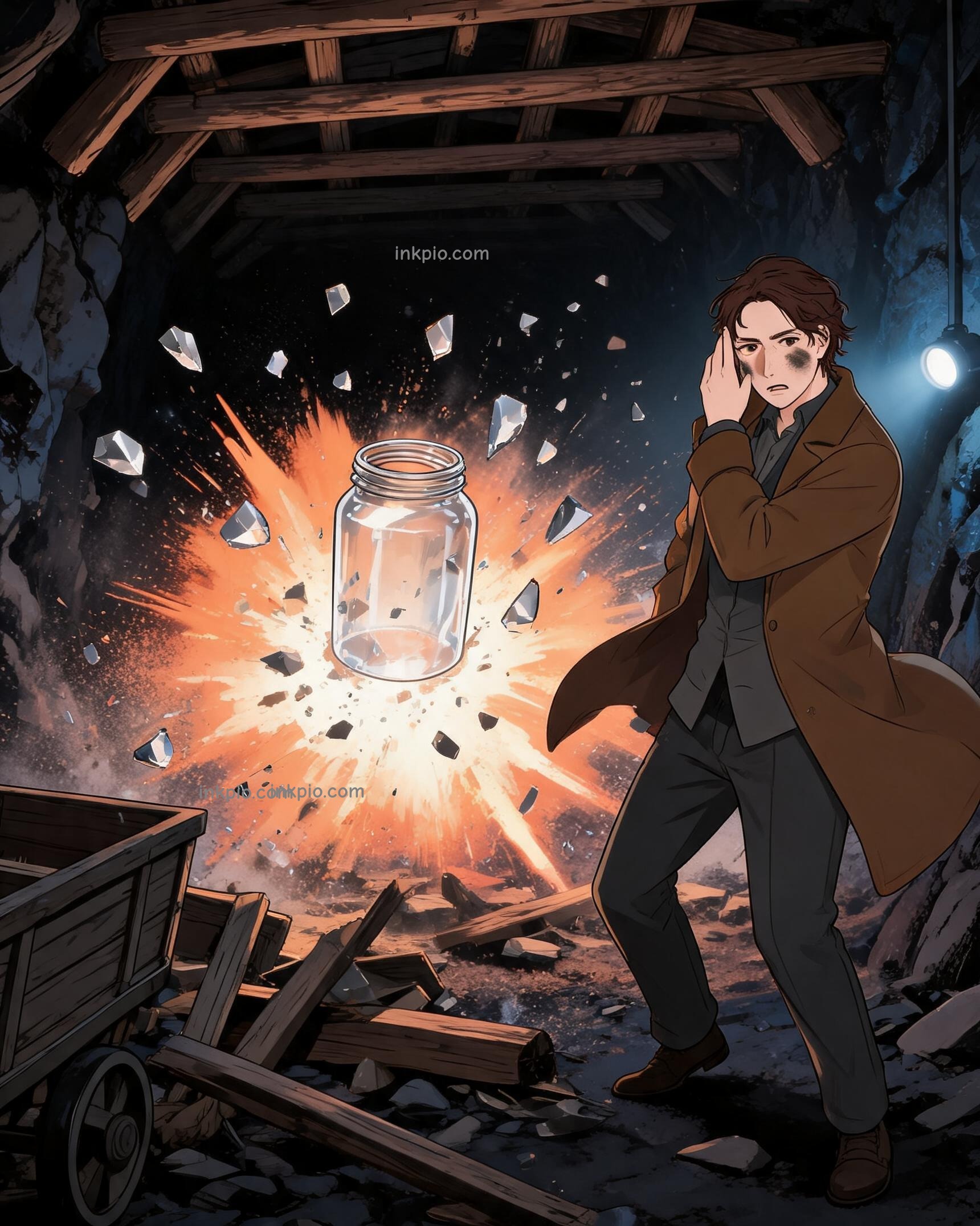
In 1815, the moment of truth arrived. Davy stood before a jar filled with pure methane. He lowered the lit lamp, caged in its wire mesh, into the explosive atmosphere. The room held its breath. Inside the cage, the flame burned bright and steady. Outside, the gas remained calm, untouched by the heat. No explosion. No shockwave. Just the quiet hum of combustion contained.
Davy explained to the Royal Society that the metal reduced the temperature outside the gauge below the point of ignition. It was a dry, scientific statement for a miracle. The wire didn't stop the fire; it starved it of the heat needed to spread.
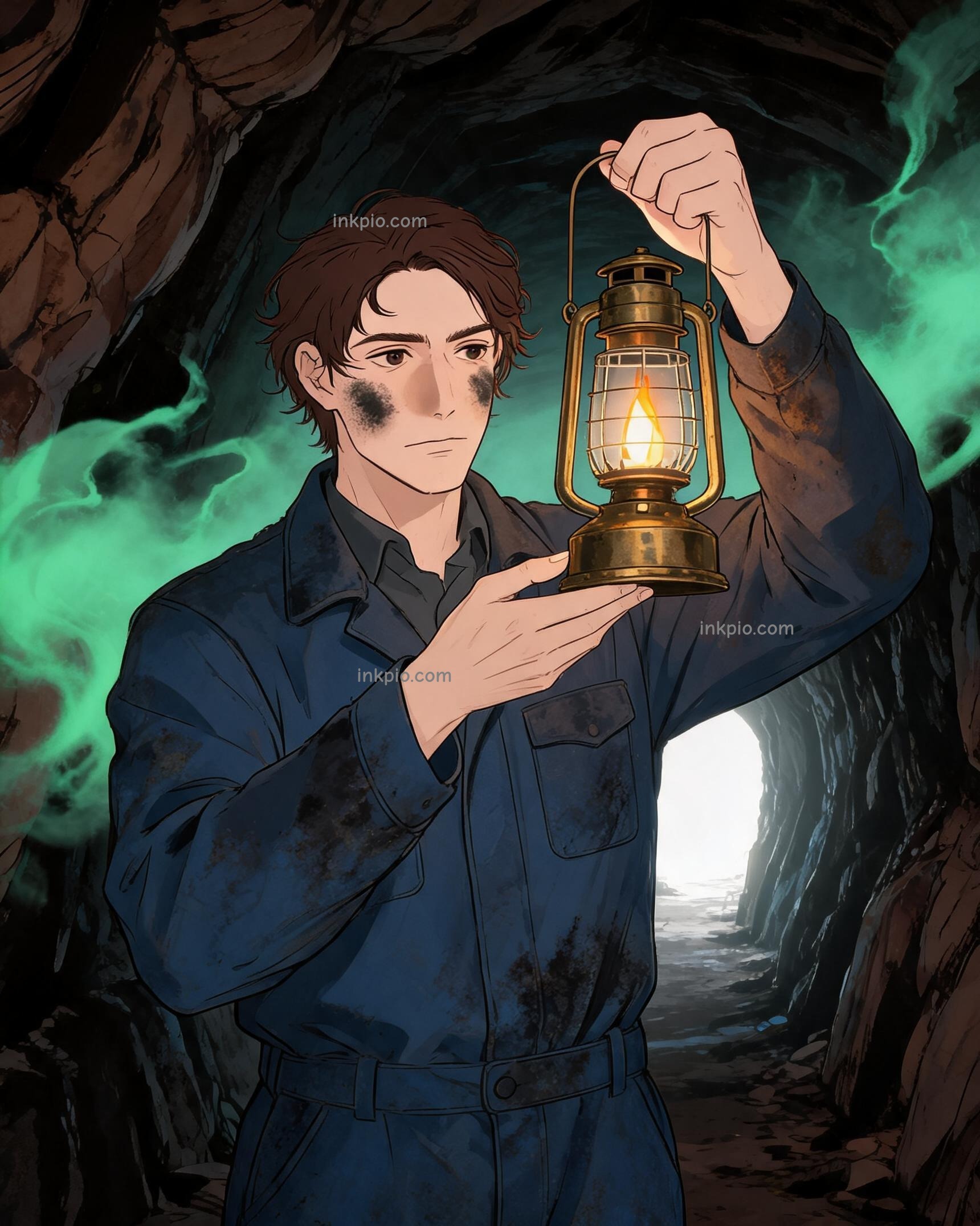
When the Davy lamps went down into the mines, the change was subtle but profound. The air still smelled of dust and sweat. The work was still back-breaking. But the fear shifted. Miners could now carry fire through the explosive air without flinching at every shadow. They watched the flame dance behind its metal cage, a small, controlled sun in the abyss.
At the end of a shift, the lamp was extinguished. The miner wiped the soot from his face and climbed toward the daylight. The wire cage had held the fire, yes. But as he pushed open the heavy door and saw his family waiting, he realized what it had really held. It had held onto his life, allowing him to walk back into the world of the living.