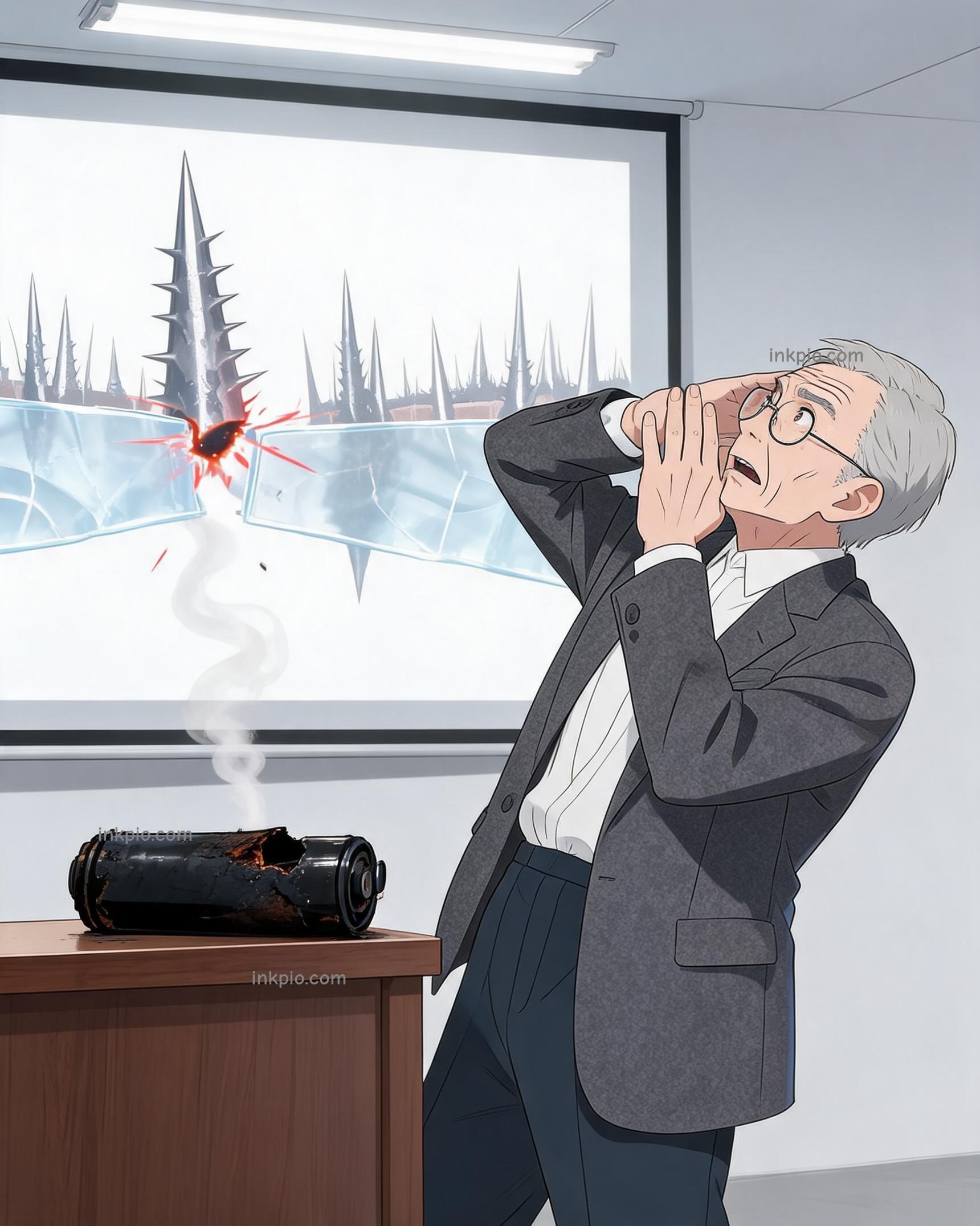

The acrid smell of burnt plastic hung heavy in the Oxford lab. John Goodenough did not move to clean up the charred remains on his bench. He simply watched the smoke curl upward, dissolving into the sterile air. To anyone else, it was a failed experiment. To John, it was a warning. The lithium metal inside had betrayed him again.
It was 1980, and the scientific community viewed lithium as a holy grail wrapped in barbed wire. The element promised immense energy, but it came with a violent temper. During charging, pure lithium would deposit unevenly, growing sharp, needle-like dendrites. These microscopic spears pierced the delicate plastic separators within the cell. Short circuit. Fire. Explosion. Colleagues whispered that lithium batteries were less like power sources and more like timed explosives waiting for a spark.
John felt the weight of those failures. At fifty-seven, an age when many scientists begin to wind down, he was still chasing a ghost. He looked at the blackened casing and realized the fundamental error in their approach. They were trying to cage a wild animal. They forced the lithium to plate as a metal, demanding it stay flat and smooth. But nature abhors a vacuum, and lithium abhors confinement. It wanted to grow. It wanted to break free.
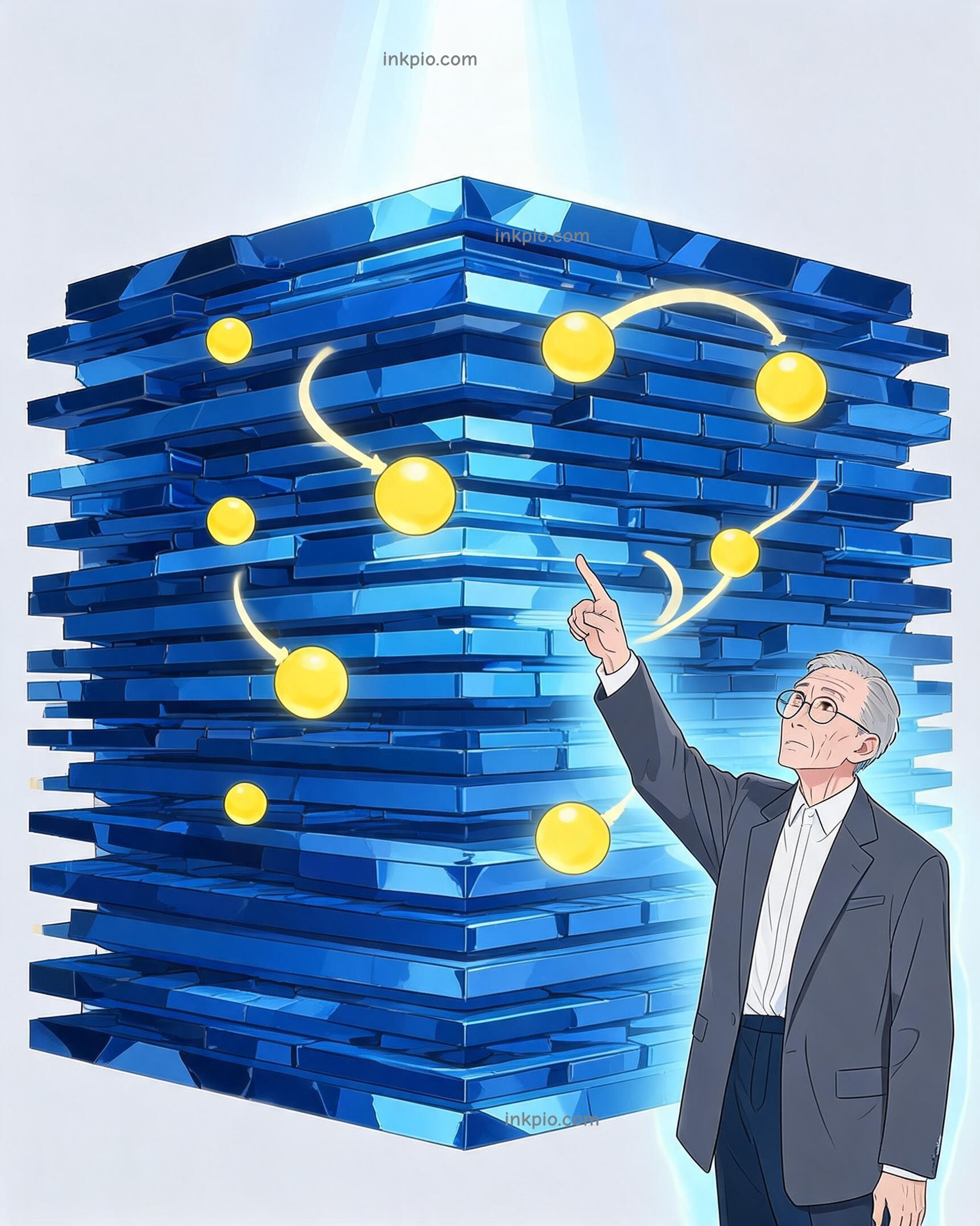
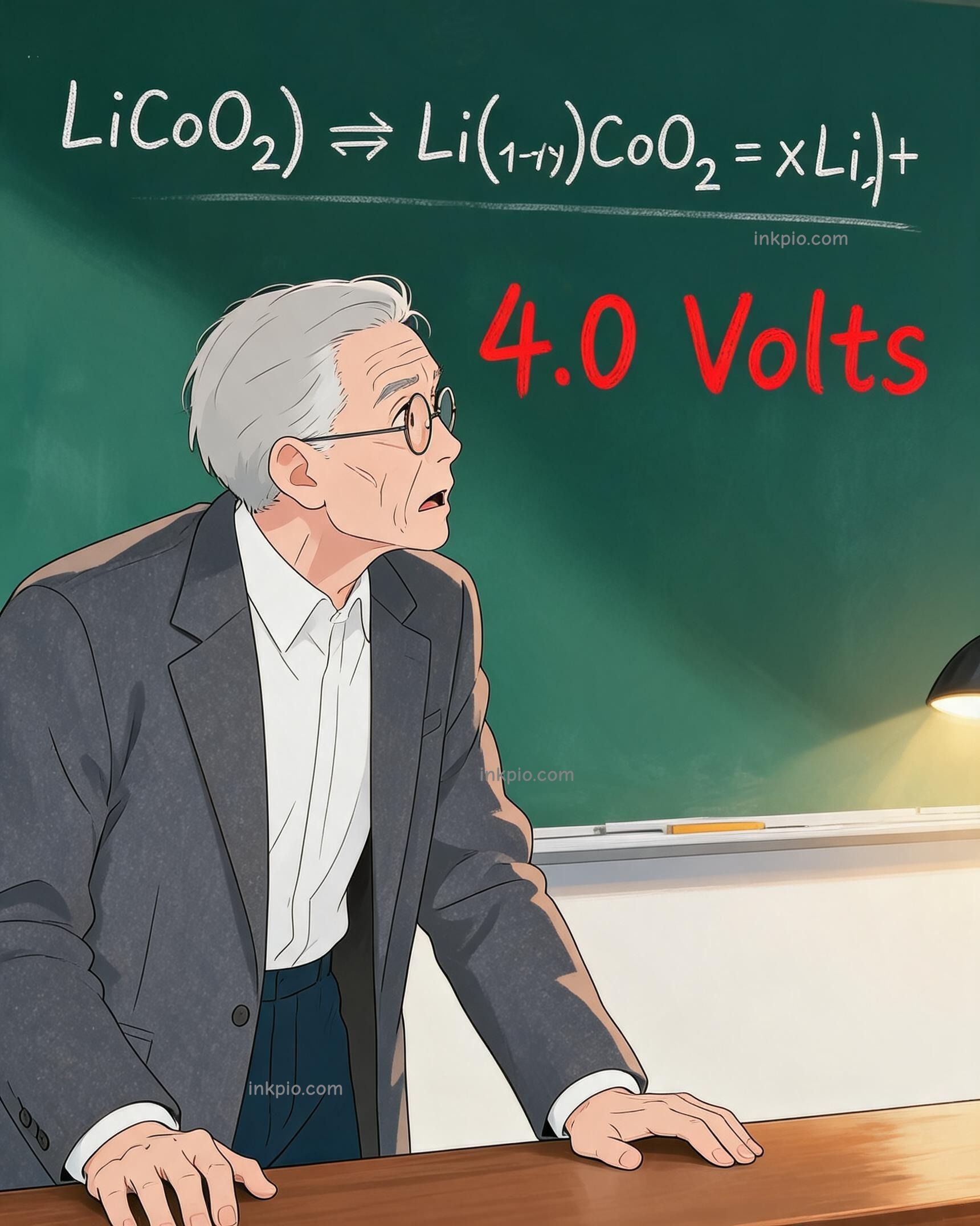
He turned to the chalkboard, erasing the diagram of pure lithium metal. His hand hovered for a moment, then began to draw a new structure. He stopped fighting the lithium. Instead, he decided to hide it. He proposed using a layered cobalt oxide compound. It was a radical shift in perspective. Think of this material not as a container, but as a multi-story parking garage. The cobalt and oxygen atoms formed rigid, concrete-like floors, stacked with atomic precision.
In this new design, the lithium ions did not plate onto the surface. They slipped between the atomic layers. They parked safely in the gaps. When the battery charged, the ions slid in. When it discharged, they slid back out. No needles. No piercing. Just a gentle, rhythmic sliding motion. John called it the "rocking-chair" mechanism. It was elegant because it was passive. It didn't force the lithium to behave; it gave the lithium a place to belong.
The lab assistant, skeptical but curious, helped him assemble the first test cell. The silence in the room was thick as they connected the voltmeter. John held his breath, expecting the usual drop or spike. The needle climbed past three volts. It kept going. The assistant leaned in, eyes wide. The needle settled firmly at four volts.
Four volts. The number seemed impossible. Previous batteries struggled to reach half that potential without catching fire. John stared at the red digits glowing on the meter. The fear that had tightened his chest for years began to loosen. He looked at the small, unassuming cell on the bench. It wasn't smoking. It wasn't burning. It was just humming, quietly storing energy in its rocky layers.
He rested his hands on the desk, feeling the cool wood against his palms. The charred casings of the past were gone. In their place sat a stable, powerful little rock. He picked up the voltmeter probe, listening to the faint, steady hum of the cell. For the first time in decades, the fire was not something to be extinguished. It was tamed, hidden safely between the layers of a stone, ready to power a world that hadn't yet been born.