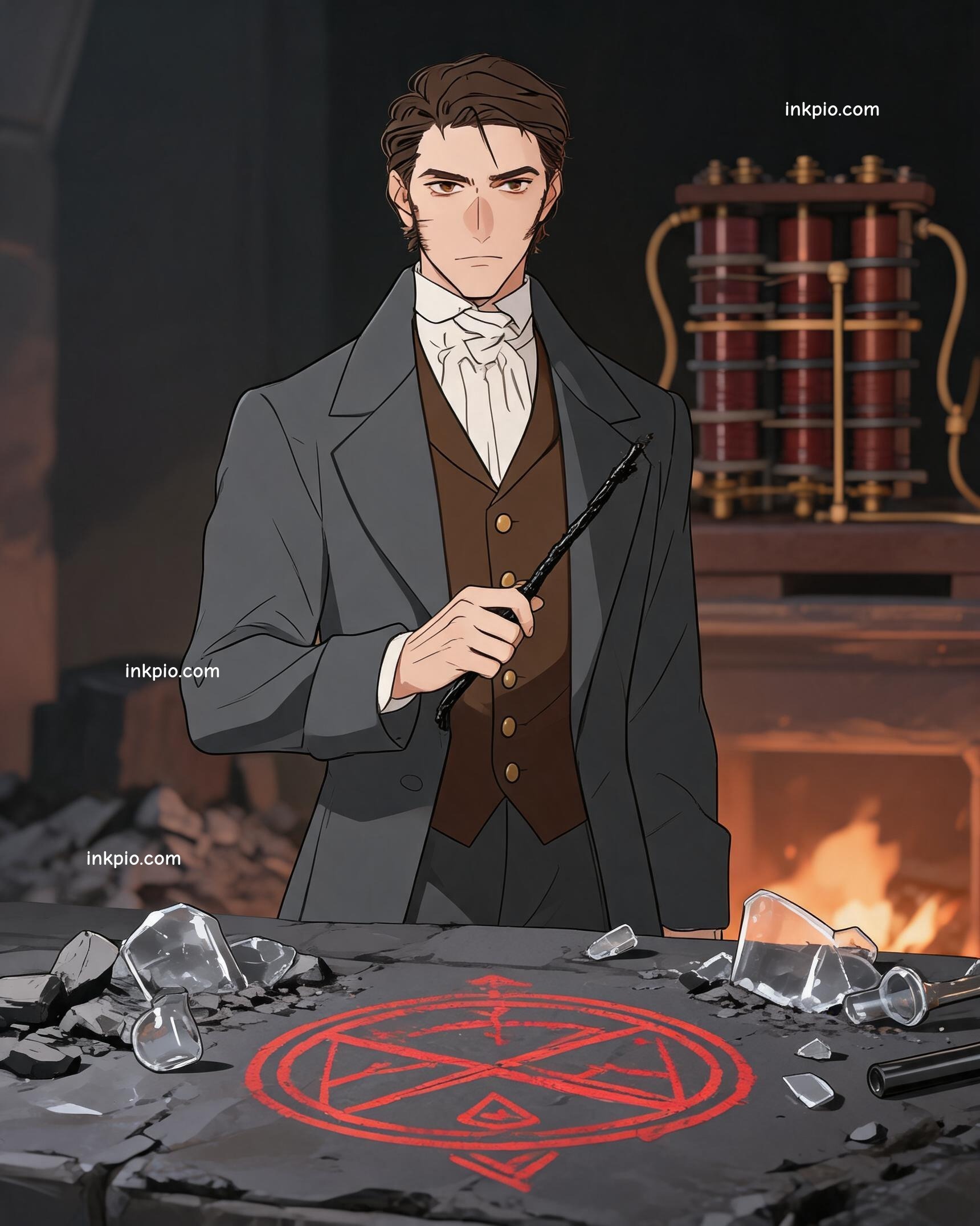

Humphry Davy stared at a pile of stubborn gray ash and felt the familiar sting of failure. For generations, chemists swore that potash was a simple, unbreakable element. He had tried every trick in the book—blazing furnaces, harsh chemical reducers, endless heat—and the powder just refused to change. He needed a force strong enough to pull the material apart from the inside.
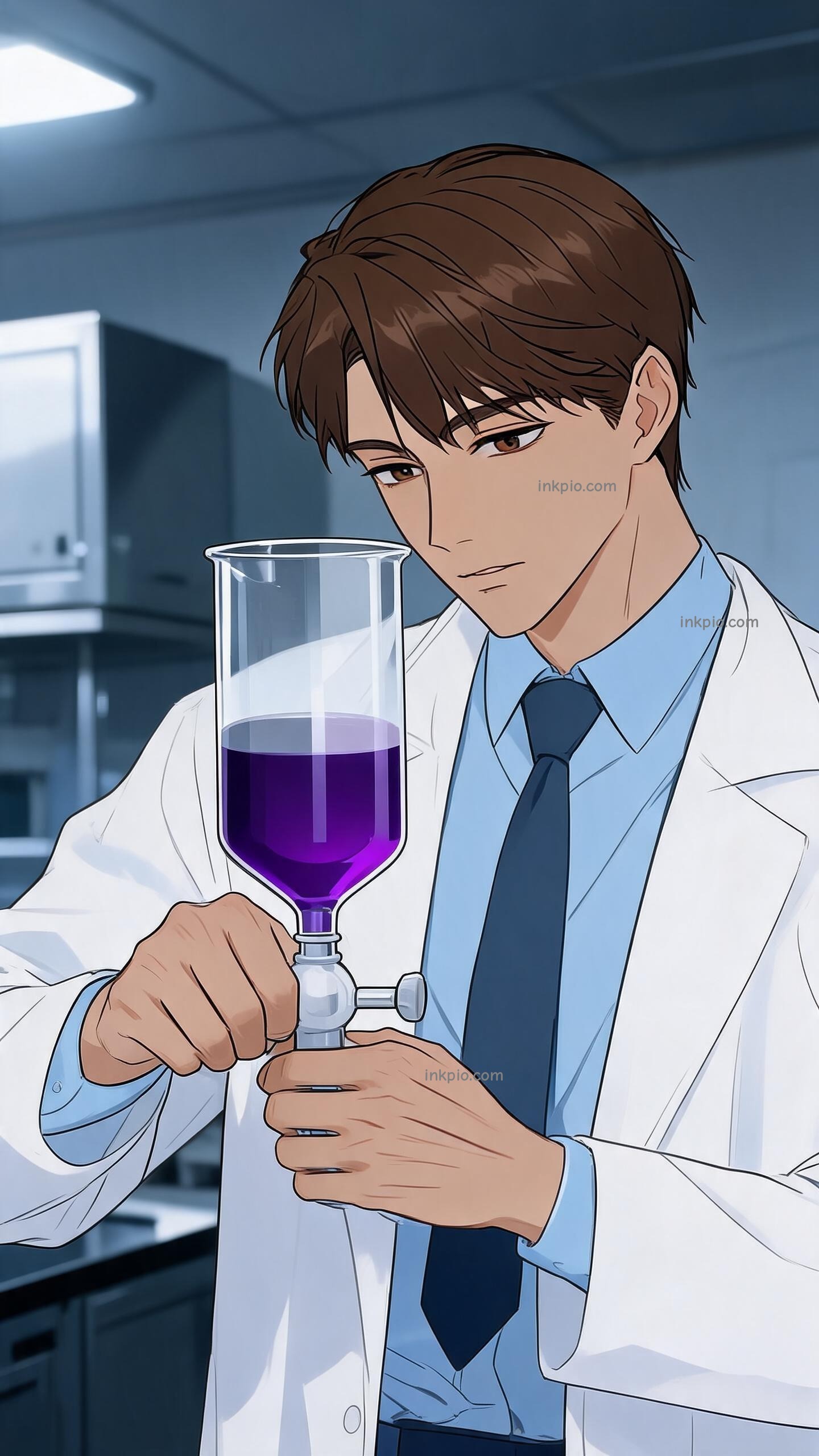
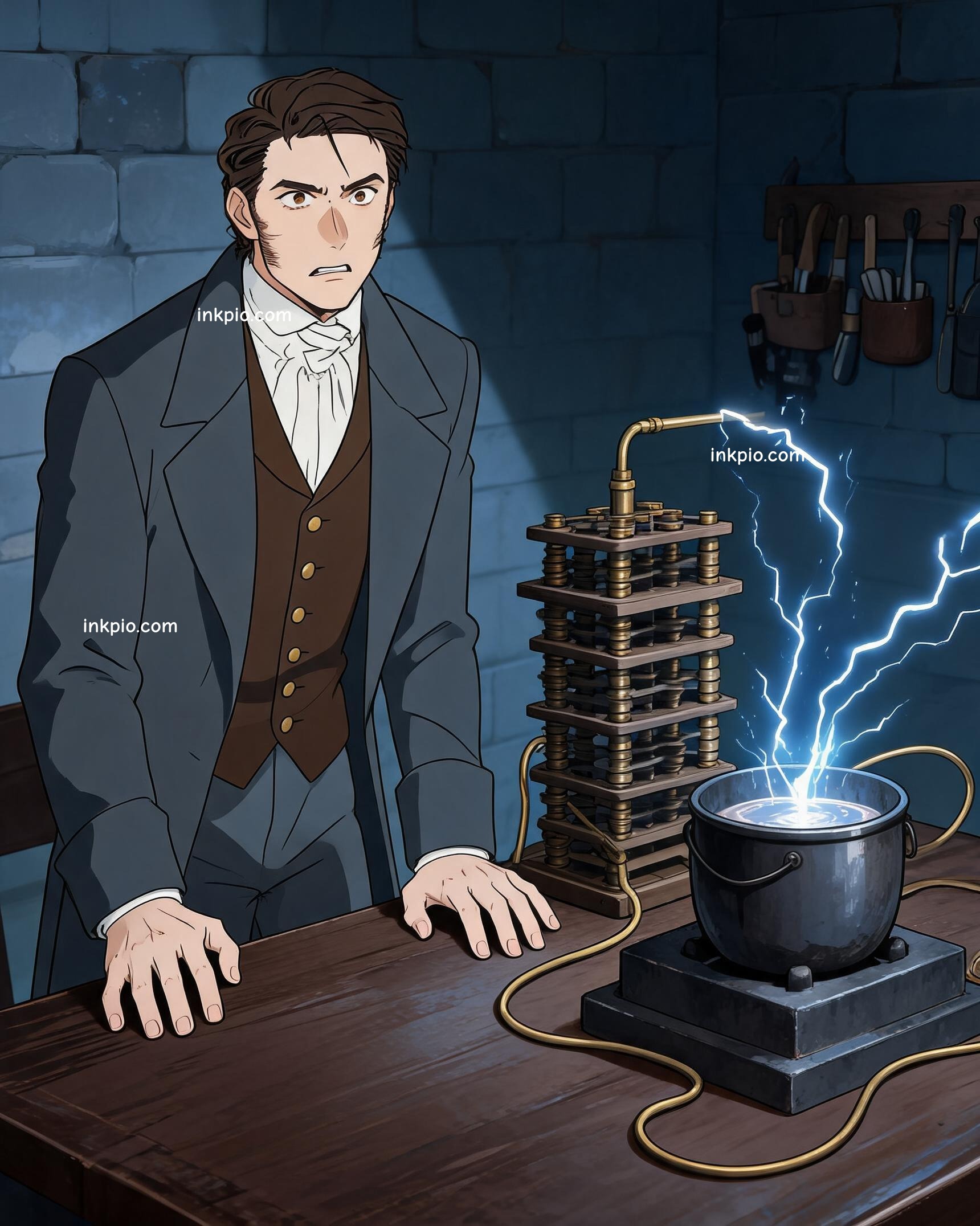
So he turned to a brand new invention: Alessandro Volta’s electric battery. Picture the setup like two invisible teams playing tug-of-war with a heavy rope. Davy hooked platinum wires to the battery’s terminals and dropped them into a glowing iron crucible of melted potash. When the current surged, the invisible teams started pulling hard. Oxygen atoms rushed toward the positive wire, while the negative wire stripped everything else away. The input was just a steady stream of electrons, the operation forced stubborn atoms to let go, and the output promised a completely pure substance.
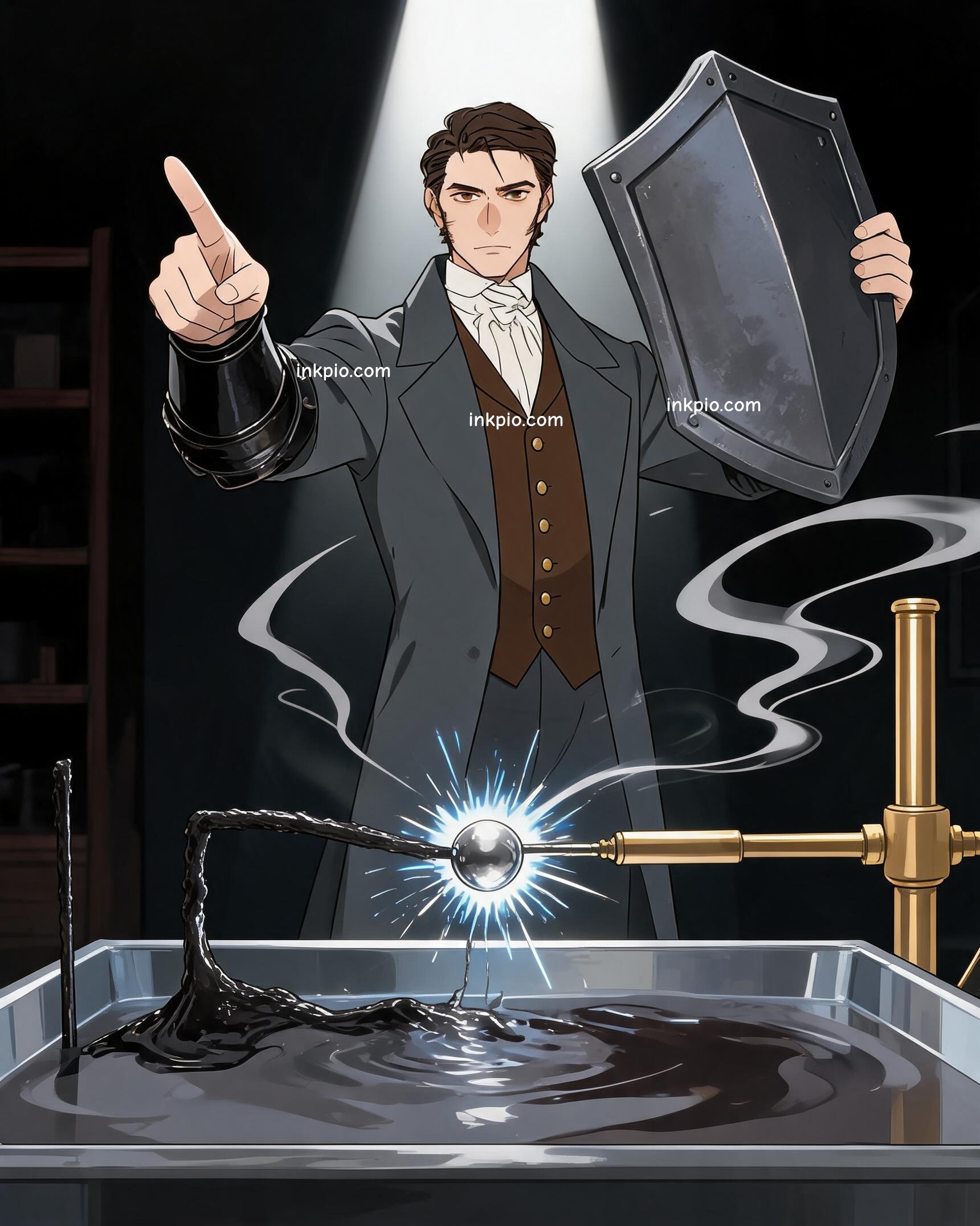
On October 6, 1807, the Royal Institution laboratory hummed with nervous energy. Davy watched the molten liquid churn under the sudden voltage. Right at the negative wire, a tiny silvery sphere popped into view. The sphere refused to linger, and flames swallowed it before it could touch the crucible walls. His assistant flinched at the sudden flash, but Davy’s mind caught up fast. The electricity wasn't warming the potash. It was ripping the oxygen right out, leaving behind something wildly reactive.
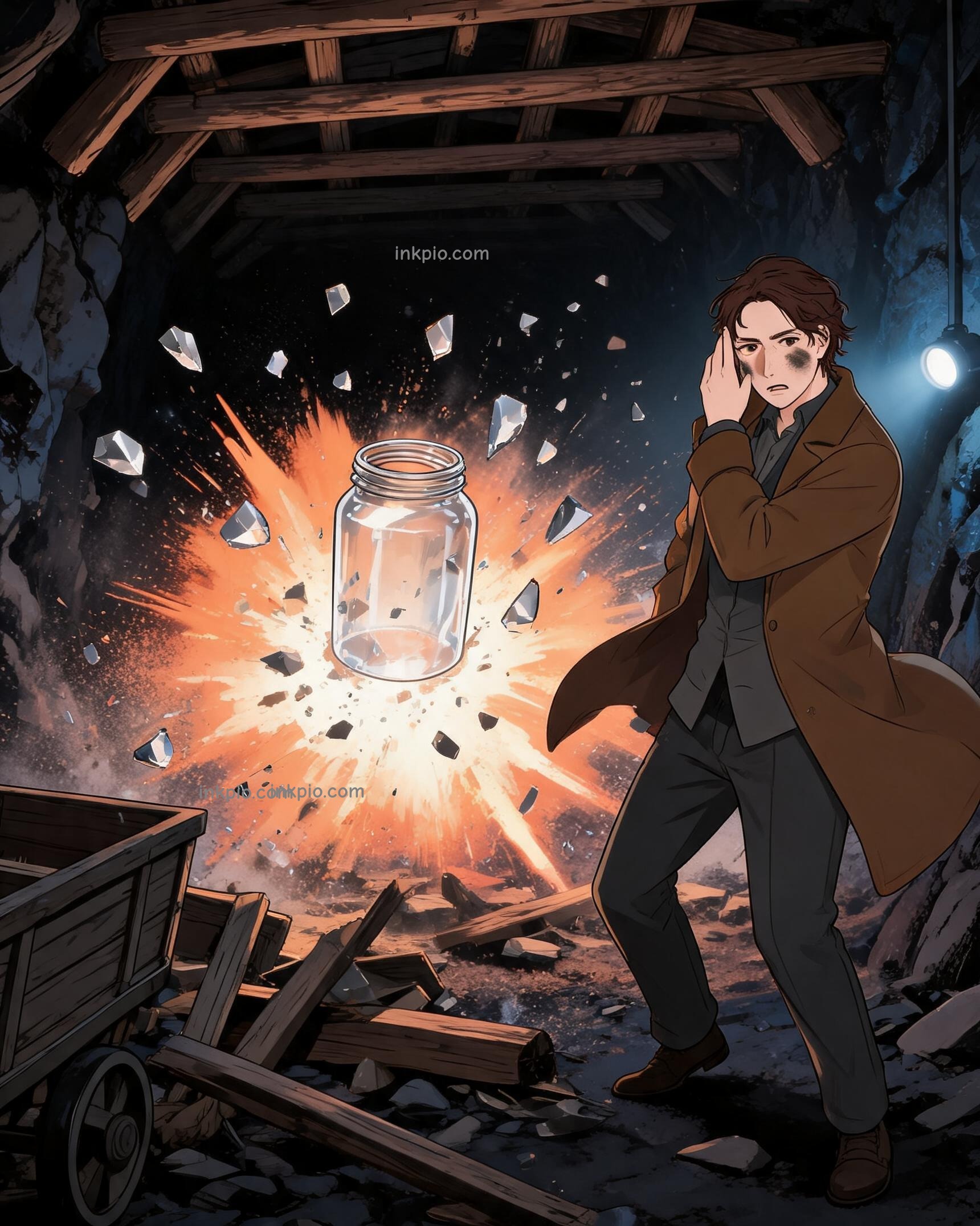
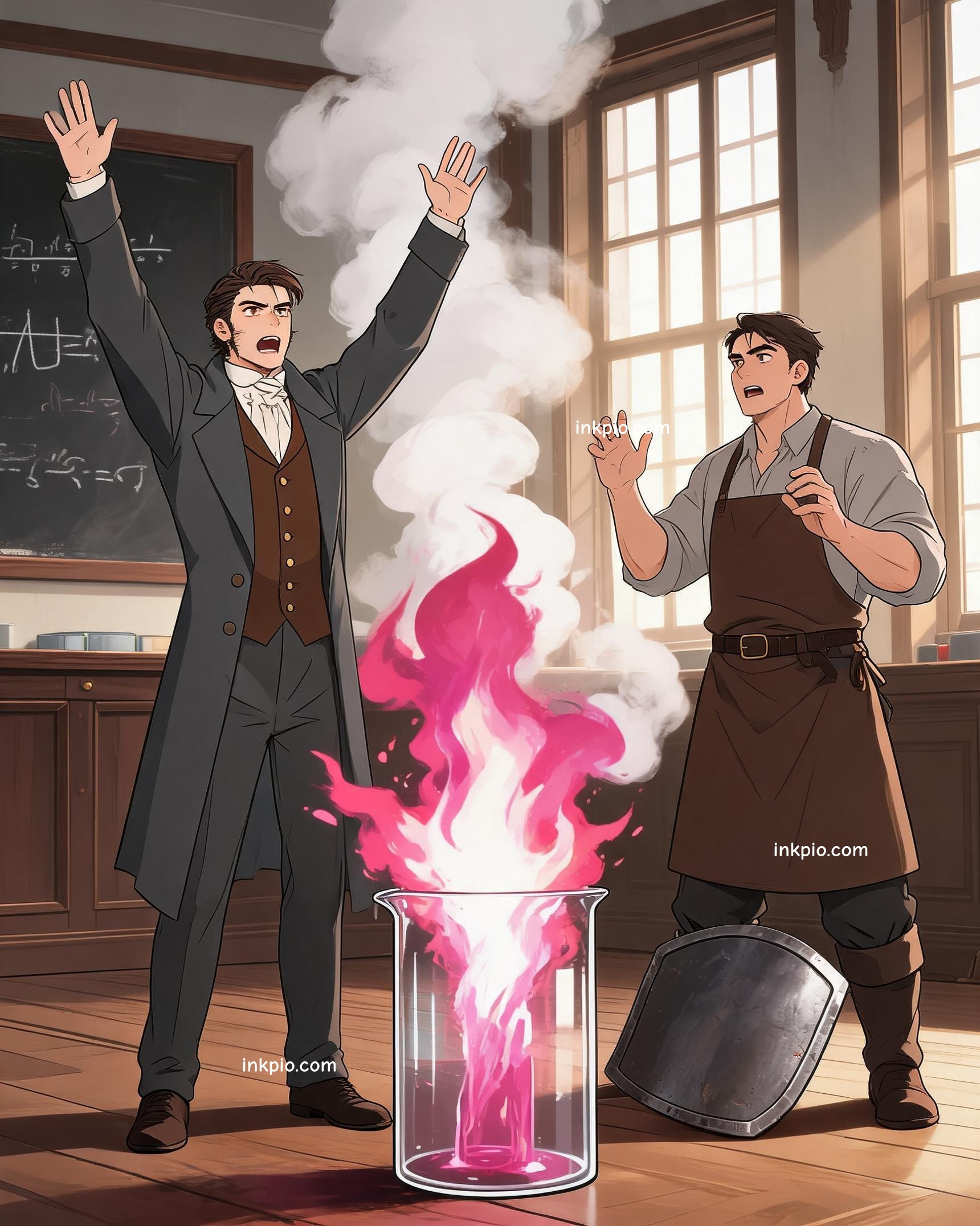
He grabbed a thick iron guard and carefully trapped the next bead before it could escape. With a quick flick, he dropped the glowing speck into a glass bowl of water. The water didn't hesitate. Liquid flashed into a violent violet flame and blasted thick steam toward the ceiling. Davy stepped back as the glass rattled in his hands. He finally saw exactly what he was holding.
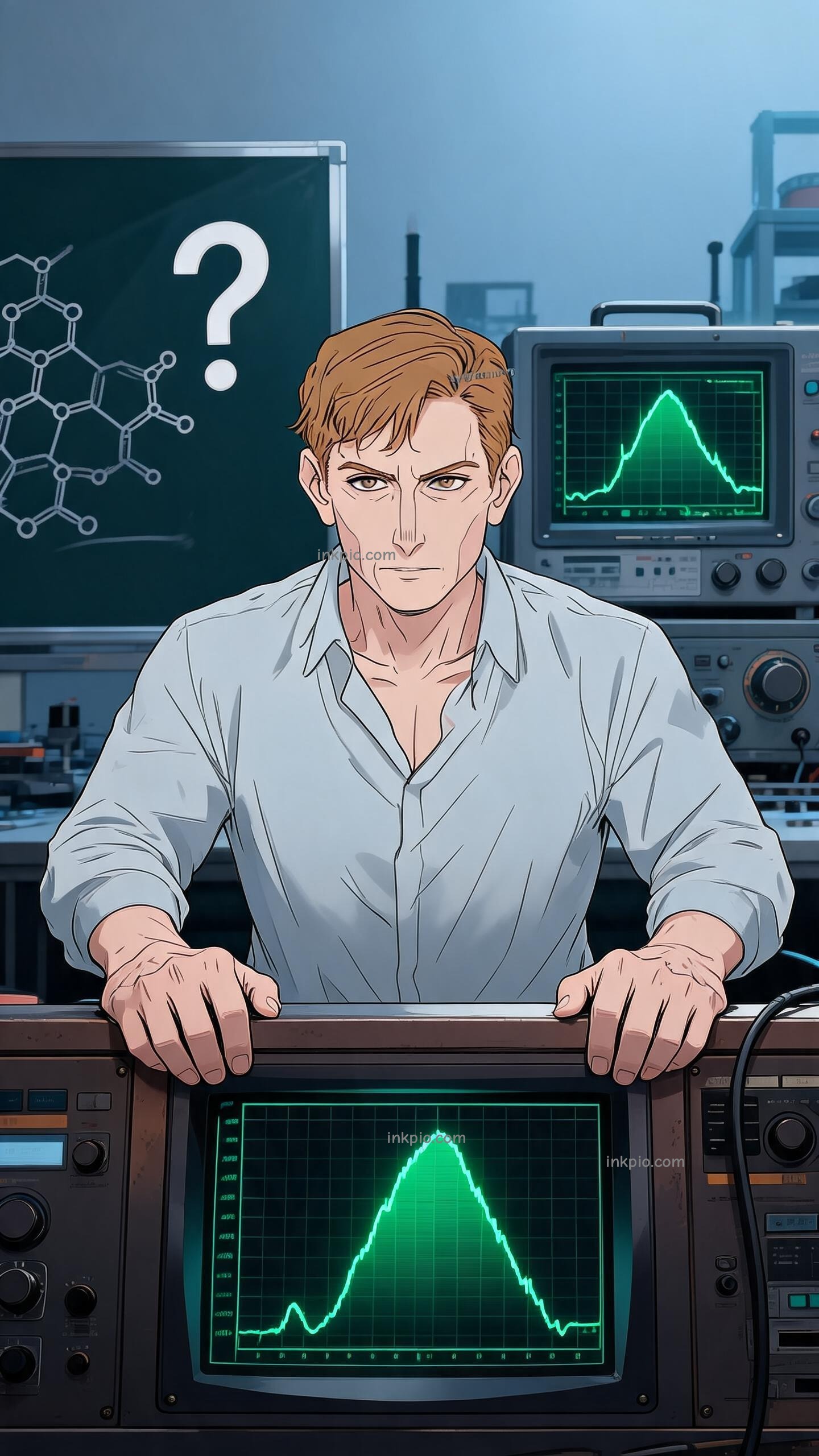
"I have succeeded in decomposing potash and soda, and have obtained metallic bases from them," he said, watching the steam drift toward the rafters. The chalk on the slate wall told the rest of the story. Potash was a locked compound, not a basic building block. That single experiment didn't just clear a worktable. It proved alkalis could be split by current, establishing electrolysis as the foundation of chemical analysis.