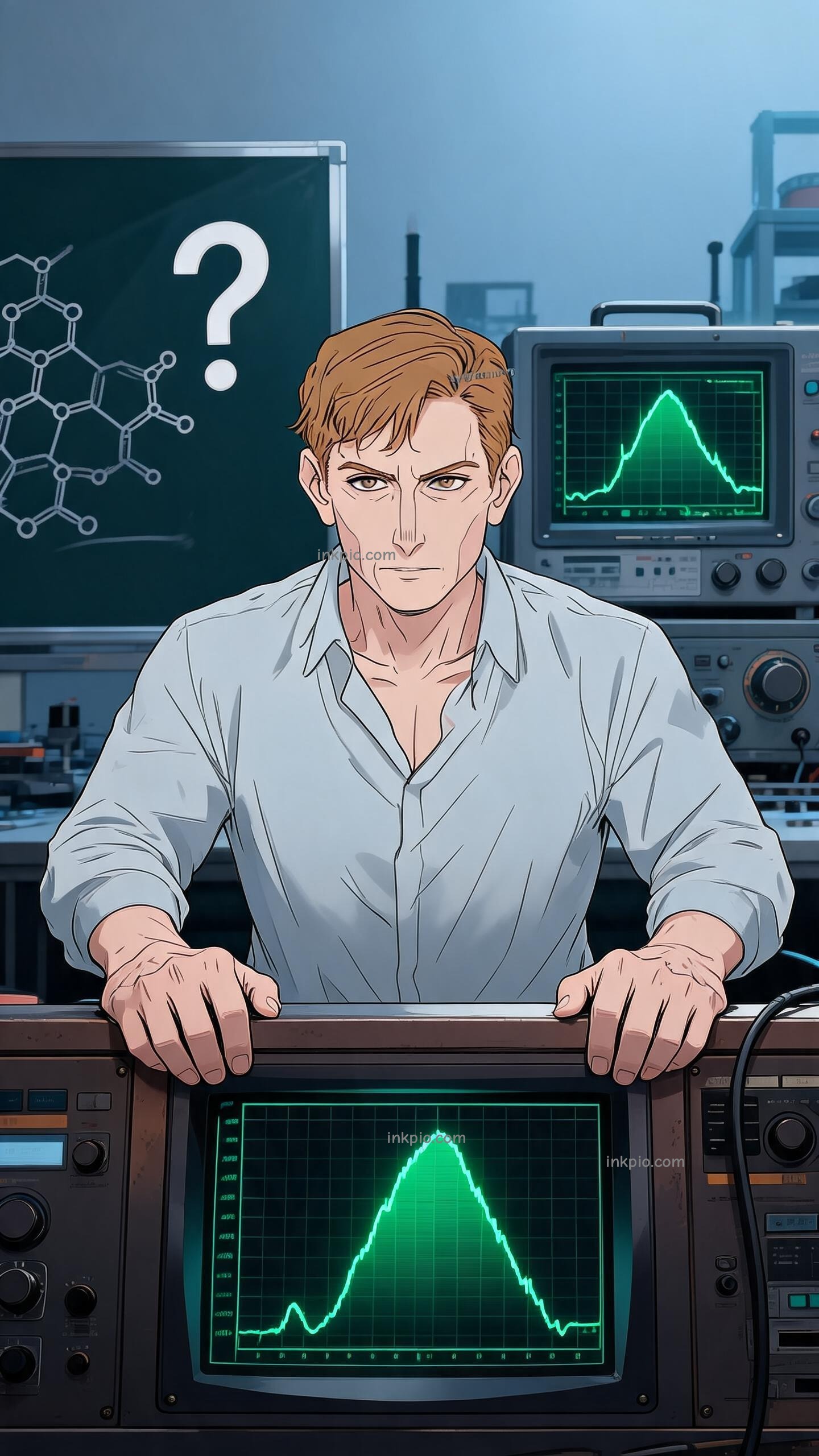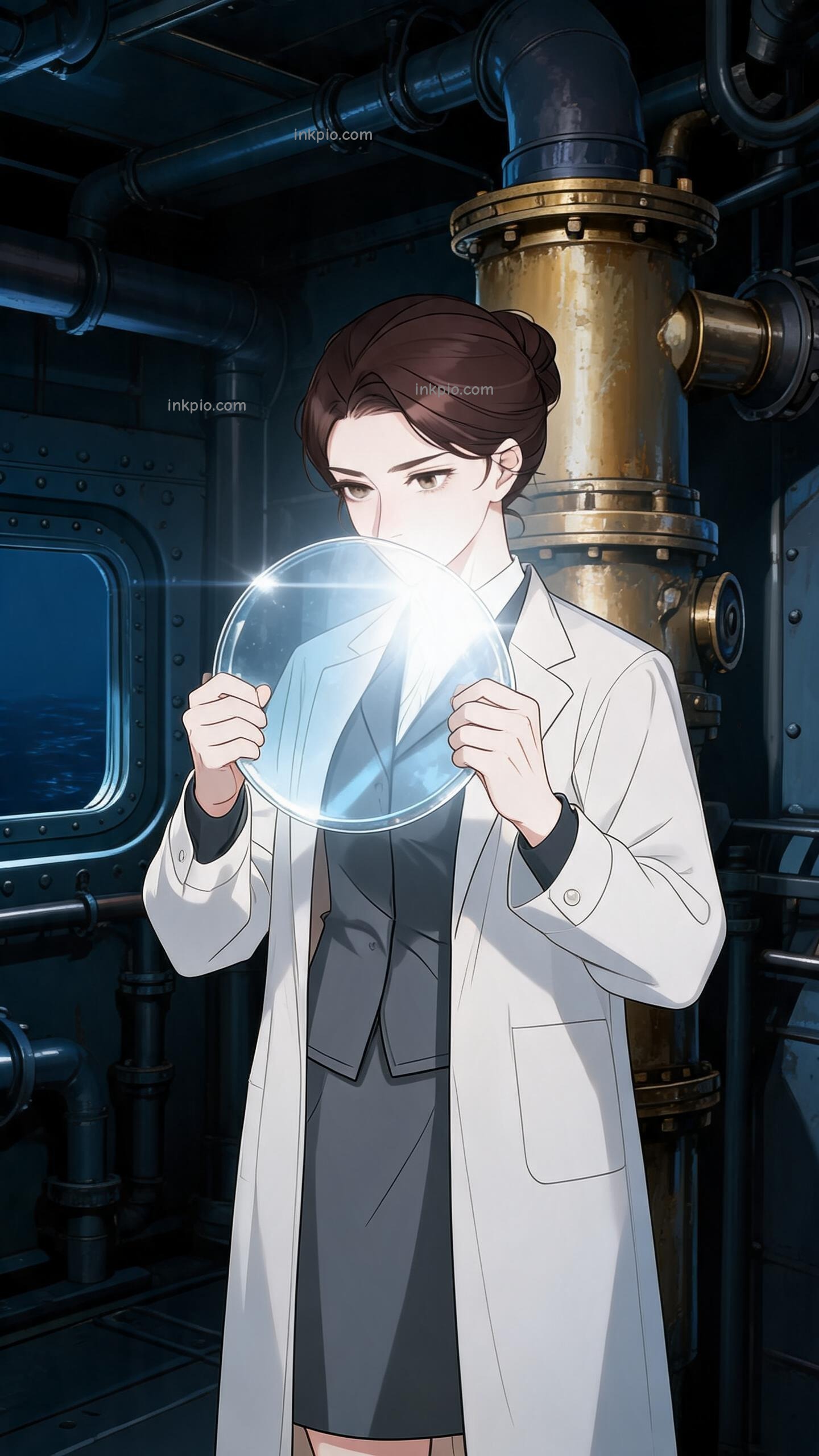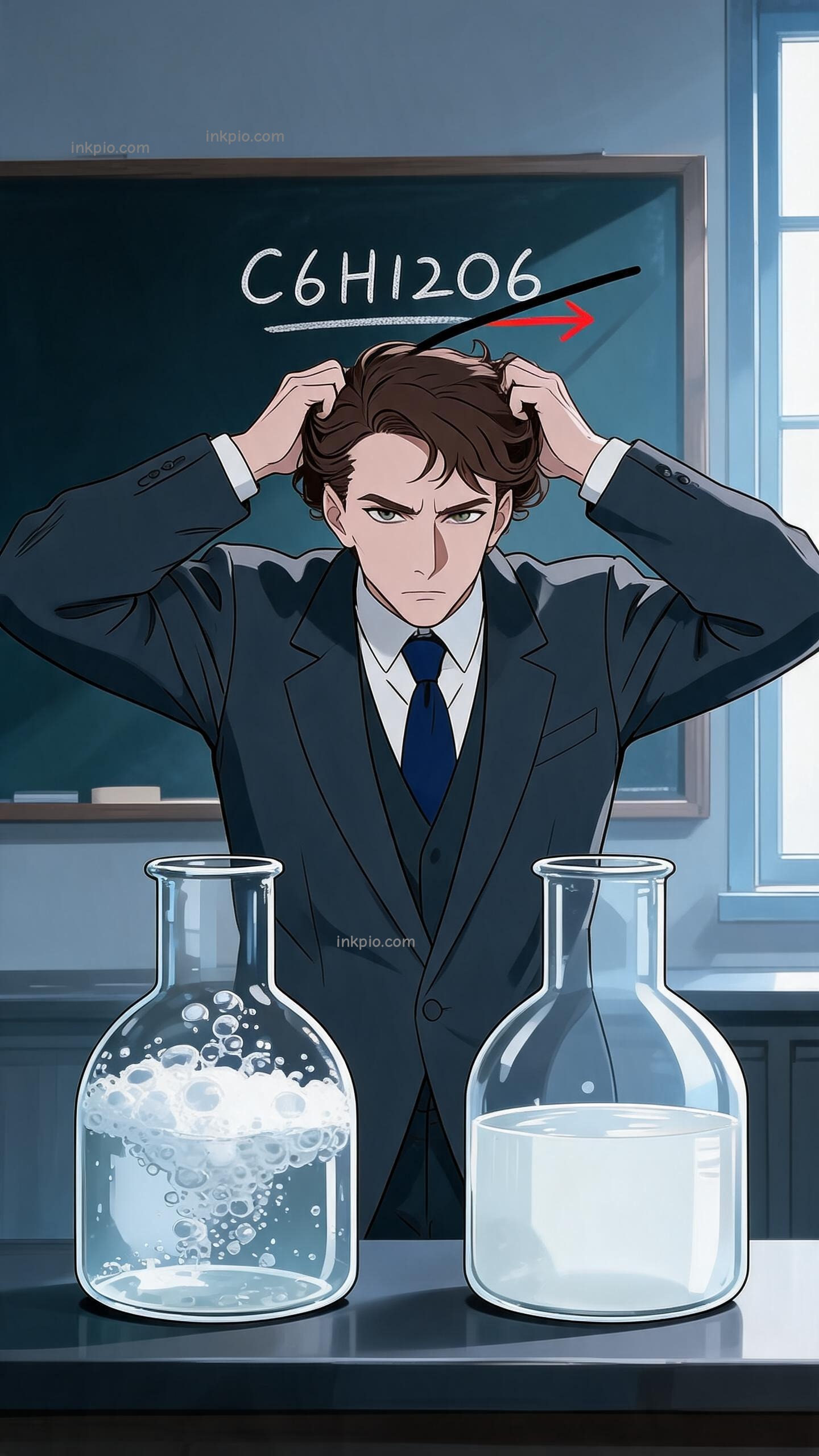
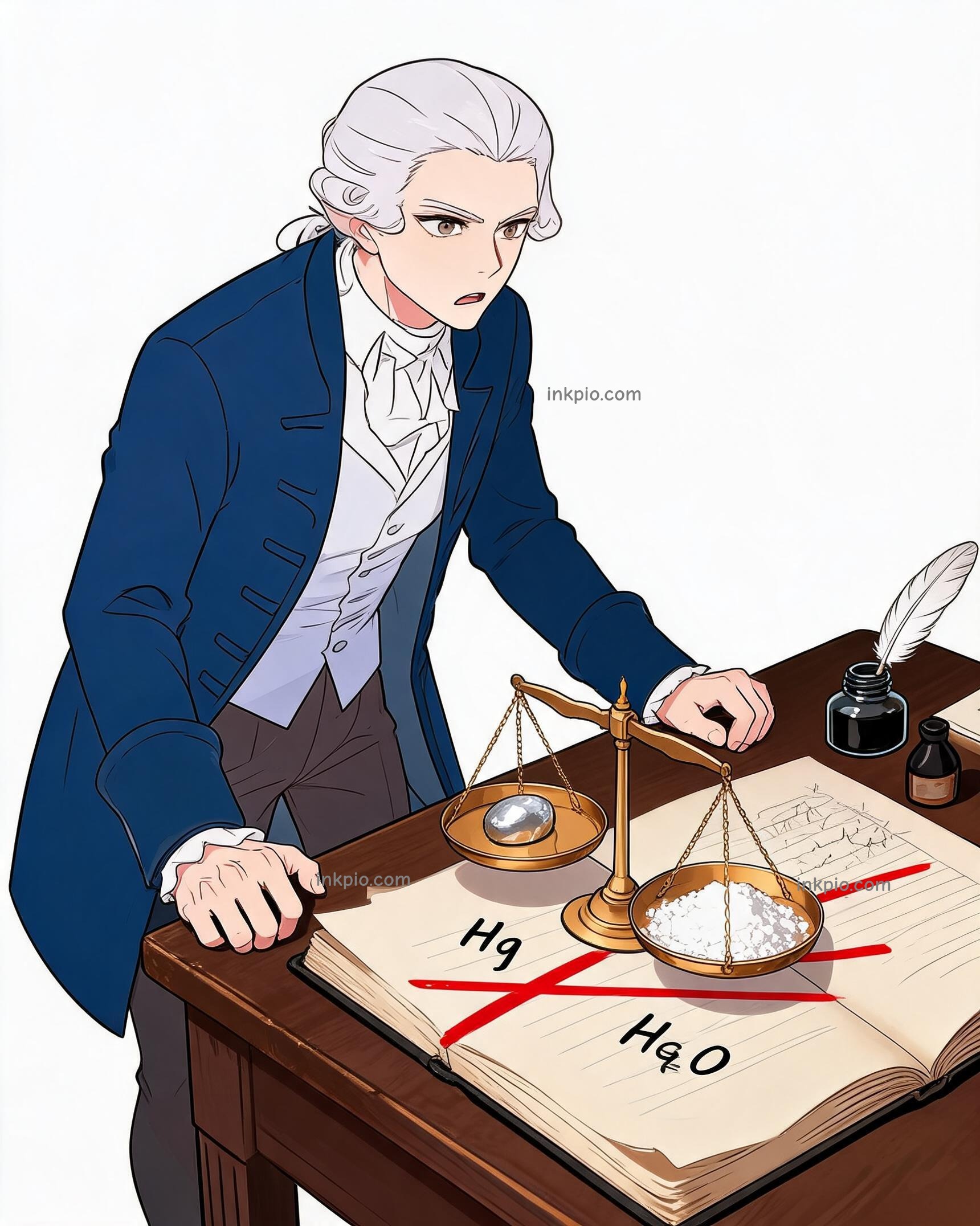

The Paris winter of 1775 bit through the stone walls of Lavoisier’s laboratory. Antoine stood before his brass balance, the cold seeping into his bones, but his eyes were fixed on the pans. On the left lay a lump of shiny silver mercury; on the right, a pile of white ash. The scale tipped decisively to the right. The ash was heavier.
For decades, the chemical world had rested on the comfort of 'phlogiston,' an invisible fire-substance released during burning. Logic dictated that if something escaped, the remainder should be lighter. Yet here, the metal had gained weight. To save their beloved theory, scholars whispered absurdities about phlogiston having 'negative weight.' Antoine listened to these debates with a growing sense of isolation. He felt less like a scientist and more like a man watching others describe a dream while he stood in the waking world.
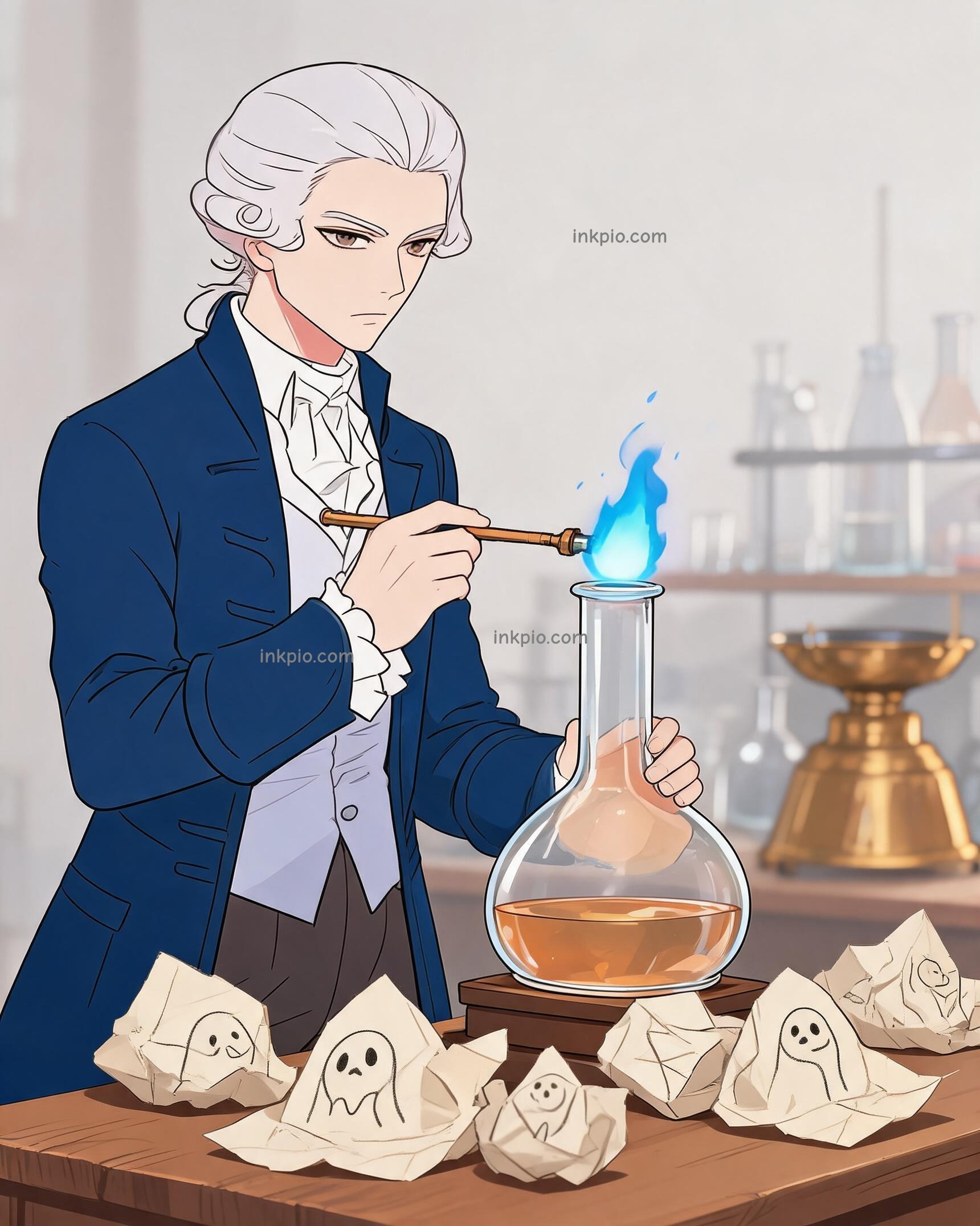
He suspected the air itself was the culprit, combining with the metal. But suspicion was not proof. He needed a closed system, a universe in miniature where nothing could enter or leave. His wife, Marie-Anne, watched him prepare the glass retort. She knew the look on his face—the tight jaw, the trembling hands that steadied only when holding the blowpipe. She did not ask if he was tired. She simply handed him the tools, her silence a anchor in his storm of doubt.
Antoine poured liquid mercury into the curved glass neck and sealed it shut with fire. The setup looked fragile, a bubble of silver trapped in transparent vulnerability. He placed it on the furnace and let it bake for twelve days. The wait was agonizing. Each morning, he checked the red powder forming on the mercury’s surface. Each evening, he noted the air volume shrinking by exactly one-fifth. The visual change was undeniable, but it was not enough. The ghost of phlogiston still haunted the corridors of academic thought.
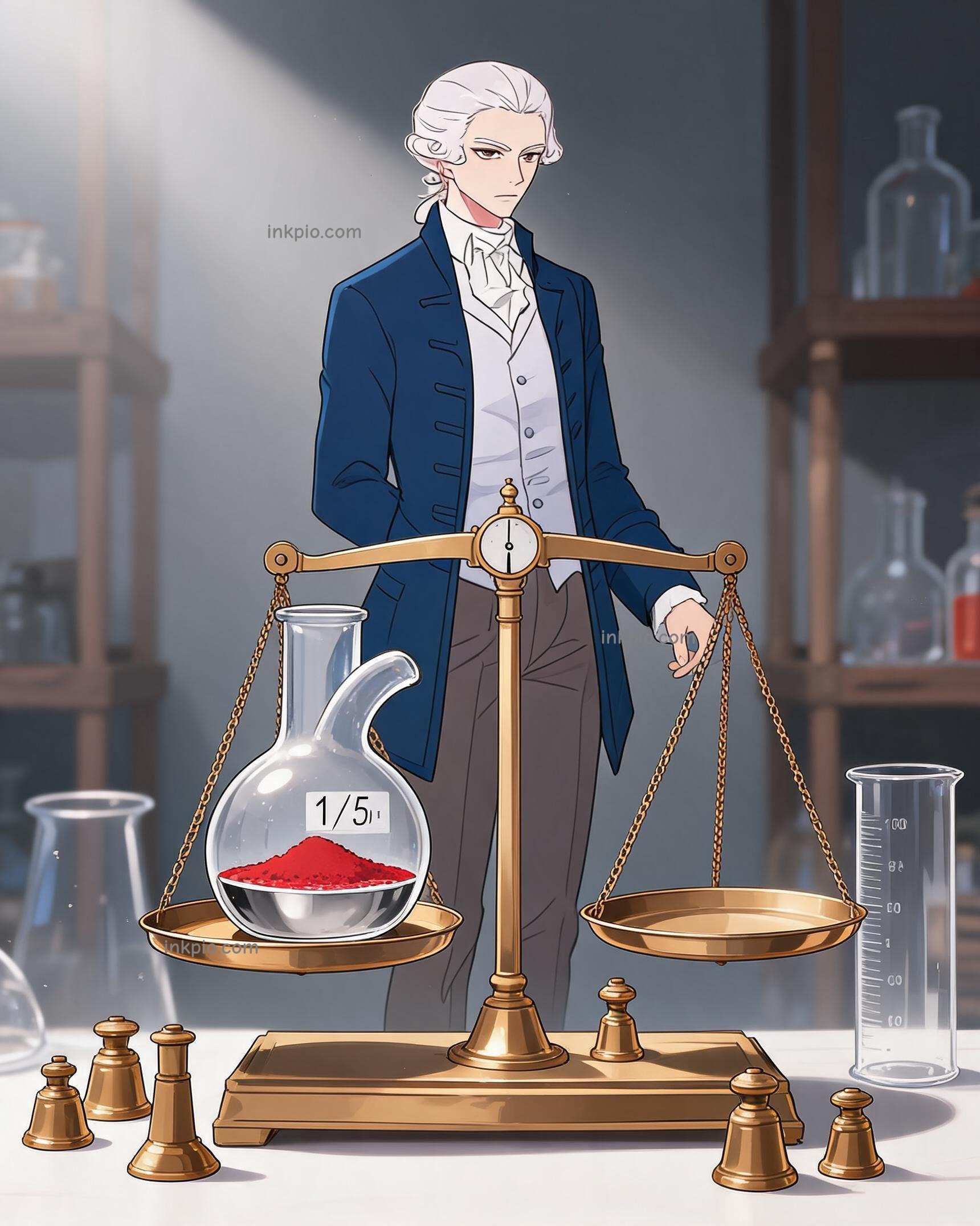
The true test required absolute precision. Before heating, he had weighed the entire sealed system—glass, mercury, and trapped air. Now, after twelve days of heat and transformation, he waited for the apparatus to cool. The room was silent except for the ticking of a clock. Marie-Anne stood by the door, holding her breath. Antoine lifted the cooled retort and placed it gently on the brass scale.
He adjusted the weights. His heart hammered against his ribs, a rhythmic counterpoint to the stillness of the lab. He leaned in, squinting at the pointer. It hovered, then settled. Perfectly centered at zero. The total mass had not changed by a single grain. The metal had not gained weight from nowhere; it had stolen a portion of the air. The phlogiston ghost dissolved, not with a bang, but with the quiet click of a balanced scale.
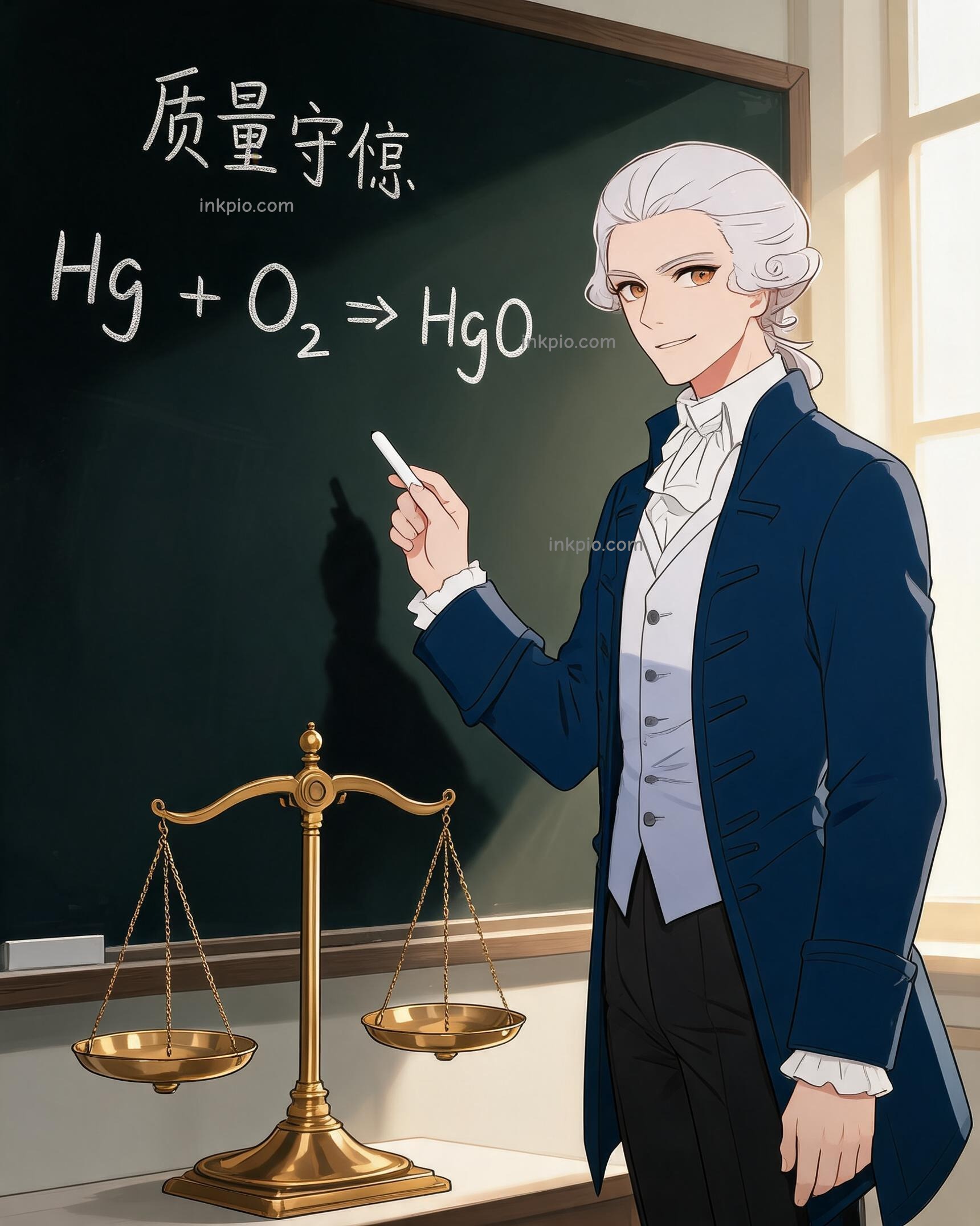
Antoine exhaled, a long, shuddering breath that seemed to release years of tension. He looked at Marie-Anne. She didn’t smile, but her shoulders dropped, the shared burden lifting. He wiped his hands on a rag, the grease and soot marking his skin. Matter had not been created or destroyed; it had merely rearranged itself. The invisible had been weighed, and in that moment, the chaos of nature submitted to order. He turned off the furnace, the darkness of the lab feeling less like a void and more like a canvas waiting for truth.