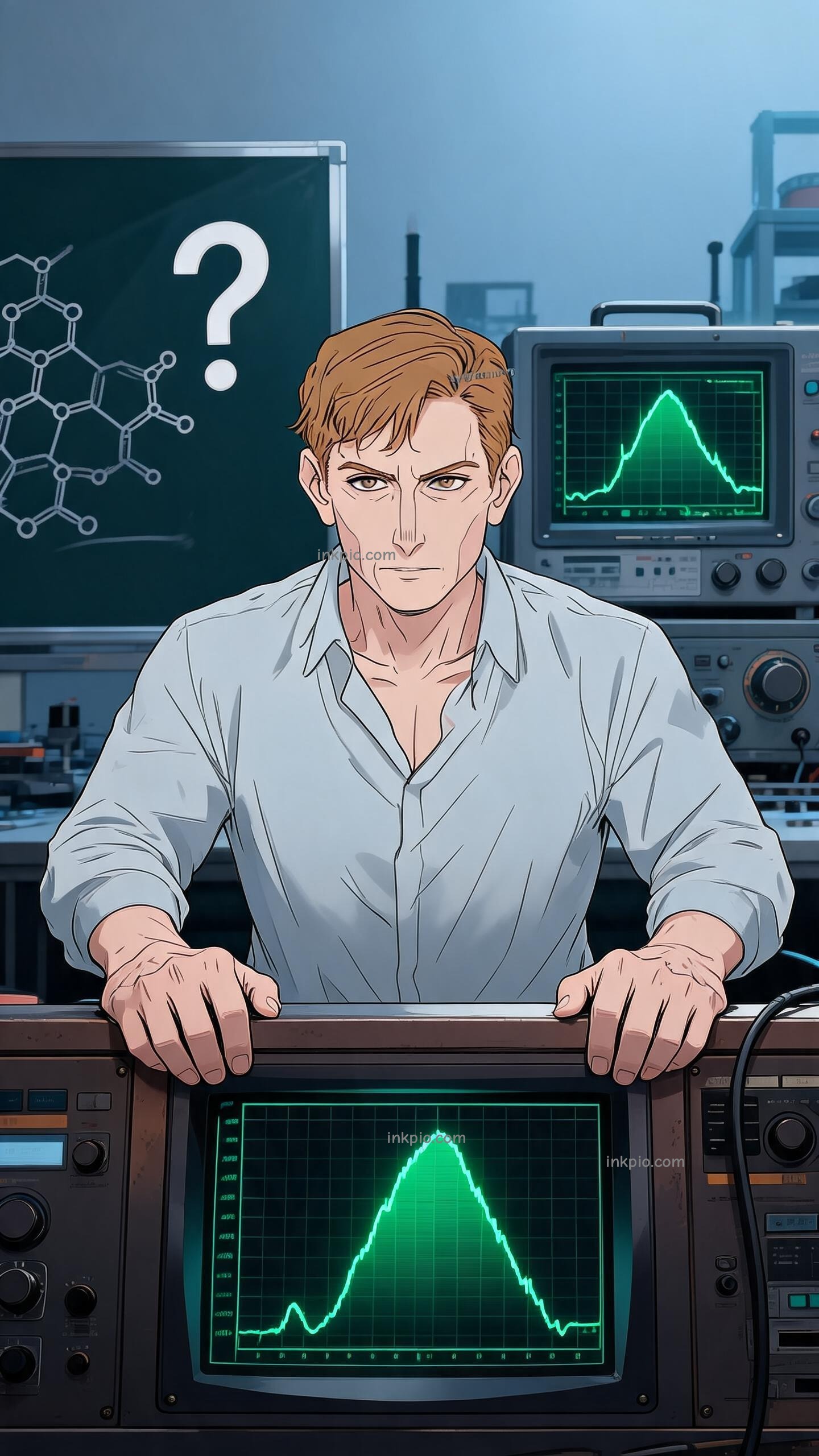
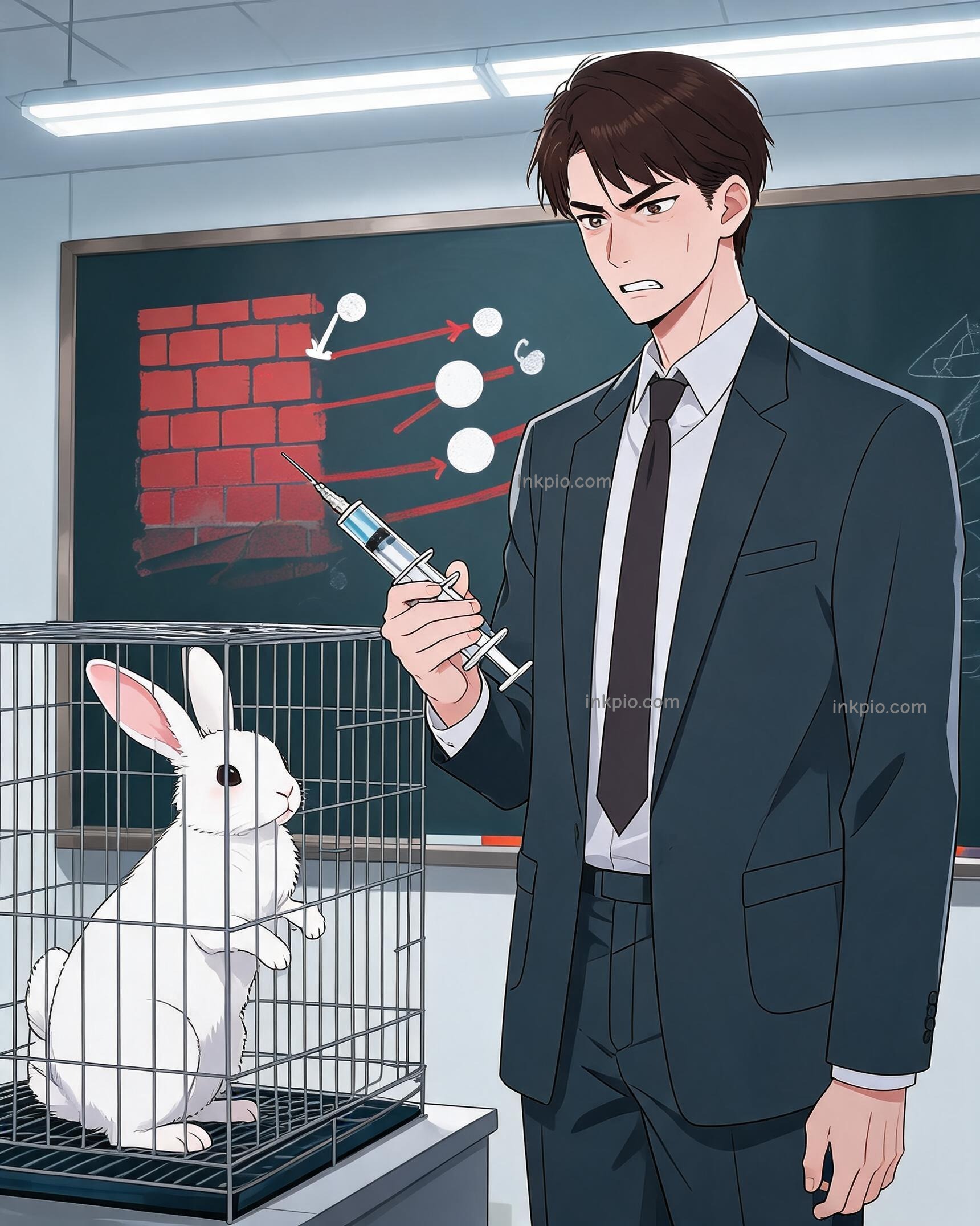

The silence in the lab was heavy, not with peace, but with failure. Arvid Carlsson stared at the rabbits, their bodies locked in a rigid, unnatural stillness. He had injected them with reserpine, stripping their brains of chemicals until they resembled the Parkinson’s patients he saw in clinics—trapped inside frozen shells, minds screaming behind unresponsive eyes. The frustration wasn't just academic; it was personal. Every time a patient froze mid-step, Carlsson felt a pang of helplessness. He knew the brain lacked dopamine, yet injecting the chemical directly into the bloodstream did nothing. The blood-brain barrier, that biological fortress, refused entry.
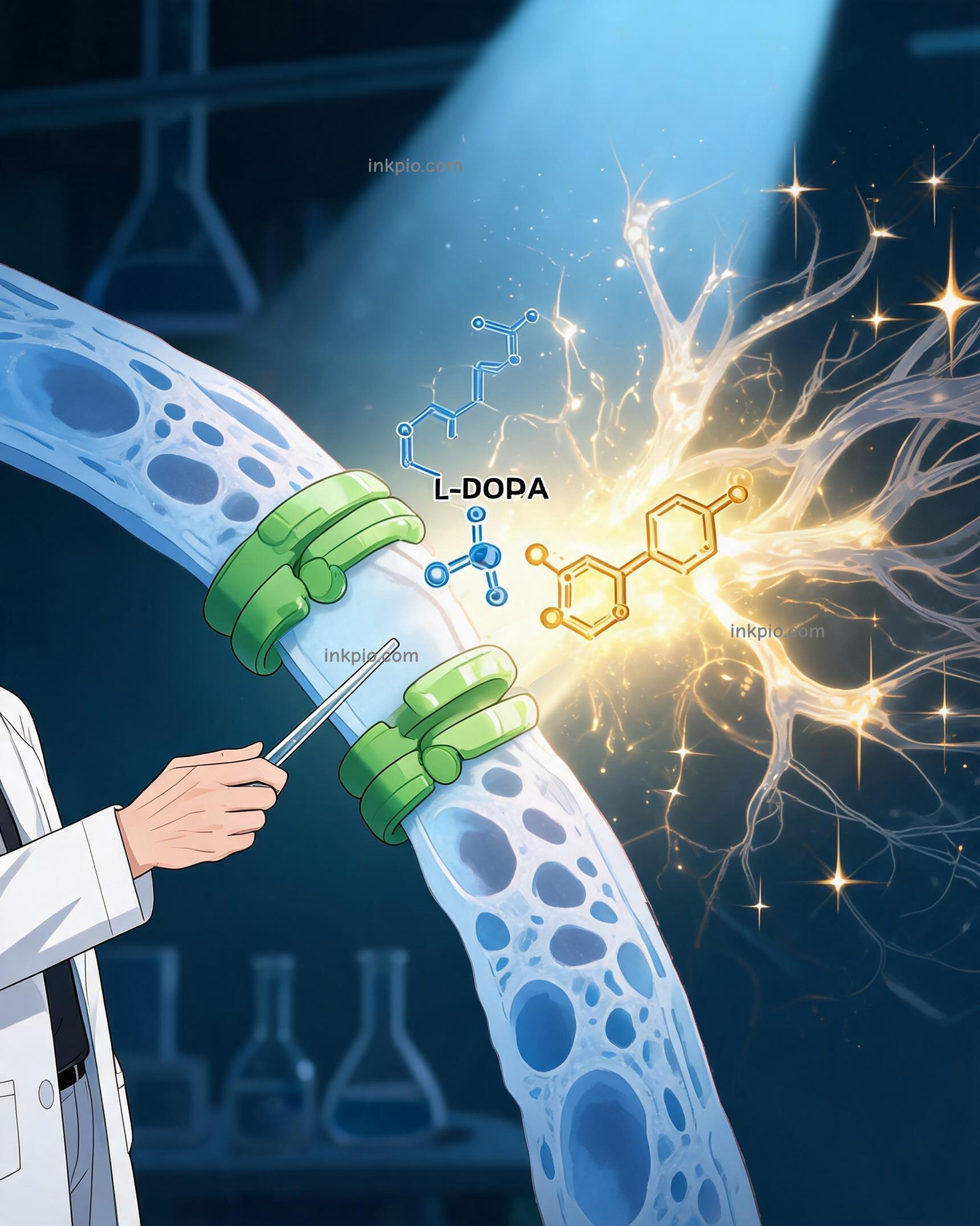
Colleagues whispered that the barrier was impenetrable, a dead end for any hope of treatment. But Carlsson couldn't accept that the body’s own security system would lock the door on a cure. He paced the room, the scent of antiseptic clinging to his coat. The problem wasn't the lack of dopamine; it was the delivery. Dopamine was too large, too complex to slip through the tight junctions of the barrier. It bounced off the wall, useless in the blood, while the brain starved. He needed a Trojan horse, something small enough to pass unnoticed.
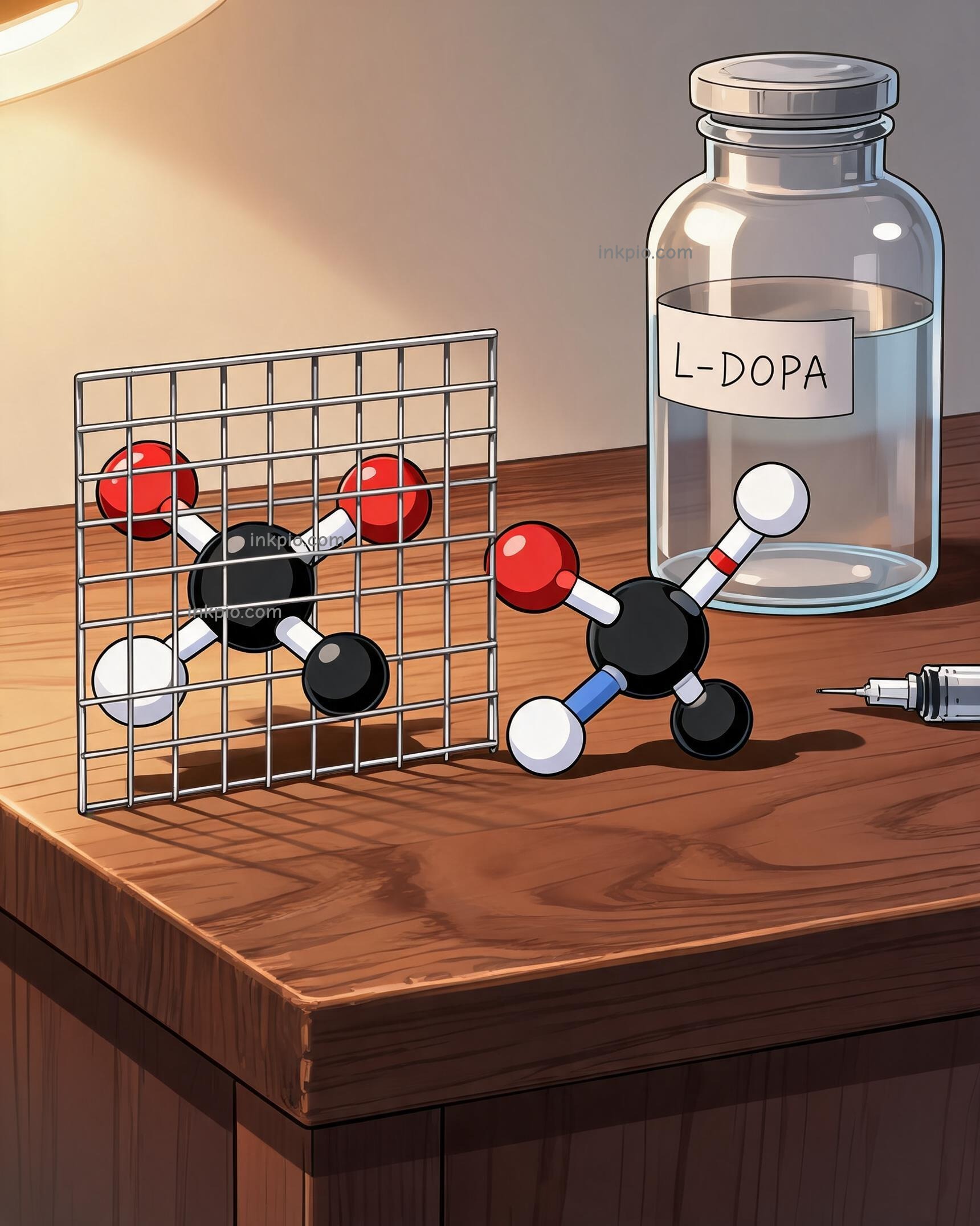
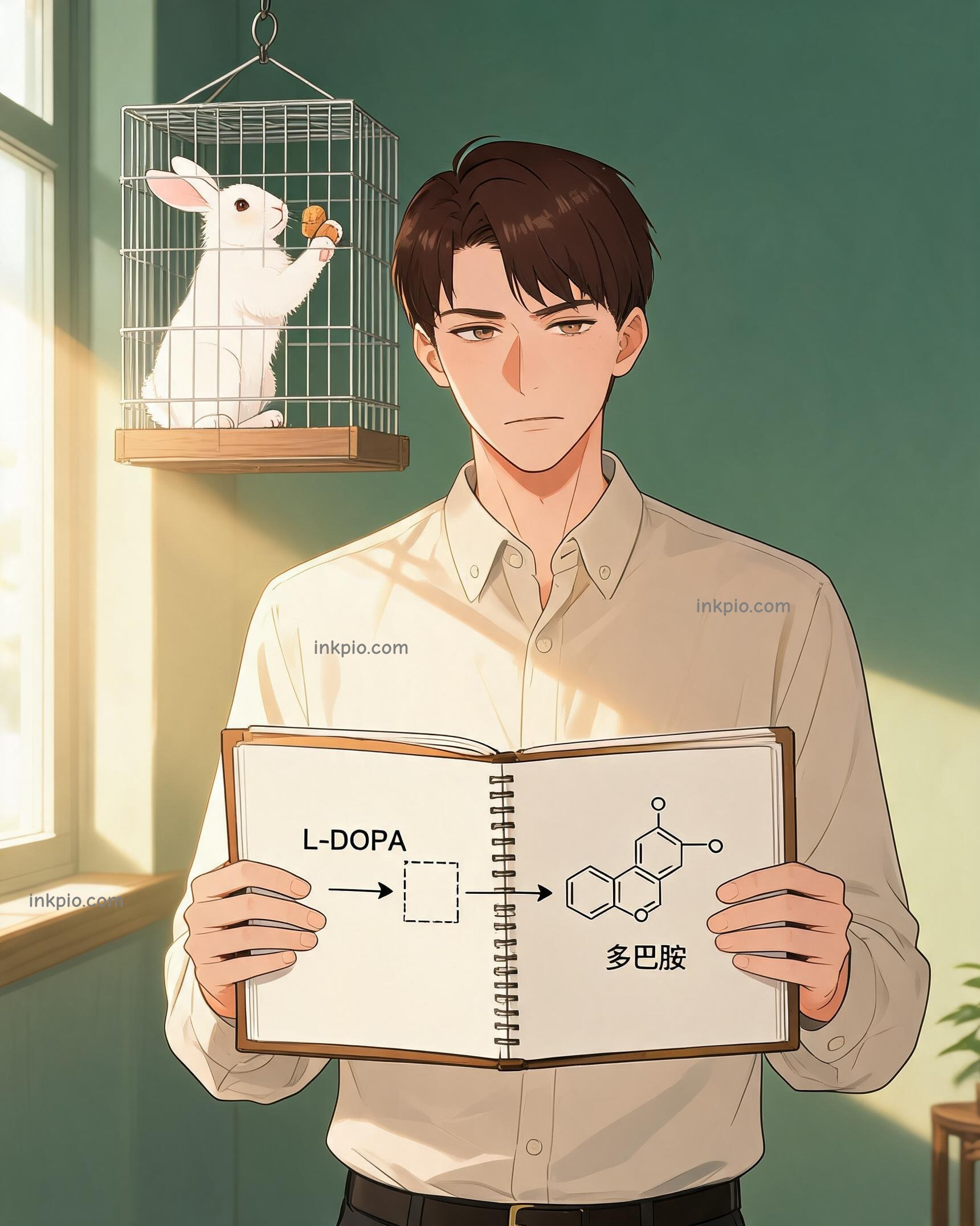
He thought of the precursor, L-DOPA. It was the raw building block, simpler and smaller than the finished neurotransmitter. In his mind, he visualized the barrier not as a wall, but as a narrow mail slot. Trying to force a baked pizza through it was impossible. But slipping the dough and cheese through? That might work. The brain could do the baking itself. It was a gamble, relying on the enzymes inside the brain to convert the precursor back into active dopamine once it crossed the line.
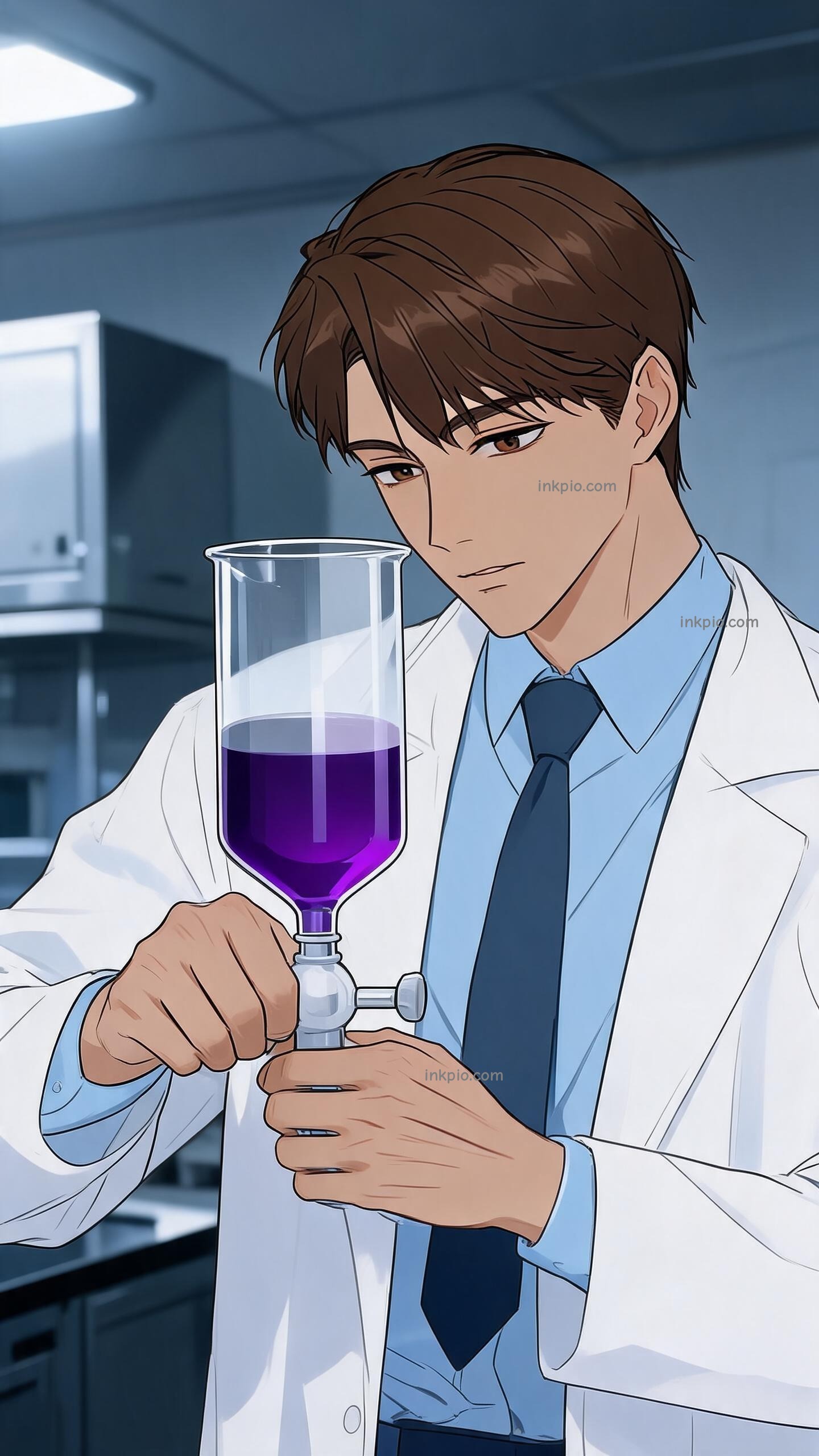
His hands trembled slightly as he prepared the new syringe. This wasn't just another trial; it was a last stand against the inertia that had paralyzed both his subjects and his career. He injected the L-DOPA into the veins of the catatonic rabbits. The liquid disappeared into their systems. Now, they waited. The clock ticked loudly in the quiet room. Minutes stretched into an eternity. Would the precursor dissolve harmlessly, or would it breach the gate?
Then, a twitch. A rabbit’s ear flicked. Then another. Suddenly, the stiffness vanished. The animals shook their heads, blinking away the fog of paralysis. They stood up, wobbly at first, then steady. One hopped toward the food tray, sniffing eagerly. The transformation was visceral. These weren't just data points moving; they were lives returning. Carlsson watched, breath held, as the rabbits explored their cages with renewed curiosity. The barrier had been breached.
In that moment, the abstract concept of a neurotransmitter became real. Dopamine wasn't just a stepping stone; it was the key. The success wasn't loud. There were no cheers, just the soft scuffling of paws on cage floors. But for Carlsson, the sound was deafening. He had found a way to speak to the brain in its own language. The rabbits’ movement proved that the brain could heal itself if given the right tools. He looked at his notes, the ink still wet, and realized the implications stretched far beyond the lab. Somewhere, a person trapped in a frozen body might soon move again.