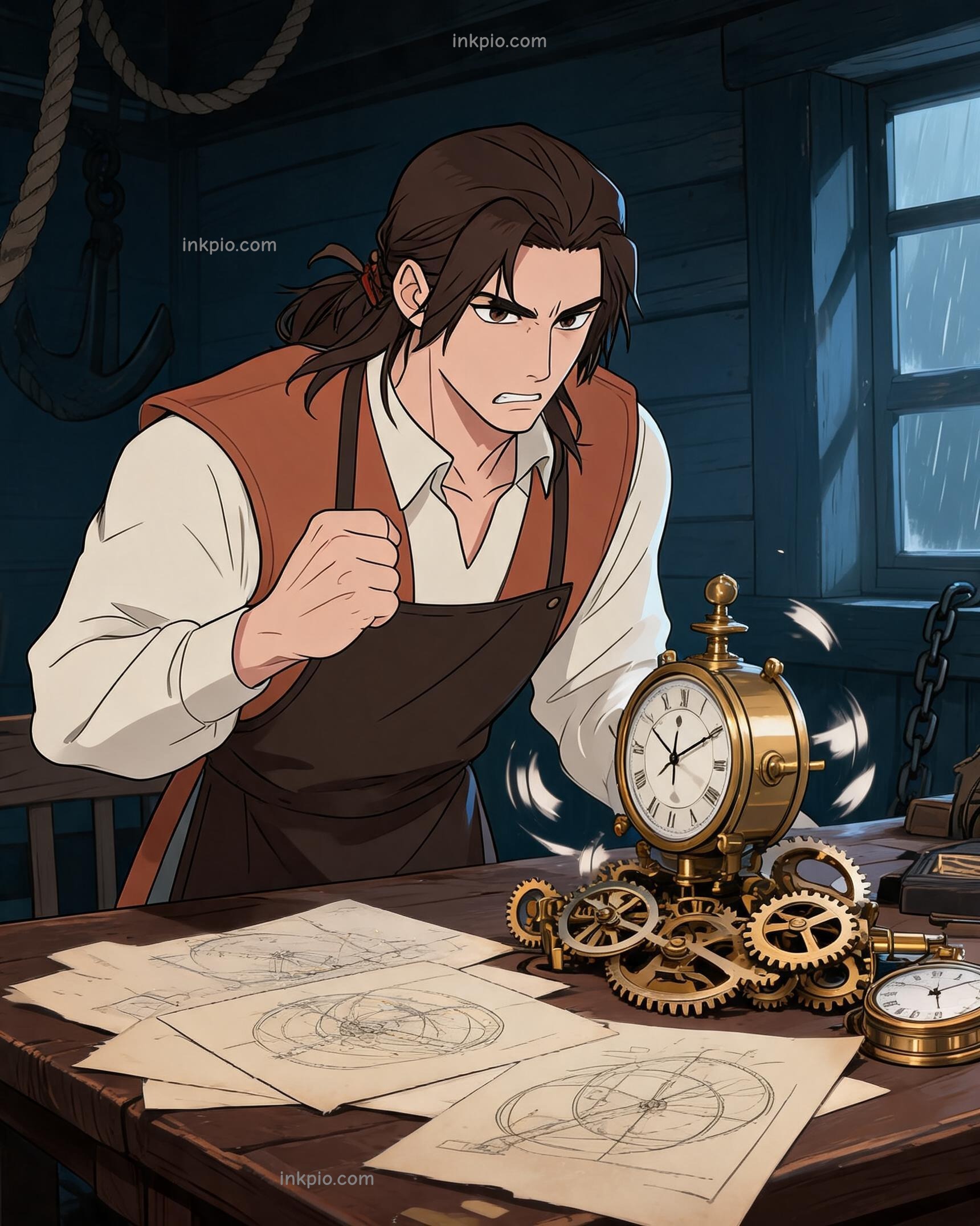


Sailors trusted heavy brass pendulum clocks to guide them home. Those same clocks jammed on rolling decks and warped in shifting temperatures, leaving crews lost at sea. John Harrison watched his early prototypes drift by hours, proving that land-bound timekeeping meant nothing on the water. He spent five years developing new designs before he finally saw the pattern in a blacksmith’s forge.
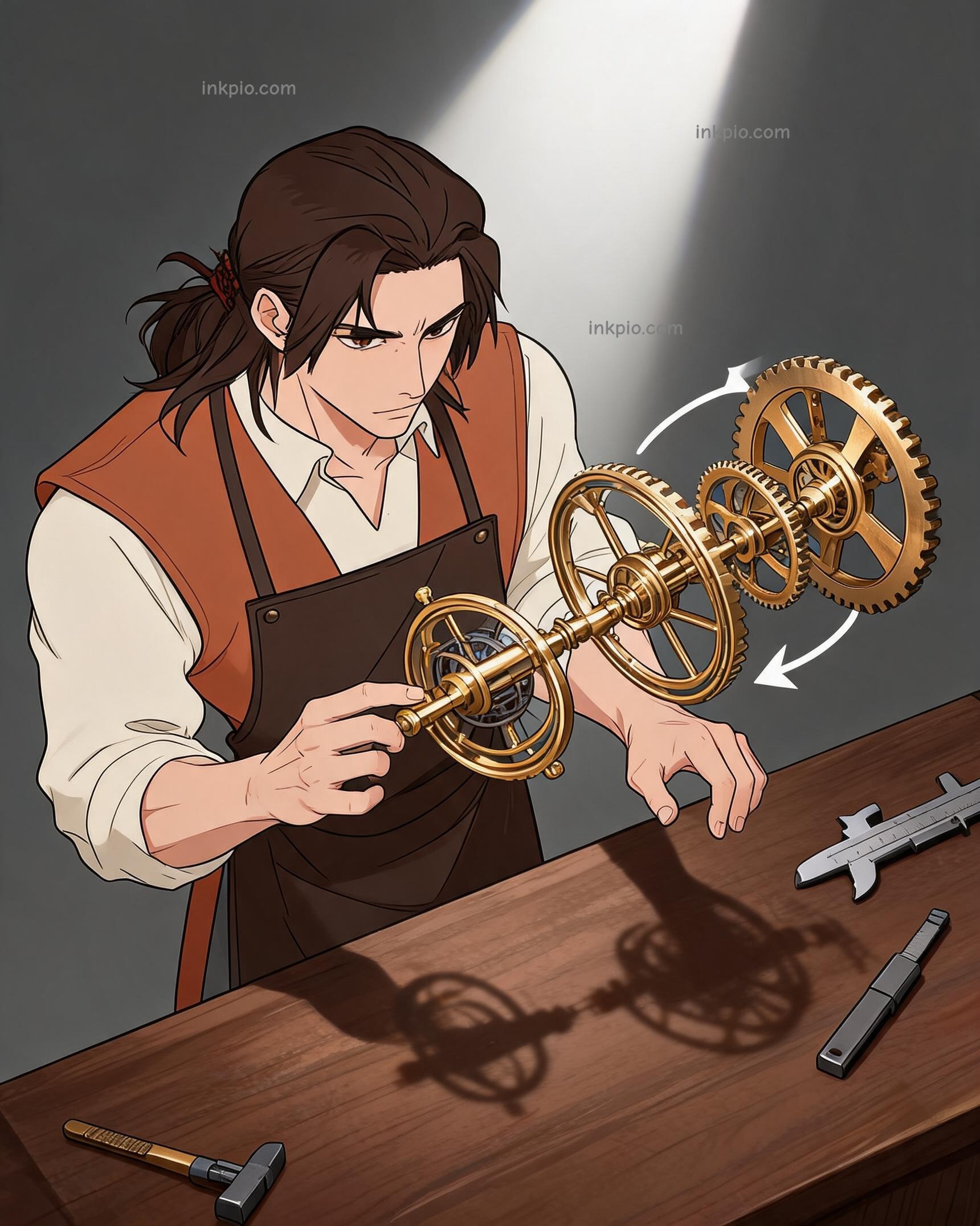
He noticed iron and wood reacting to the same fire at completely different speeds. That mismatch gave him the blueprint. Harrison linked two heavy balance wheels so they swung in strict opposition, much like two people pushing opposite ends of a heavy table to keep it perfectly level. The opposing motion split the ship’s violent roll, leaving the internal gears untouched. He then paired expanding brass with dense lignum vitae wood, letting the materials push against each other as temperatures changed. The thermal shifts canceled out before they could ever touch the timing mechanism.
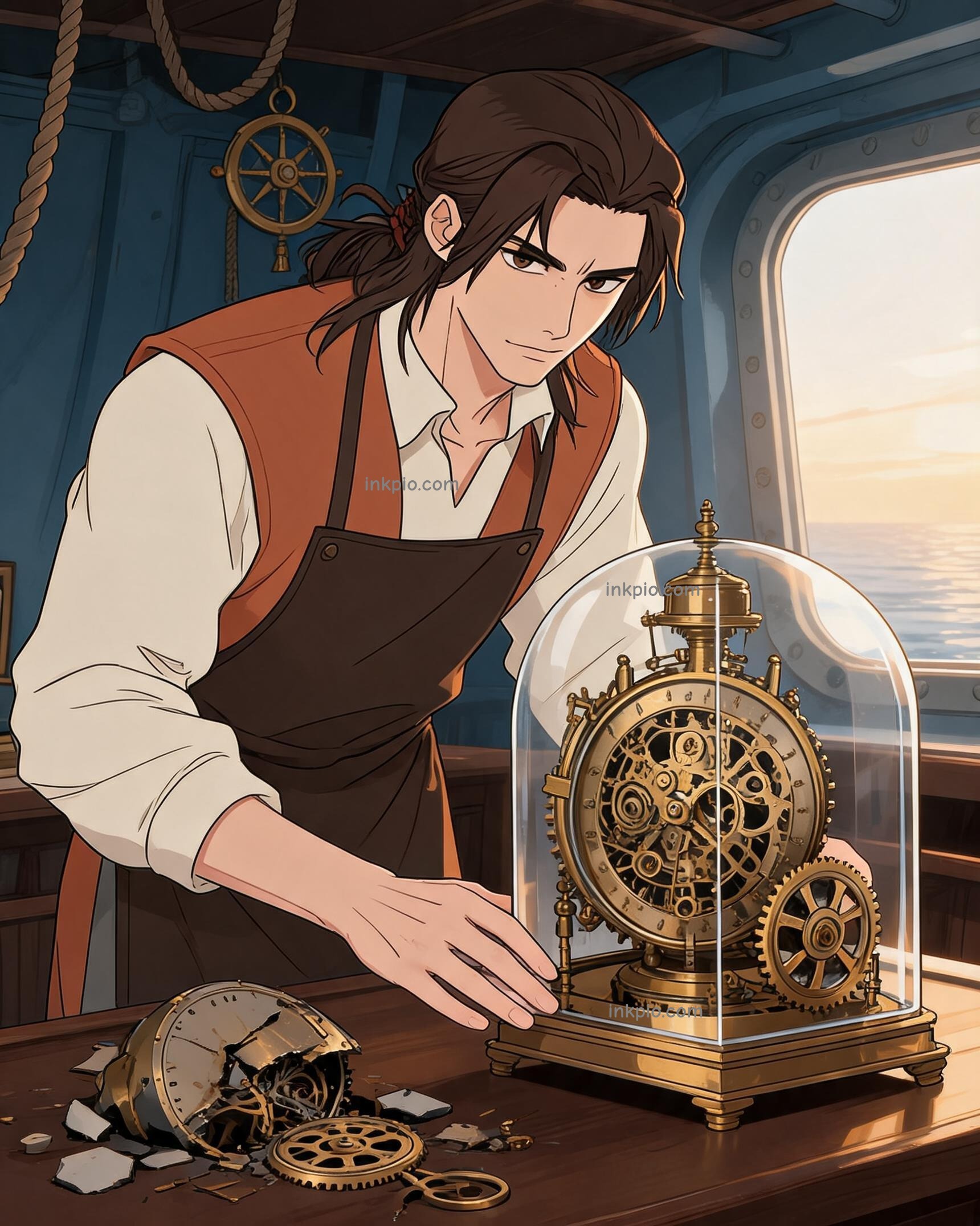
Harrison completed the H1 marine chronometer in 1735 and loaded it onto the HMS Centurion for a 1736 trial. The ship cut through Atlantic swells while the heavy brass casing sat on a violently shaking table. The chronometer did not flinch. Its twin wheels kept their quiet, opposing rhythm, and the hands marched forward without a single stutter. When the transatlantic voyage ended, the clock maintained longitude accuracy within half a degree of the actual mark.
The sea still threw its worst at the deck, but time finally stayed still. Harrison rested his hand on the warm casing and listened to the steady tick. He had turned a chaotic ocean into a predictable map.