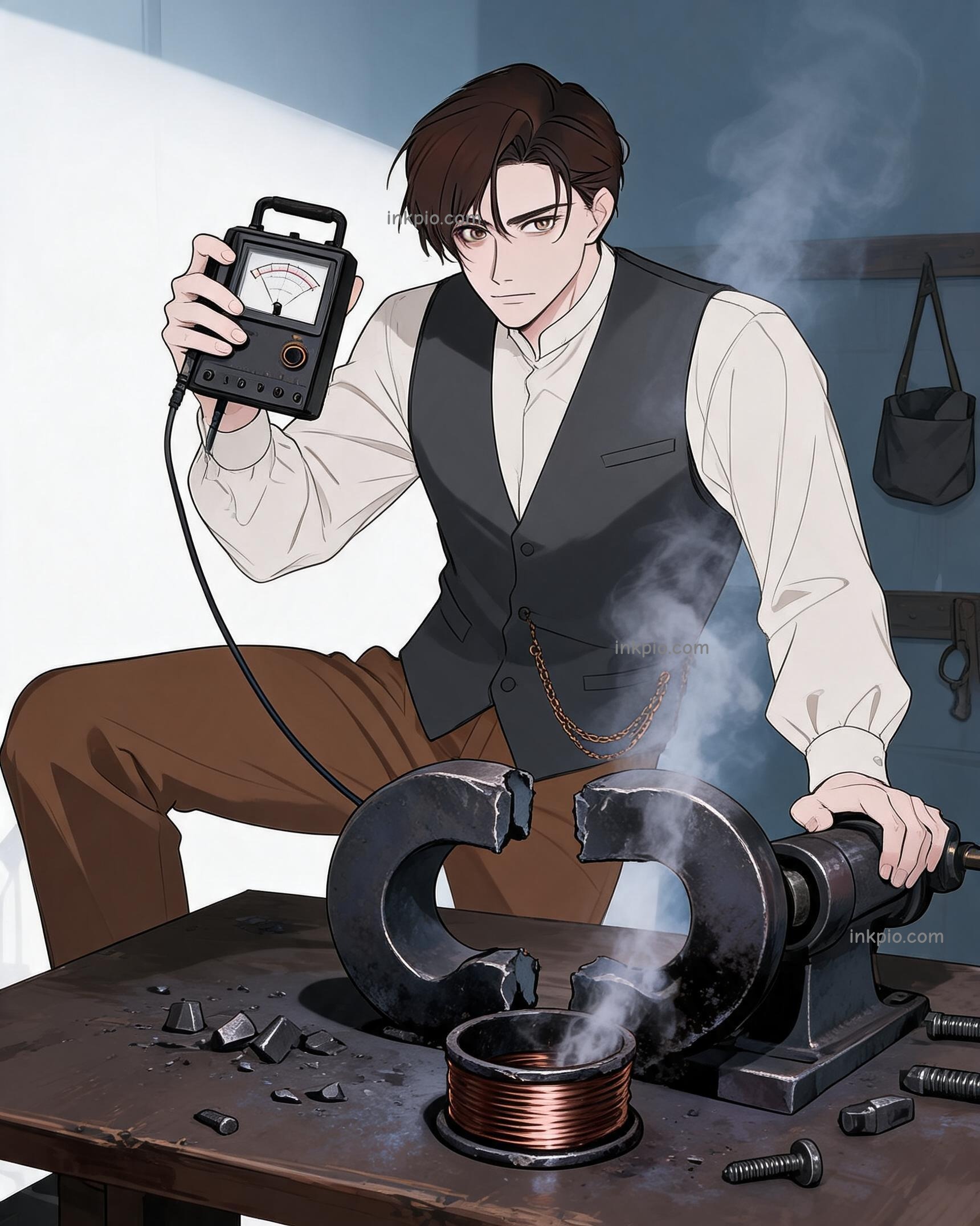
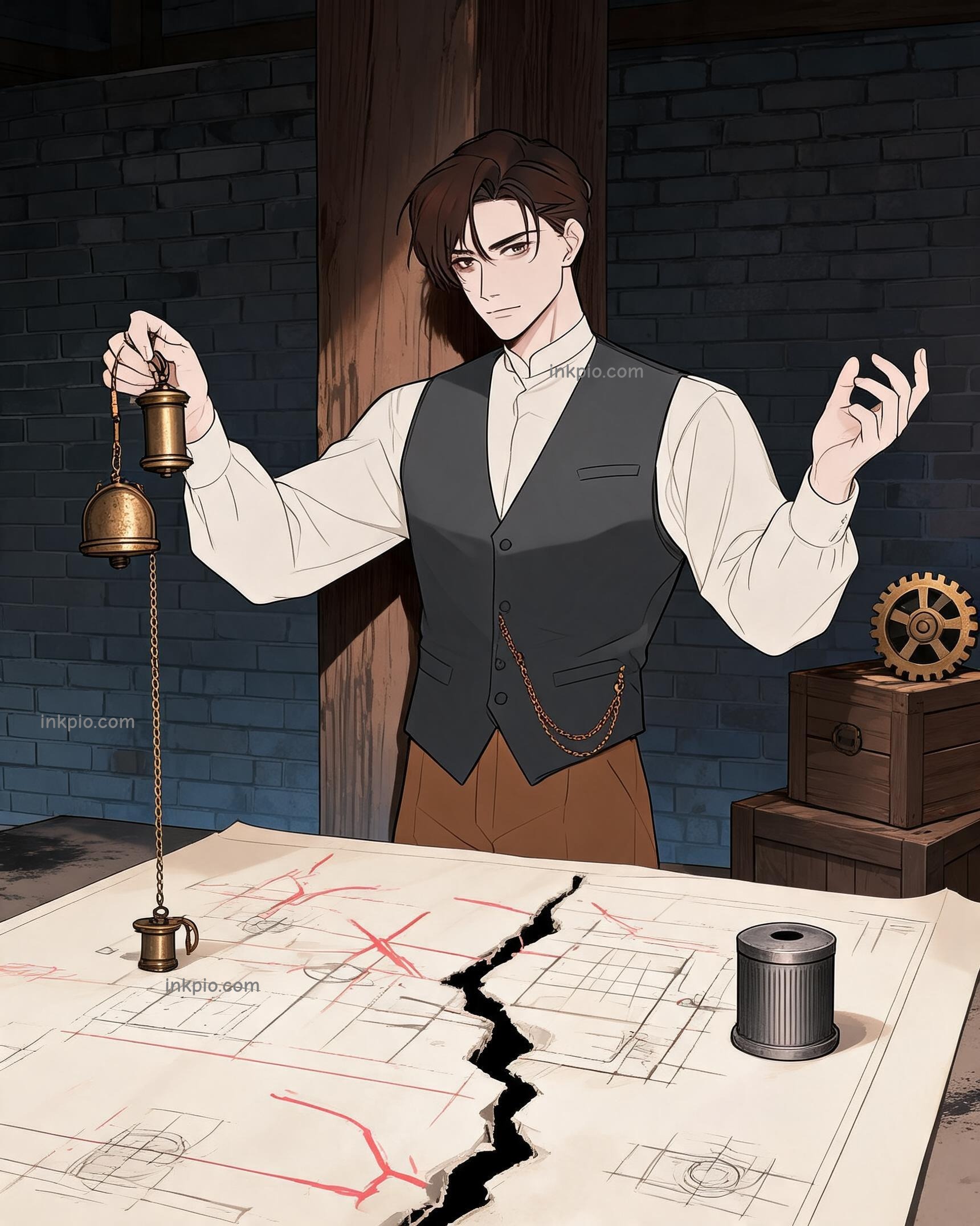

Prussia needed steady power for its expanding factories, but early generators were dead weight. Siemens kept swapping out massive iron blocks, hoping one would finally spin fast enough. The machines just stalled. Coils overheated, filling the workshop with the smell of scorched varnish, while the brass galvanometer needle refused to budge. He finally dragged another failed model to the floor and started prying the casing loose.
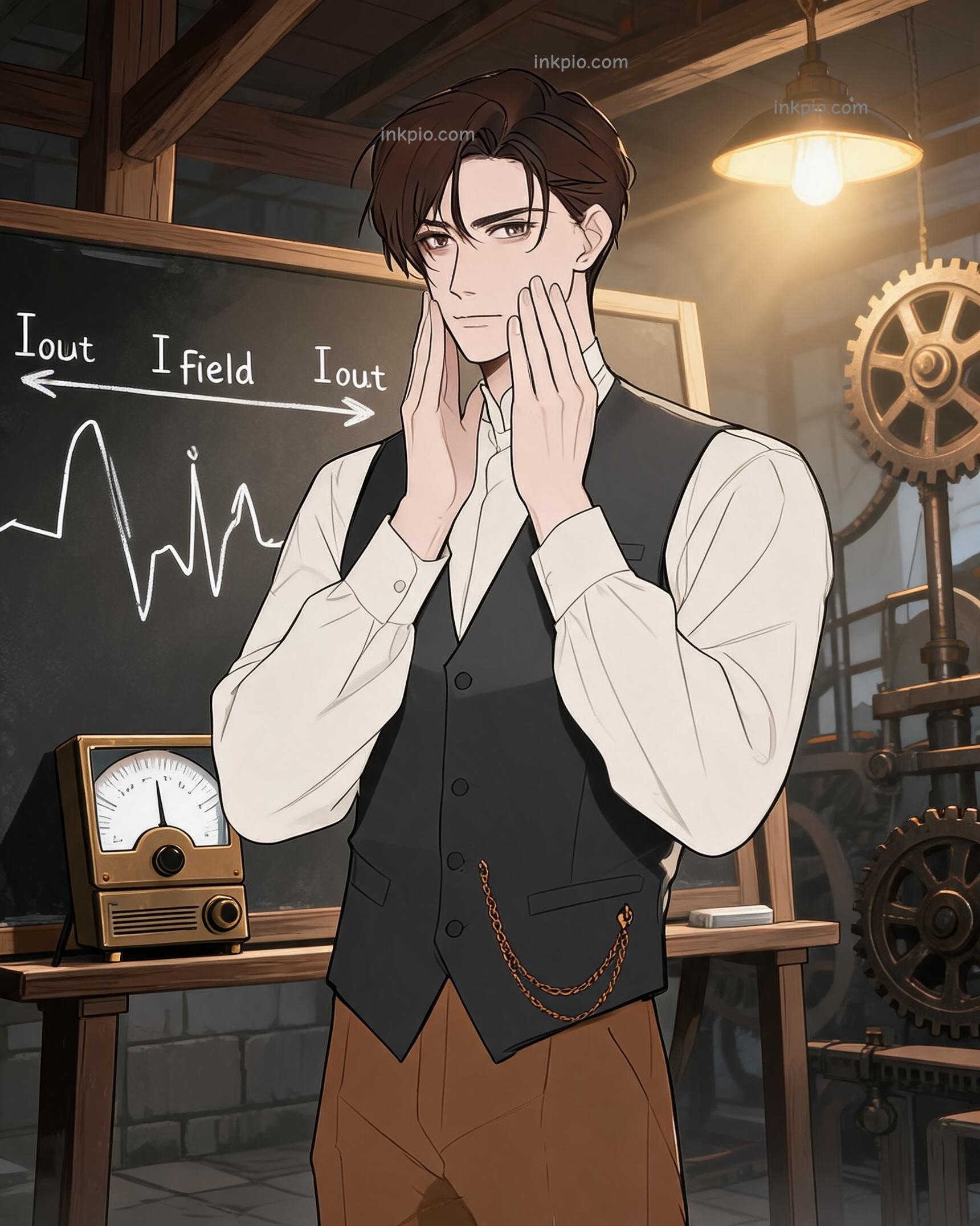
The bare iron armature sat on the floor, stripped of its heavy magnets, yet a faint pull still clung to it. He realized that leftover spark could actually start the engine. Think of it like pushing a child on a swing. A tiny nudge at the right moment builds higher momentum with each pass. He routed the machine’s own output wire straight back into the coil, letting the returning current strengthen the field and pull more power through. The loop would feed itself.
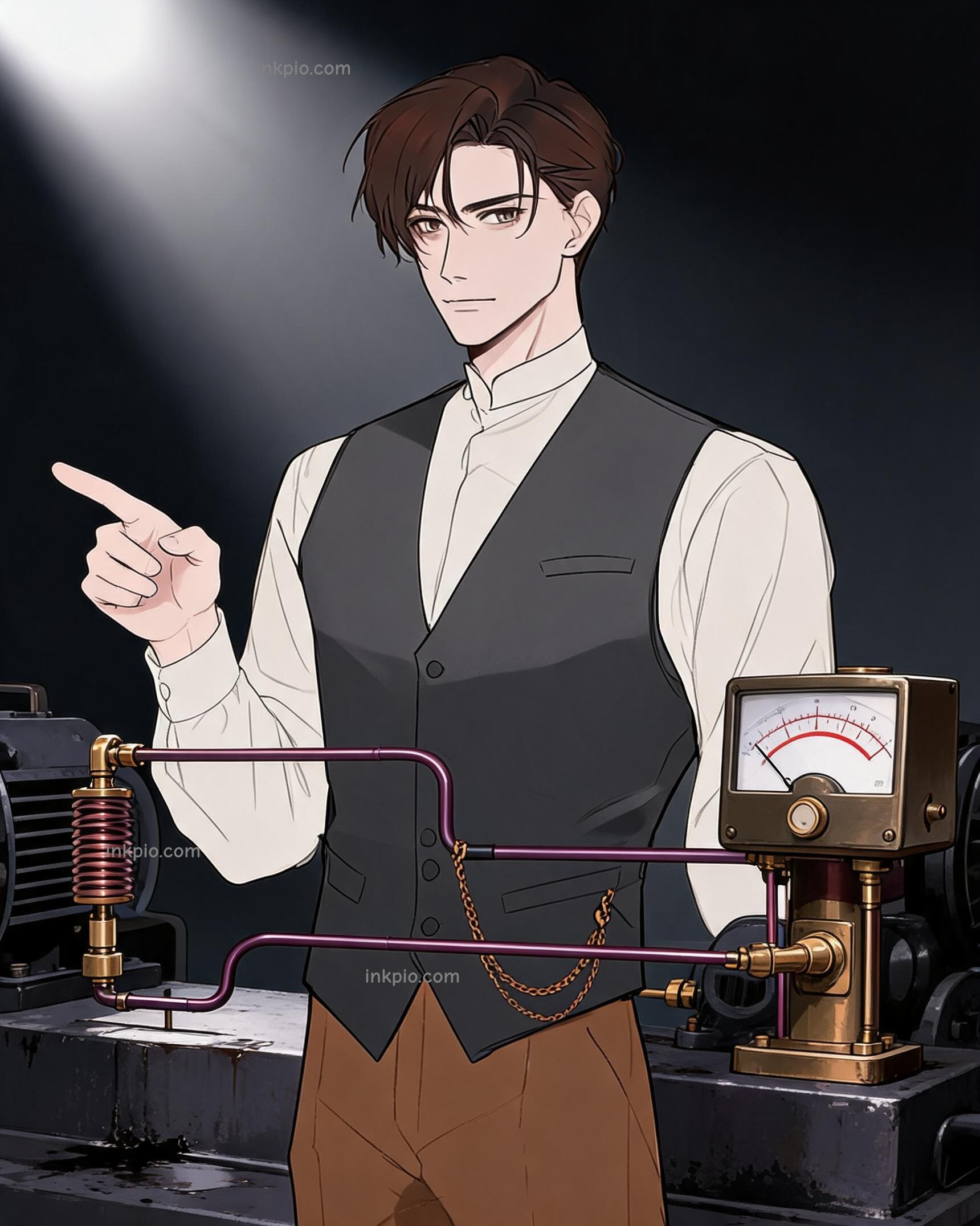
He soldered a single copper bridge from the generator’s output terminal to its input winding. A quick twist of the hand crank sent the rotor spinning. The tiny leftover field triggered an instant chain reaction. The brass needle slammed against its limit, and a harsh arc lamp overhead snapped to life, washing the soot-stained walls in bright white light.
By December 1866, he had proven that a simple feedback loop could bootstrap an entire generator without permanent magnets. The next month, he carried the working model to London and demonstrated the math for the Royal Society. Heavy iron blocks stayed in the scrap pile as series-wired coils took over. He stepped back from the humming lamp and watched a single wire do the work of a dozen magnets.