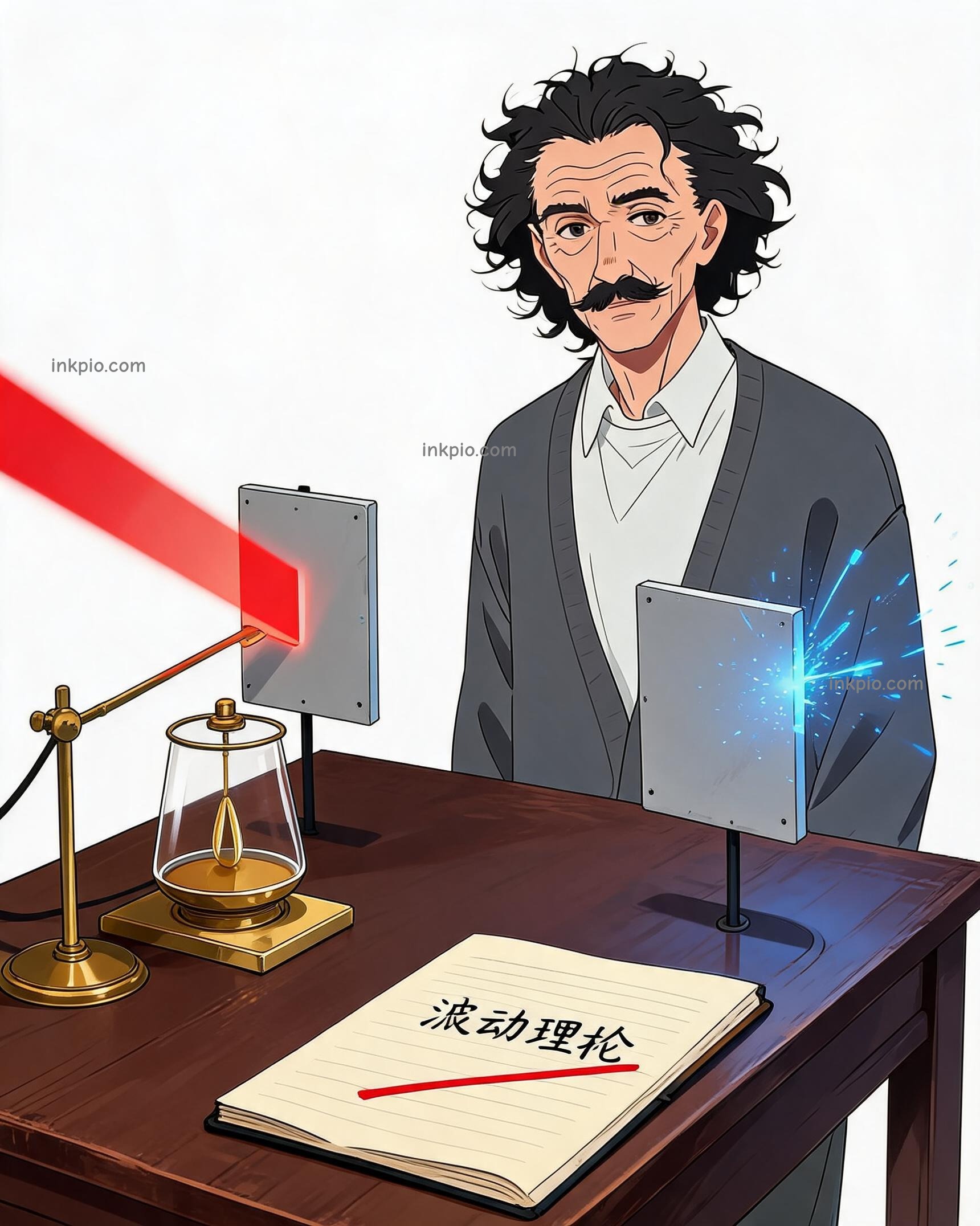
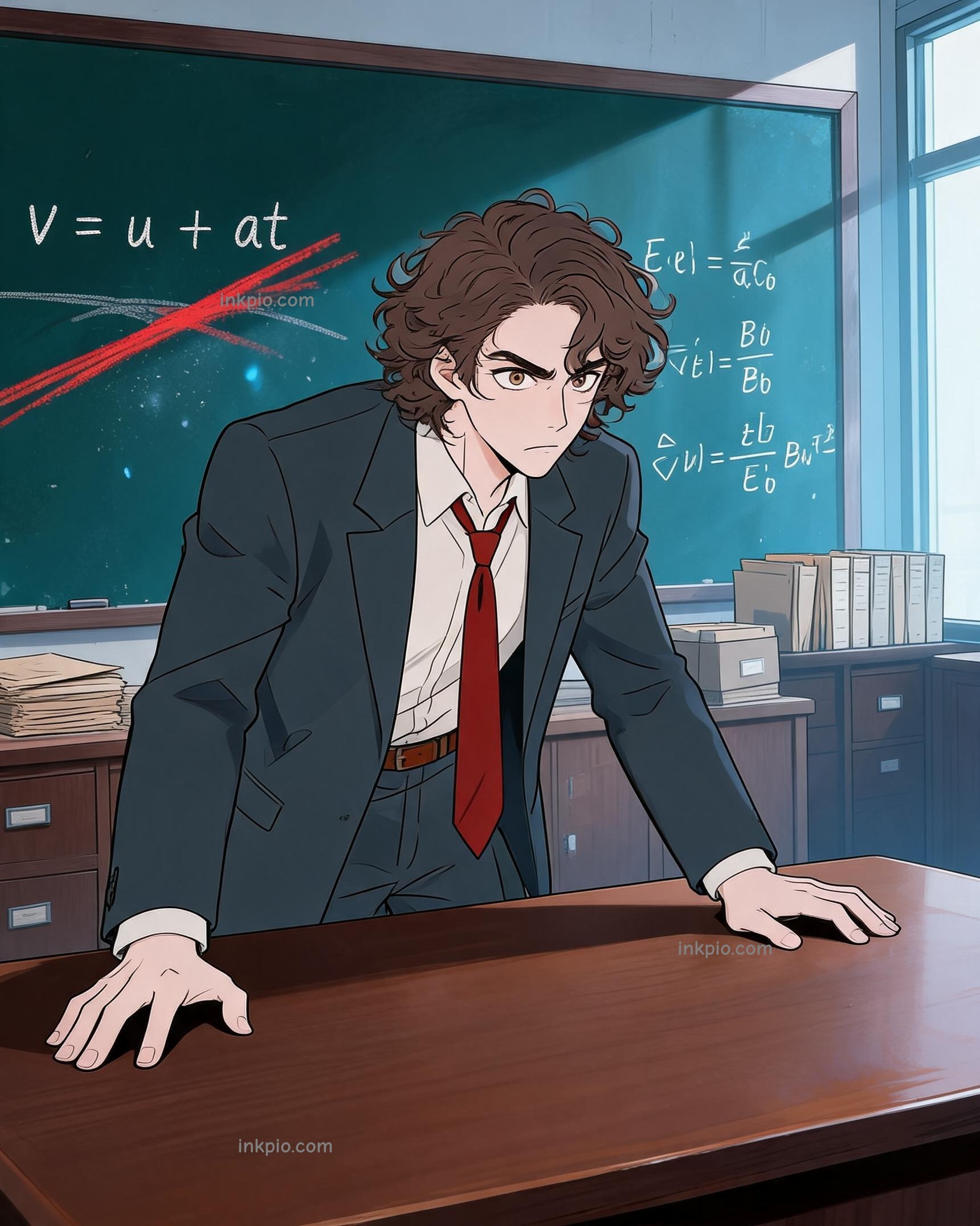
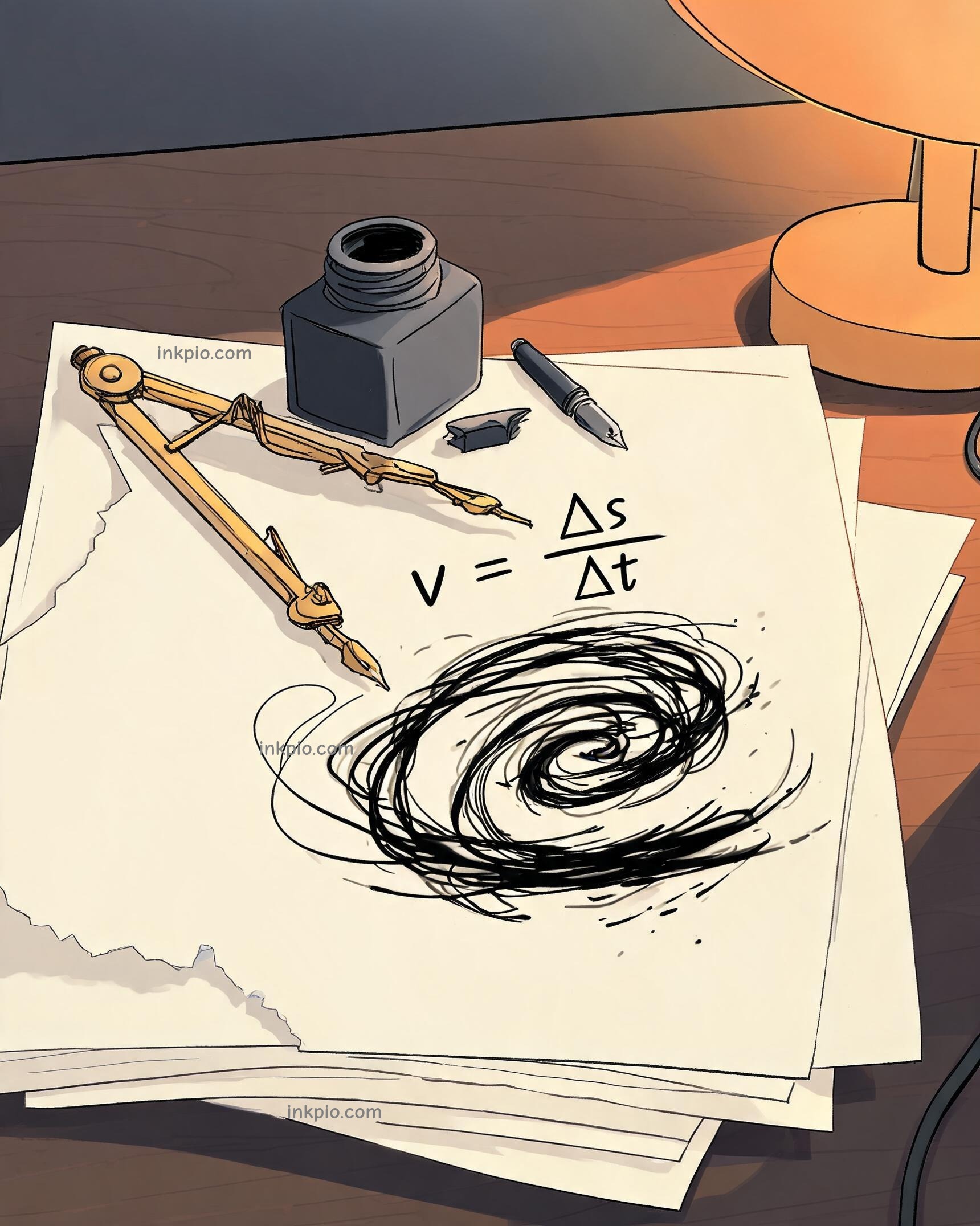


The chalkboard in his head refused to balance. Albert Einstein stared at the equations until the numbers blurred, caught in a tug-of-war between two giants. James Maxwell’s math insisted light traveled at one unbreakable speed, while Isaac Newton’s rules said velocities simply added up like walking on a moving train. Every time he tried to stitch the two together, the algebra tore apart. Classical physics relied on a neat, predictable universe, but light refused to play by those rules. Forcing them into the same framework only produced mathematical chaos, leaving the old foundations shaking.
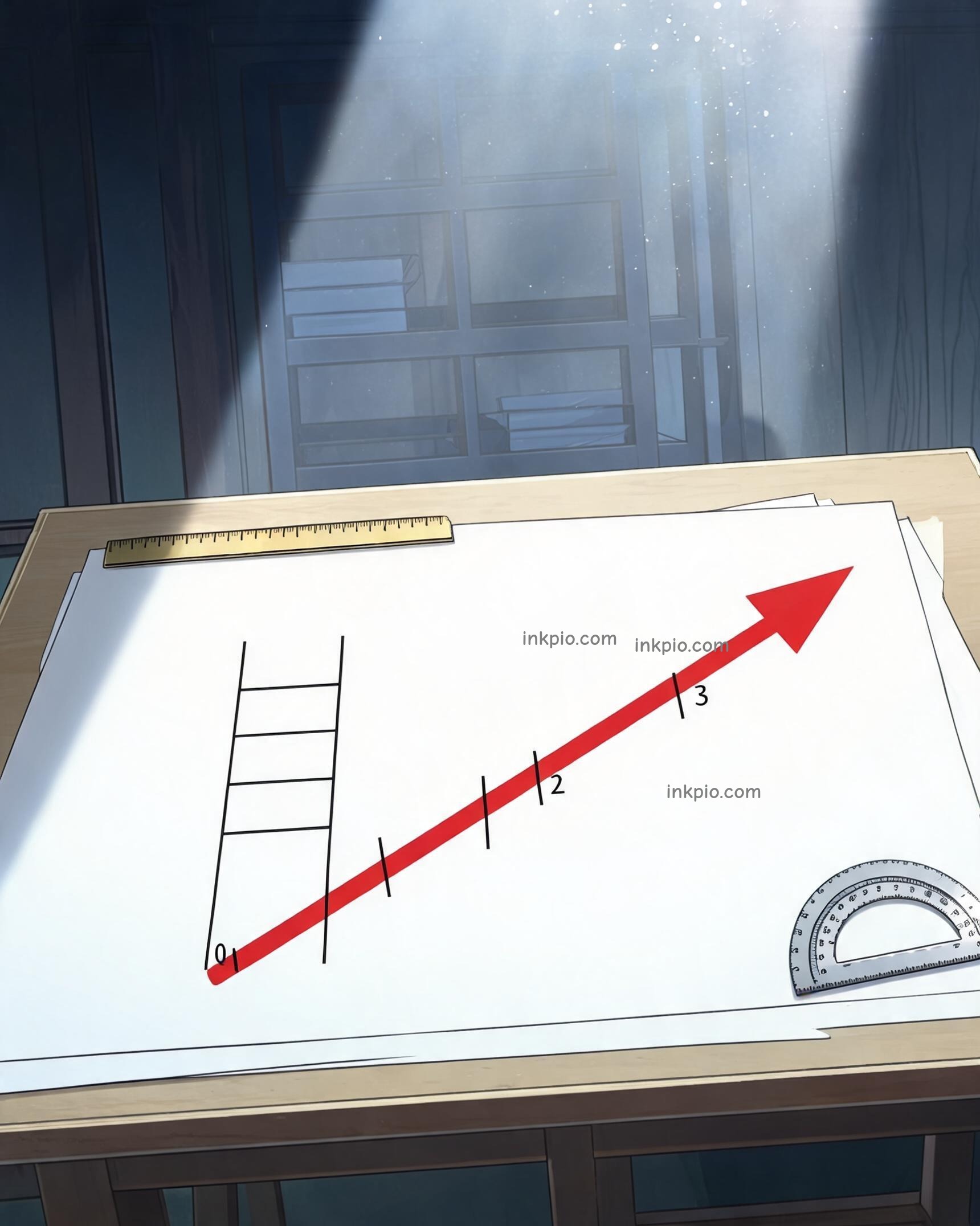
He stepped away from the heavy calculations and pictured something simpler instead. Imagine a train car gliding smoothly down the tracks with a beam of light bouncing between two mirrors on the ceiling and floor. To a passenger inside, the light just zips straight up and down. To someone standing on the platform watching the train rush past, that same light beam traces a long diagonal line across the window. The distance stretches out, yet the speed of light never changes. The only way the math holds together is if time itself slows down to compensate for the longer trip.
That quiet geometric trick cracked the whole puzzle open. He pushed the new framework into another corner of physics, tracking how objects shed energy as radiation. The equations lined up perfectly, showing that when a glowing object fires energy into space, its weight drops by exactly that energy divided by the speed of light squared. In September 1905, Einstein published 'Does the Inertia of a Body Depend Upon Its Energy-Content?' in Annalen der Physik, deriving E=mc² from special relativity. The paper mathematically demonstrated that mass and energy are interchangeable, fundamentally overturning the classical conservation laws of matter and energy. He capped his pen, leaned back in his chair, and watched the morning sun wash across the wooden desk. The universe had finally dropped its old disguise, and the math sat there waiting in the quiet room.