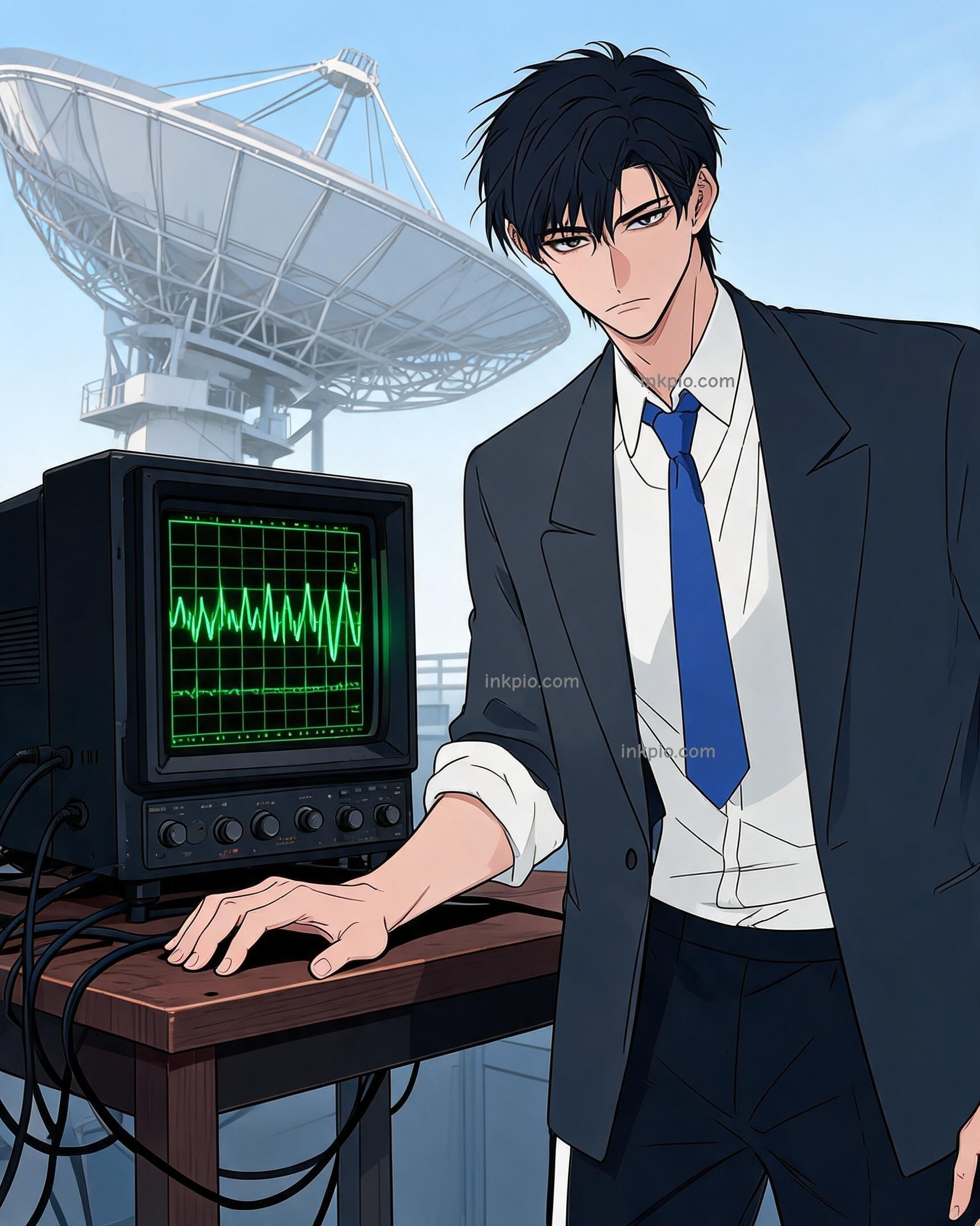

The Holmdel horn antenna sat in a quiet New Jersey field. In 1964, Arno Penzias and Robert Wilson just wanted clean tracking data at 4080 MHz. Instead, a stubborn hiss drowned every single measurement. They turned the receiver and watched the oscilloscope jump with static. The noise refused to fade when they aimed away from the sun or the galactic plane. Something in the system was broken, and they had to hunt it down.
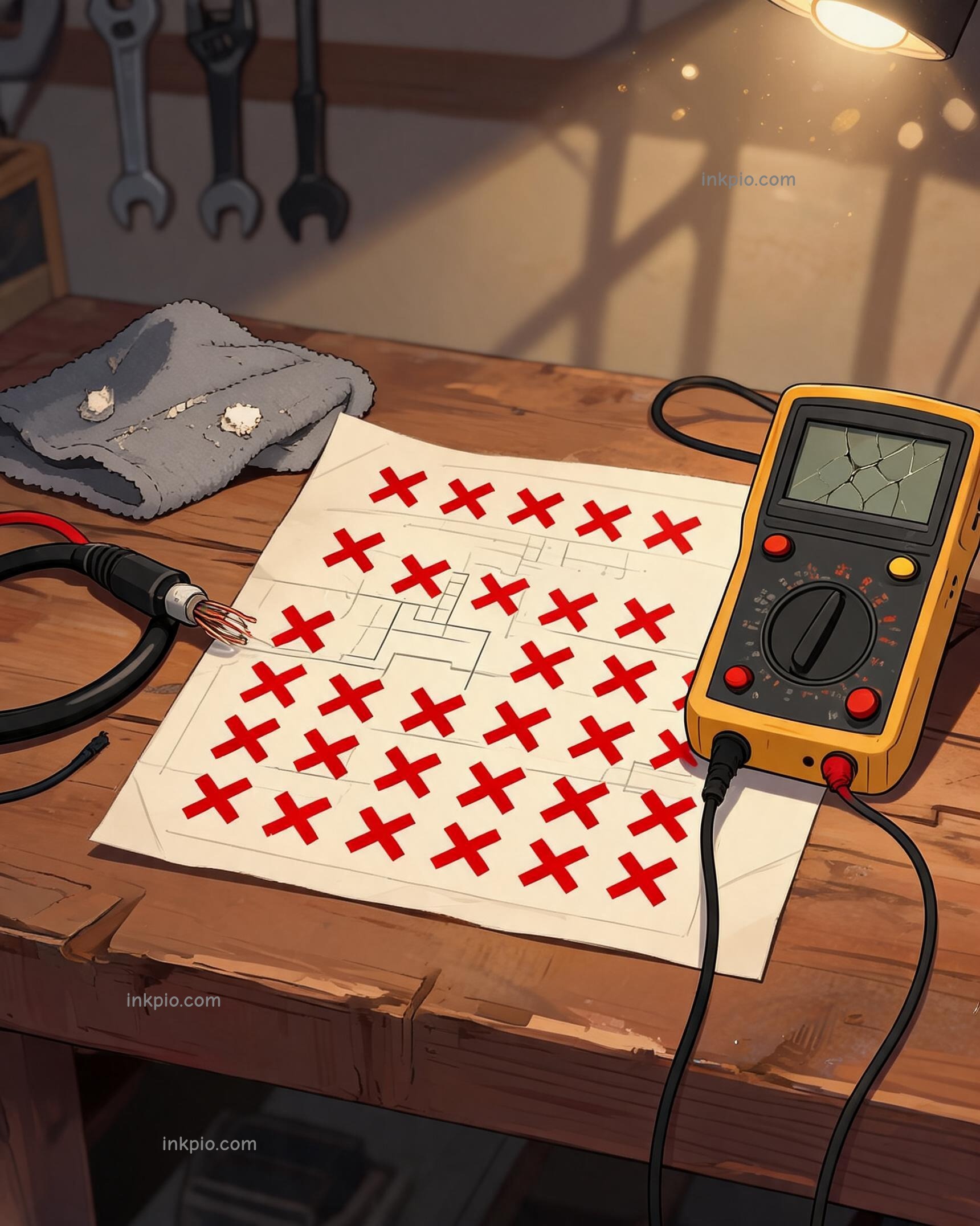
They treated the massive receiver like a leaky pipe. First, they traced every coaxial cable and swapped out the cold amplifiers. They sealed every mechanical joint with fresh aluminum tape, but the static barely dropped. When that failed, they climbed inside the giant white feed and found pigeons nesting in the corner. They cleaned out the droppings, trapped the birds, and sent them away. The hiss stayed exactly the same. They needed a hard test to separate machine error from outside interference.
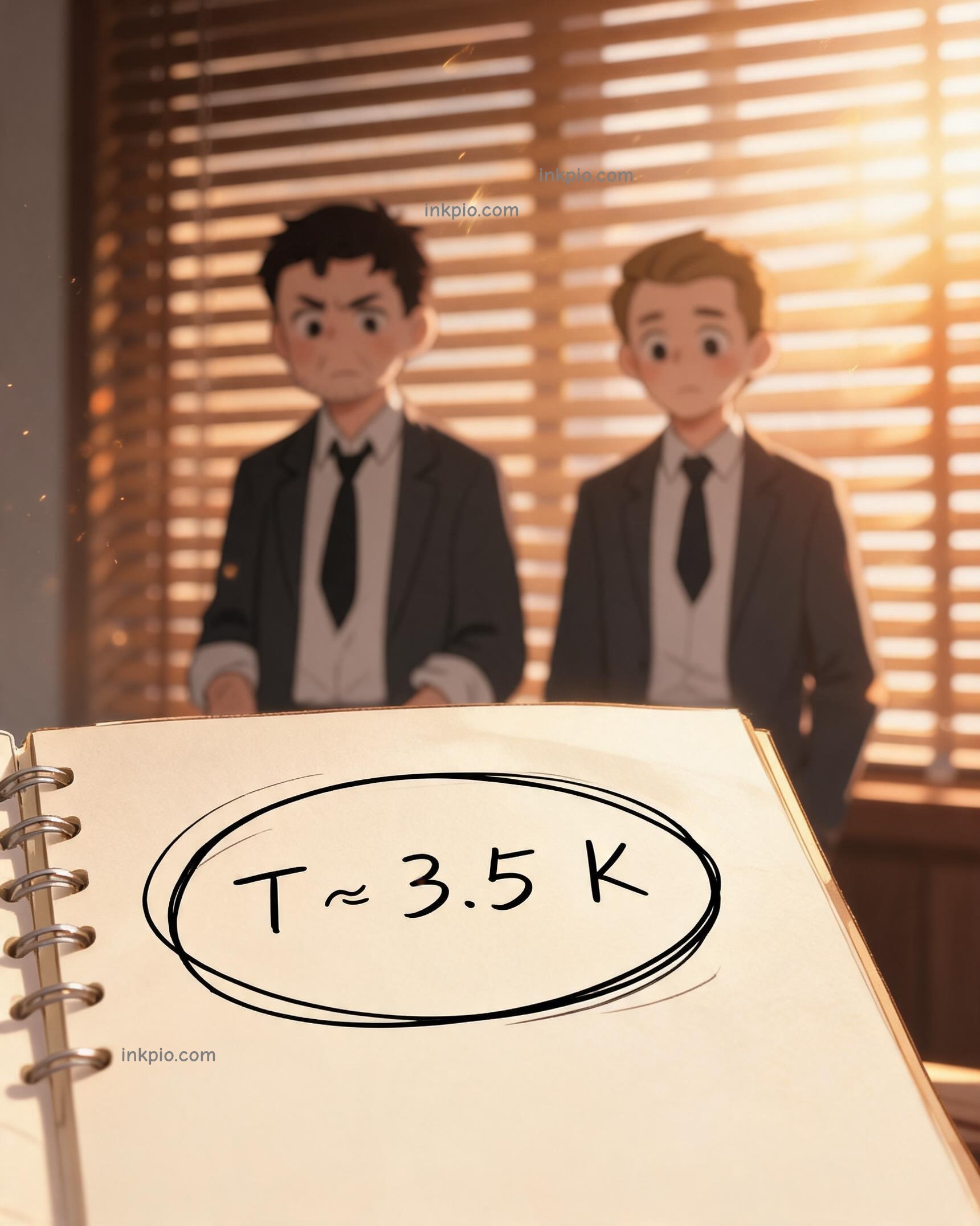
Penzias and Wilson mapped the entire sky in slow arcs. They tilted the dish toward the tree line, pointed it straight up, then swept across empty night patches. The receiver translated incoming microwave energy into a simple temperature reading. Every single sweep landed on 3.5 Kelvin. That flat, unchanging number proved the signal arrived with identical strength from every direction. Local interference would spike the gauge, but the background stayed perfectly even.
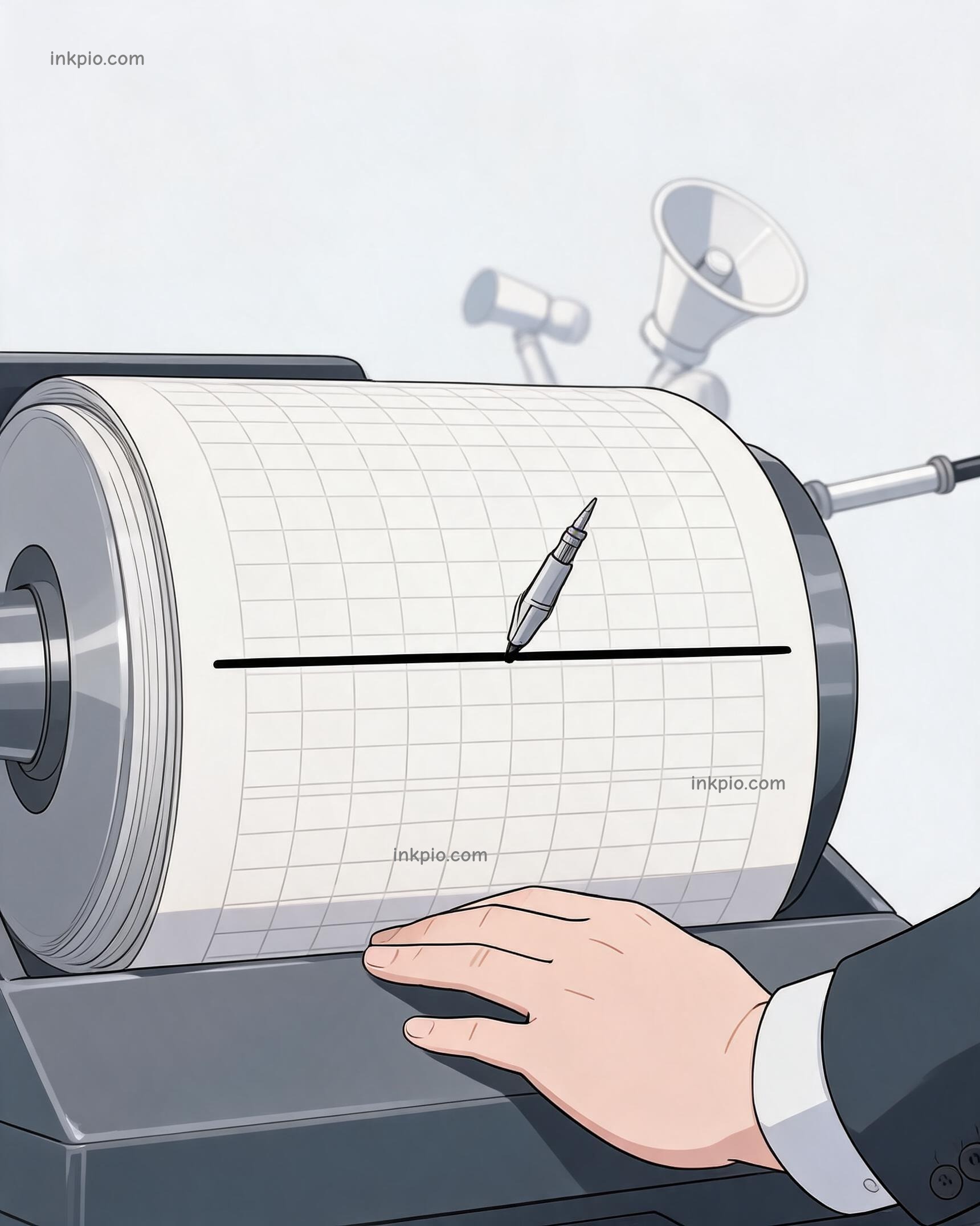
A colleague finally told them to call a theorist at Princeton. The other end of the line connected the dots instantly. An expanding universe should leave behind a faint thermal glow, cooled by billions of years of stretching space. Penzias and Wilson stared at their chart recorder and realized they hadn't found a faulty circuit. They had caught the actual remnant of the Big Bang, a signal that later refined to 2.7 Kelvin and earned them the 1978 Nobel Prize.
Two engineers chasing a stubborn glitch accidentally mapped the origin of everything. They packed away their calibration logs, left the antenna tracking the quiet sky, and let the steady numbers speak for themselves.