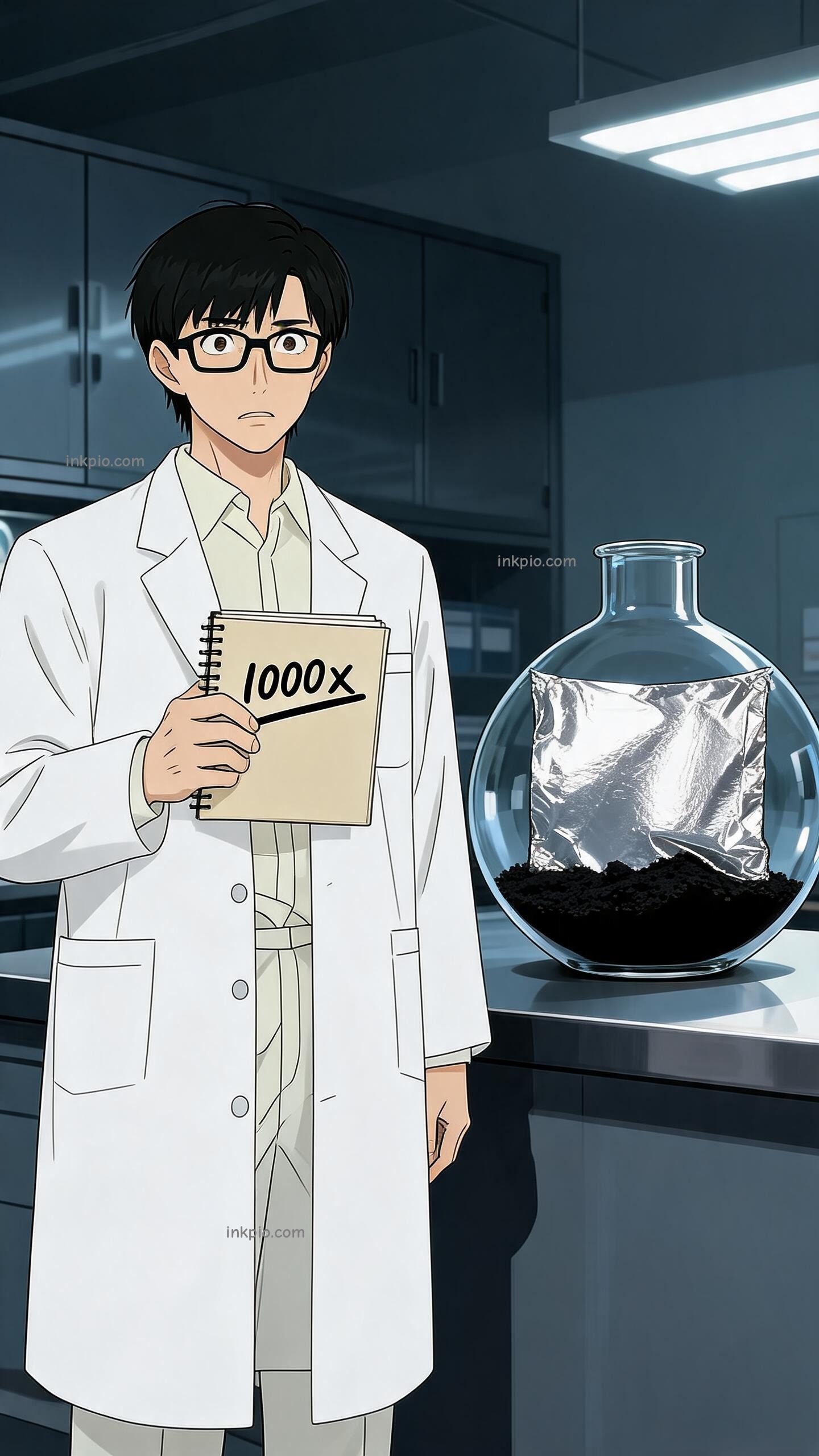
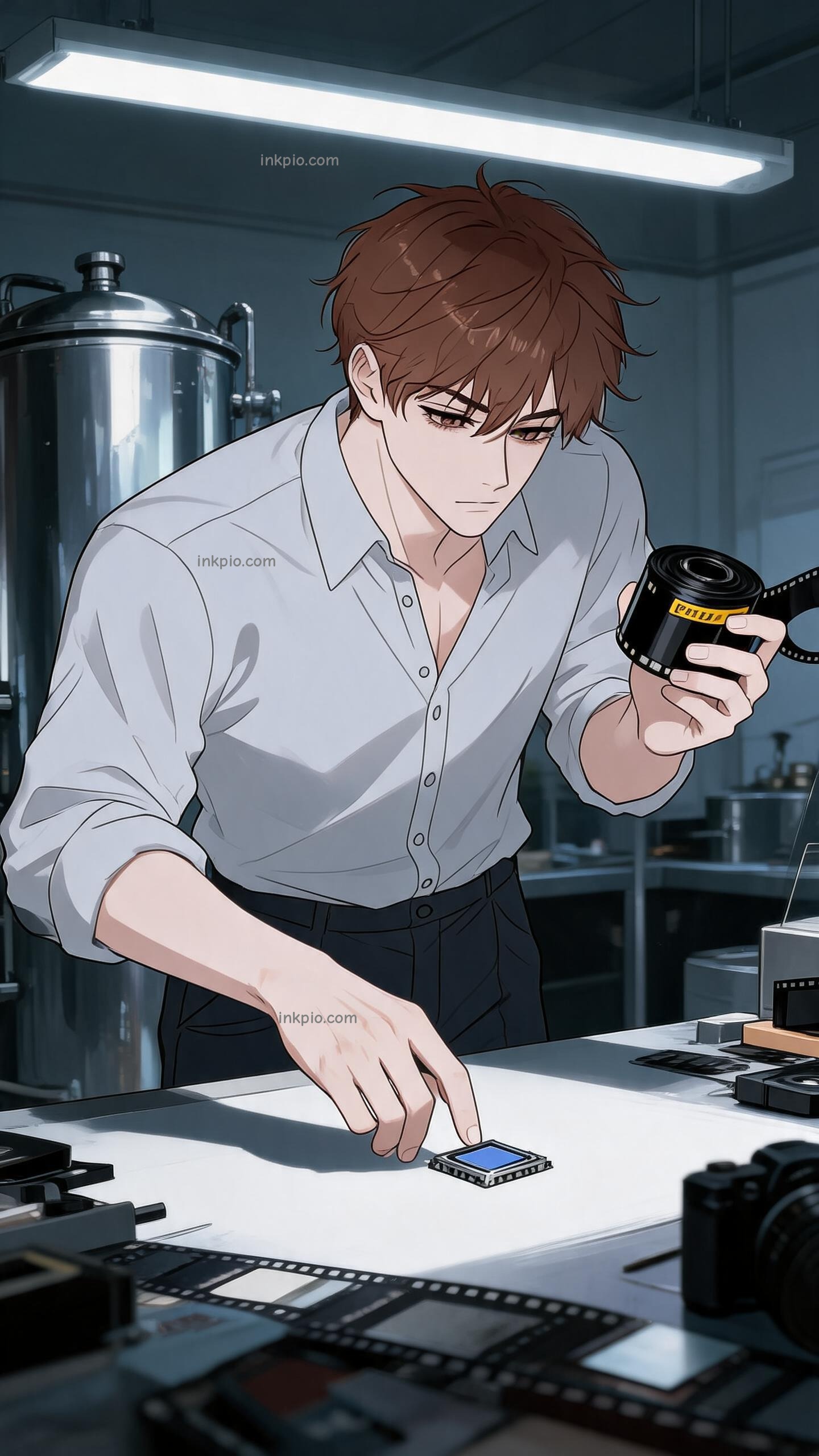


The fluorescent lights hummed overhead, casting a sterile glow on Steven Sasson’s cluttered workbench. It was late 1975. On the desk sat a tiny, unassuming square: the Fairchild CCD sensor. His bosses at Kodak had tossed it to him with a casual, almost dismissive challenge. Find a use for this chip. They didn’t expect much. To them, photography was chemistry. It was silver halides, darkrooms, and the smell of fixer. The idea of capturing light as digital data felt like a parlor trick, a pointless deviation from the empire they had built. Nobody wanted pictures made of math.
Sasson stared at the silicon wafer, feeling the weight of that skepticism. He wasn’t just fighting physics; he was fighting an entire industry’s identity. How do you catch light without film? He imagined the sensor not as a camera part, but as a microscopic egg carton. Each tiny bucket waited for photons. When light hit the chip, the buckets filled with electrical charge. The brighter the light, the heavier the charge. Instead of washing chemicals in a darkroom, Sasson would measure the electricity in each bucket. He would translate those measurements into a string of binary code. Light went in. Numbers came out. It was elegant, but it looked nothing like photography.
To prove it wasn’t just theory, he had to build something tangible. He scavenged parts from the lab’s graveyard. A heavy movie camera lens was taped onto a metal frame the size of a bread box. Wires snaked out of the chassis, connecting to a standard cassette tape recorder. This was the storage drive. The entire contraption weighed eight pounds. It was ugly, bulky, and absurd. It looked less like a camera and more like a toaster that ate light. Sasson ran his hand over the rough tape joints, wondering if anyone would ever take such a clumsy machine seriously.
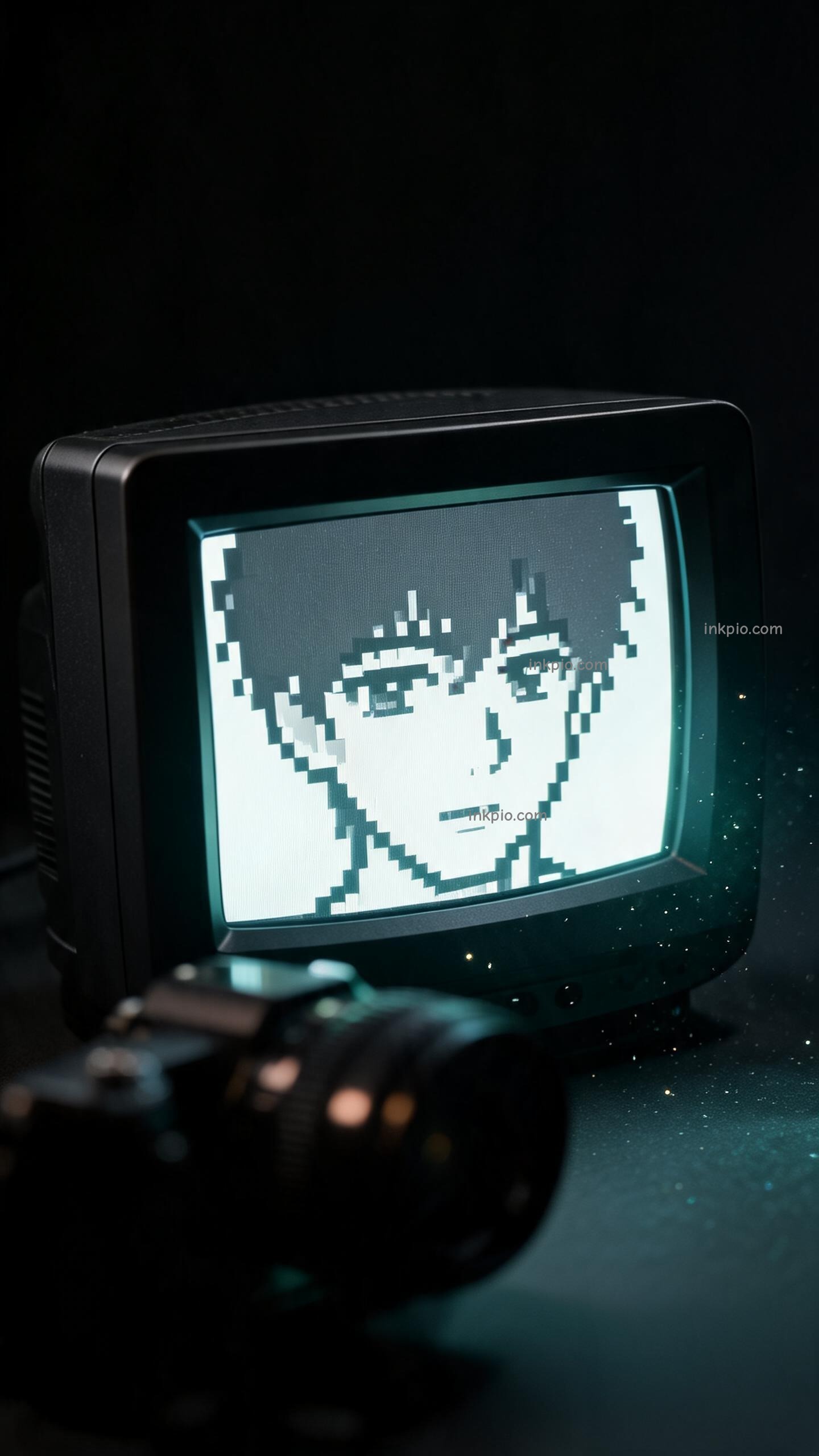
He called his assistant over. The young man stood still, unsure of what to expect. There was no viewfinder, no shutter click, no mechanical satisfaction. Sasson pointed the lens at the assistant’s face and pressed the button. The sensor drank the light. Photons became charges. Charges became binary code. The data streamed onto the magnetic tape with a faint whir. Then, the real wait began. The data had to be read back, line by line, onto a tiny CRT monitor.
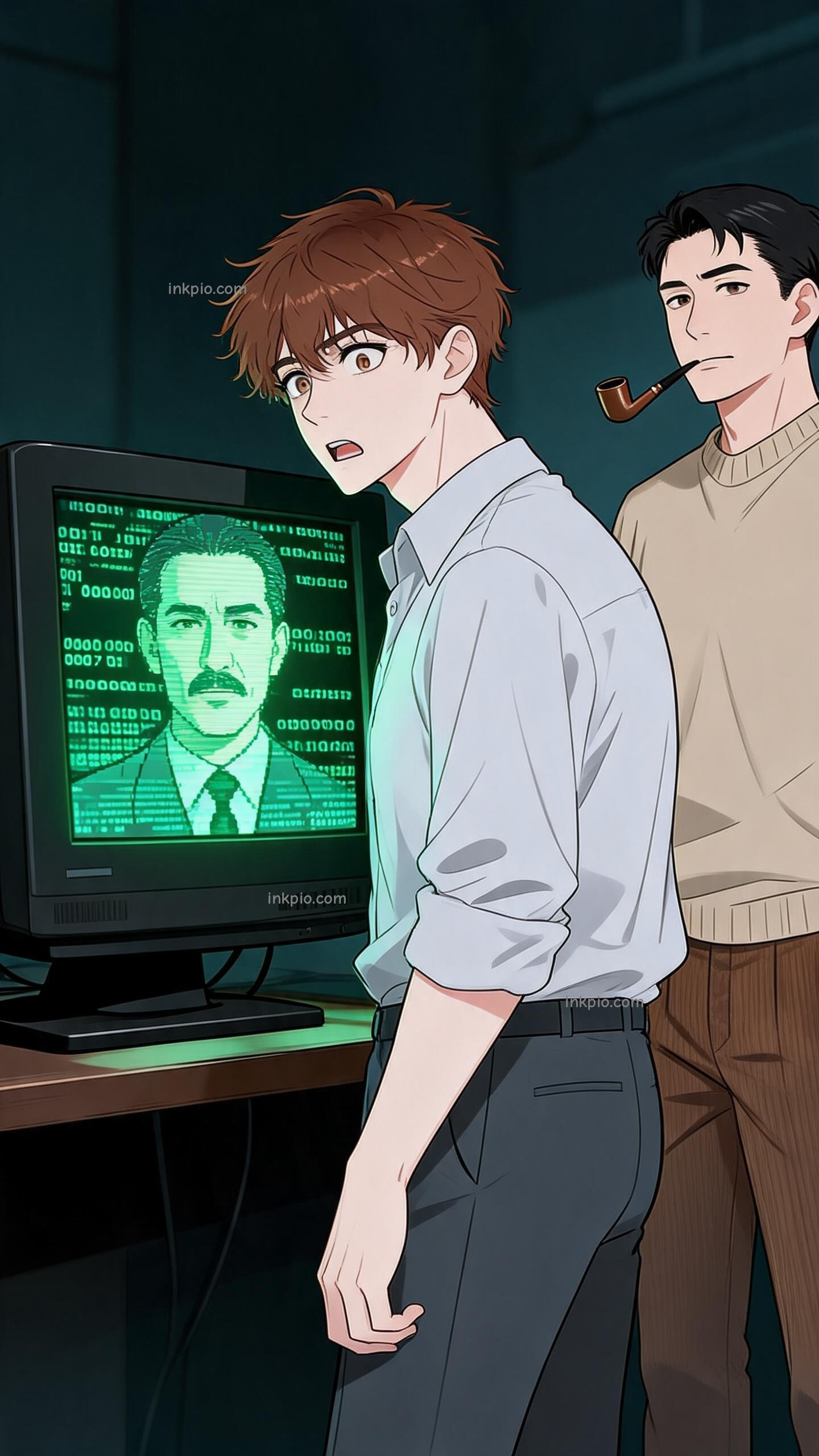
Silence filled the lab. The assistant shifted his weight, smiling nervously, trying to hold the pose. Sasson watched the screen, his breath held tight in his chest. If this failed, it was just another weird experiment in a long list of failures. But then, a gray line appeared. Then another. Slowly, painfully slowly, a blocky, black-and-white face materialized from the noise. The resolution was a mere 0.01 megapixels—just ten thousand pixels. It was grainy and distorted. But the eyes were there. The smile was there. It was unmistakably his assistant.
Sasson didn’t cheer. He didn’t call his bosses. He just stood there in the dim light, staring at the glowing grid. The assistant leaned in, squinting at his own digital ghost. For a moment, neither of them spoke. The image on the screen wasn’t just a picture; it was proof that light could be trapped, broken down, and stored as pure information. Sasson looked from the screen to the heavy metal box, then back to the pixelated face staring back at him. He had caught a moment in time, not on film, but in code. The air in the room felt different now, charged with a quiet, terrifying possibility.