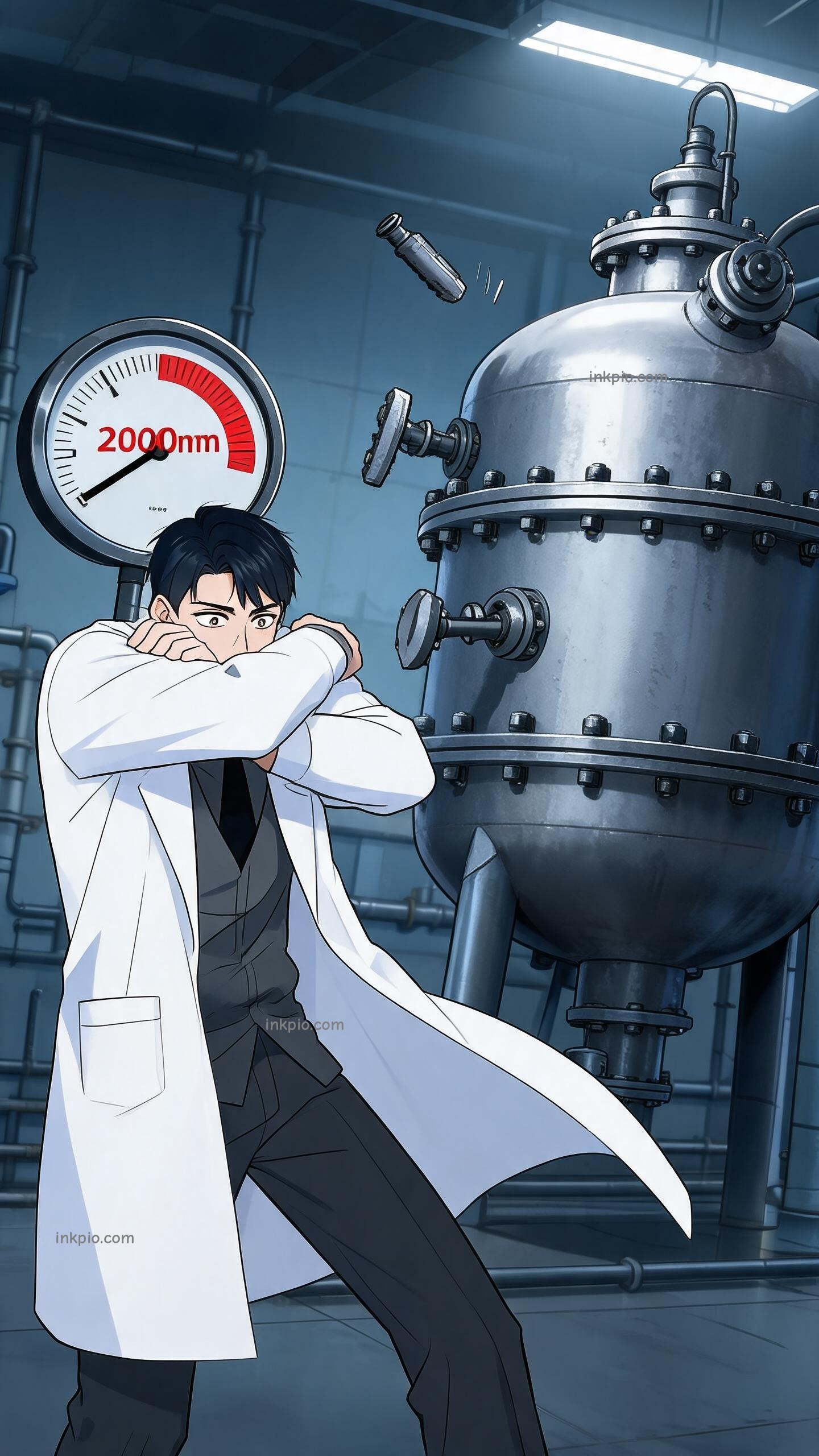

The steel reactors didn't just hum; they screamed. Inside the ICI factories, ethylene gas was crushed under 2000 atmospheres of pressure, a force so violent it turned thick-walled vessels into ticking bombs. Bolts sheared off like shrapnel, embedding themselves in concrete walls. Workers flinched with every tremor, knowing that one faulty seal could turn the factory floor into a graveyard. The prize for surviving this daily terror was merely flimsy, low-density plastic. Karl Ziegler watched this industrial brutality with growing unease. He wasn't just looking for efficiency; he was haunted by the sheer waste of energy and the unnecessary danger.
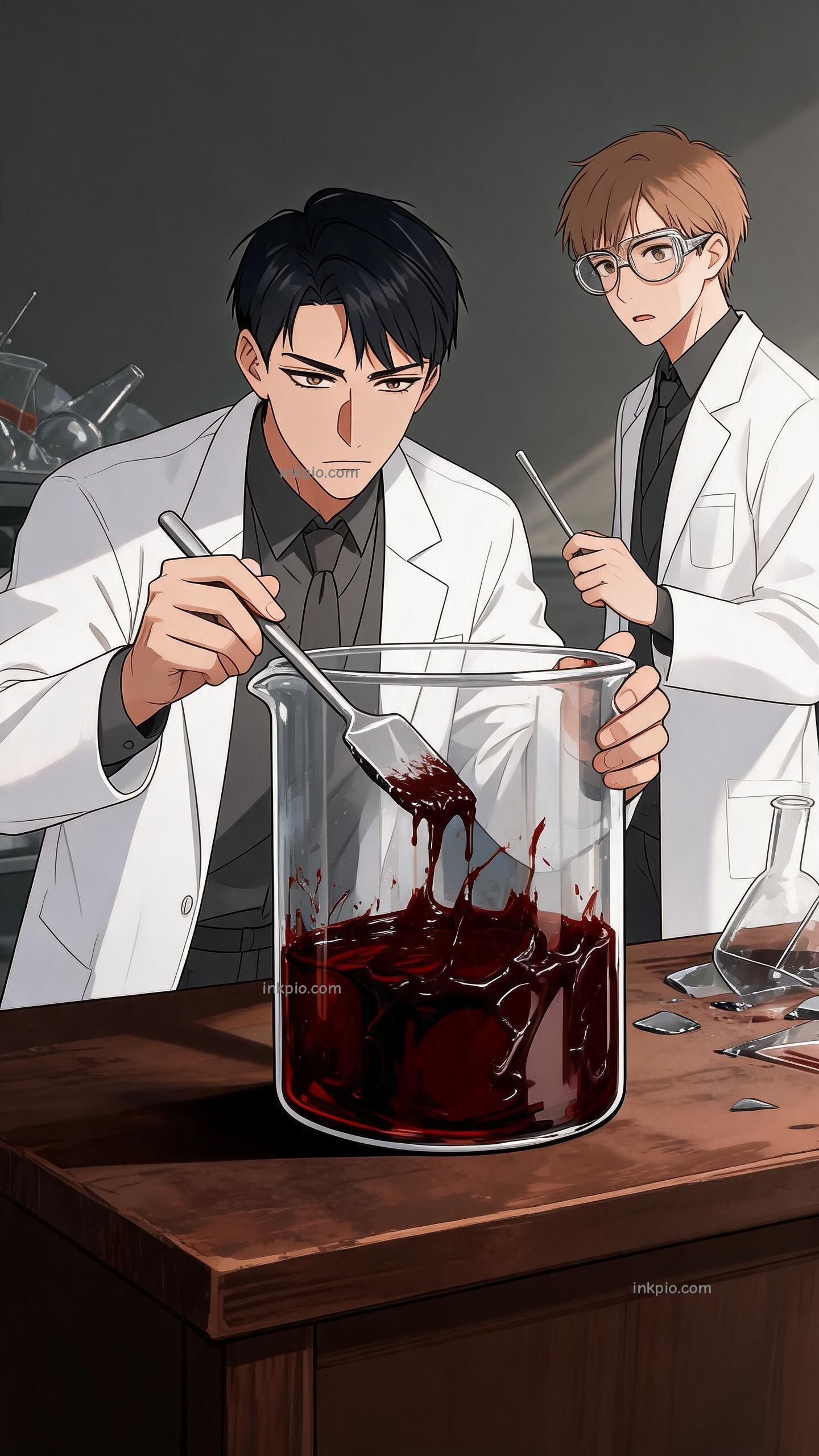
Ziegler’s lab became a sanctuary of quiet frustration. For years, he tried to coax ethylene molecules together at normal pressure, hoping to avoid the brute force of the high-pressure method. But chemistry is stubborn. His flasks consistently filled with a sticky, useless red tar. It was a humiliating sludge that mocked his ambition. Each failed experiment felt like a personal rebuke, a reminder that nature preferred chaos over order unless forced by extreme violence. The red tar accumulated in waste bins, a physical manifestation of his stalled progress.
He needed a different approach. If brute force wouldn't work, perhaps precision would. Ziegler imagined the ethylene molecules not as chaotic gas, but as tiny, slippery zipper teeth scattered in a box. The old method smashed the box, hoping the teeth would accidentally snag. Ziegler wanted a mechanical hand. He introduced organoaluminum compounds and titanium tetrachloride into the mix. These weren't just chemicals; they were matchmakers. The transition metal catalyst acted with surgical grace, grabbing a single loose molecule, holding it steady, and guiding the next one into place. It zipped them into long, dense chains without a single ounce of extra pressure.
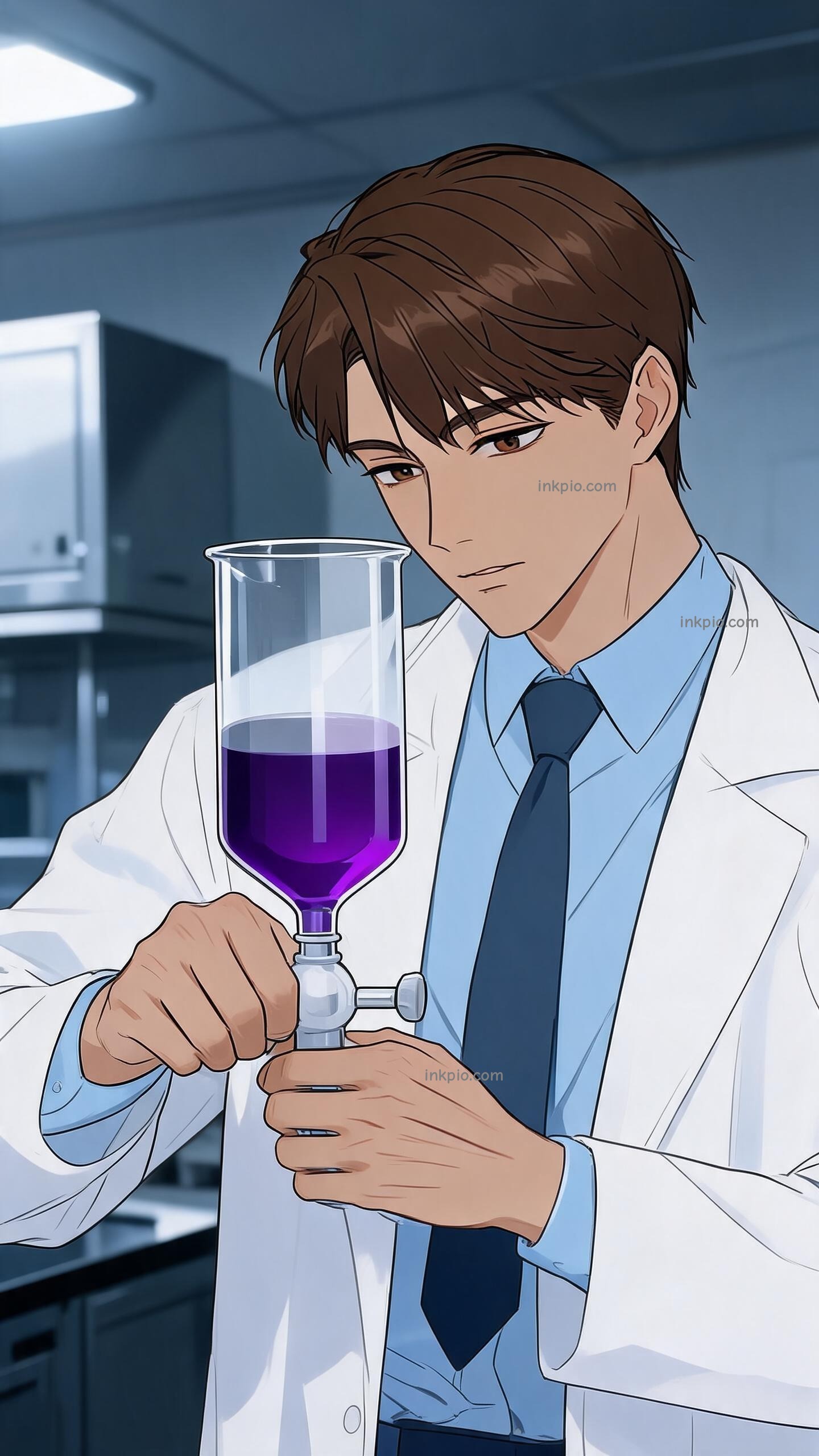
In 1953, the air in the lab was thick with skepticism. Ziegler stood beside Erhard Holzkamp, his young assistant. Erhard’s hands hovered over the glass flask, hesitant. They had mixed the new catalyst recipe. Now, they bubbled ethylene through the solution at everyday atmospheric pressure. There was no roaring machinery, no shaking steel. Just a simple glass vessel sitting on a wooden bench. Silence stretched between the two men. Erhard glanced at Ziegler, expecting the familiar disappointment, the inevitable red sludge.
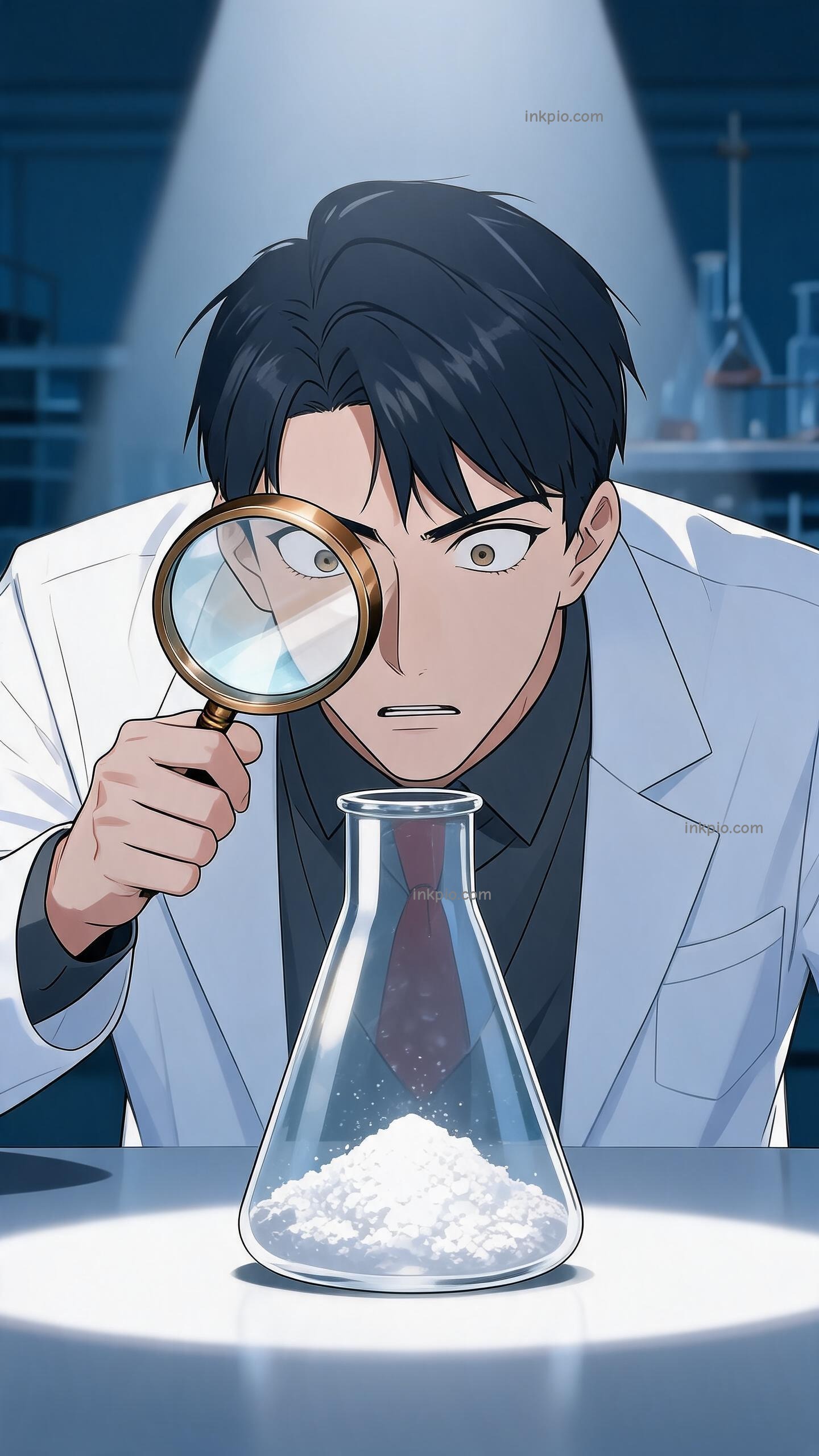
Minutes passed. The flask remained clear. No explosion. No violent reaction. Erhard leaned in, squinting against the laboratory light. He expected failure. Instead, he saw something impossible. The bottom of the flask wasn't coated in red tar. It was lined with brilliant, snow-white crystals. They looked like fresh snow trapped in glass. Erhard straightened up, his breath catching. He looked at Ziegler, eyes wide, waiting for confirmation that this wasn't a trick of the light.
Ziegler didn't speak immediately. He stepped closer, his face inches from the glass. The white powder sat there, pristine and ordered. It was polyethylene, but not the weak, flimsy kind born from violence. This was high-density, robust, and created in peace. The catalyst had done its job, stitching molecules together with a gentle, invisible hand. The fear of the exploding reactor, the years of red tar, the anxiety of failure—it all dissolved in that quiet moment.
Erhard reached out, almost touching the glass, afraid the crystals might vanish. Ziegler placed a hand on the young man's shoulder, a silent acknowledgment of what they had done. They hadn't just made plastic. They had tamed a monster. The high-pressure beast that had terrified an industry was now reduced to a whisper in a glass jar. Outside, the world continued its noisy rush. But in that small lab, surrounded by the scent of chemicals and the glow of white crystals, everything had changed. The danger was gone. Only the elegant simplicity of the reaction remained.