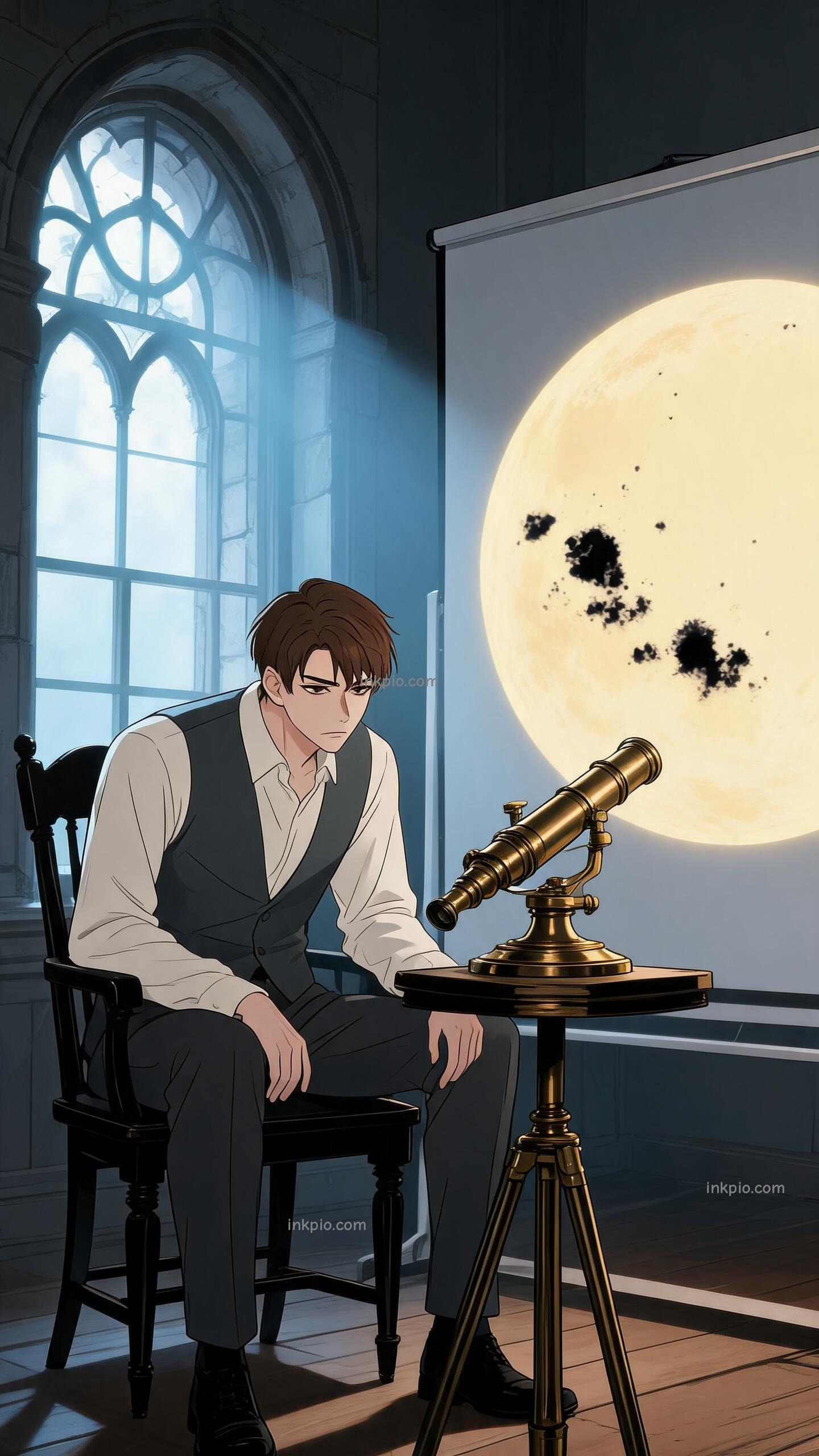

The air in the Redhill observatory was still, heavy with the scent of old paper and dust. Richard Carrington adjusted the lens, his eyes straining against the glare projected onto the white screen. It was September 1, 1859, just past 11:18 in the morning. He had spent years mapping the dark blemishes on the sun’s face, treating them like static scars on an eternal, unchanging god. Routine was his comfort. Precision was his shield against the chaos of the unknown.
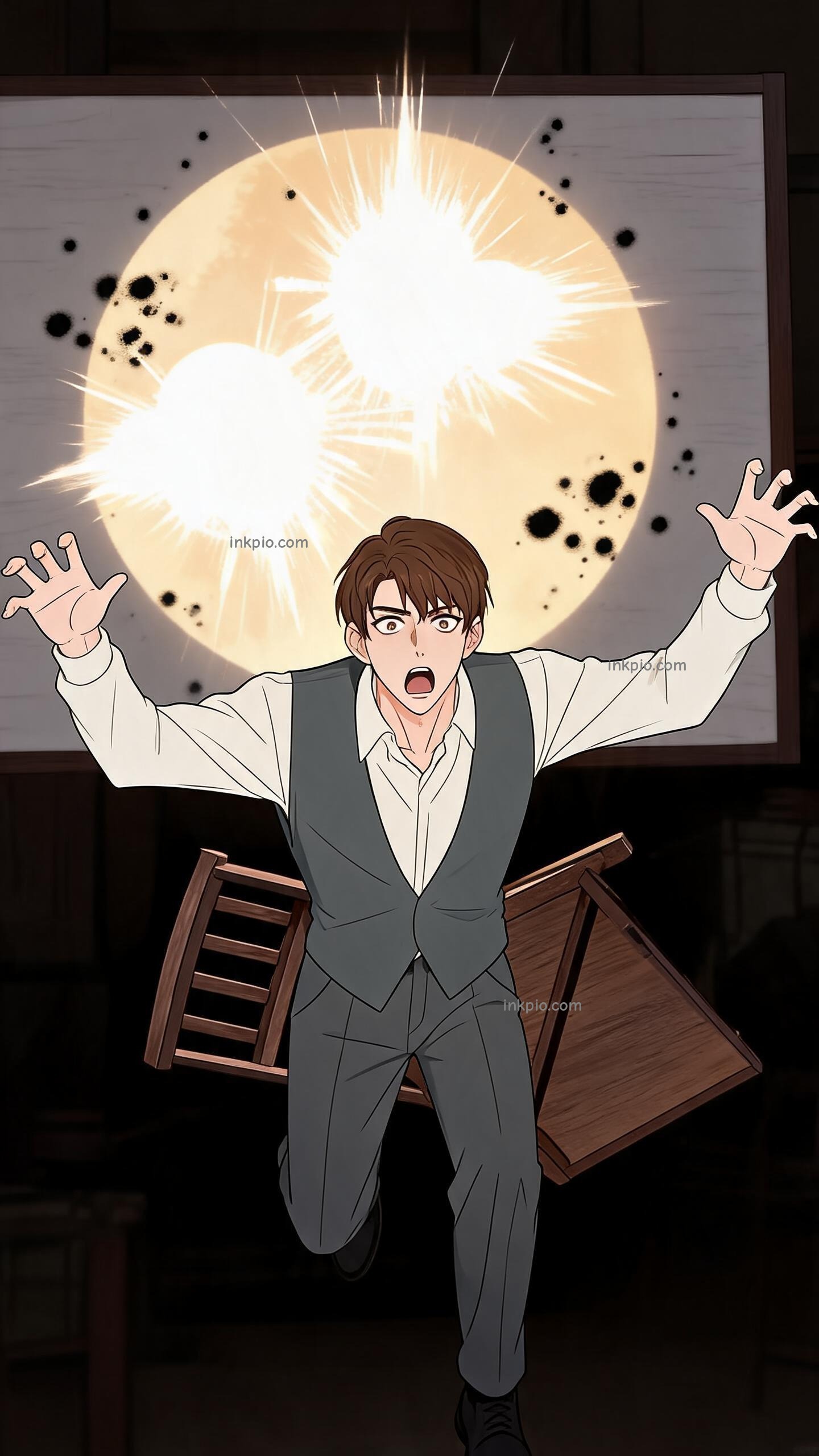
Then the silence broke. Not with sound, but with light. Two points of blinding white fire erupted from the largest cluster of sunspots. They did not flicker; they exploded. Carrington froze, his hand hovering over the notebook. For a heartbeat, he forgot to breathe. This was not a gradual shift. It was a violent tear in the fabric of the sky. He grabbed his pencil, fingers trembling not from cold, but from the sheer impossibility of what he saw. The light expanded rapidly, swallowing the dark spots, turning the familiar solar surface into something alien and terrifying.
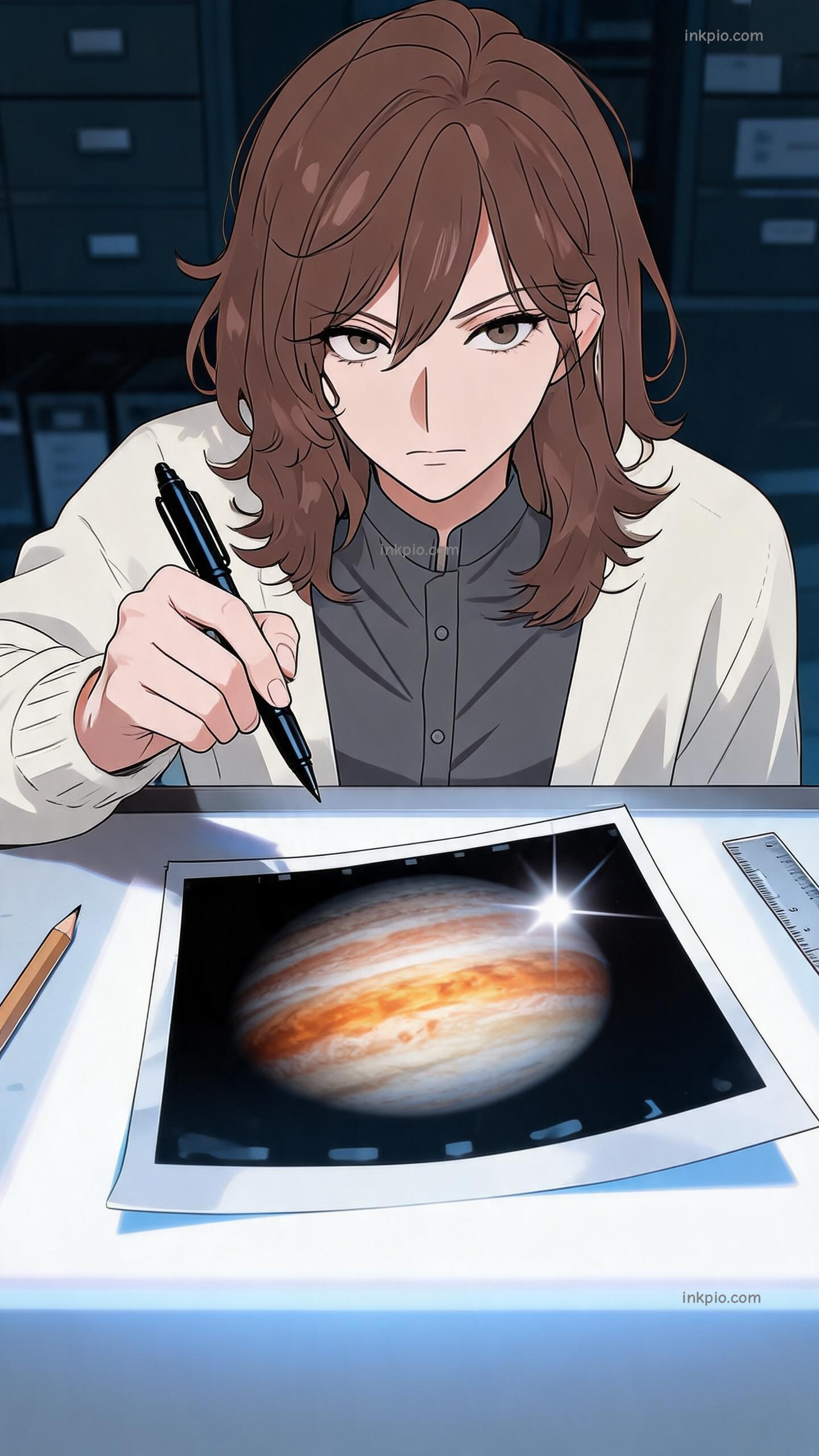
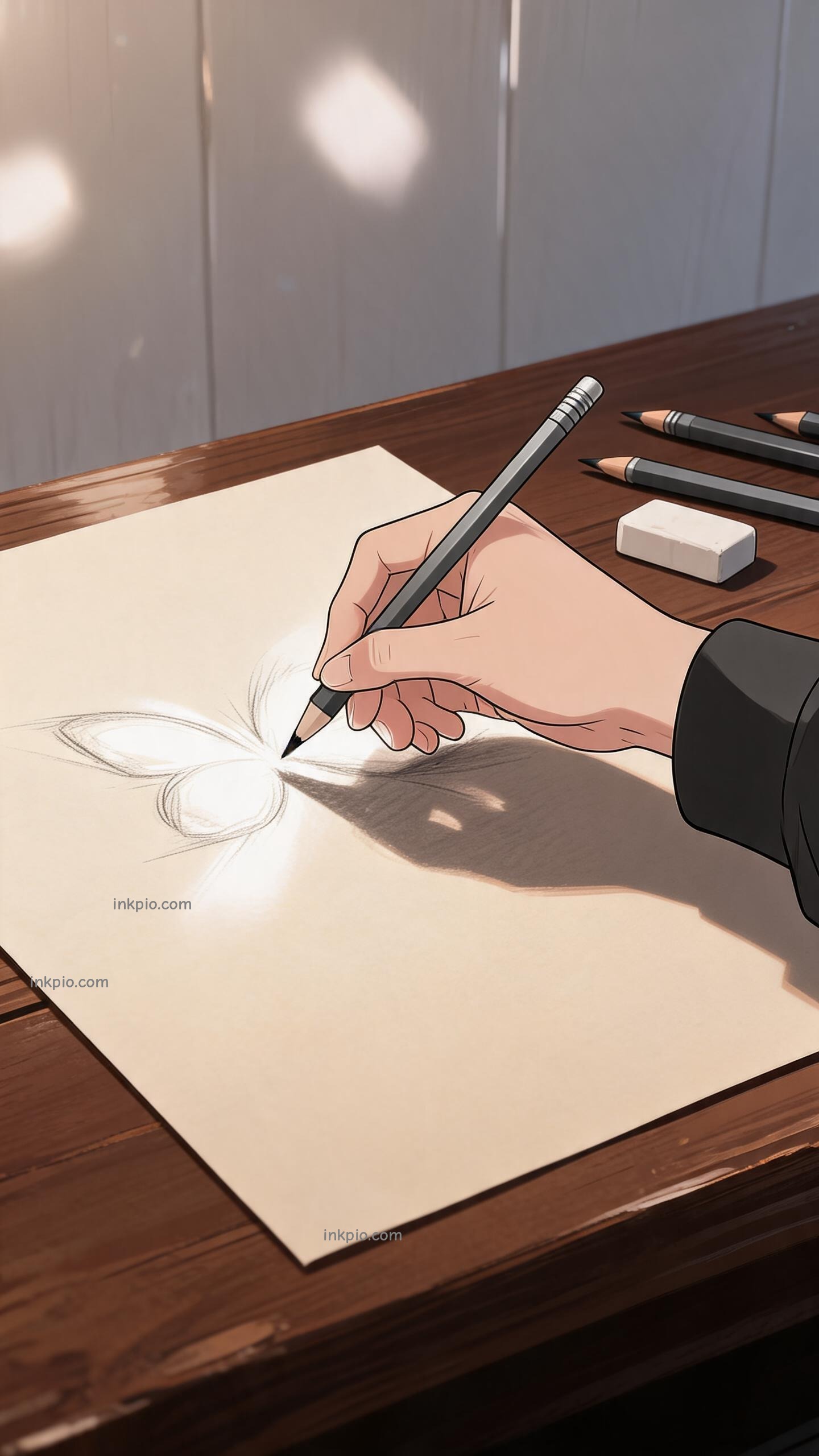
He sketched furiously. The graphite snapped under the pressure of his grip. He needed to capture the shape before it vanished, as if drawing it would make it real, or at least make it safe. "Two pins of brilliant and very bright white light," he would later write, stripping the emotion from the memory to fit the rigid expectations of the Royal Astronomical Society. But in that room, alone with the projected image of a screaming star, he felt small. The sun was not a lantern. It was alive, and it was angry.
Five minutes later, the light faded. The sun returned to its deceptive calm. Carrington sat back, wiping sweat from his forehead. He likely told himself it was a local anomaly, a trick of the atmosphere. He went home, ate dinner, and tried to sleep. He did not know that he had just witnessed the opening shot of a war that traveled at the speed of light.
Seventeen point six hours later, the Earth paid the price. The magnetic storm slammed into the planet with the force of a physical blow. In the Caribbean, Hawaii, and Queensland, the night sky turned a sickly, beautiful green. People woke up confused, their internal clocks shattered by a midnight that looked like dawn. Birds began to sing, terrified and disoriented, calling out to a sun that wasn't there. Neighbors stood in their yards, clutching their robes, reading newspapers by the eerie glow of the aurora. They whispered about judgment day, about the end of times.
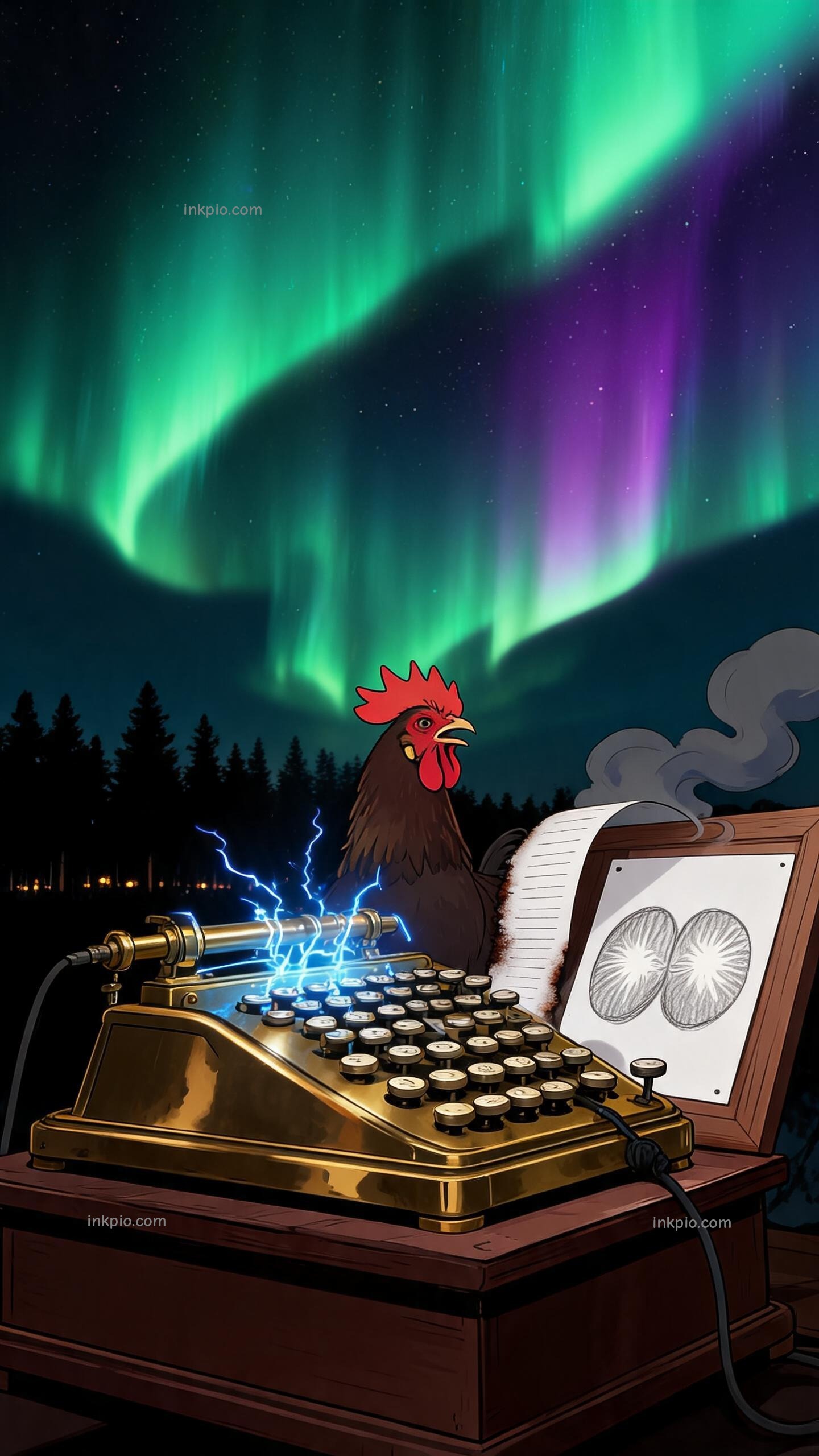
In the telegraph offices of Europe and North America, the mood was less mystical and more painful. Sparks showered from the brass keys. Operators jumped back, nursing burned fingers, their faces pale in the dim light. The machines were no longer obeying human commands. Even when the batteries were disconnected, the lines continued to chatter, driven by the current of the storm itself. The sky had hijacked the network. Messages sent were gibberish; messages received were ghosts. The technology that connected the world had become a conduit for cosmic violence.
Carrington never saw the chaos he caused. He only had his sketch. That fragile piece of paper, with its hurried lines and broken graphite, was the only proof that the sun had reached out across 150 million kilometers of empty space to touch us. It changed everything. The comfortable idea of a benevolent, static star was dead. In its place was a dynamic, volatile beast capable of striking without warning.
Weeks later, Carrington returned to his telescope. The sun looked the same as always—bright, distant, indifferent. But he knew better. He adjusted the focus, his hands steady now, but his mind racing. He was no longer just an observer of celestial mechanics. He was watching a predator. And he knew, with a chilling certainty, that it was only a matter of time before it struck again.