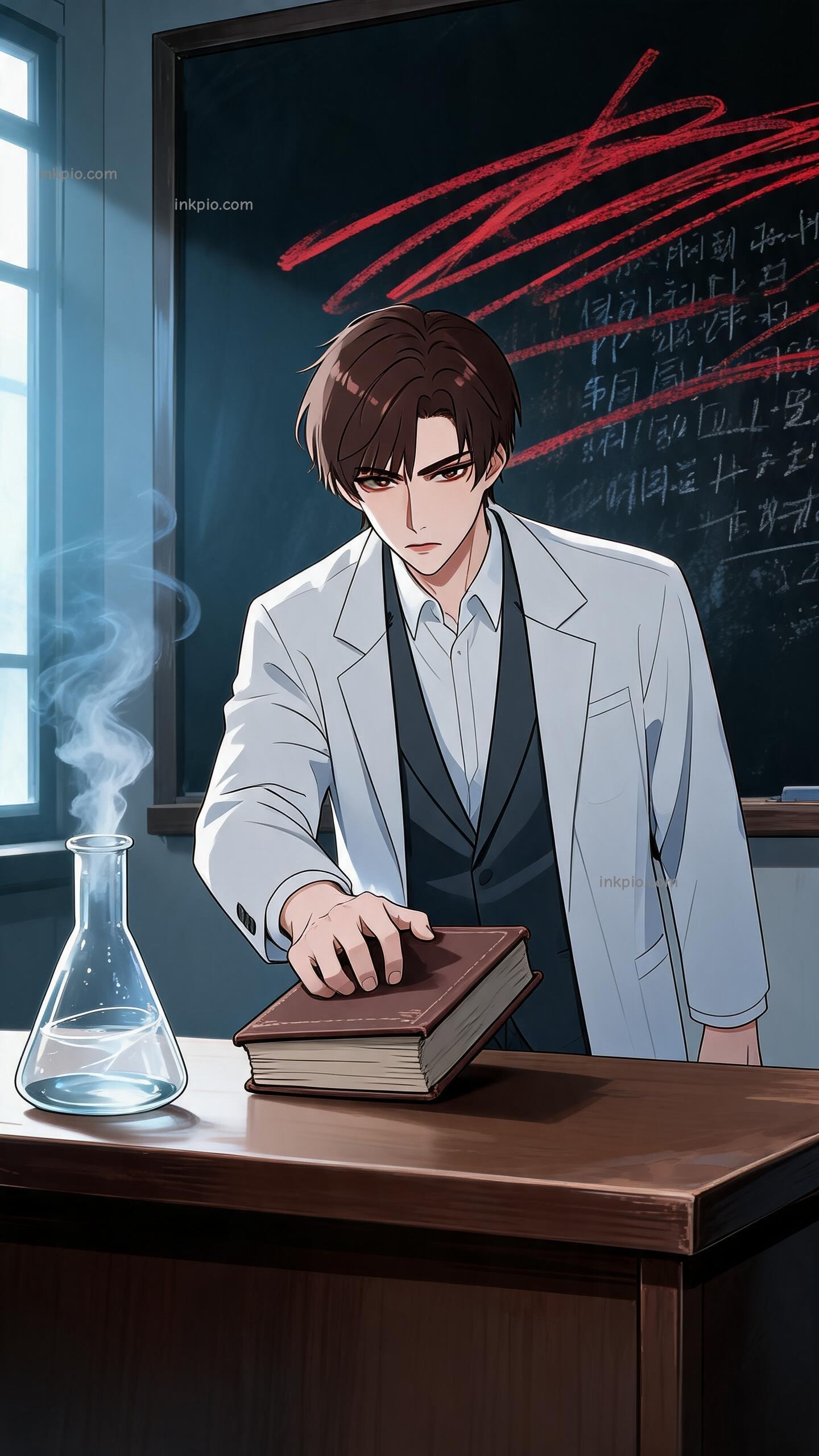

The textbook hit the desk with a thud that made the glassware shiver. Stanley Miller stared at the page, his jaw tight. It spoke of a 'vital force,' a mystical spark required for life to exist. To him, this wasn't science; it was surrender. In 1953, the University of Chicago hummed with post-war optimism, yet the origin of life remained a ghost story told in hushed tones. Scientists treated biology as sacred ground, untouchable by mere chemistry. Miller felt isolated in his skepticism. He didn't just want an answer; he needed to prove that the universe wasn't magical, just mechanical.
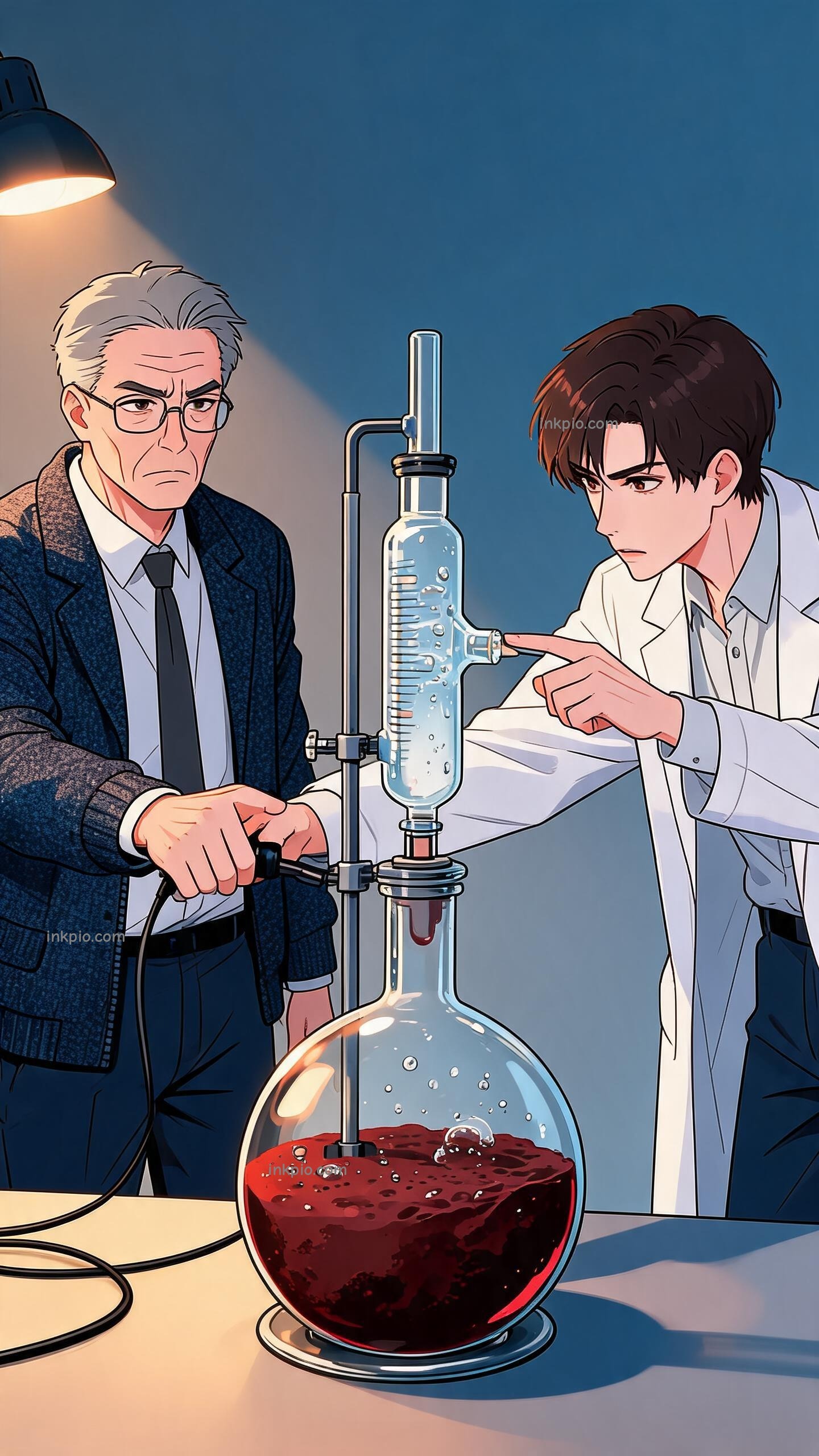
He built his argument in glass. A closed loop of tubes and flasks sat on the bench, a fragile miniature of a violent young Earth. He pumped in methane, ammonia, hydrogen, and water vapor—the toxic breath of a primordial world. Then came the electrodes. They weren't just wires; they were proxies for ancient lightning, ready to tear through the gas mixture with relentless energy. The setup was simple, almost crude. Feed it dead air, strike it with electricity, boil the water, and wait. If life was special, nothing would happen. If life was inevitable, the glass would tell him.
For seven days, the machine hummed. The clear water slowly darkened, turning into a thick, foul-smelling red sludge. Colleagues stopped by, wrinkling their noses at the stench. They called it tar. They called it failure. One afternoon, Harold Urey, Miller’s mentor and a giant in the field, stood over the apparatus. He looked at the murky liquid with deep disappointment. To Urey, the experiment had produced nothing but waste. He reached out, his hand hovering over the power plug, ready to end the embarrassment.
Miller moved before he thought. He lunged forward, blocking Urey’s hand with his own body. It wasn't a polite request; it was desperation. He begged for time, not for glory, but because he sensed something hidden in the muck. Urey paused, surprised by the intensity in his student’s eyes. He pulled his hand back, leaving the switch on. That small act of mercy gave Miller the space to look closer.
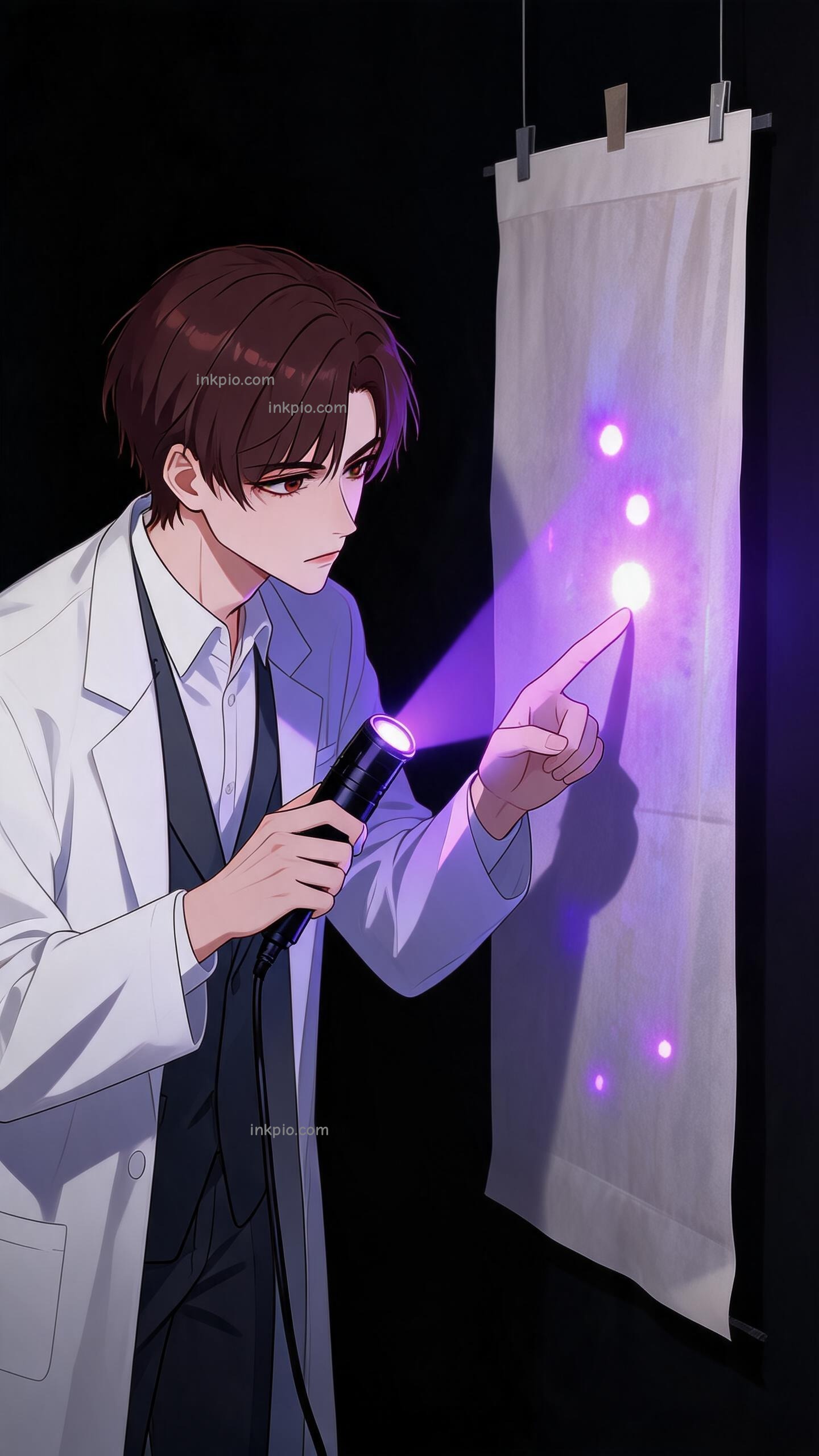
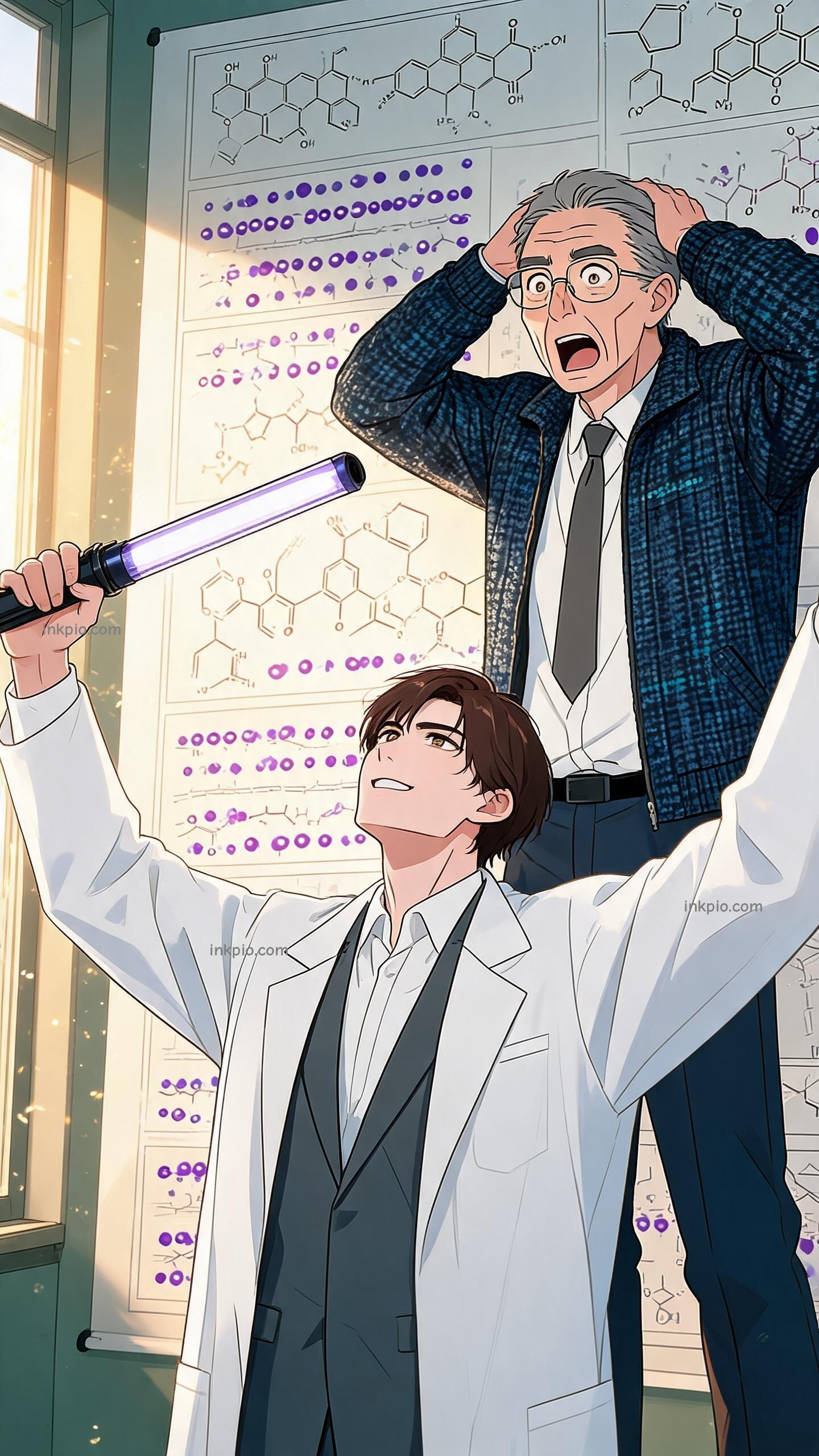
Miller took samples of the sludge and ran them through paper chromatography. He needed to separate the chaos into order. When the process finished, he carried the filter paper into a pitch-black room. His hands trembled slightly as he switched on the ultraviolet lamp. In the darkness, the paper remained blank for a heartbeat. Then, bright purple spots began to glow against the black background. They weren't random stains. They were patterns.
Glycine. Alanine. Five distinct amino acids stared back at him from the void. These were not just chemicals; they were the alphabet of life. The spark hadn't created life itself, but it had cooked the ingredients from dead stones and air. The 'vital force' was unnecessary. The universe could build its own foundations.
Miller stood in the dark, watching the purple spots fade as the lamp cooled. The sludge outside was still foul, still ugly. But inside that glass loop, the boundary between the living and the dead had blurred. He didn't cheer. He simply watched the glow, realizing that the magic everyone feared was just chemistry waiting to be understood. The silence in the room felt heavier now, filled with the weight of a world that no longer needed a god to start.