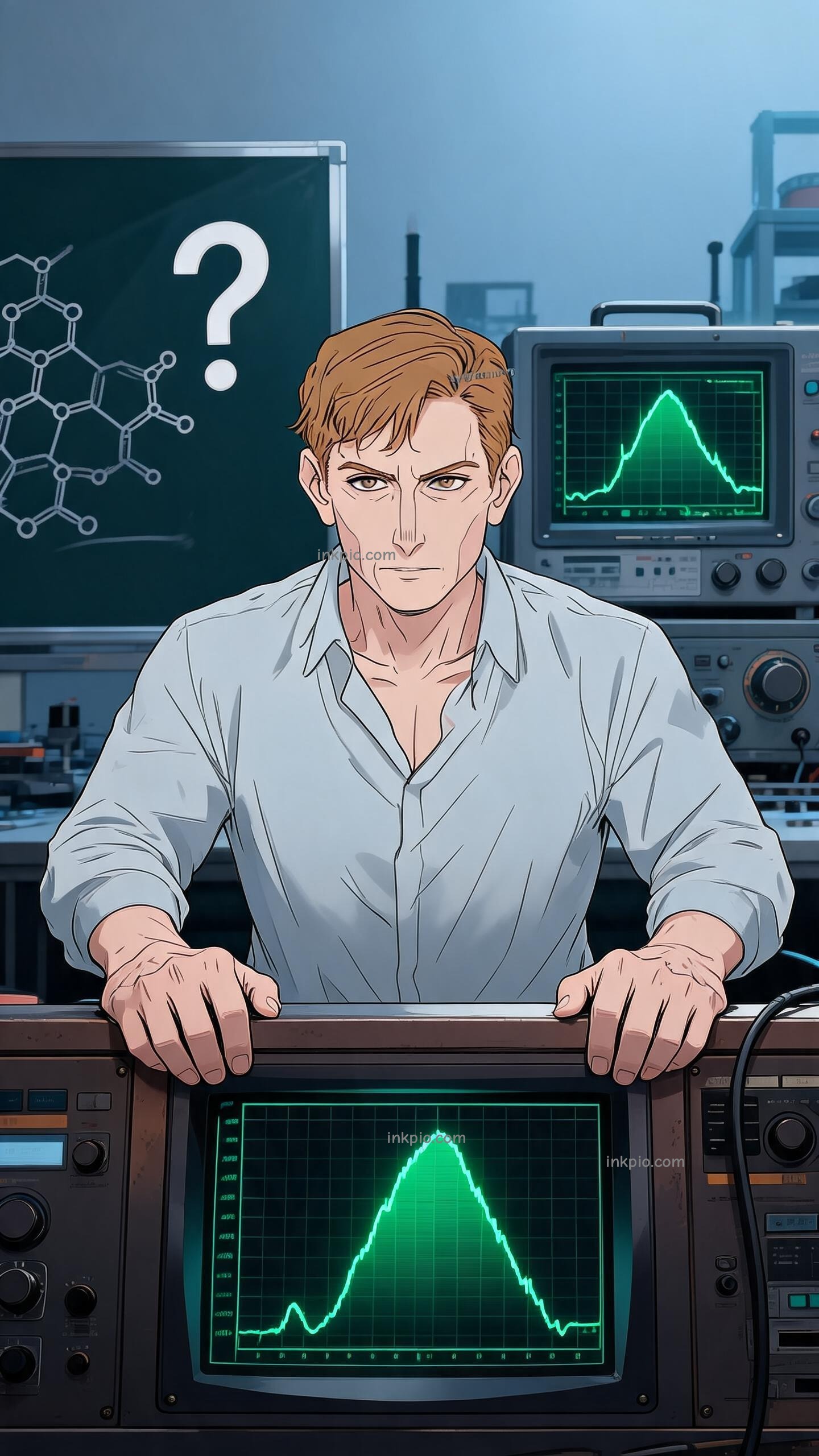
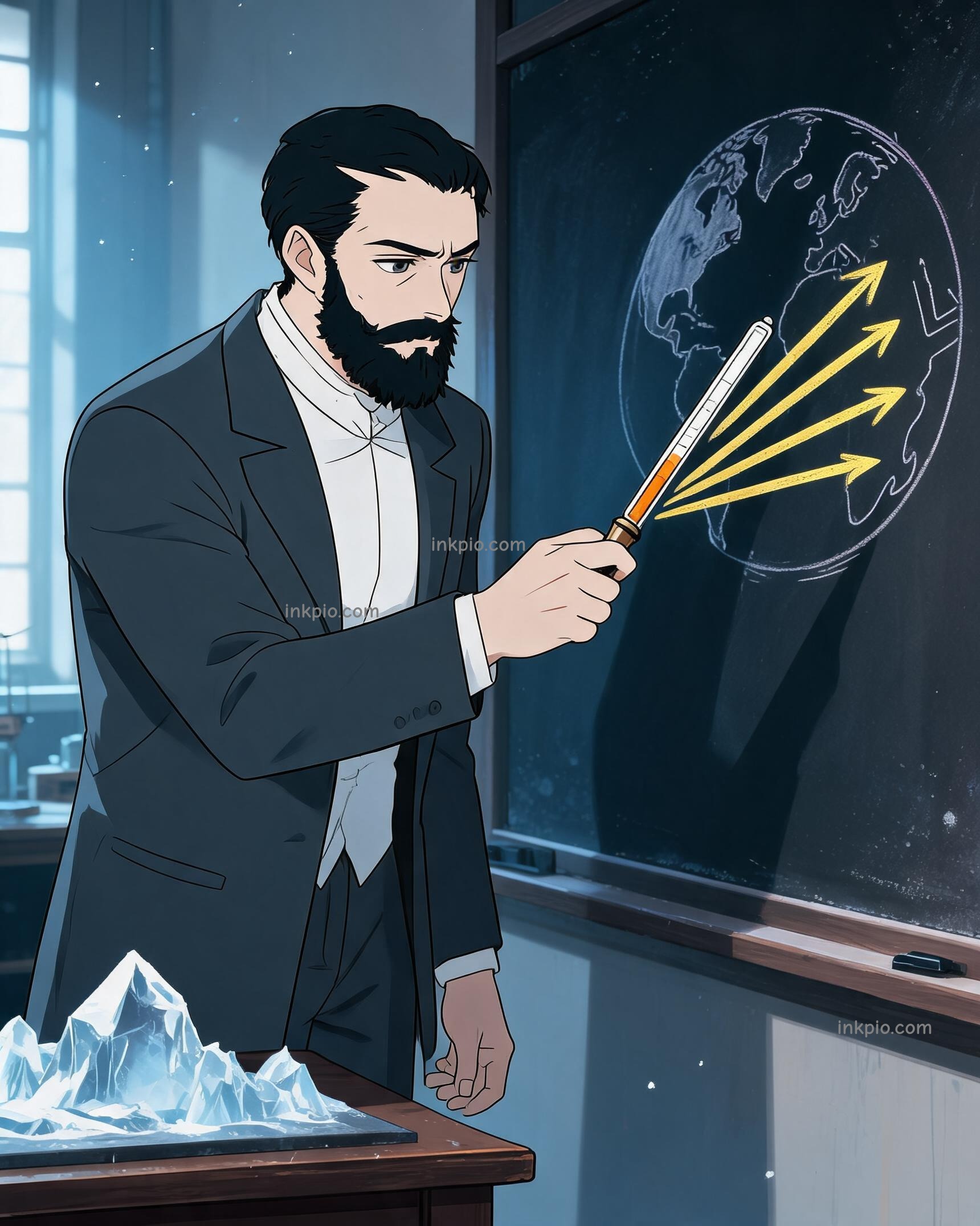

The London fog pressed against the laboratory windows, a gray shroud that seemed to swallow the city whole. Inside, John Tyndall stared at his copper tube, the metal cold under his fingertips. He wasn't just fighting a scientific puzzle; he was fighting a creeping dread. If the prevailing theory held true—that the atmosphere was transparent to heat—then Earth had no business being warm. It should have been a dead, frozen rock drifting in the void. The ice ages weren't just historical curiosities; they were warnings of what the planet wanted to become.
His colleagues at the Royal Society spoke of air as if it were empty space, a passive window for sunlight. Tyndall knew better. He felt the weight of their dismissal, the quiet arrogance of men who believed they had mapped the heavens. But maps are not territory. He needed to see the invisible. He needed to prove that the air itself was alive with action.
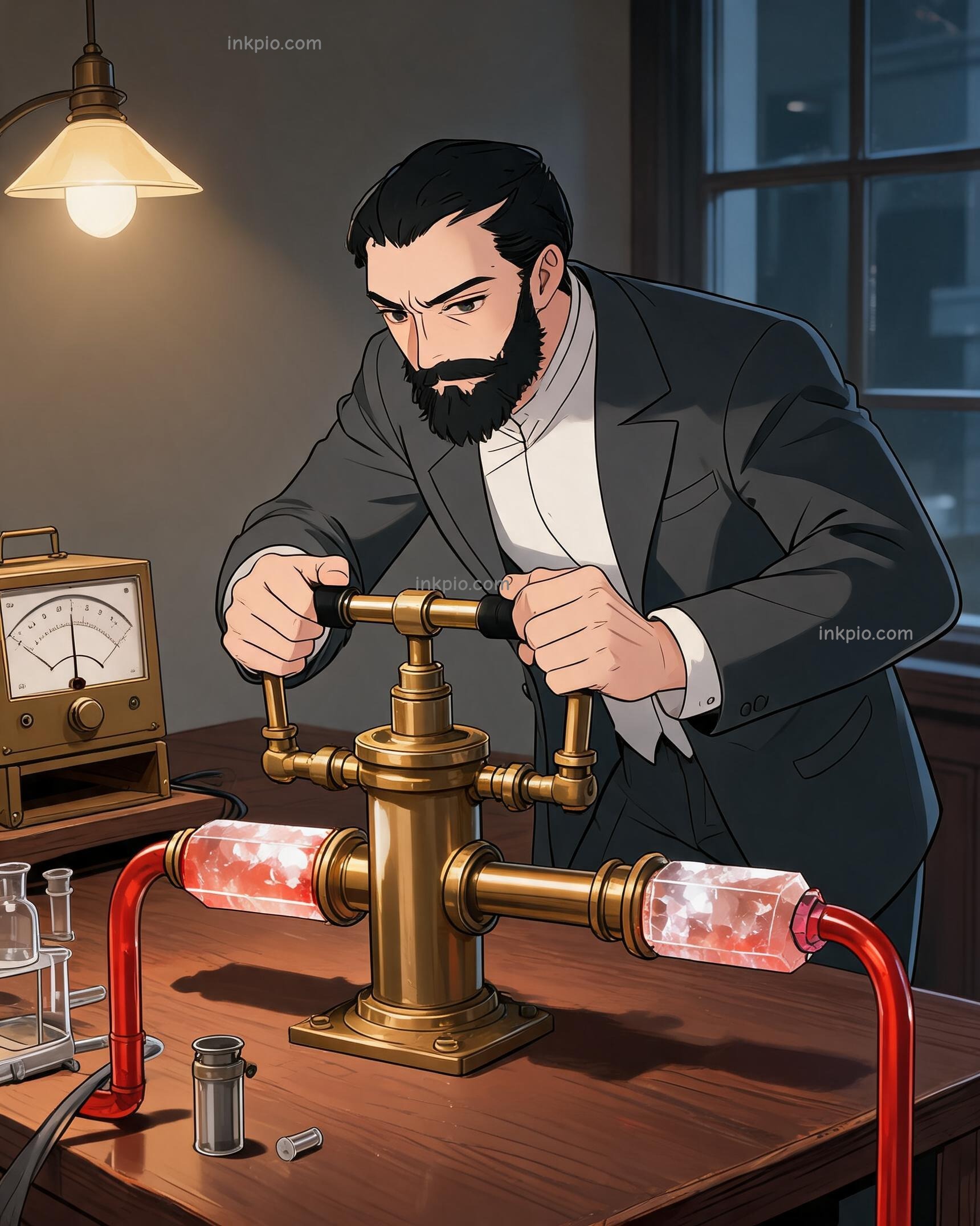
The first obstacle was glass. Ordinary windowpanes absorbed infrared radiation, blinding his instruments. It was like trying to measure the warmth of a fire while wearing thick wool gloves. Frustration mounted. He paced the lab, the gaslights flickering above him. Then he remembered rock salt. Crystalline, brittle, and strangely transparent to heat. He carved the windows himself, his hands steady despite the exhaustion. This was no longer just an experiment; it was a confrontation with the unseen.
He sealed the rock-salt windows onto the copper diathermometer. The apparatus looked fragile, almost absurd—a simple tube holding the fate of the world’s climate. He pumped in dry air, pure and stripped of moisture. He ignited the heat source. The galvanometer needle remained stubbornly still. Dry air let the heat pass through as if it weren't there. The established wisdom was right, but only halfway. It felt like a taunt.
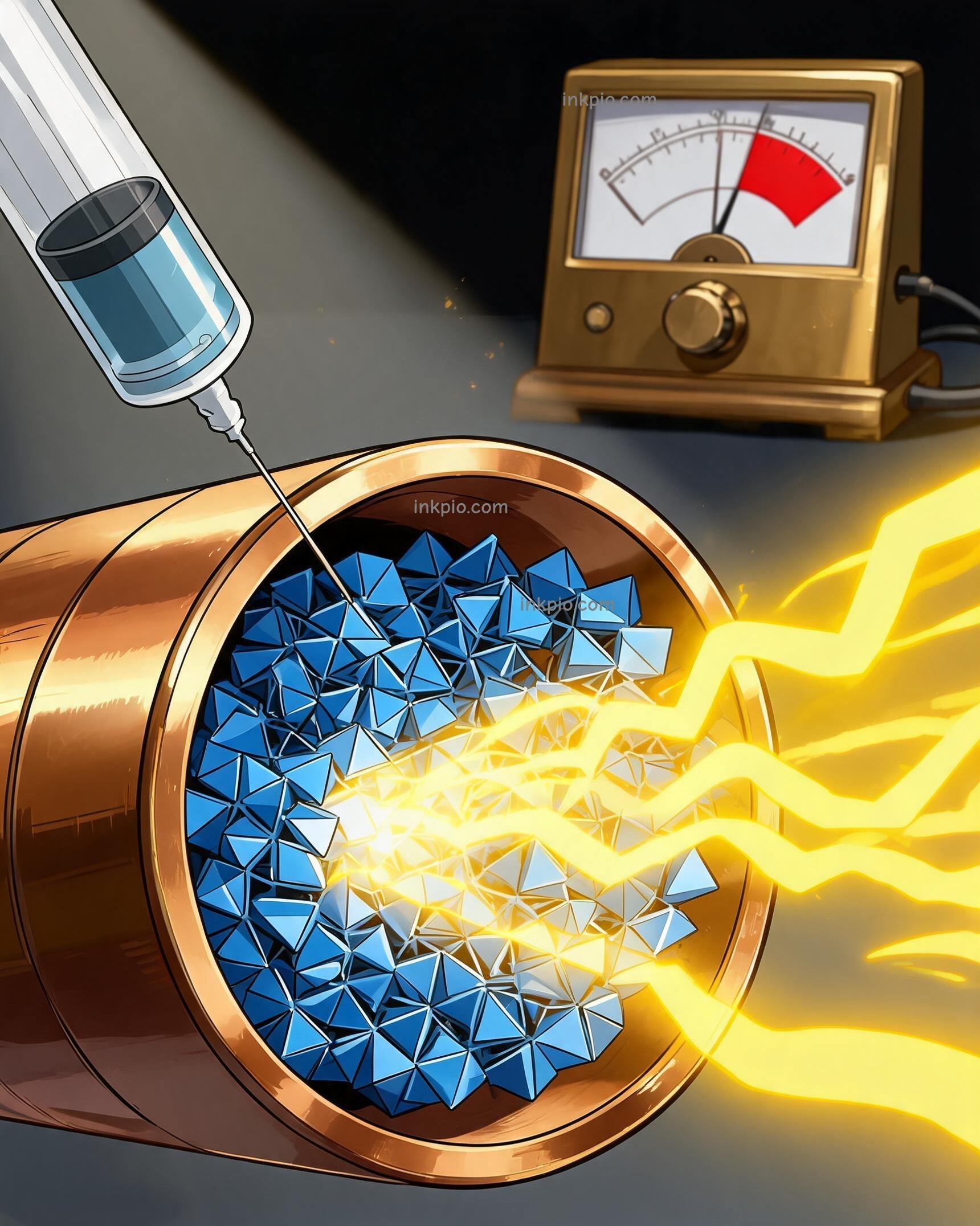
Then came the moment that would change everything. Tyndall reached for a small vial of carbon dioxide. His breath hitched. He injected a mere trace into the tube, a ghost of gas barely visible to the eye. He watched the detector. For a second, nothing happened. Then, the needle didn't just move; it slammed against the stop. The heat was trapped. Blocked. Held captive by molecules too small to see.
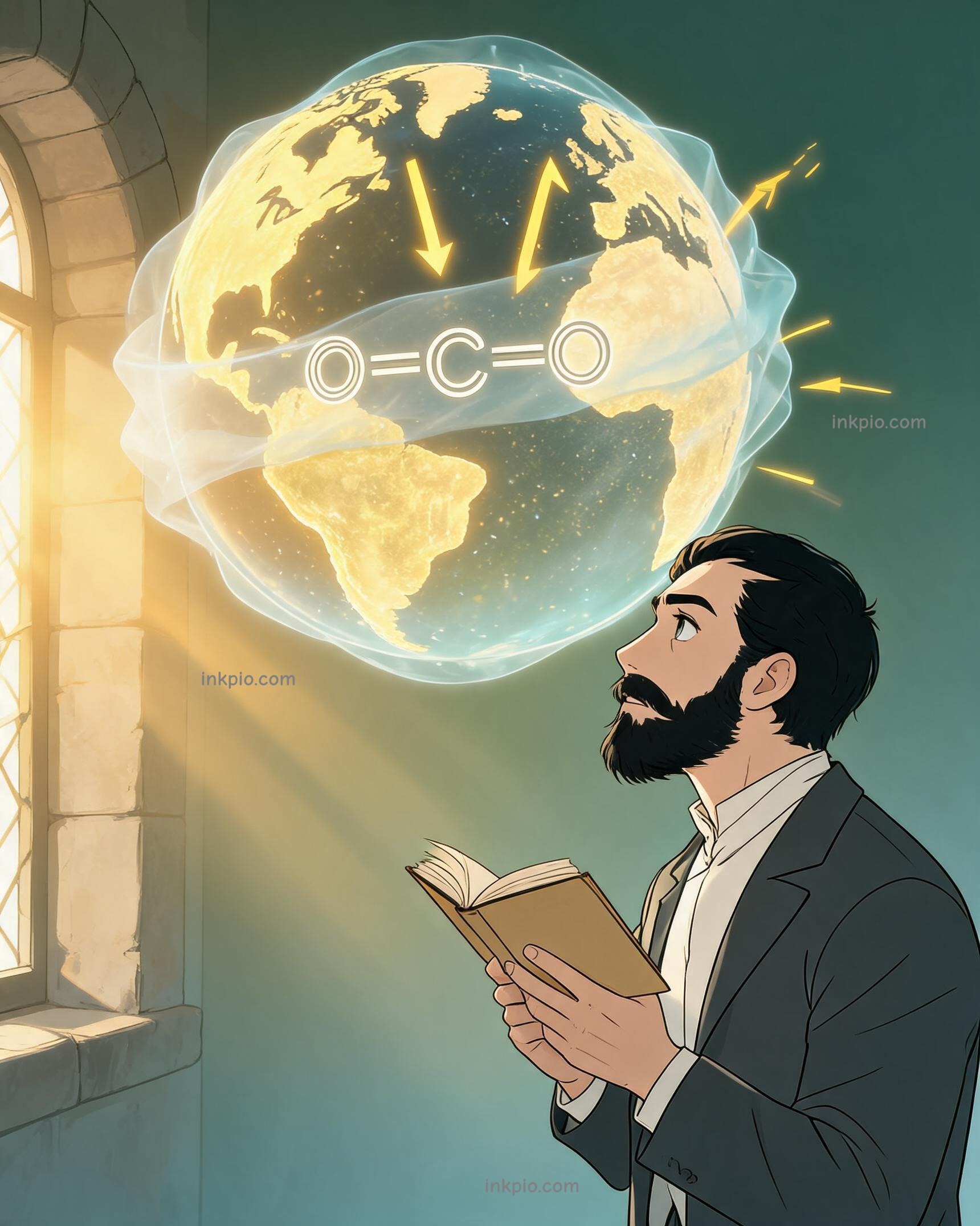
He tried water vapor next. The same violent reaction. The needle jumped, defying the silence of the dry air. Tyndall stepped back, his heart pounding against his ribs. It wasn't the bulk of the atmosphere that mattered. It was the trace elements. These polyatomic gases were not passive; they were aggressive absorbers. They acted like a thick, invisible quilt, wrapping the planet in warmth.
In the quiet of the lab, the implication settled over him. The ice ages weren't random chaos. They were the result of this blanket thinning or thickening. The Earth breathed, and its breath controlled the temperature. He looked at the copper tube, now just a piece of metal again, and felt a profound shift in his understanding of existence. We are not living on a rock exposed to the void. We are cradled.
When he presented his findings in 1859, the room was polite but skeptical. They saw data; he saw a lifeline. He spoke of radiation and absorption, but in his mind, he saw the sky differently. It was no longer an empty expanse. It was a shield. That night, walking home through the damp London streets, Tyndall looked up. The clouds obscured the stars, but he didn't feel the usual chill. He felt the weight of the air around him, heavy and protective. He realized that every breath he took was part of the mechanism that kept the darkness at bay. The invisible blanket was everywhere, and for the first time, he could feel its warmth.