
The silence in the Leiden laboratory was not peaceful; it was heavy with the weight of failed expectations. For years, Heike Kamerlingh Onnes had fought against the chaos of nature, trying to force matter into submission at temperatures no human had ever touched. The prevailing wisdom among his peers was comforting in its predictability: as metals cooled, their electrical resistance would drop smoothly, like a car slowing down on an empty road. Electrons would still bump into vibrating atoms, creating friction, but less and less of it. Onnes suspected the rules might bend, but he never imagined they would snap.
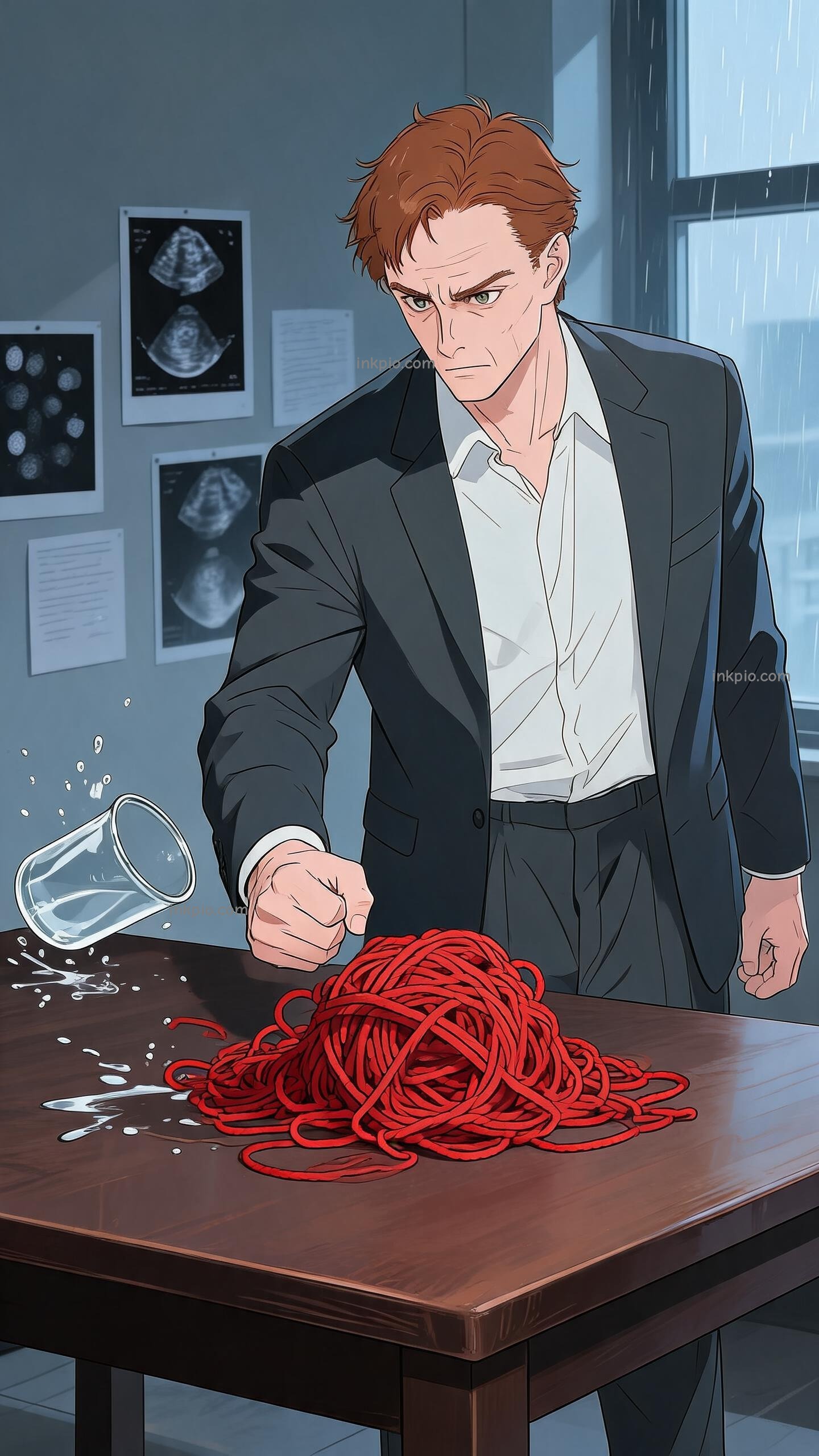
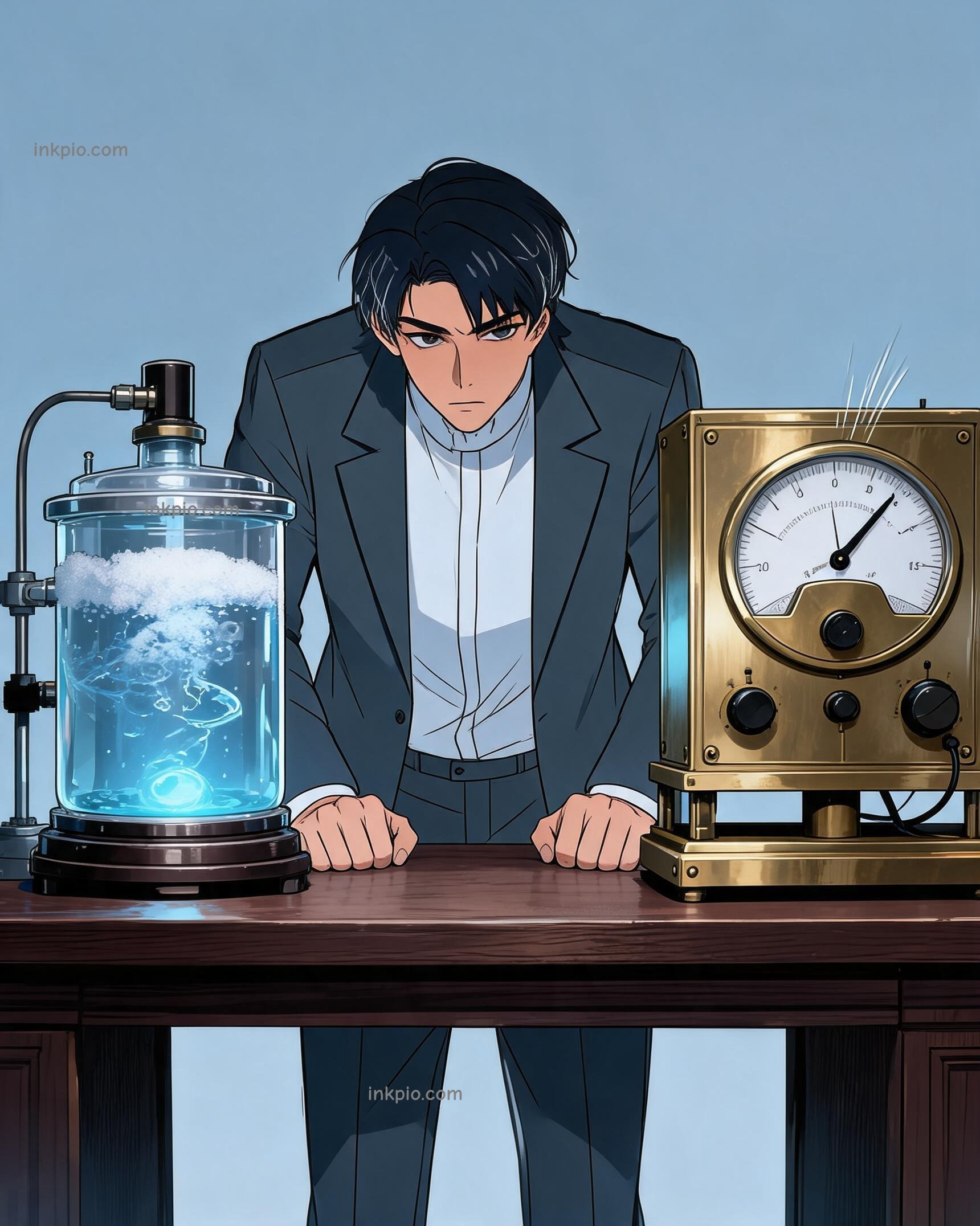
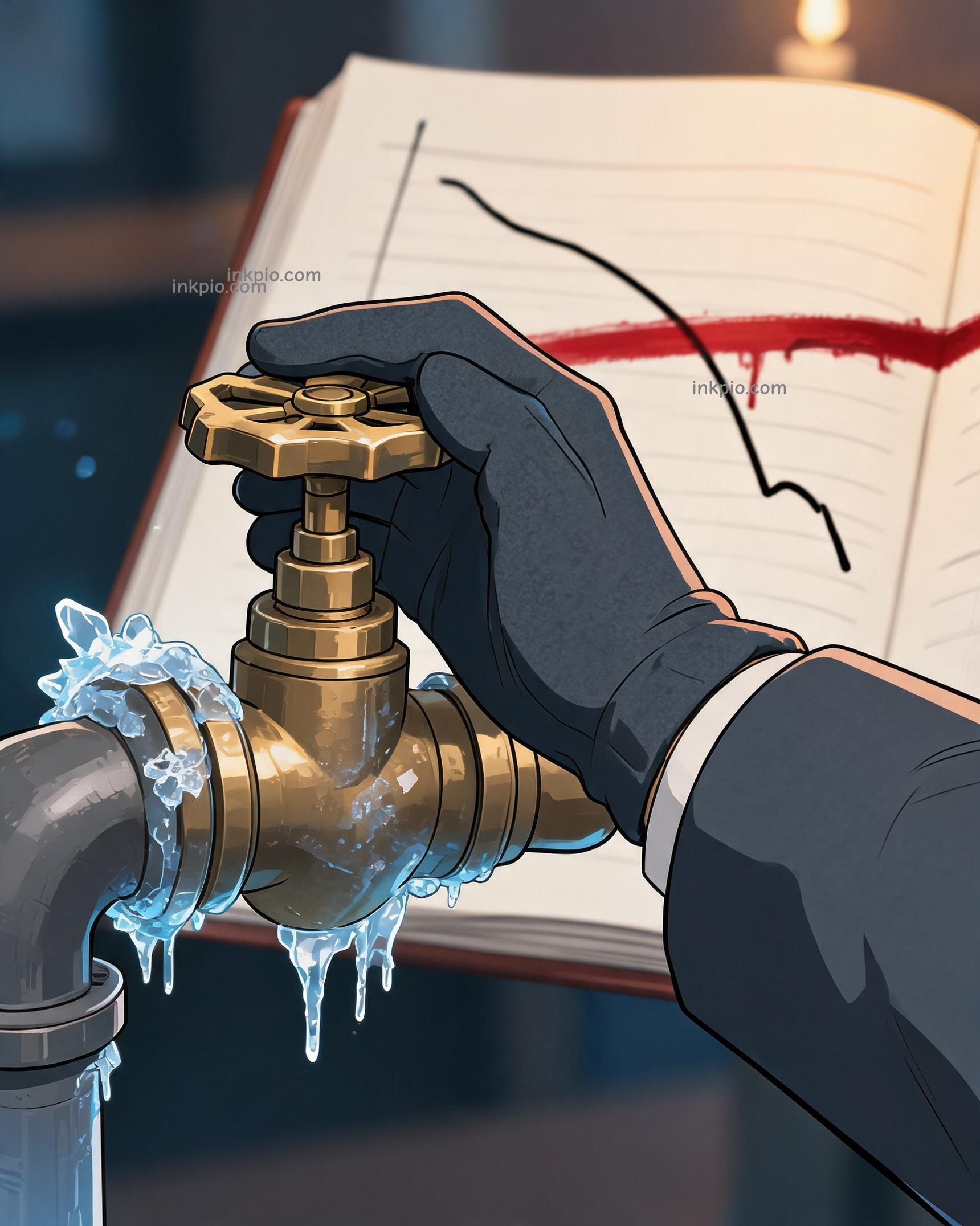
April 8, 1911, began with the familiar ritual of frustration. The heavy glass cryostat sat on the bench, a cold monument to his obsession. Inside, a thin strand of mercury waited, suspended in liquid helium. Onnes adjusted the valves, his fingers numb despite the gloves. The goal was simple mapping: track how the friction faded as the temperature crept toward absolute zero. Input a steady stream of electrons. Cool the material to slow the atomic scattering. Expect a cleaner, quieter path for the current. It was a logical progression, a gentle slope into the unknown.
But the lab bench refused to cooperate. The brass needle of the galvanometer did not glide; it jittered wildly, dancing across the scale in erratic spasms. Thick frost bloomed over the valves, swallowing the mechanisms in ice. Early readings jumped so violently that Onnes had to scratch out his first graphs, the paper tearing under the pressure of his pen. His assistant stood by the door, shivering, watching the master’s back stiffen with each failed measurement. There was no applause here, only the hiss of escaping gas and the gnawing fear that months of work were dissolving into noise.
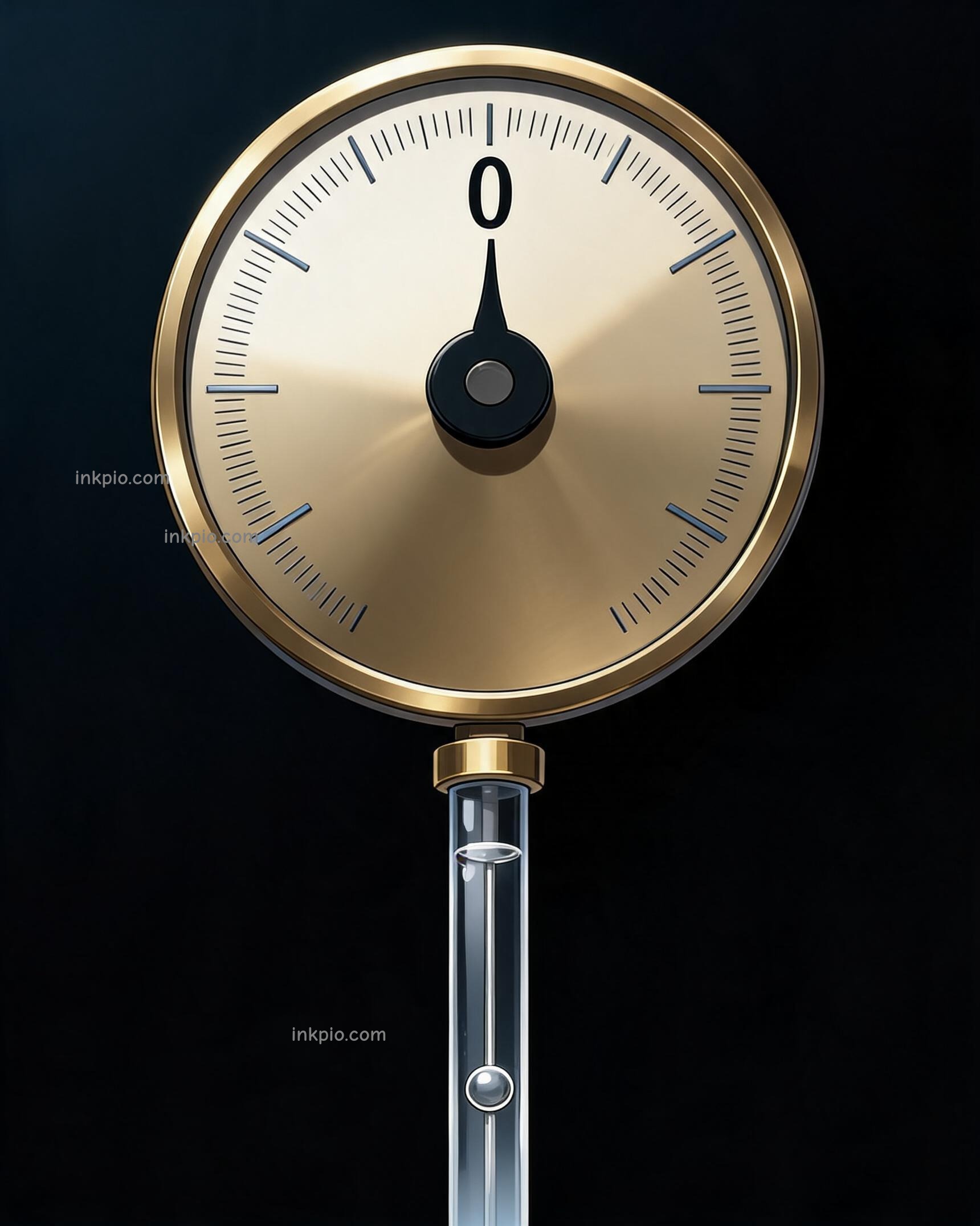
Onnes did not look up. He simply turned the helium valve another fraction, a microscopic adjustment born of stubbornness rather than hope. He leaned in closer, his breath fogging the air, eyes locked on the trembling needle. The thermometer slid past 4.2 Kelvin. The room seemed to hold its breath. Then, at exactly 4.15 Kelvin, the impossible happened. The frantic needle did not drift lower. It plummeted. It dropped straight down and locked tight against the zero mark, defying every law of physics they knew.
Time stopped in that small circle of light. Onnes stared at the instrument, waiting for the needle to twitch, to bounce back, to reveal the error. It held perfectly still. Below, the pale liquid helium continued to boil, indifferent to the revolution occurring above it. The mercury had completely stopped fighting the current. The friction was gone. Not reduced, not minimized, but erased. A simple wire had forgotten how to resist. The chaos of the atomic world had suddenly, inexplicably, found perfect order.
He picked up his pen. His hand did not shake this time. He wrote down the result with a clarity that felt almost violent in its simplicity: The resistance of mercury at 4.15 K is practically zero. He did not cheer. He did not call for his assistant. He just watched the needle, anchored at zero, while the rest of the world continued to spin in its noisy, resistant way. The note was sent to the Proceedings of the Royal Netherlands Academy of Arts and Sciences before the frost even cleared from his desk.
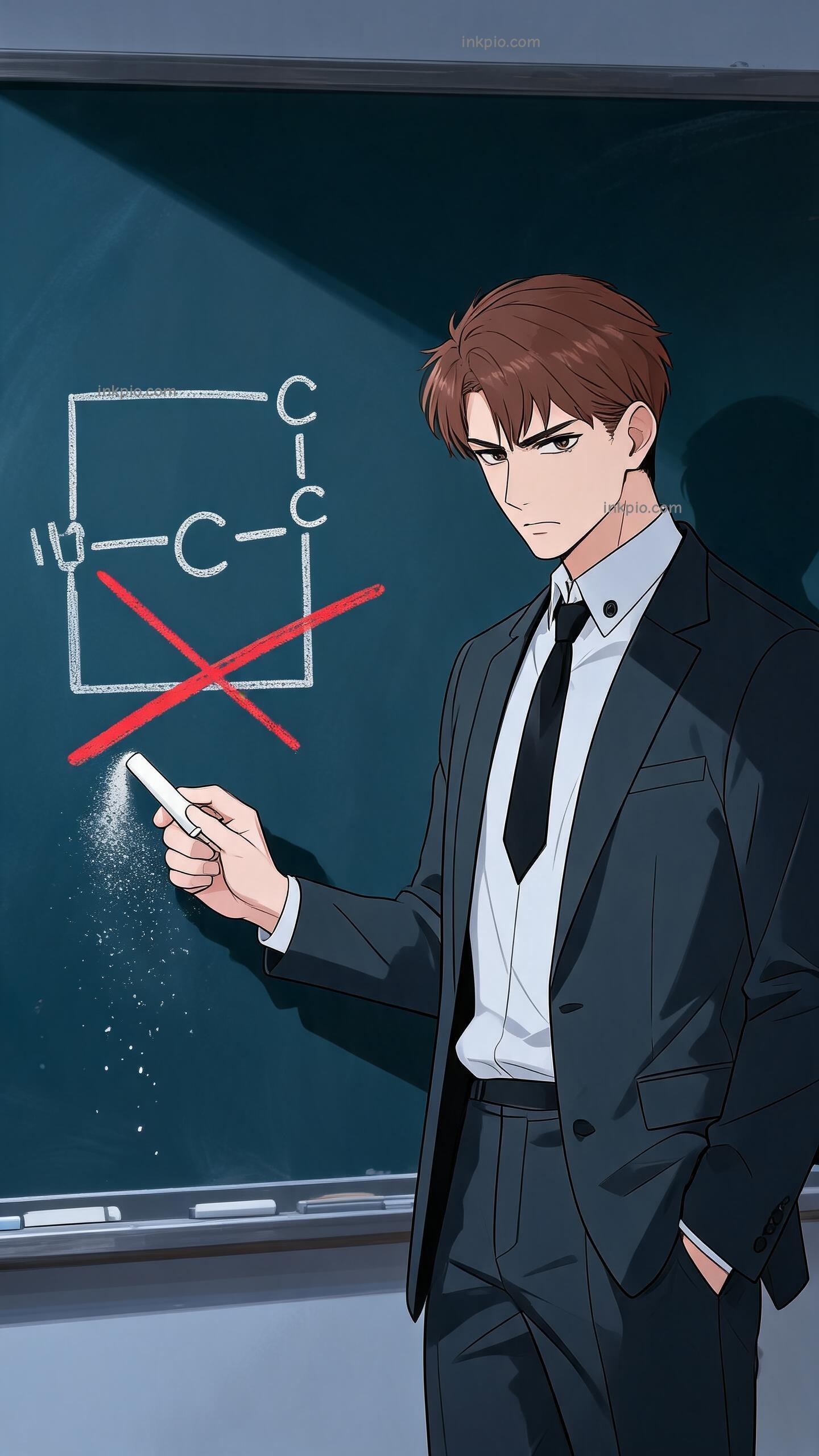
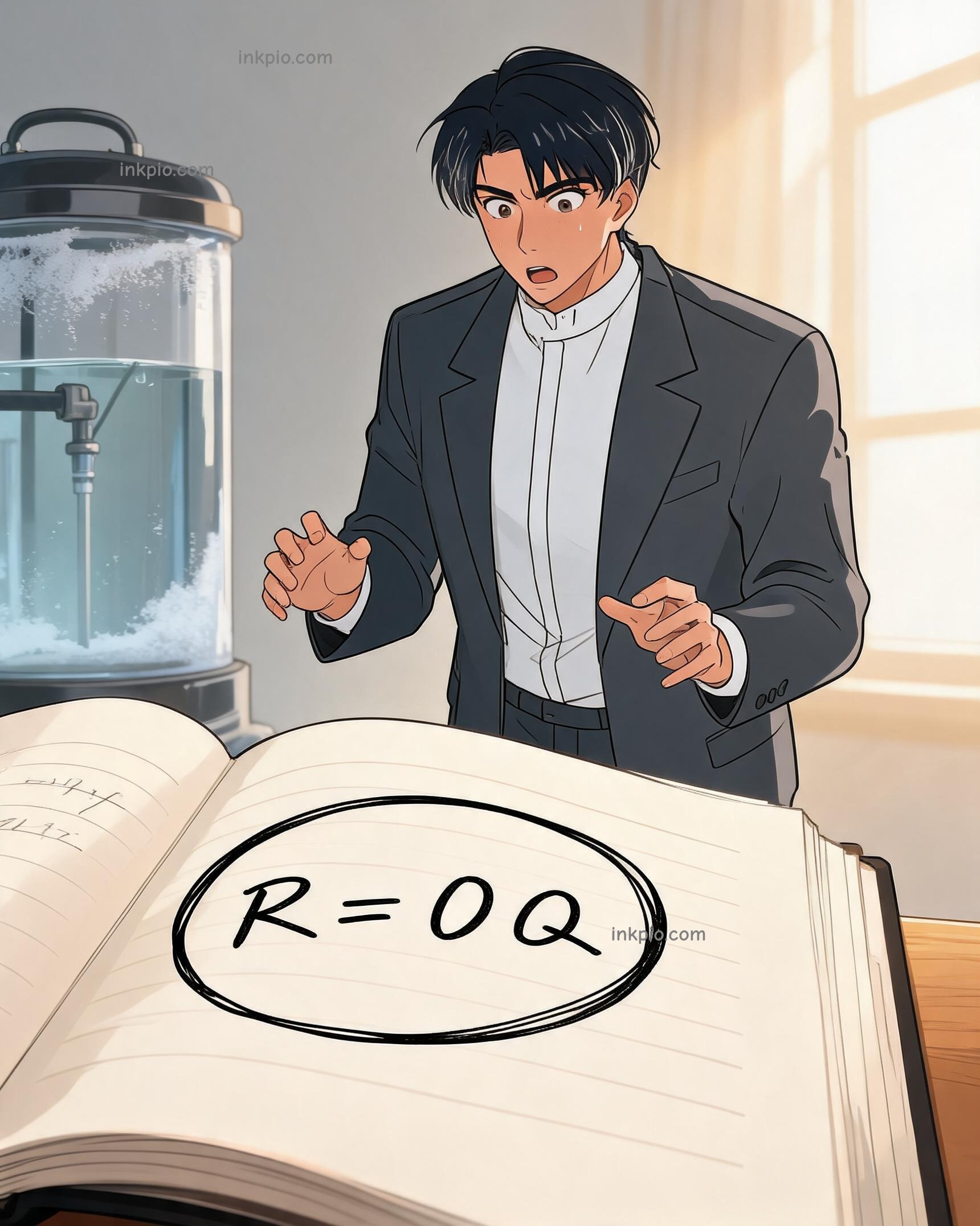
Years later, the Nobel Prize would arrive, validating the breakthrough. But in that quiet room, there was no award, only the hum of the equipment and the stark reality on the page. Onnes closed his lab ledger. On the final page, a single equation sat circled in ink, isolated and profound. The silence returned, but it felt different now. It was no longer the silence of failure, but the hush of a door opening onto a new universe. He left the lab, leaving the zero behind, knowing that nothing would ever be quite the same.