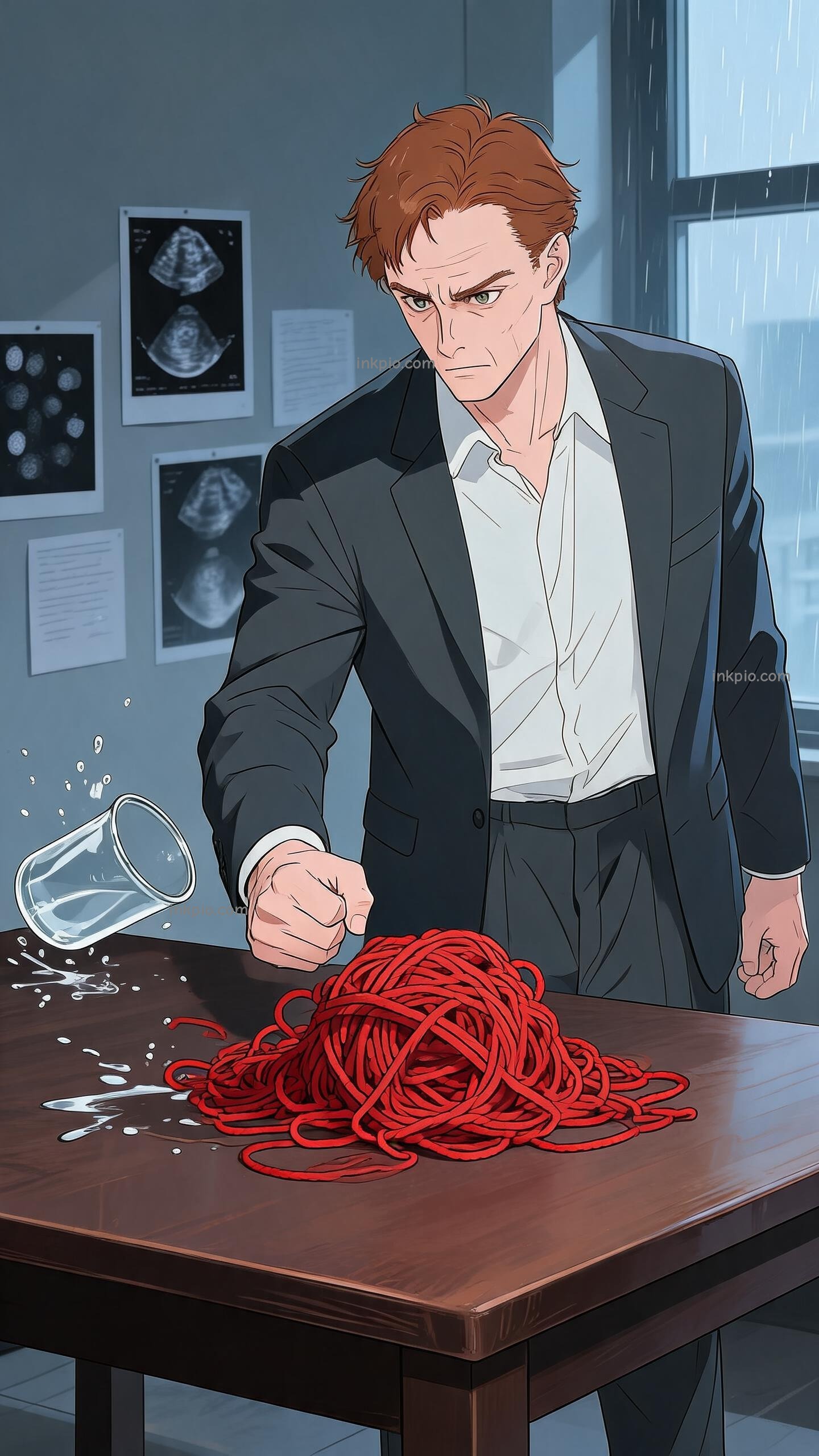
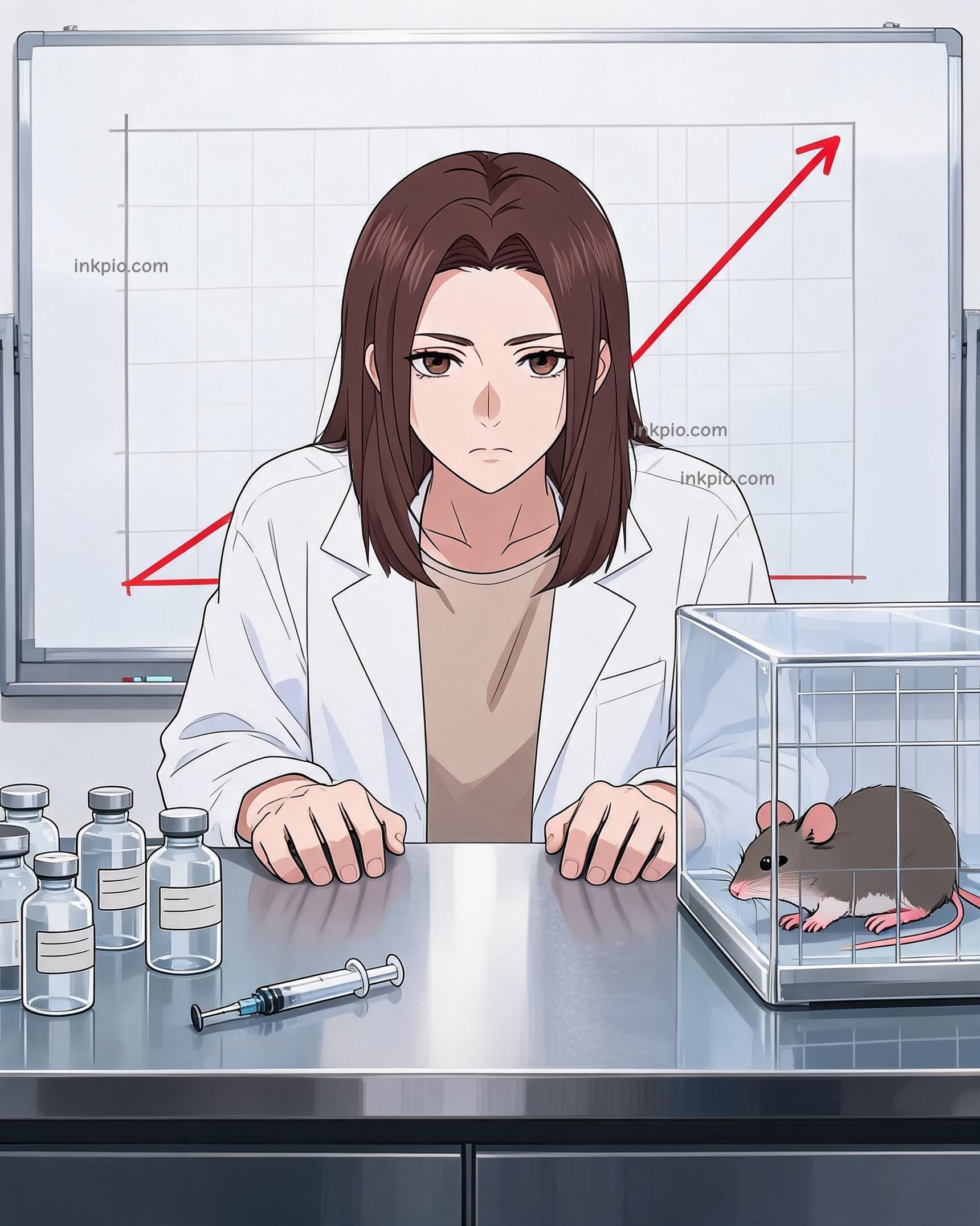

The mice were dying. Not from the disease they were supposed to be protected against, but from the cure itself. Every time Katalin Karikó injected synthetic mRNA into their veins, their bodies reacted with violent hostility. Paws swelled until they could barely walk; fevers spiked dangerously high. The immune system didn't care about the genetic instructions carried inside the RNA. It only saw the molecule itself—a foreign invader—and sounded the alarm. By the early 2000s, the verdict across the scientific community was harsh and final: mRNA was too dangerous for human medicine. Most researchers packed up their pipettes and moved on to safer projects.
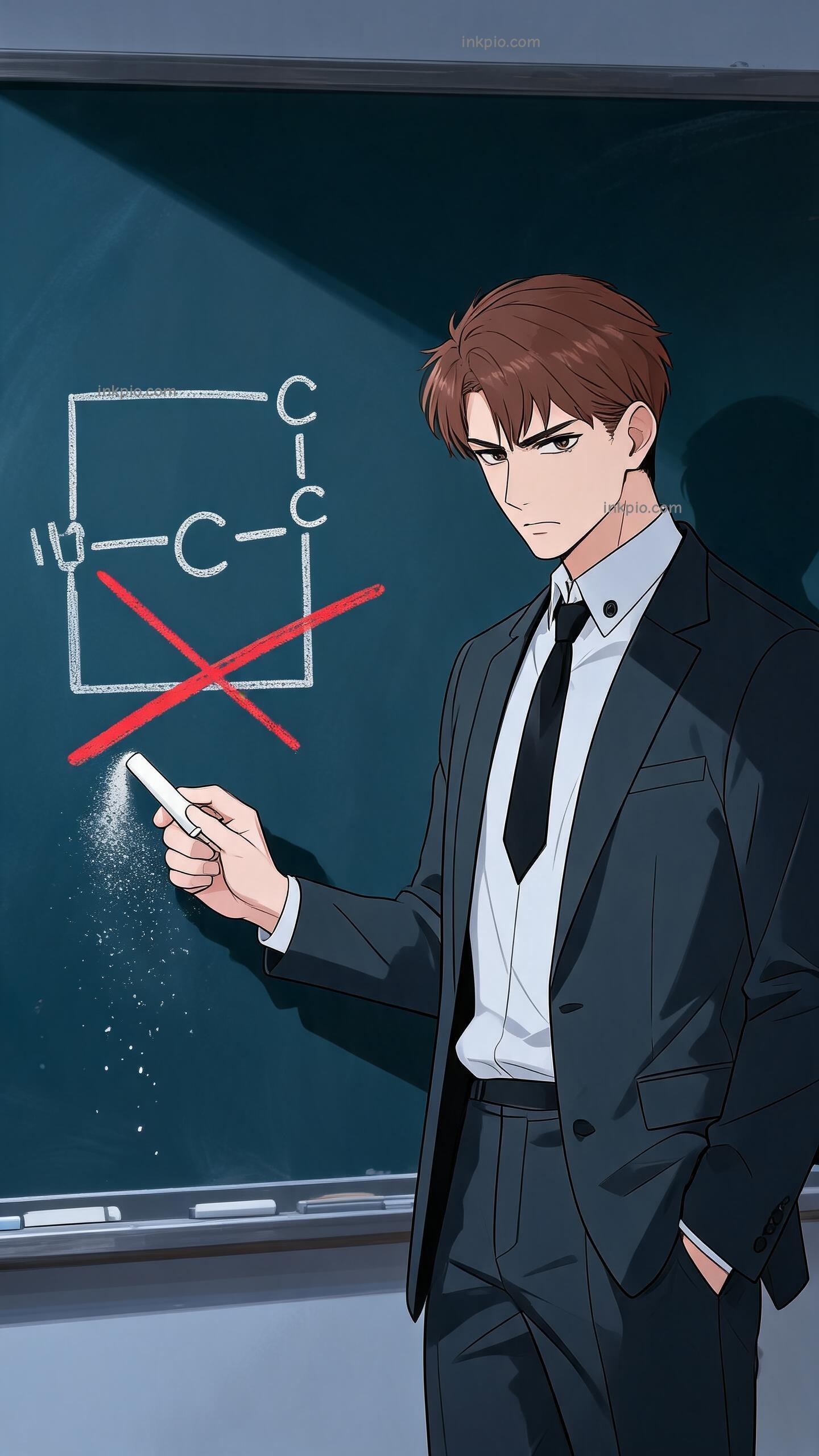
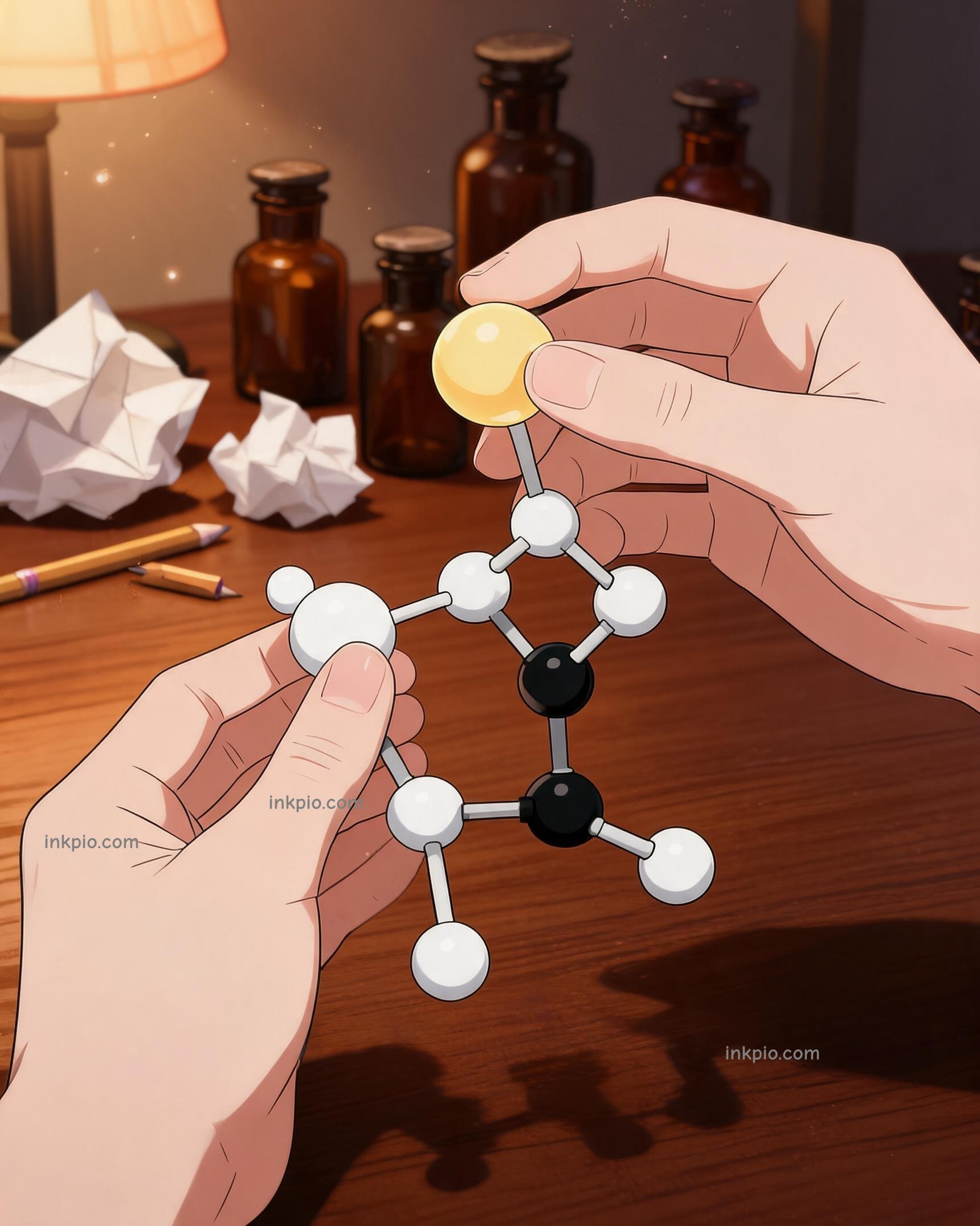
Karikó stayed. She sat alone in the lab, staring at the chemical blueprint of RNA until the lines blurred. It wasn't just curiosity that kept her there; it was a stubborn refusal to accept that nature had locked this door forever. She felt the weight of every failed experiment, the quiet judgment of colleagues who thought she was wasting her career. But in that isolation, she found a single point of leverage. Her eyes fixed on uridine, one of the four basic building blocks of RNA. What if the problem wasn't the message, but the medium? What if she could disguise the messenger?
She hypothesized that swapping uridine for its natural isomer, pseudouridine, might trick the immune system. It was a subtle change, like smoothing a rough edge on a key so it slides into a lock without triggering the tumblers. If she could make the RNA look like "self" rather than "other," the cellular sentries might let it pass. The idea was elegant, but turning it into reality meant weeks of grinding, tedious labor. There was no automation for this; every strand had to be synthesized by hand, stitch by careful stitch.
Drew Weissman joined her in the trenches. He didn't offer grand speeches of encouragement; he offered his time and his hands. Together, they spent long nights synthesizing modified RNA strands, carefully weaving pseudouridine into the backbone. The air in the lab grew heavy with the scent of chemicals and fatigue. They loaded syringes with the new, modified versions and injected them into mice, while running parallel tests on cultured human cells. Each batch faced the same brutal screening. They checked for stress markers, measured cellular reactions, and waited. The silence in the room during those waiting periods was louder than any argument.
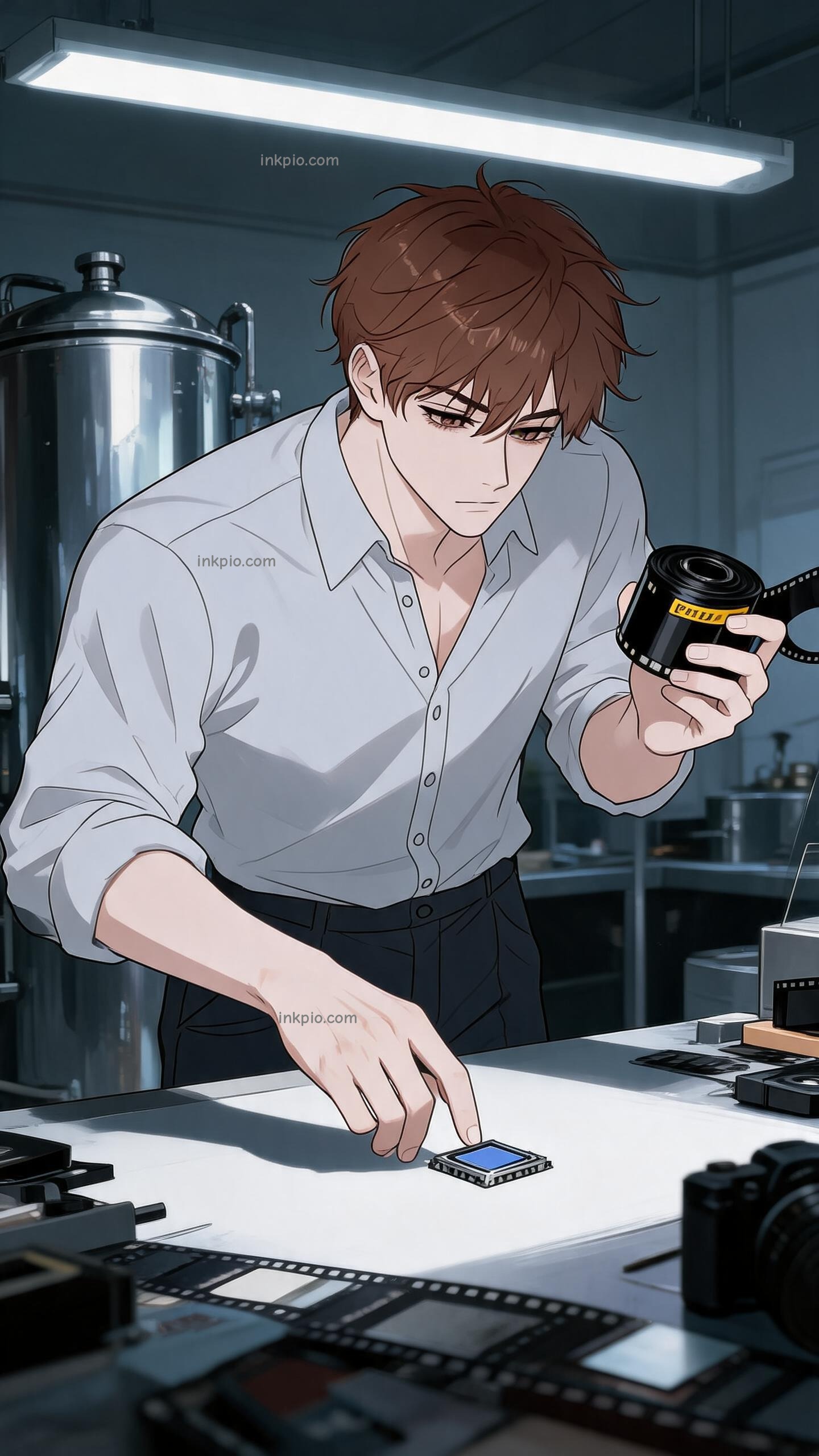
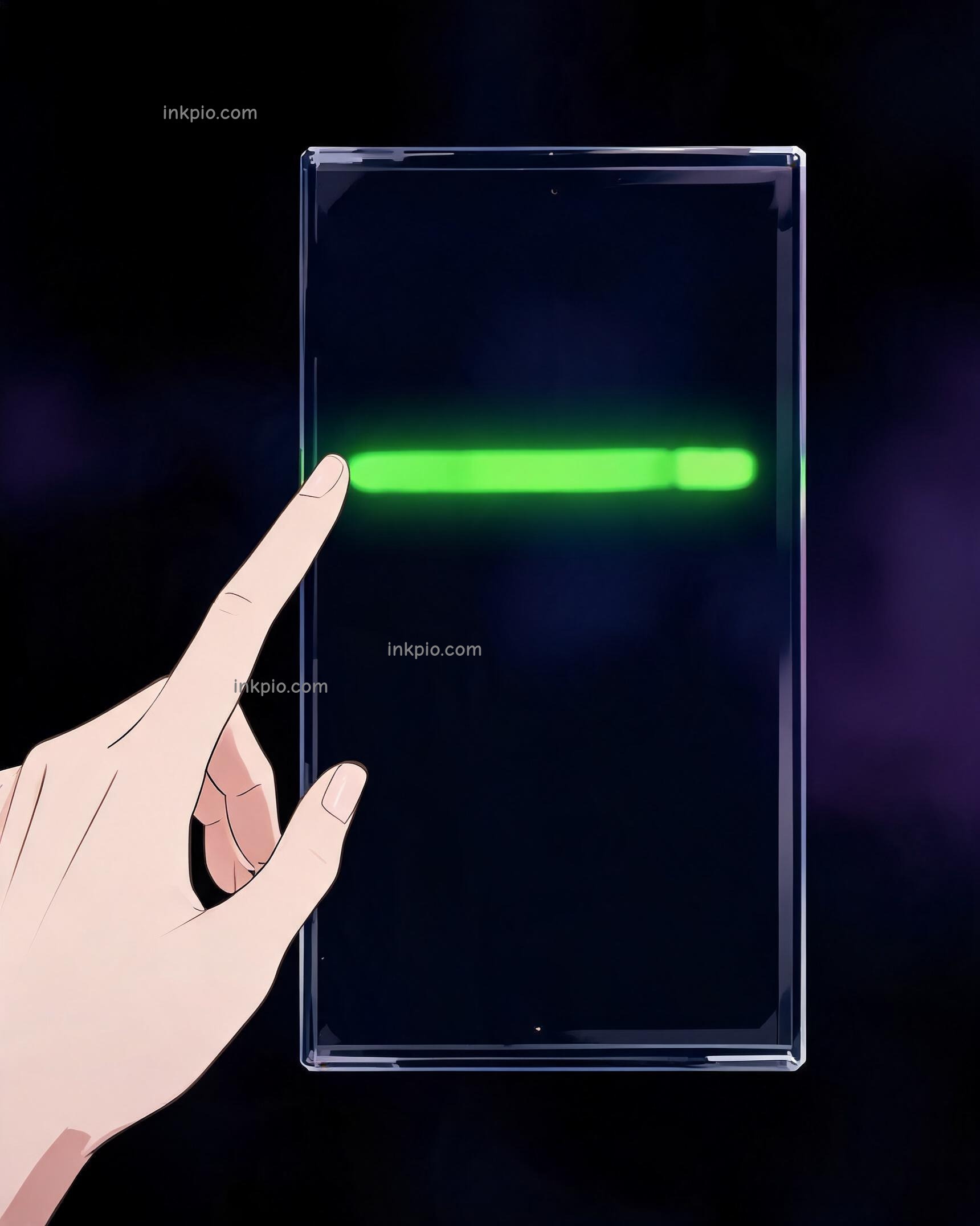
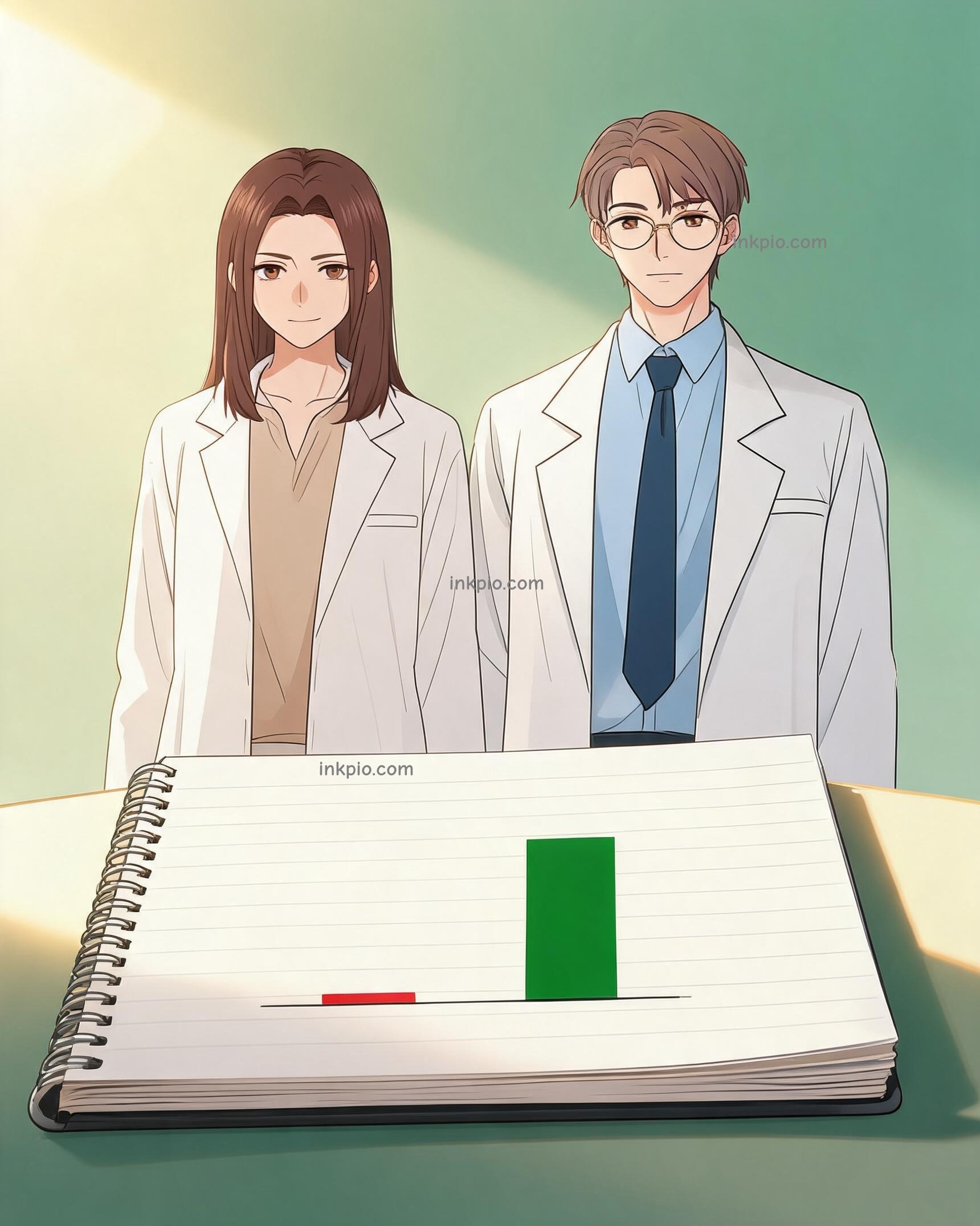
Then, the data shifted. It wasn't a dramatic explosion, but a quiet collapse of resistance. In both the human cell cultures and the mice, inflammatory cytokines plummeted by more than 90 percent. The Toll-like receptors, the immune system’s primary alarm bells for viral material, remained completely silent. They had expected noise, chaos, rejection. Instead, they got peace. When they ran the samples through the gel electrophoresis machine, the result was undeniable. A single, brilliant band of synthesized protein lit up the film. The cells hadn't just survived; they had read the instructions and built the protein efficiently.
Karikó looked at the gel, then at Weissman. Neither spoke immediately. The breakthrough wasn't just in the numbers; it was in the realization that their persistence had rewritten a biological rule. The "invisible cloak" they had imagined was real. By incorporating modified nucleosides, they had suppressed the innate immune recognition that had plagued the field for years. Their 2005 paper in Immunity would later capture this technically: modified nucleosides enable efficient protein production by hiding from the immune system. But in that moment, it was simply the sight of a clean, bright band on a dark film.
They packed away the vials of failed experiments, the ones that had caused swelling and fever. Those failures no longer felt like dead ends; they felt like steps. Karikó and Weissman watched the modified strands do their quiet work in the petri dishes. The world outside the lab still doubted mRNA, still called it a dead end. But inside, under the hum of the fume hoods, something had changed. The door hadn't just opened; it had vanished. They cleaned their benches, turned off the lights, and left the lab, carrying with them the quiet certainty that they had just handed medicine a new language.