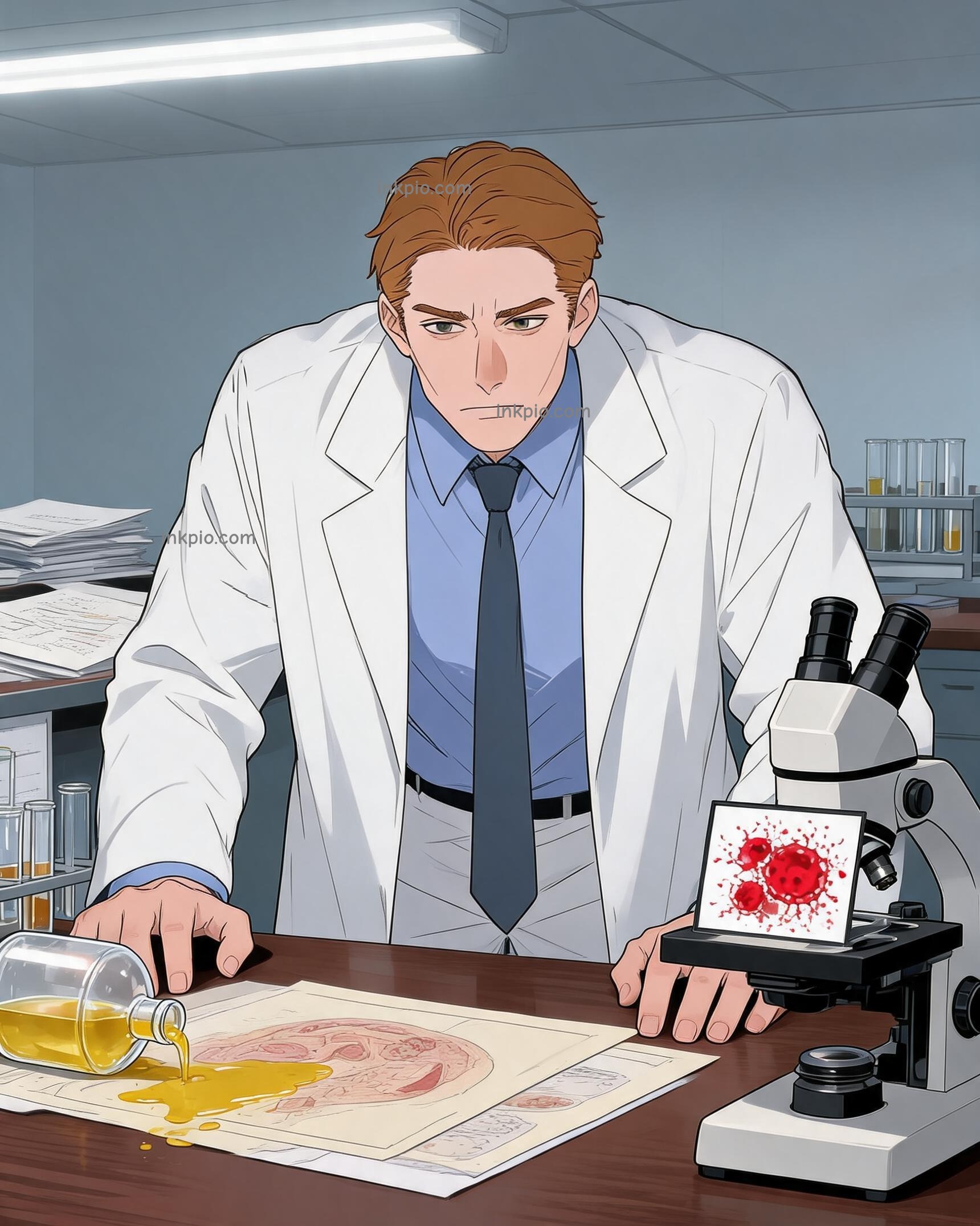


Brian Druker sat alone in the dim light of his lab, the hum of the refrigerator the only sound breaking the silence. On the slide before him, red leukemia cells multiplied with a terrifying, mindless energy. For decades, oncology had relied on a brutal logic: poison the body until the cancer died first. It was a gamble where survival often meant leaving patients broken, their immune systems shattered by the very cure meant to save them. Brian felt a growing exhaustion, not just from the long hours, but from the moral weight of prescribing toxicity as hope. He refused to accept that destroying healthy tissue was the price of life.
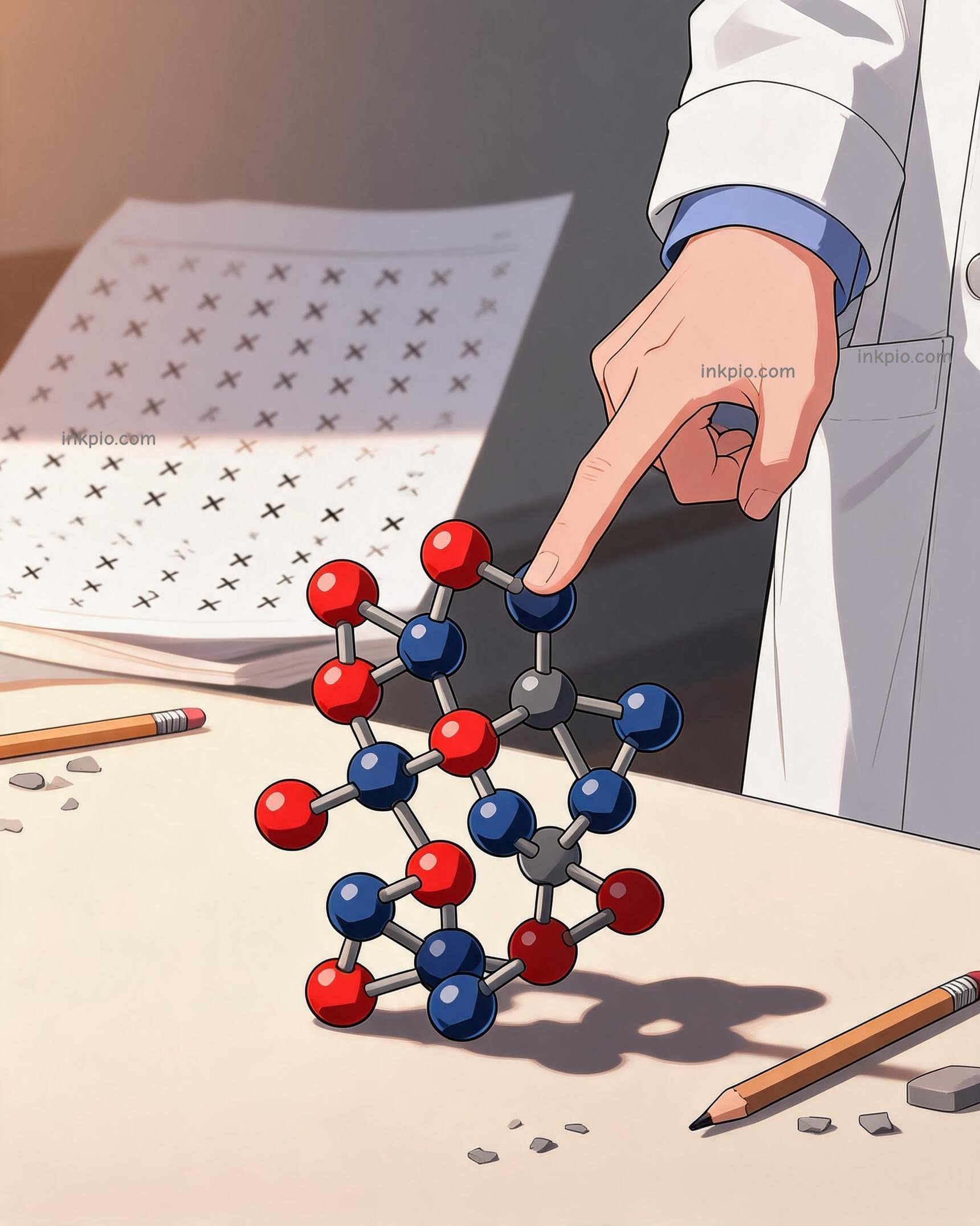
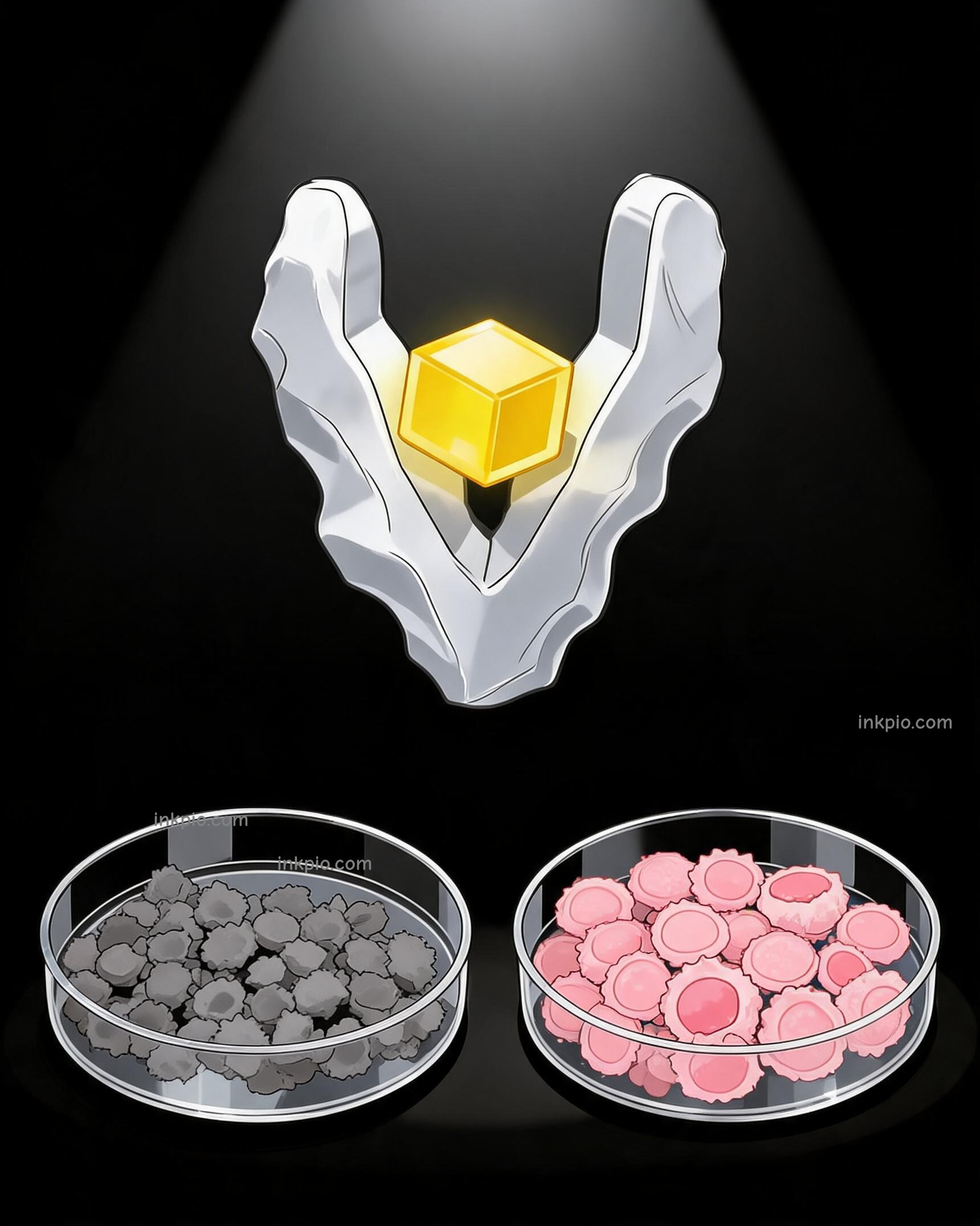
His focus narrowed to a single molecular culprit: the BCR-ABL protein. This mutated molecule acted like an engine with its accelerator stuck to the floor, forcing blood cells to divide without pause. While others looked at the chaos of the disease, Brian looked for the mechanism. He mapped the protein’s structure, searching for a weakness in its armor. There, he found it—a narrow, V-shaped groove where the cell’s energy packets, known as ATP, normally docked to fuel the division. If he could block this specific pocket, he could starve the cancer without touching the rest of the body.
The idea was elegant, but elegance rarely convinced skeptics. Pharmaceutical companies hesitated, fearing the risk of targeting a single pathway. Colleagues whispered that such precision was a fantasy, that cancer was too complex to be stopped by one key. Brian spent months navigating these doubts, coordinating with chemists to synthesize a compound that fit the V-shaped lock perfectly. He wasn't just testing a drug; he was betting his career on the belief that biology could be reasoned with, rather than bombed.
In the petri dishes, the result was quiet but absolute. Once the synthetic compound slid into the protein’s energy pocket, the frantic division stopped. The cancer cells didn't explode or burn; they simply lost the drive to exist and shut down. Healthy cells, unaffected by the blockade, continued their normal rhythm. The blueprint worked in glass, but the real test awaited in human bodies. In 1998, Brian launched Phase I clinical trials for STI571 at Oregon Health & Science University, carrying the weight of every patient who had been failed by the old methods.
The first patients arrived at the clinic bracing for agony. They expected nausea, hair loss, and the crushing fatigue that defined chemotherapy. Instead, they swallowed a small capsule and went home. Days turned into weeks, and the anticipated suffering never came. Then, the blood tests returned. The white cell counts, previously skyrocketing out of control, began to plummet. Within days, the numbers normalized. It wasn't a gradual improvement; it was a collapse of the disease’s infrastructure. The rogue engine had been silenced.
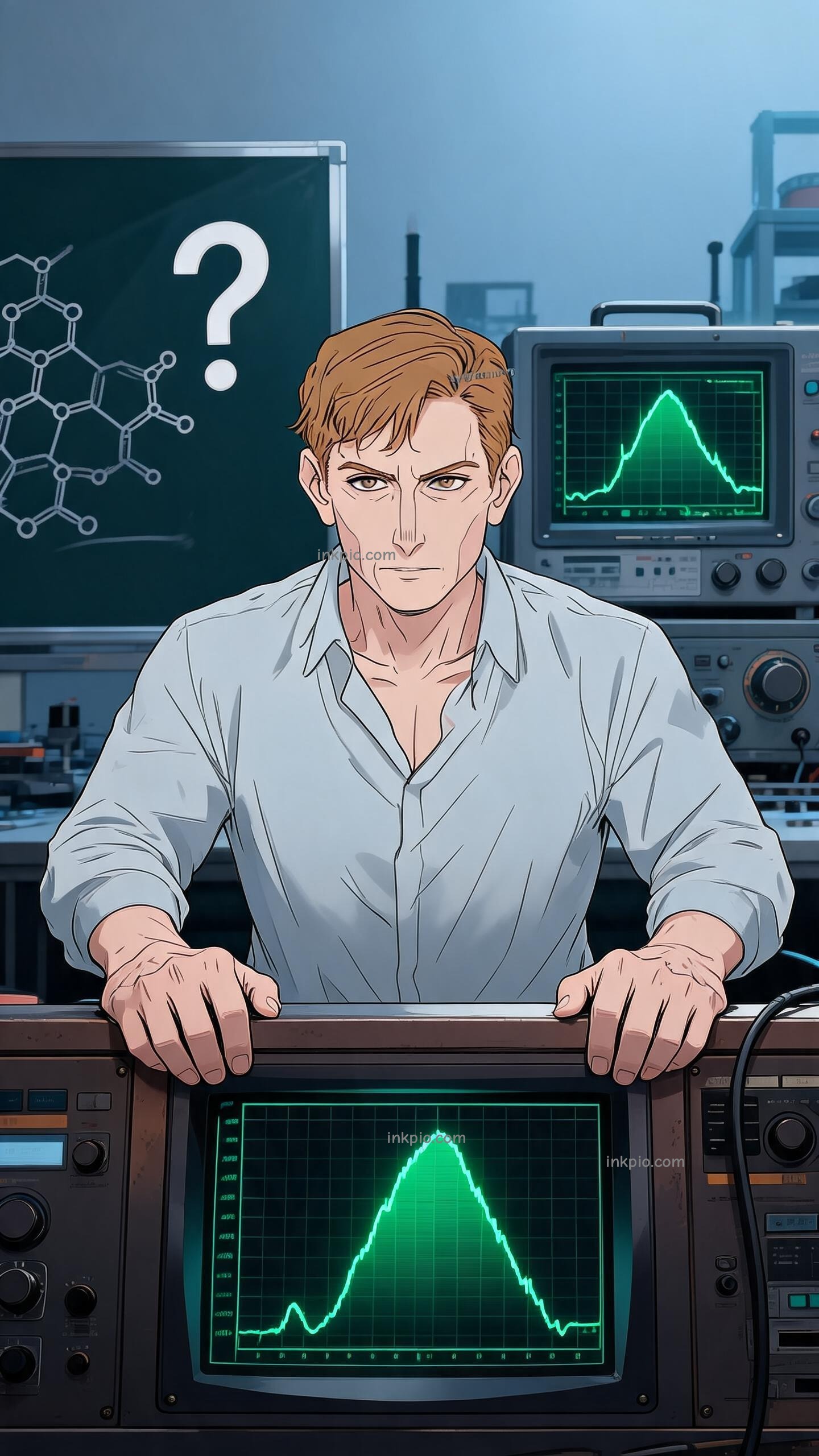
Skeptics turned to believers as the data poured in. By 2001, the FDA granted accelerated approval after trials showed a 98% hematologic remission rate. For Brian, the victory wasn't in the headlines, but in the charts. He leaned over the final remission data, watching the lines drop to safe levels. The terror of a fatal diagnosis had been replaced by the routine of a manageable condition. He didn't celebrate with a shout. He simply closed the folder, listening to the silence in the lab, knowing that for the first time, the enemy hadn't just been attacked—it had been understood.