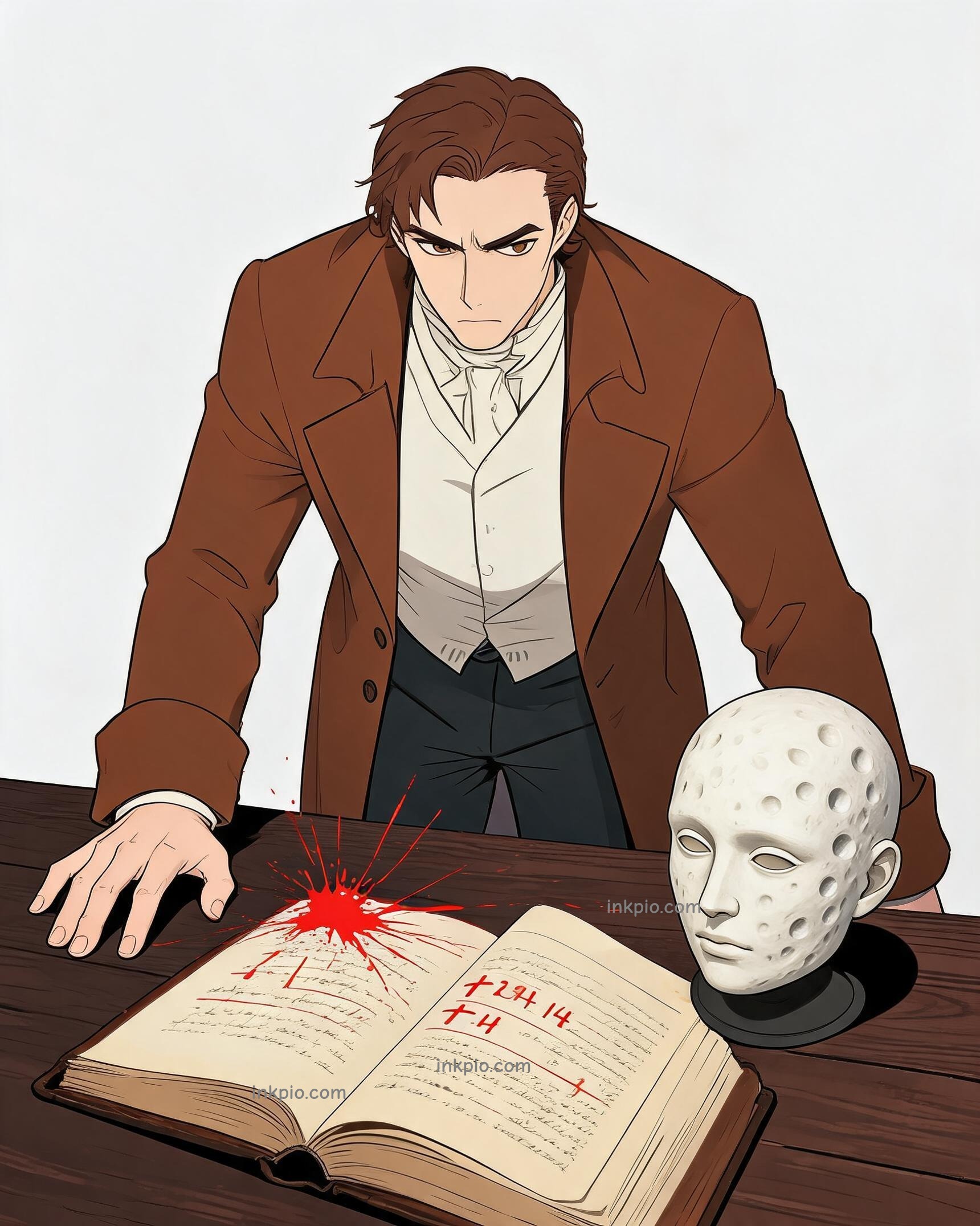

Edward Jenner’s quill hovered over the ledger, the ink blotting slightly as his hand trembled. The red numbers were not just statistics; they were neighbors, friends, and children erased from his village. Smallpox did not discriminate, leaving survivors with pitted faces and blindness, a living reminder of nature’s cruelty. He felt a heavy isolation in his conviction. While other doctors bled patients or prescribed mercury, Jenner listened to the whispers of the dairy farms. The locals claimed that milkmaids who suffered the mild, ugly blisters of cowpox were immune to the deadly scourge. It sounded like superstition, yet the pattern held firm in his observations.
The idea gnawed at him. If true, it meant the body possessed a memory, a way to learn from a minor skirmish to win the war. But proving it required a leap of faith that bordered on madness. He needed a subject, someone vulnerable enough to trust him, yet robust enough to survive the risk. His eyes fell on James Phipps, the eight-year-old son of his gardener. The boy was healthy, bright-eyed, and entirely dependent on Jenner’s goodwill. The weight of that dependency sat in Jenner’s stomach like a stone. He was not just testing a theory; he was gambling with a child’s life against a ghost.
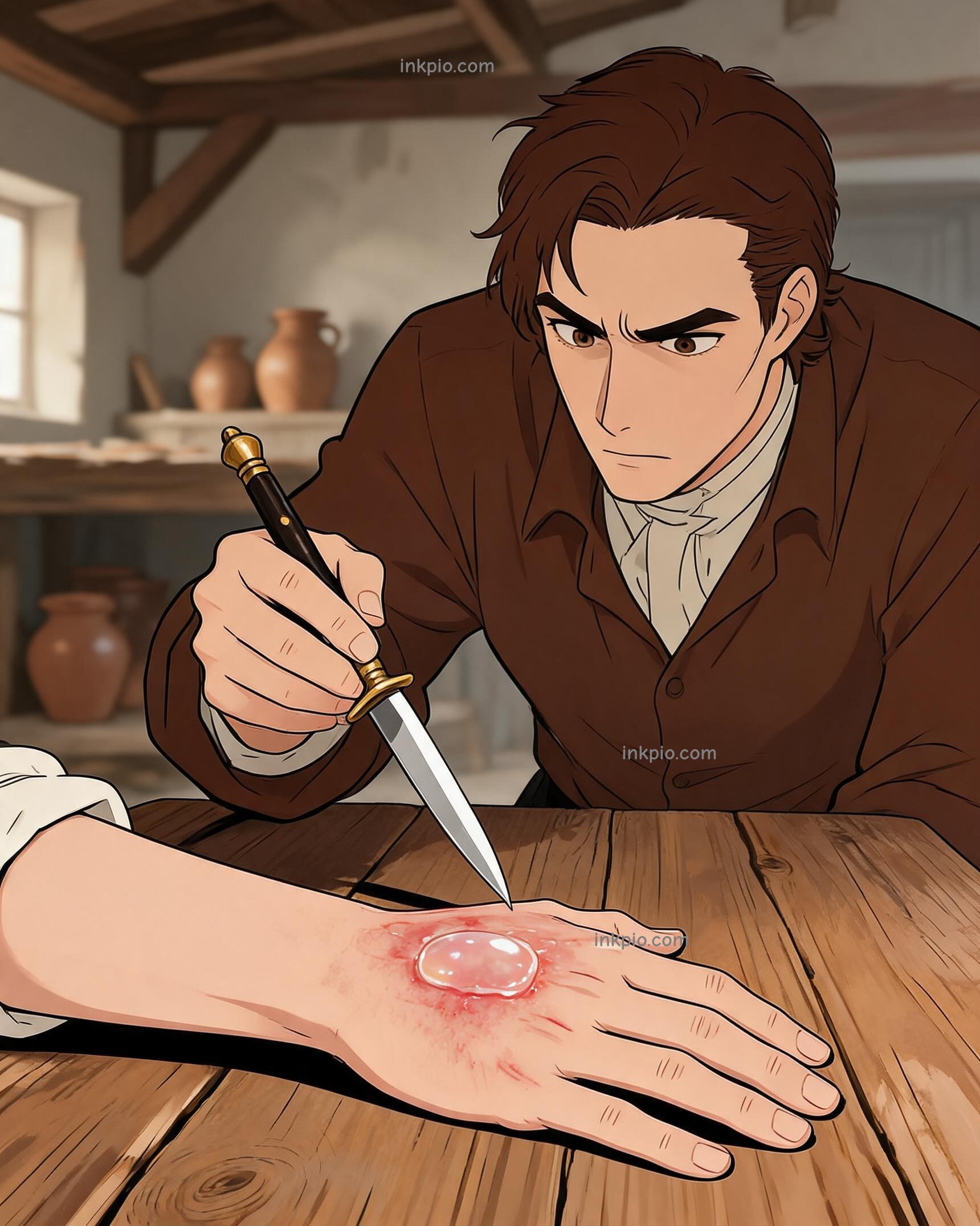
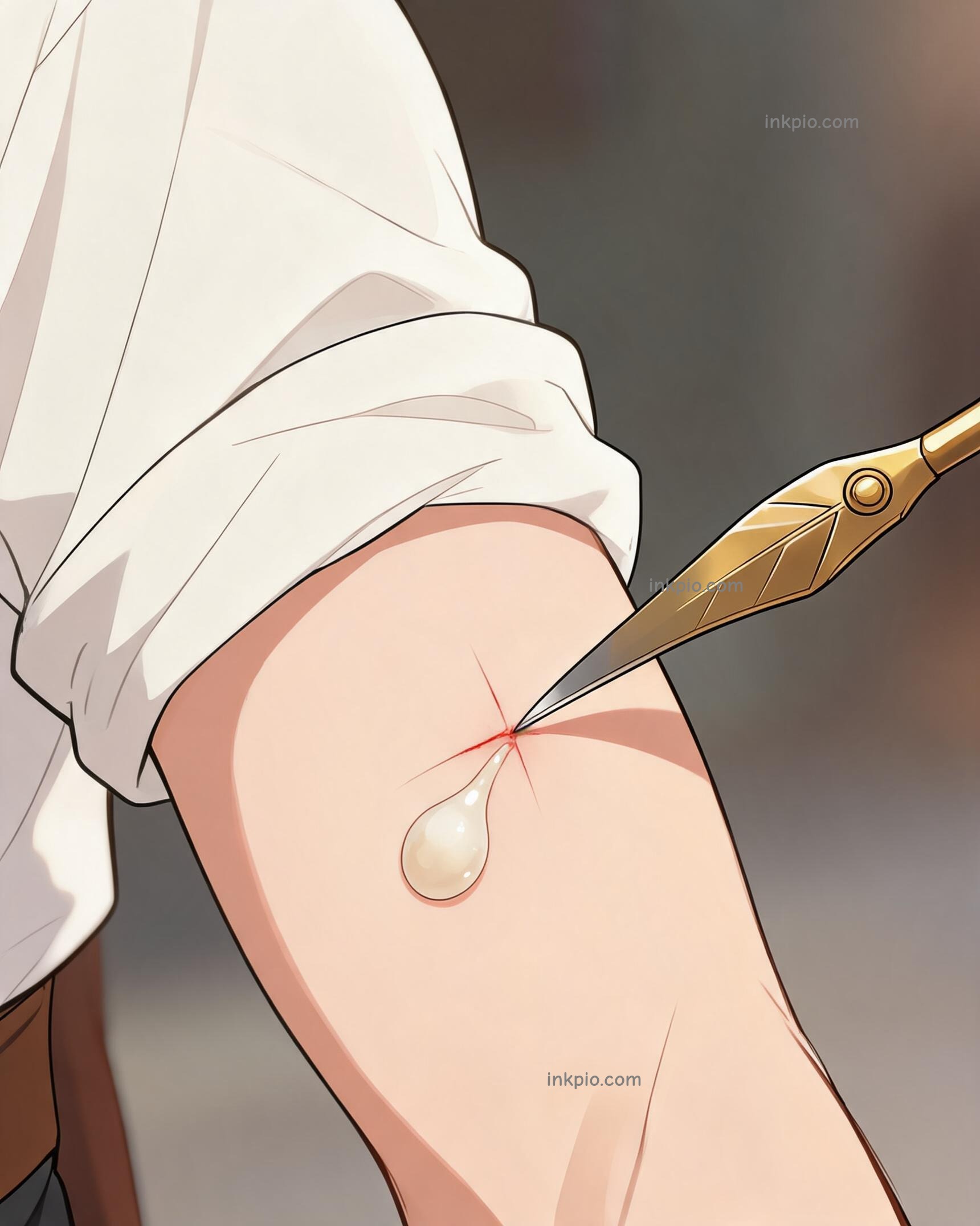
In May 1796, Jenner invited Sarah Nelmes, a local milkmaid, to his clinic. Her hand bore the fresh, weeping lesions of cowpox. With a steady breath, Jenner scraped fluid from her blister onto a lancet. He turned to James, who sat quietly on the examination table, legs swinging. There was no explanation given to the boy, only a gentle command to hold still. The incision was shallow, barely a scratch, but it carried the weight of centuries of medical ignorance. For days, James ran a low fever. He complained of fatigue and lost his appetite. Jenner watched every symptom with a mix of scientific detachment and paternal anxiety. If this went wrong, there would be no redemption.
Weeks passed. The boy recovered, his skin healing without a scar. Now came the moment that would define Jenner’s legacy or condemn him as a monster. On July 1, 1796, Jenner prepared the variolous matter—pure, lethal smallpox pus. This was the true test. Inoculating James with cowpox was one thing; exposing him directly to the killer was another. The room was silent except for the ticking of the clock. Jenner’s hands were cold as he made the second incision. He waited. Days turned into a week. Every morning, he checked James’s arm, dreading the sight of inflamed pustules that would signal failure and death.
But the skin remained smooth. No fever spiked. No lesions formed. James played in the garden, unaware that he had just walked through the valley of the shadow of death unscathed. Jenner stared at the boy’s unblemished arm, feeling a surge of relief so profound it left him weak. The immune system had indeed learned. Like a village guard who had practiced with a wooden sword, the body recognized the uniform of the enemy and barred the door before the real blade could strike. The folklore was science. The rumor was truth.
Jenner closed his notebook, the leather cover worn from years of use. He looked out the window at the village, where the fear of smallpox still hung in the air like fog. He held the key to lifting that fog, but he knew the world would not accept it easily. Skeptics would call it unnatural; critics would demand more proof. Yet, as he watched James chase a ball across the lawn, the doctor knew the paradigm had shifted. The body was not a passive vessel for disease, but an active learner. He had not just saved one boy; he had opened a door that could never be closed again.