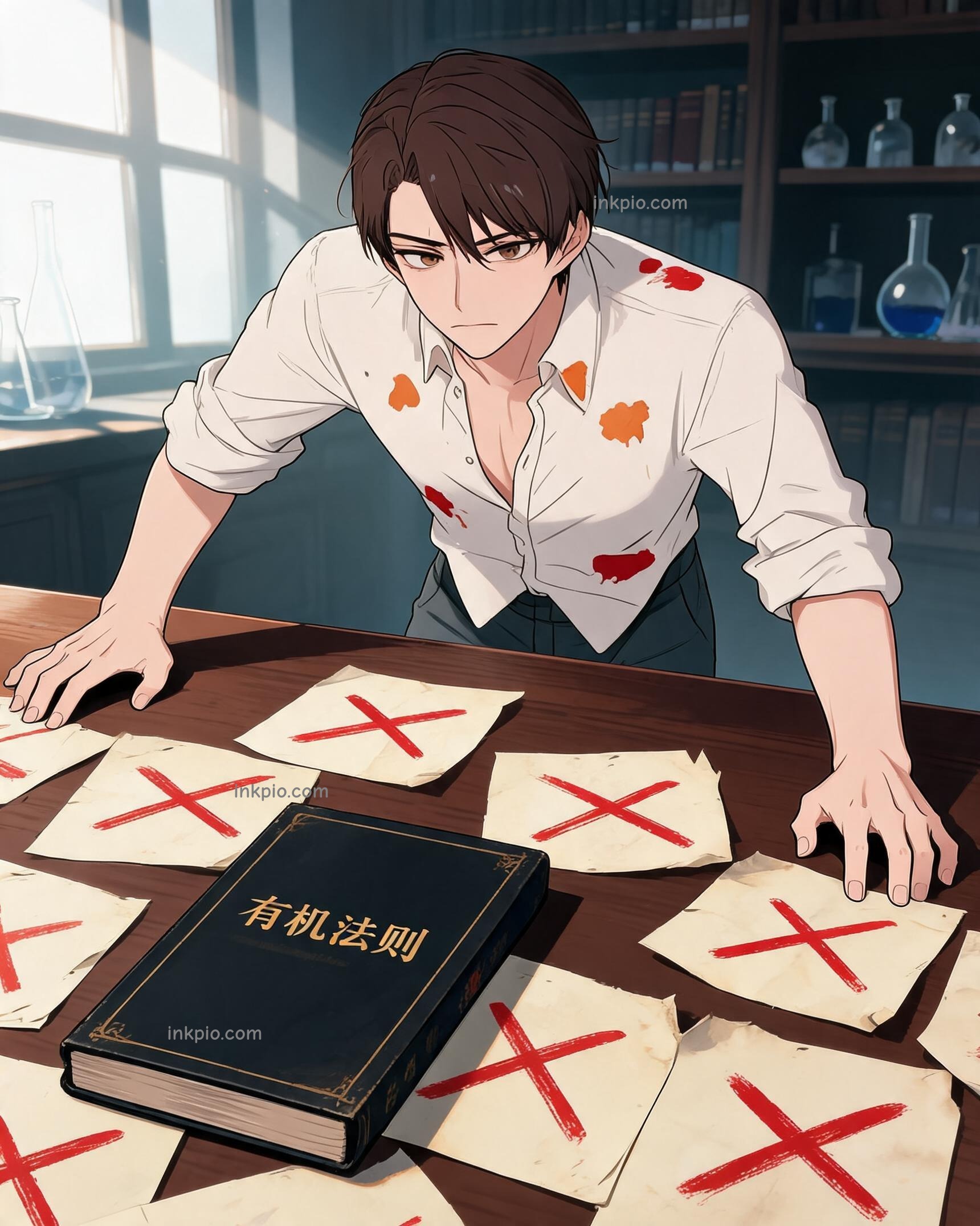
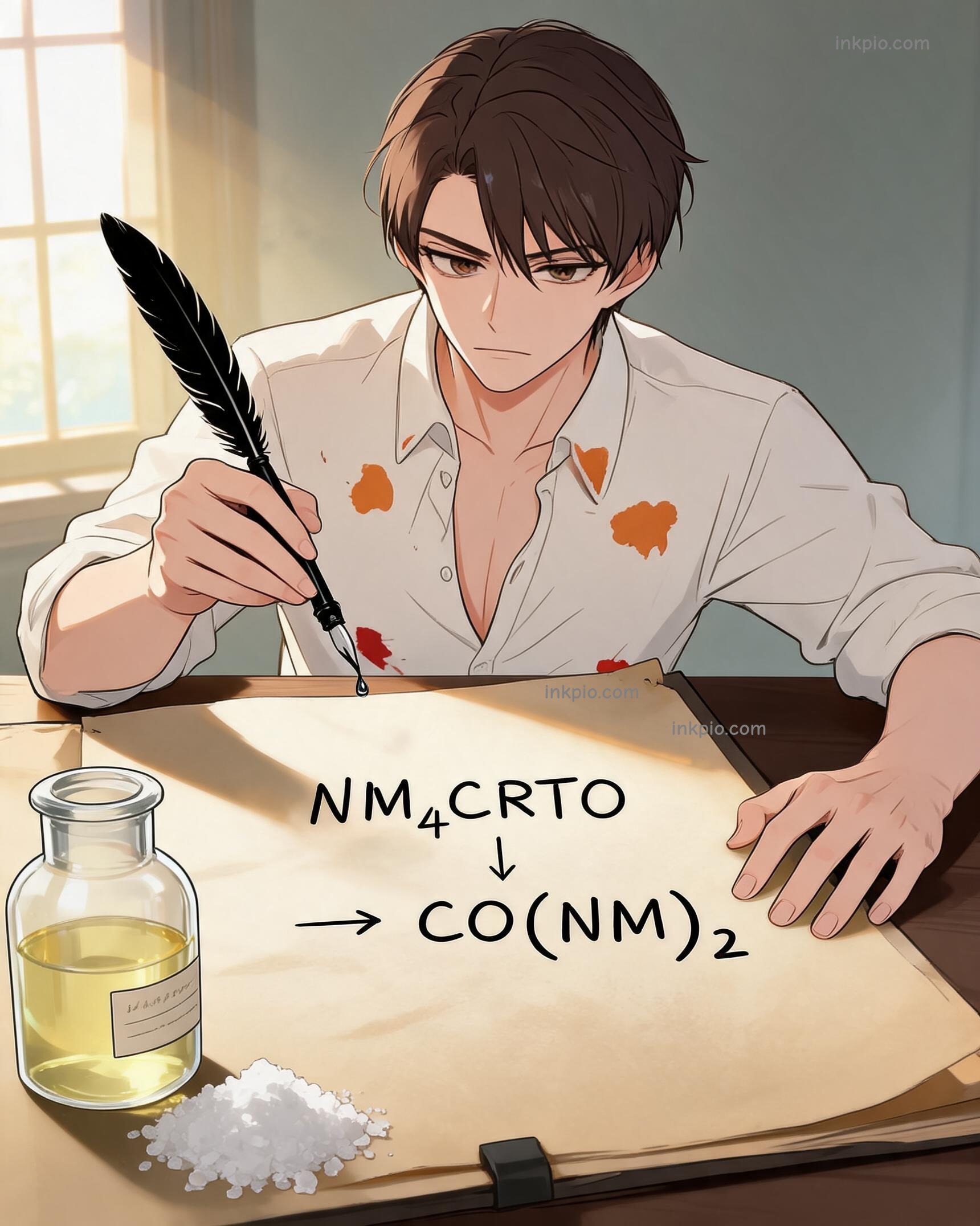

The rulebook of nature was rigid. Living matter and dead minerals belonged to two separate worlds, divided by an invisible wall that no human hand could cross. Friedrich Wöhler stared at the jar of ammonium cyanate on his wooden desk. It looked like any other dull, gray powder found in a geologist’s collection. But to Wöhler, it was a challenge.
In 1828, the scientific community clung to a comforting myth. They believed organic compounds required a mystical 'vital force,' a spark available only inside living bodies. Without a kidney, a liver, or a beating heart, chemistry was just cold mechanics. Wöhler felt the weight of this dogma pressing on his chest. It wasn't just incorrect; it was untestable. It shut down inquiry before it began. He wanted to poke a hole in that certainty, not for fame, but because the silence of the unknown bothered him more than the risk of failure.
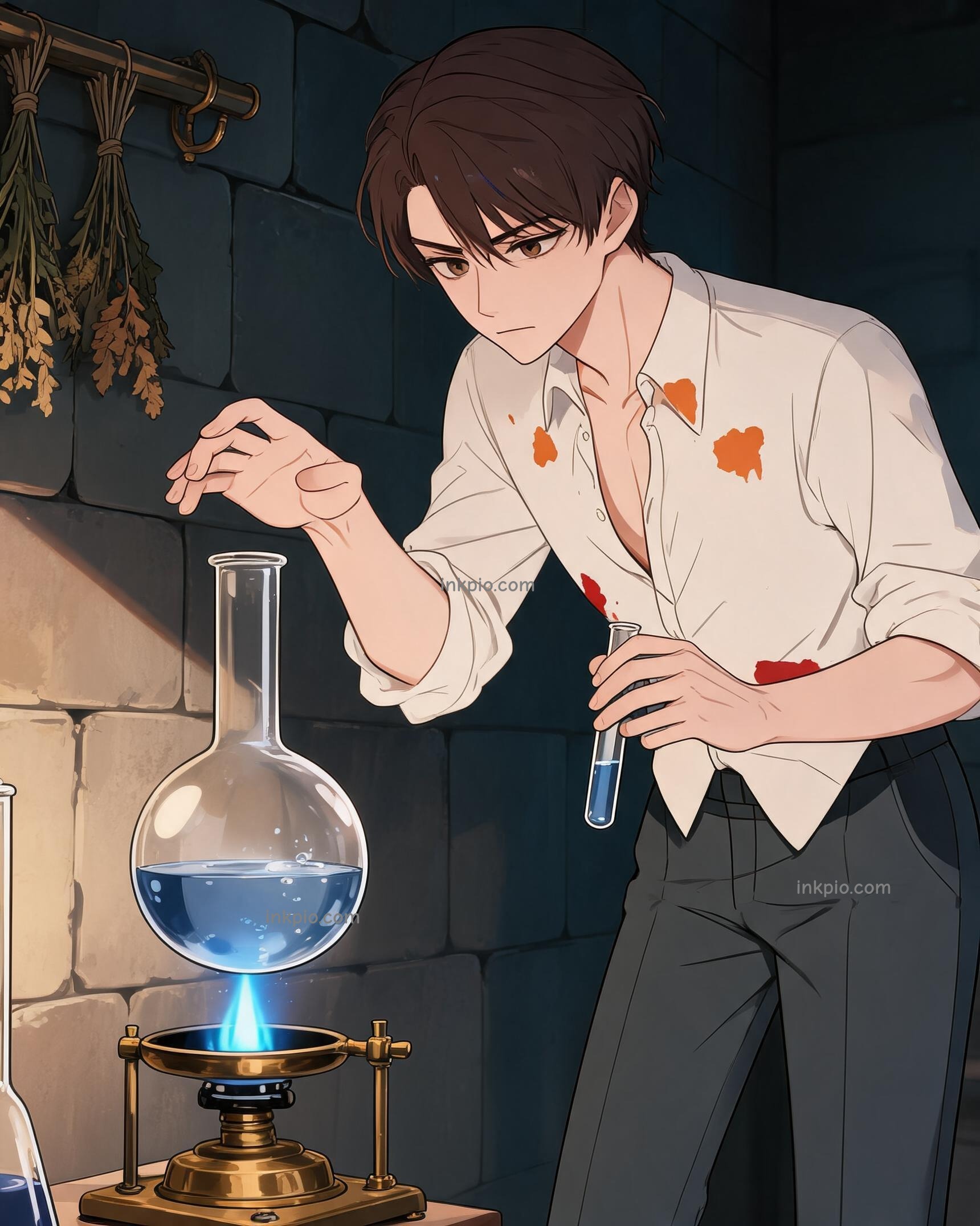
The experiment followed a brutally simple logic. He dissolved the mineral salt in water and let it simmer in a heated flask. Think of it like shuffling a deck of playing cards. The atoms in the powder stayed exactly the same—nitrogen, hydrogen, carbon, oxygen. But the heat gave them enough energy to break their old bonds. They drifted apart, confused and free, before snapping into a completely new arrangement. Wöhler watched the liquid reduce, expecting a dull, useless residue. That was what the rulebook predicted.
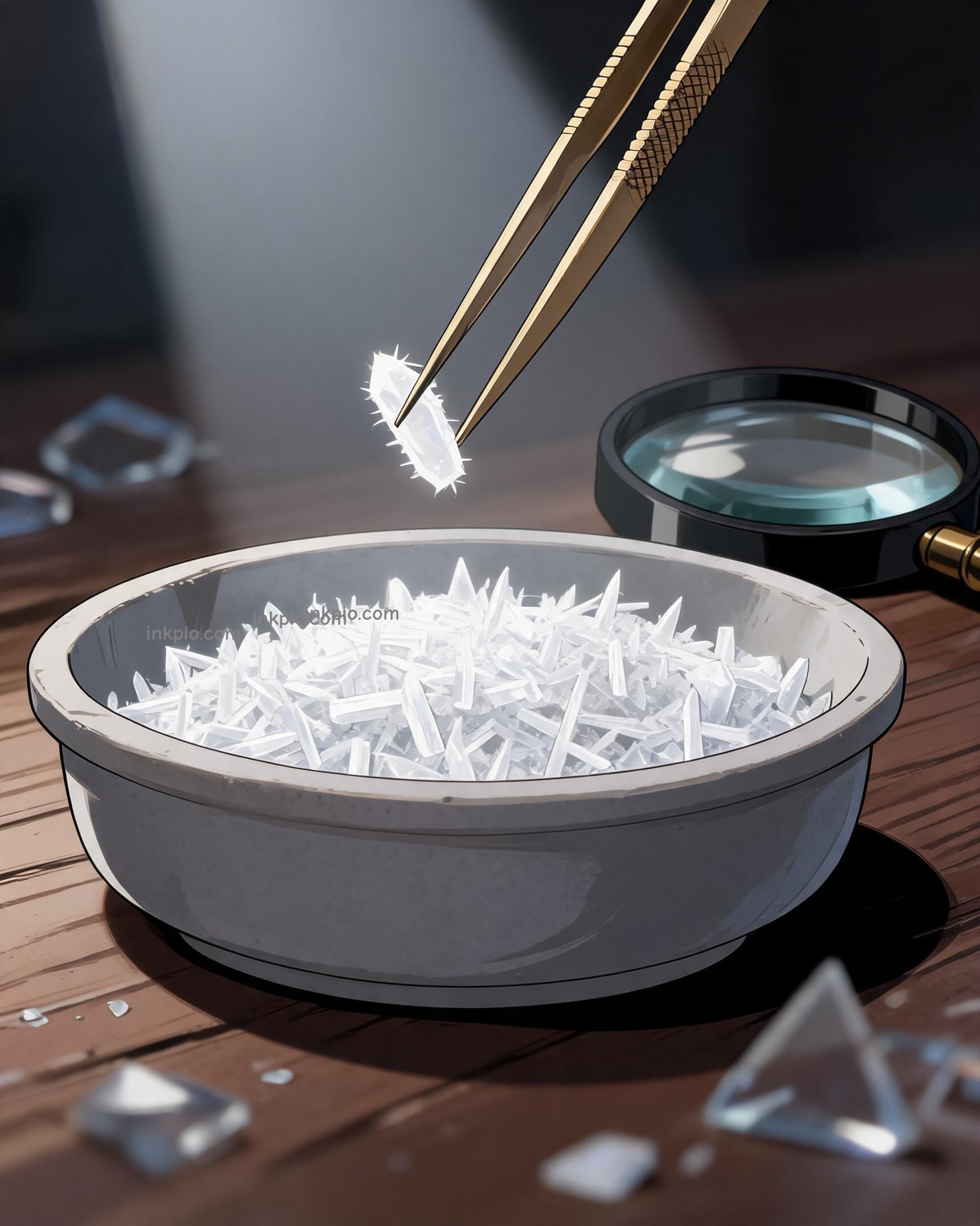
Instead, the liquid dried into a crust of sharp white needles. Wöhler scraped them into a ceramic bowl. The sound of the spatula against the glaze was loud in the quiet lab. He picked up a shard and held it up to the window. The morning light caught the edges, making them sparkle with a terrifying clarity. These weren't random salts. They looked organized. Purposeful. A sudden jolt of disbelief hit him, followed by a cold fear. Had he contaminated the sample? Was this a trick of the light?
He refused to trust his eyes alone. For days, he ran every chemical test available. He measured the melting point. It aligned perfectly with known samples of urea. He tested the solubility. It matched. He opened his notebook and drew the reaction clearly across a fresh sheet: NH₄CNO → CO(NH₂)₂. The equation was short, but its implications were heavy. An inorganic salt had quietly crossed the line into biology. The 'vital force' that Berzelius and others worshipped had not appeared. Only heat and time had done the work.
Wöhler sat back in his chair. The room felt different now. The air seemed thinner. He realized that life’s building blocks followed the same mechanical rules as ordinary rocks. There was no magic. Just chemistry. This realization didn't feel like a victory. It felt like a loss of innocence. The world was less mysterious, but also more connected. He capped the glass vial. The white powder inside was just urea, a compound found in animal urine. But it was also proof that the wall between the living and the non-living was an illusion.
He mailed the data to Annalen der Physik. Then he wrote a quick note to his former teacher, Jöns Jacob Berzelius. He stripped the mystery down to plain facts, avoiding grand philosophical claims. "I must tell you that I can make urea without the use of kidneys, either man or dog." The sentence was dry, but it carried the weight of a collapsing worldview.
The glass vial sat on his desk. Morning light continued to catch the crystals, indifferent to the revolution they represented. Wöhler watched the dust motes dance in the beam. He knew the old scientific certainty had evaporated, replaced by something colder and more precise. The wall between chemistry and life would never be rebuilt. He blew out the lamp, leaving the white crystals glowing faintly in the dark.