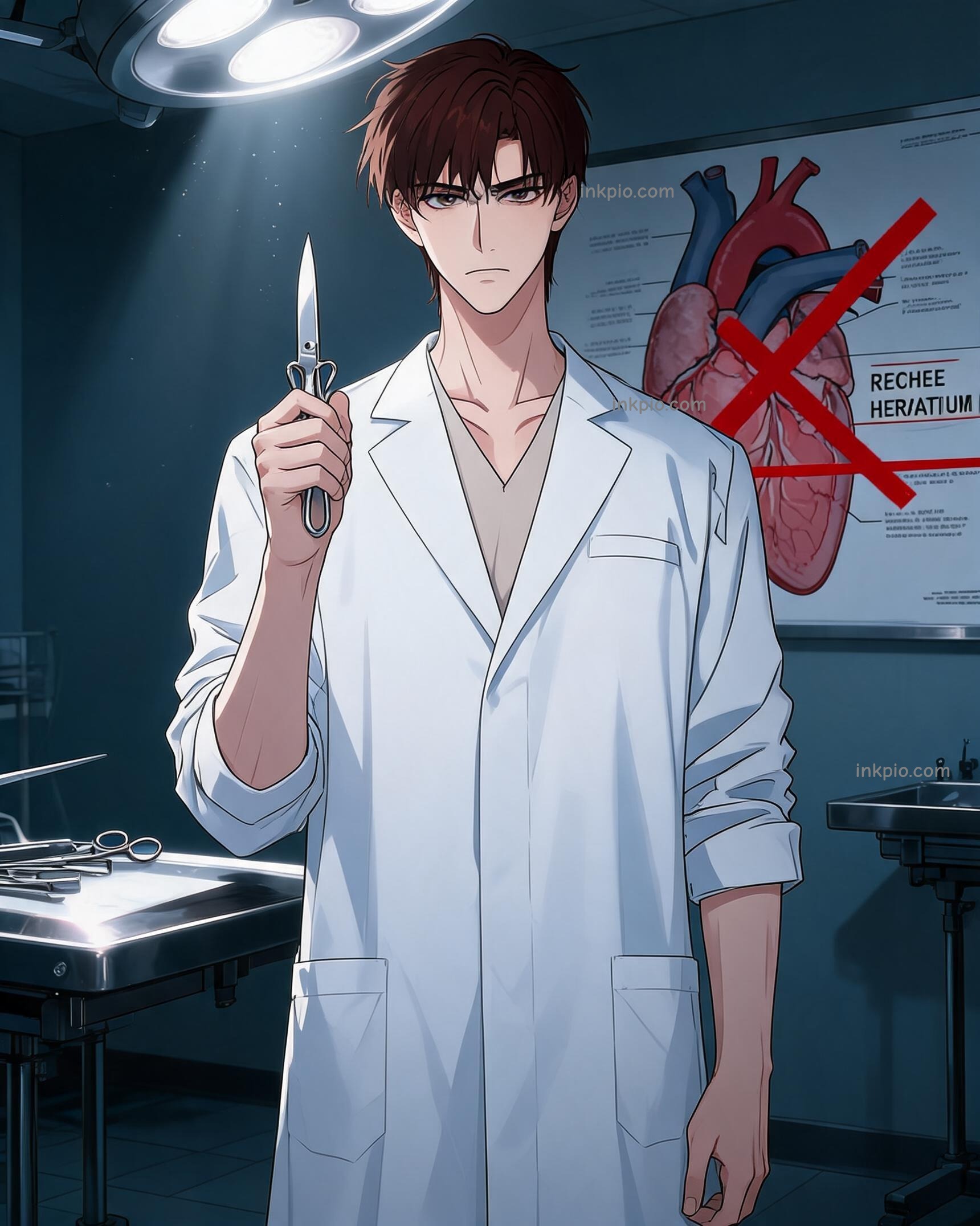

In 1929, the human heart was not an organ to be explored; it was a taboo. Surgeons treated it like a loaded trap hidden in the chest cavity. The prevailing dogma was absolute: one accidental brush of the myocardium, and the patient would drop dead on the operating table. For young Werner Forssmann, this fear felt less like medical prudence and more like cowardice. He looked at the anatomy charts and saw what others refused to see. Veins were not just vessels; they were quiet, direct highways leading straight to the center of life. Yet, the medical establishment barred the gate, calling any attempt to travel them professional suicide.
Forssmann’s obsession was not with glory, but with logic. He believed that if blood could flow freely toward the heart, a soft tube could ride that same current. It was a matter of trusting anatomy over panic. The trick lay in surrendering control to the body’s natural geometry. Instead of forcing a rigid instrument forward, he selected a flexible rubber ureteral catheter. He let the vessel walls do the steering. The rounded tip would glide, guided by the veins’ own curves, slipping past valves and bends without tearing a single layer of tissue. It was elegant, simple, and terrifyingly forbidden.
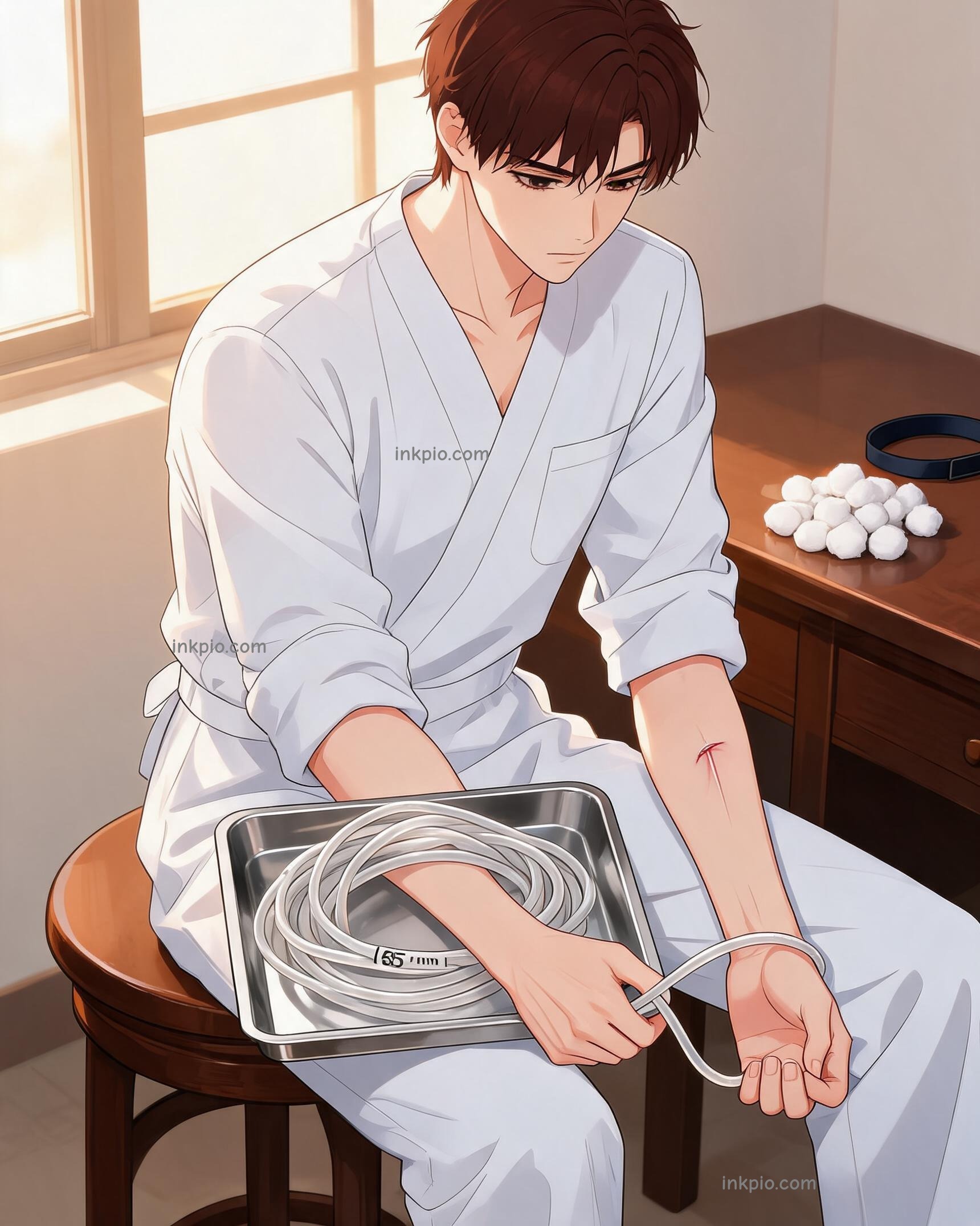
The isolation of his conviction became clear in the prep room at Eberswalde Hospital. Forssmann had prepared the tray, the needle gleaming under the harsh light. But when he asked his assistant to help, the younger man froze. The sight of the needle aimed at a vein leading to the heart triggered a primal panic. The assistant backed away, shaking his head, unable to bridge the gap between theory and action. Forssmann didn’t argue. He didn’t try to persuade. He simply rolled up his own sleeve. The silence in the room grew heavy, broken only by the sound of his own breathing.
On that November day, the 65cm rubber tube entered his antecubital vein. The sensation was strange, not painful, but deeply intrusive. He felt the tip push past his elbow, slide through the shoulder, and ride the internal current toward his chest. Most patients would have lain still, paralyzed by the fear of their own heartbeat. Forssmann did the opposite. He stood up. He buttoned his white jacket, covering the entry point, and walked out of the prep room. His legs felt steady, though his mind raced with the possibility of sudden collapse.
The corridor to the radiology department felt longer than usual. Nurses and orderlies stopped to stare as the young surgeon walked with deliberate calm. He wasn’t rushing to save a life; he was walking proof of a concept. When he arrived, the technicians stared at him, confused by his casual demeanor. He explained the experiment quietly, his voice steady despite the adrenaline humming in his veins. He had turned his own body into the laboratory, betting his life on a geometric hypothesis.
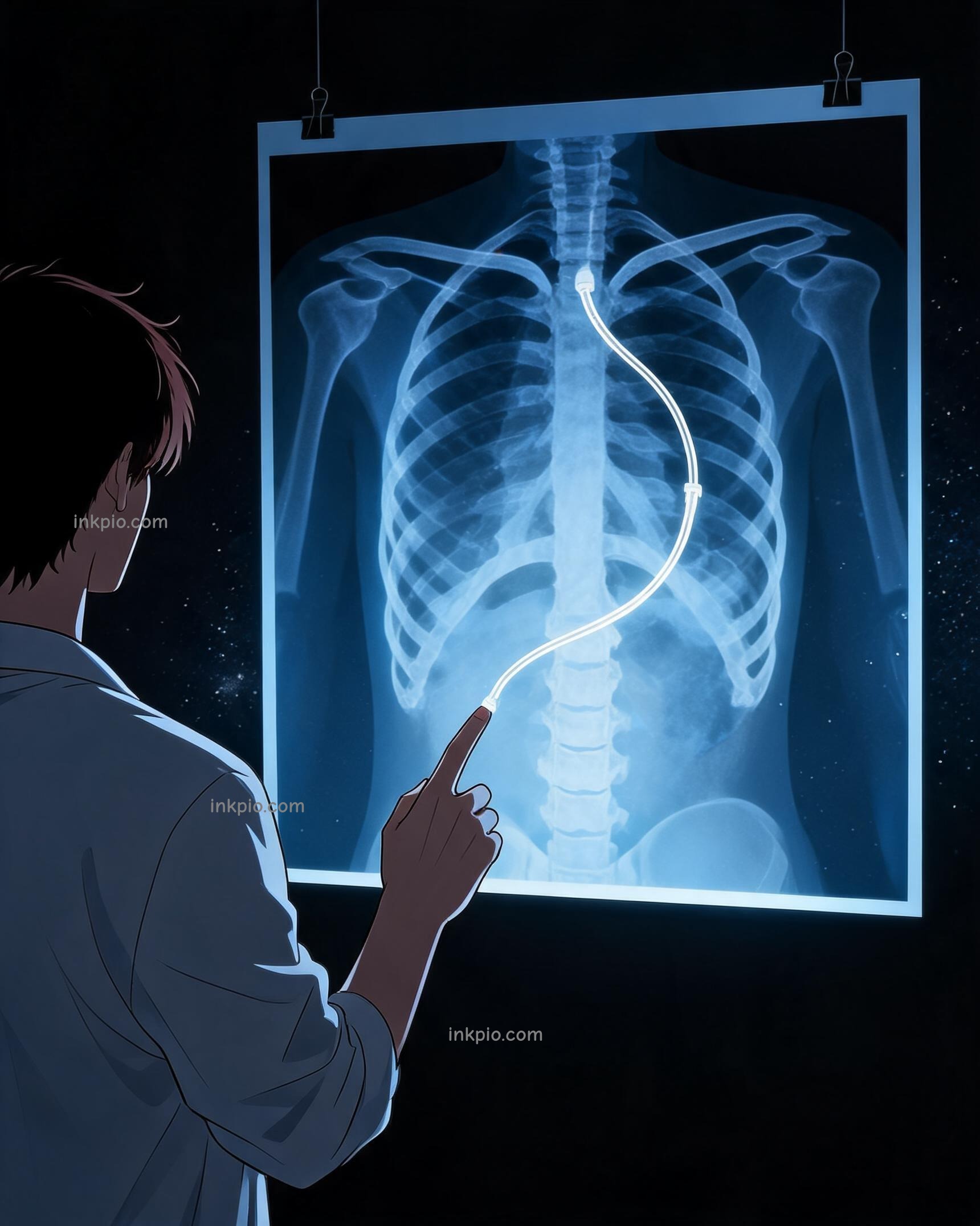
Inside the darkroom, the air smelled of acetic acid and damp chemicals. The door closed, shutting out the world. Forssmann waited as the glass plate soaked in the developing trays. Slowly, a white line began to emerge from the gray fog. It traced a clean, impossible arc through the shadow of his rib cage. The tube had followed the curve perfectly, resting exactly where he had predicted: in the right atrium. There was no shock, no internal bleeding, no sudden death. Just a quiet photograph that shattered a century of medical dogma.
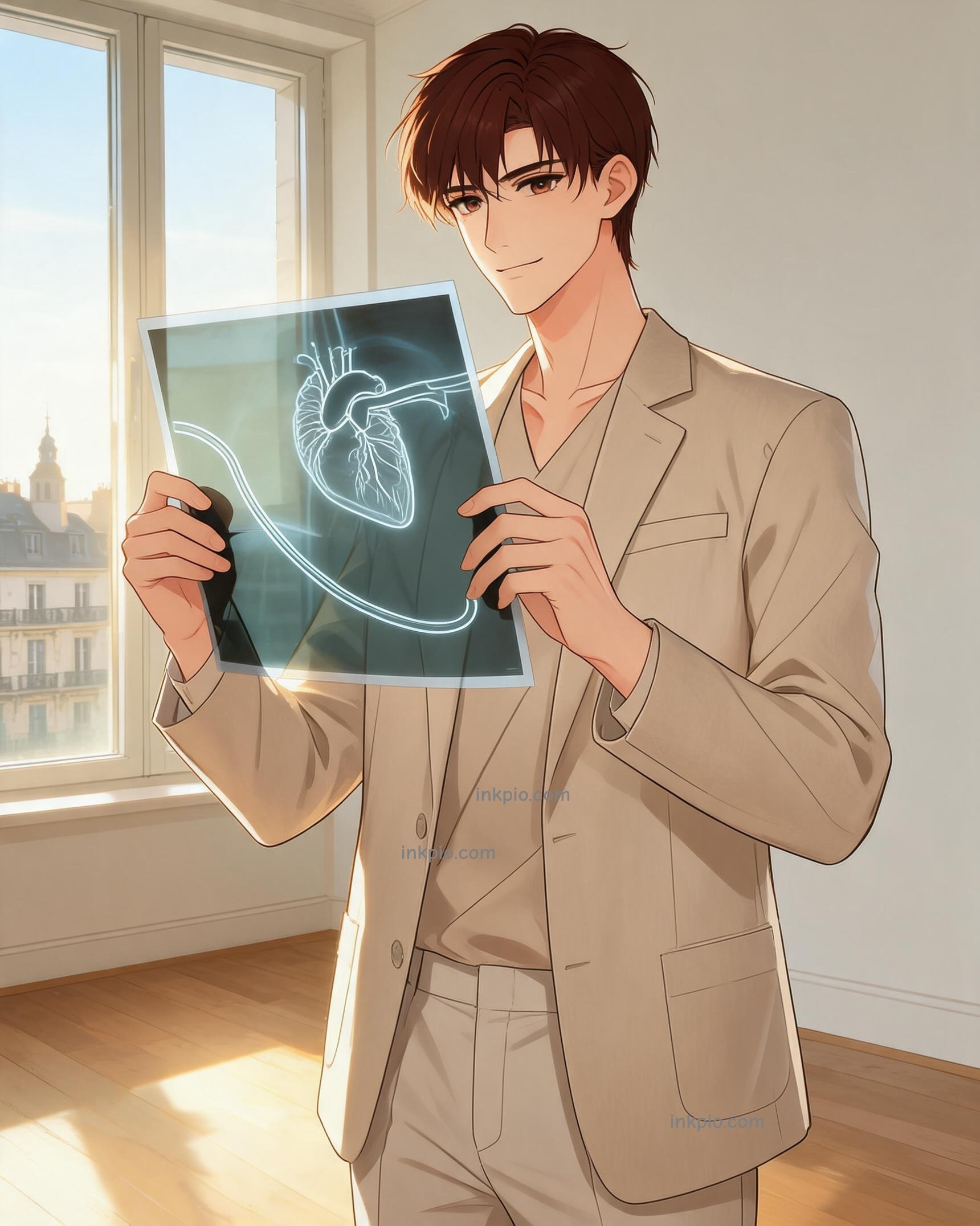
He looked at the glowing plate, the evidence of his own vulnerability made visible. The tension that had held his shoulders tight for months finally released. He let out a long, shuddering breath. Turning to the stunned staff, he said, "I threaded the catheter into my own vein and walked to the X-ray room to prove it was safe." The heart was no longer a forbidden vault. It was a destination. He adjusted his coat, stepped back into the hallway, and knew that while the world outside hadn't changed yet, everything inside those walls had.