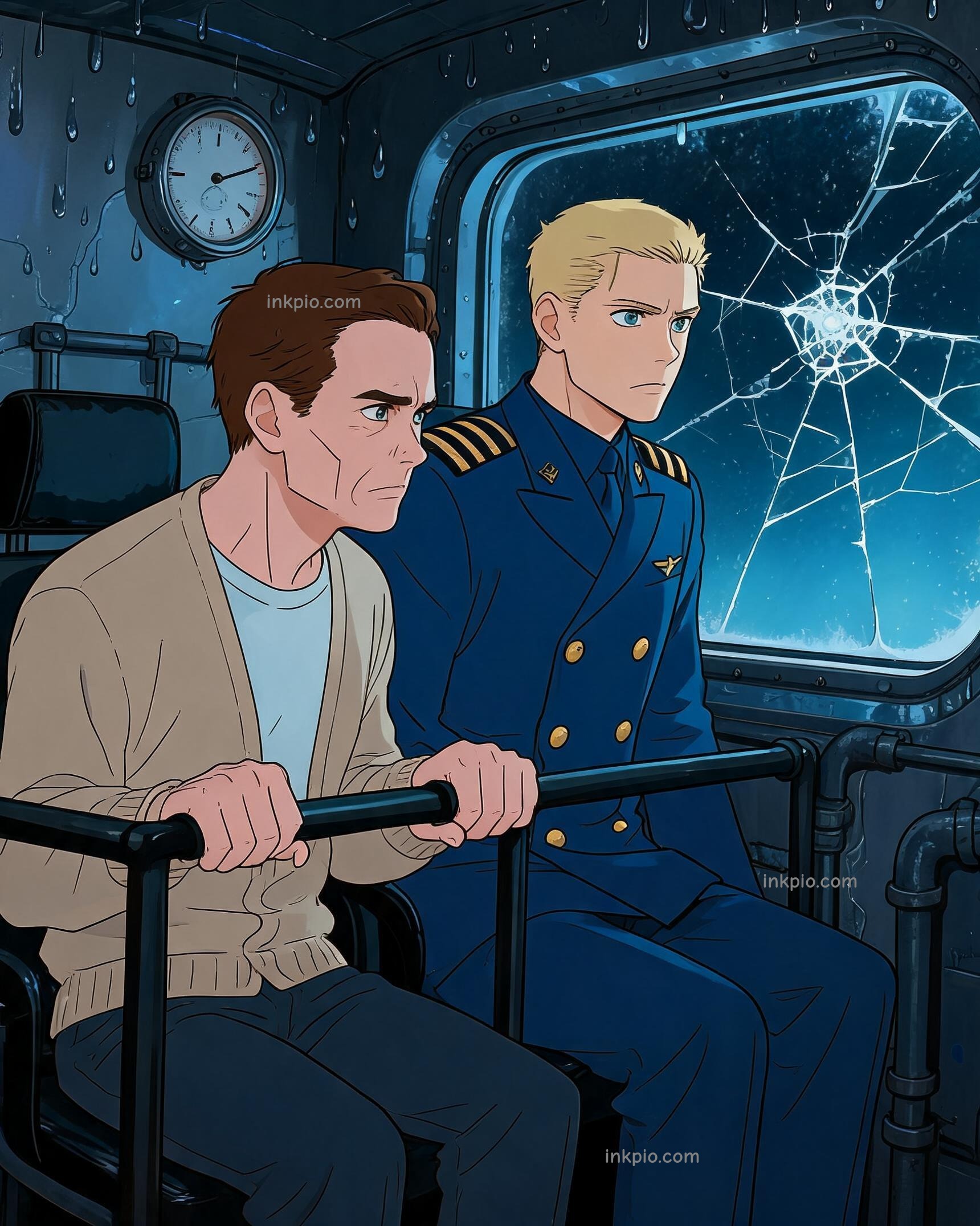

The steel hull groaned, a low, mournful sound that vibrated through the soles of Jacques Piccard’s boots. At nine thousand meters down, the ocean was no longer water; it was a solid wall of weight pressing in from every direction. Inside the cramped sphere of the bathyscaphe Trieste, the air felt thick, heavy with the scent of sweat and recycled oxygen. Don Walsh sat opposite him, eyes fixed on the thick acrylic window. A hairline fracture had appeared there, a tiny white spiderweb against the black void outside. It wasn't just a crack in plastic; it was a countdown.
Every pop and creak from the metal walls sounded like a bone breaking. The abyss was trying to crush them into nothingness. Most submarines rely on hollow steel spheres for buoyancy, but at this depth, such a design would fail instantly. The pressure would flatten hollow metal like a cheap soda can under a boot. Piccard had bet their lives on a different principle, one that felt counterintuitive to anyone used to thinking about air and space. He had filled the vessel’s massive external float with eighty-five cubic meters of aviation gasoline.
Gasoline is nearly incompressible. Think of squeezing a sealed balloon filled with water. The liquid refuses to shrink. It pushes back against your fingers with equal force, maintaining its volume regardless of the pressure applied. This simple physical property was the only thing keeping the Trieste from imploding. While the steel sphere around them screamed under the strain, the gasoline outside held its ground. It acted as a shield, absorbing the crushing hydrostatic pressure and maintaining the buoyancy needed to keep them from sinking into the earth’s crust.
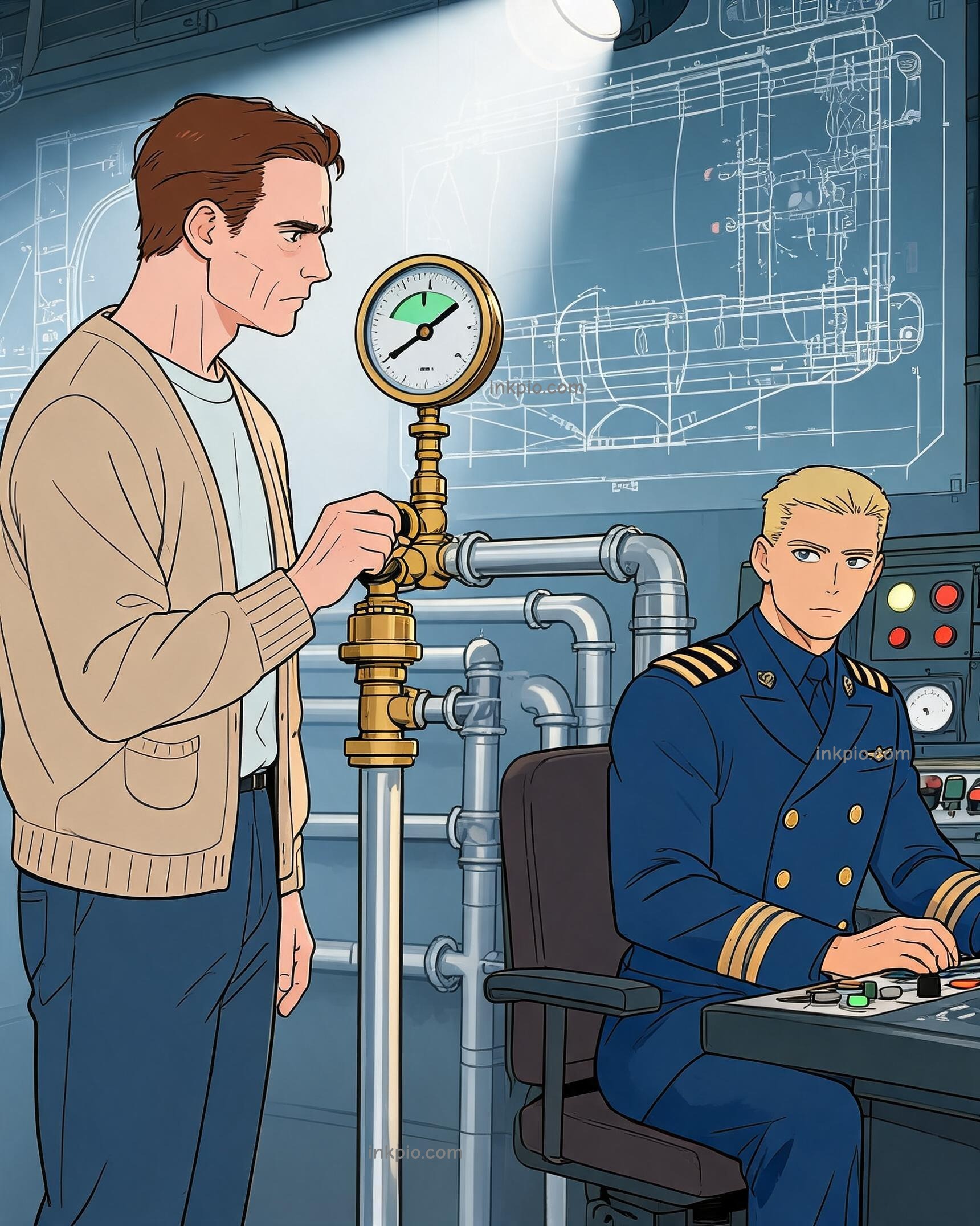
Piccard checked the internal pressure gauges. His hands were steady, but his mind raced through the calculations again and again. If the temperature dropped too low, the gasoline might contract. If it contracted, they would lose buoyancy and fall forever. He looked at Walsh. The American officer didn't speak, but his grip on the armrests was white-knuckled. They were two men suspended in a bubble of logic, trusting physics over instinct. Piccard gave a firm nod. The fluid held the line. They continued their descent.
The depth gauge climbed past ten thousand meters. The darkness outside was absolute, a void so complete it felt like blindness. Then, the needle stopped. Ten thousand nine hundred and sixteen meters. They had reached the bottom of the Challenger Deep. Silence returned, heavier than before. Piccard reached for the switch controlling the external spotlight. His finger hovered for a second, hesitating. What if there was nothing? What if the pressure had stripped the world bare?
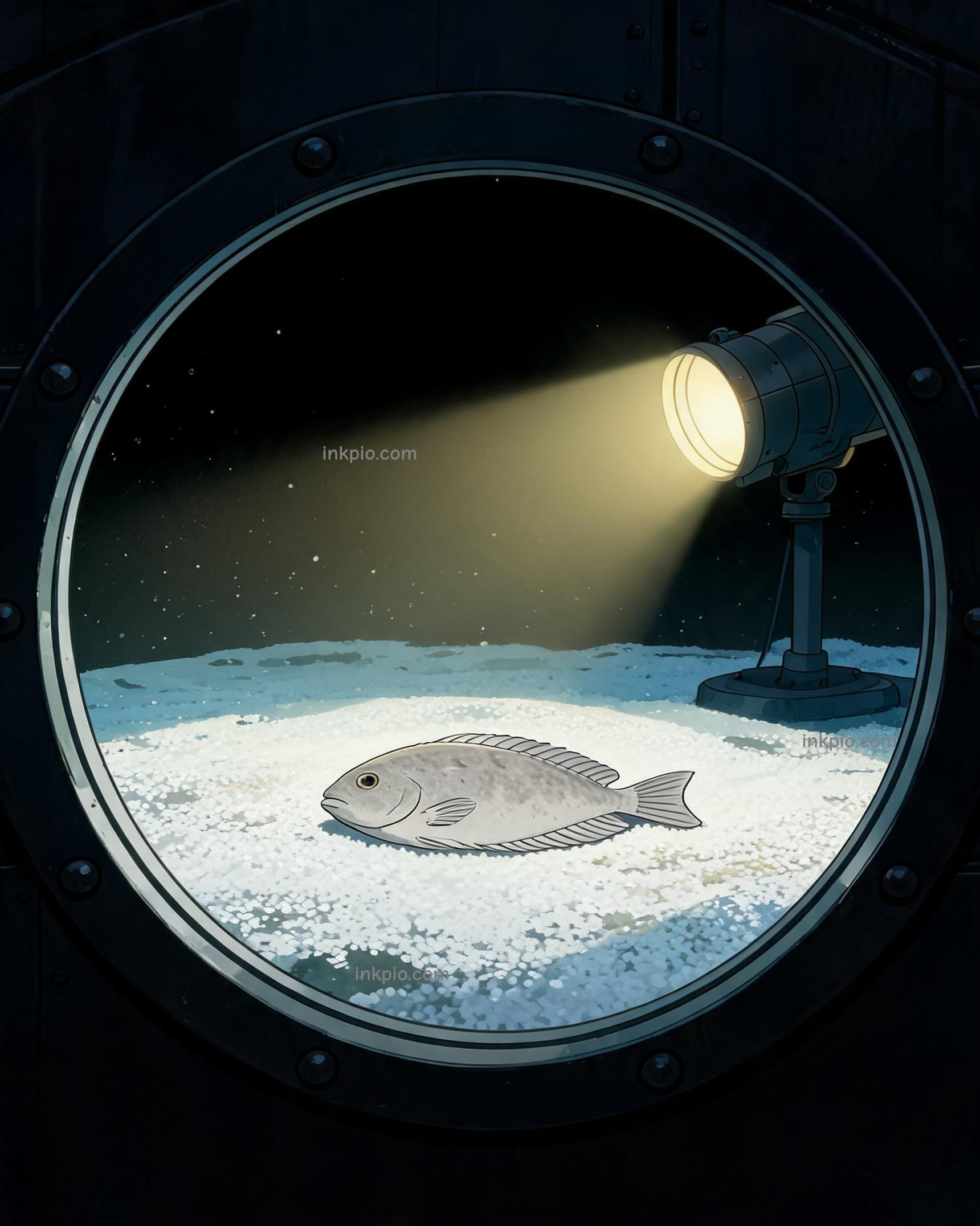
He flipped the switch. The bright beam cut through the dark water, illuminating particles dancing in the current. The light hit the pale, soft sediment of the ocean floor. And there, resting quietly in the mud, was a small flatfish. It lay still, then flicked its tail and glided away, indifferent to the tons of water above its head. The sight struck Piccard harder than the fear had. Life existed here. In the most hostile environment on Earth, something lived.
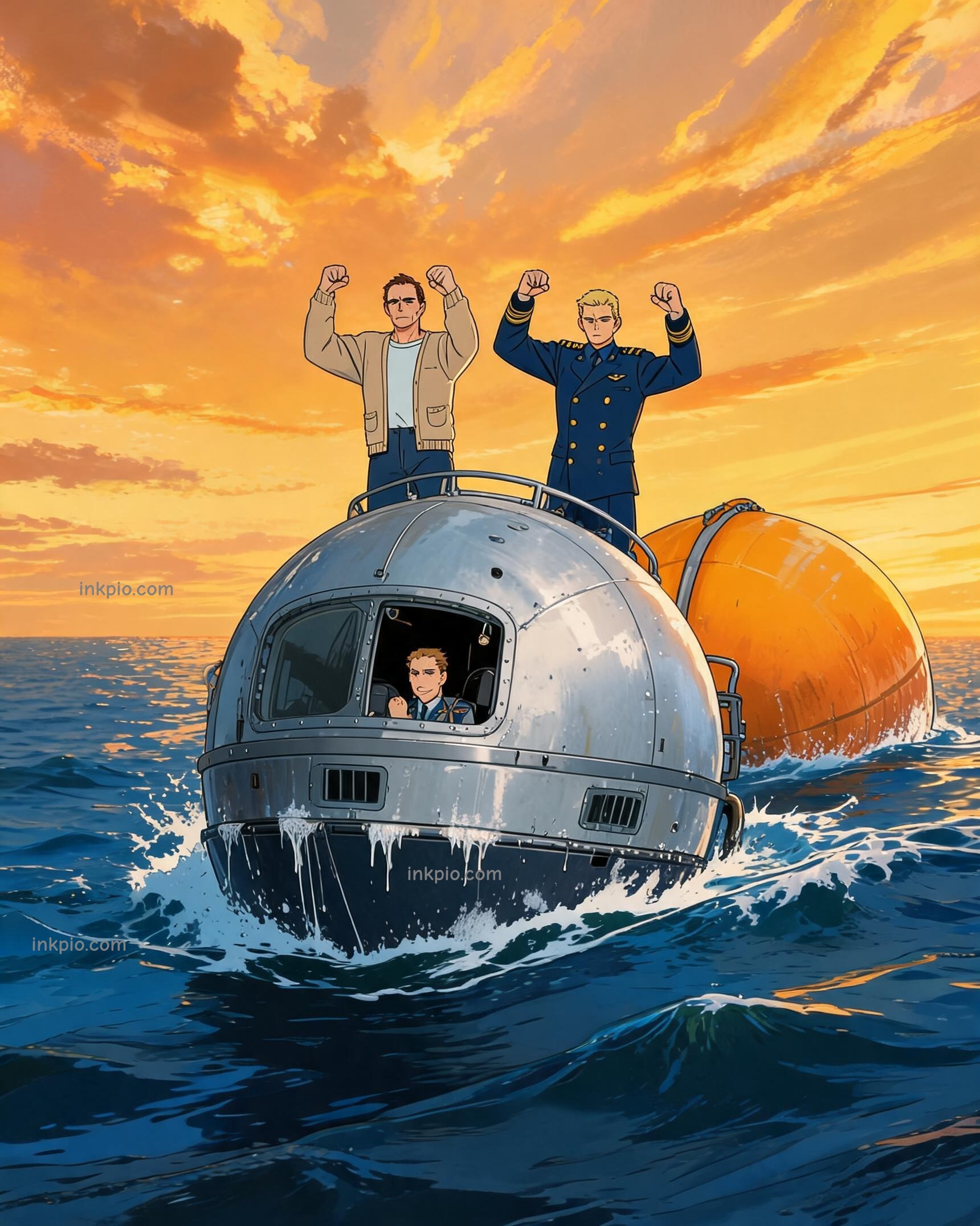
Walsh let out a breath he seemed to have been holding for hours. The tension in the sphere broke, not with a cheer, but with a shared, quiet realization. They were not alone in the dark. The ocean had tried to squeeze them into oblivion, but the stubborn nature of fluids had kept them breathing. They triggered the ballast drop. The gasoline float, still full, still defiant, began to carry them back up. As they rose toward the distant sun, Piccard watched the dark water recede, knowing the abyss was no longer a monster, but a place.