

The silence in the lab was heavier than the screams from the wards. In the 1960s, blood transfusions were a gamble with death. Patients survived surgery only to waste away weeks later, their skin turning yellow, their livers failing. Doctors called it serum hepatitis, but the term felt like a surrender. Standard culture dishes remained stubbornly clear. Bacteria would cloud the broth, but the real killer left no trace. Every new bag of blood carried a ghost that science could not catch.
Baruch Blumberg stared at the empty slides until his eyes burned. He felt a cold knot of frustration tighten in his chest. The old germ-hunting playbook had failed him. He was chasing a shadow with a net designed for fish. If he couldn't see the enemy, he had to stop looking for its body and start looking for its footprint. He needed a way to make the invisible betray itself.
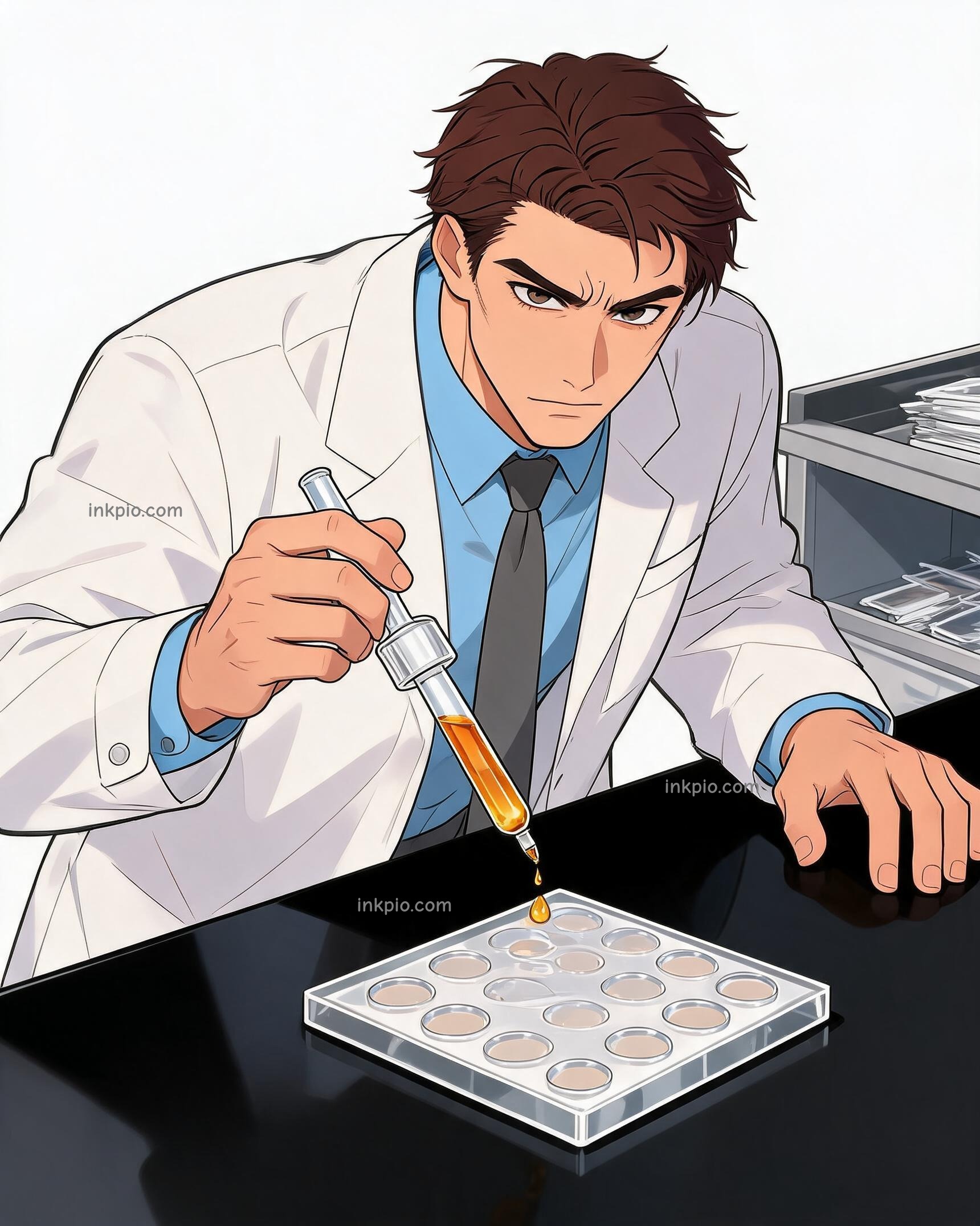
He abandoned the messy, organic chaos of culture dishes. Instead, he turned to cold, precise chemistry. He prepared simple glass plates filled with clear agar jelly. The method was deceptively quiet. He cut small circular wells into the gel, like tiny craters on a moonless night. Into these wells, he dropped samples of blood serum. Then, he waited. Dissolved proteins drifted through the jelly, wandering blindly toward each other. It was a slow, silent dance. If specific proteins recognized one another, they locked together. They froze into a solid white bridge right where they met. No microscope was needed. Just a clean bench, steady hands, and an agonizing amount of patience.
Months bled into a year. The plates remained frustratingly transparent. Blumberg mixed hundreds of combinations, hoping for a sign, any sign. Doubt began to creep in. Was he chasing a phantom? Each clear plate felt like a personal rejection. But he kept pipetting, kept waiting, driven by the memory of patients who had no more time to wait.
Then came the day in 1965 that changed everything. He paired serum from an Australian Aboriginal patient with blood from a hemophiliac who had received countless transfusions. The hemophiliac’s immune system had been battered by foreign blood, forced to build defenses against unknown invaders. Blumberg carefully pipetted the two samples into adjacent wells. He stepped back. The room seemed to hold its breath.
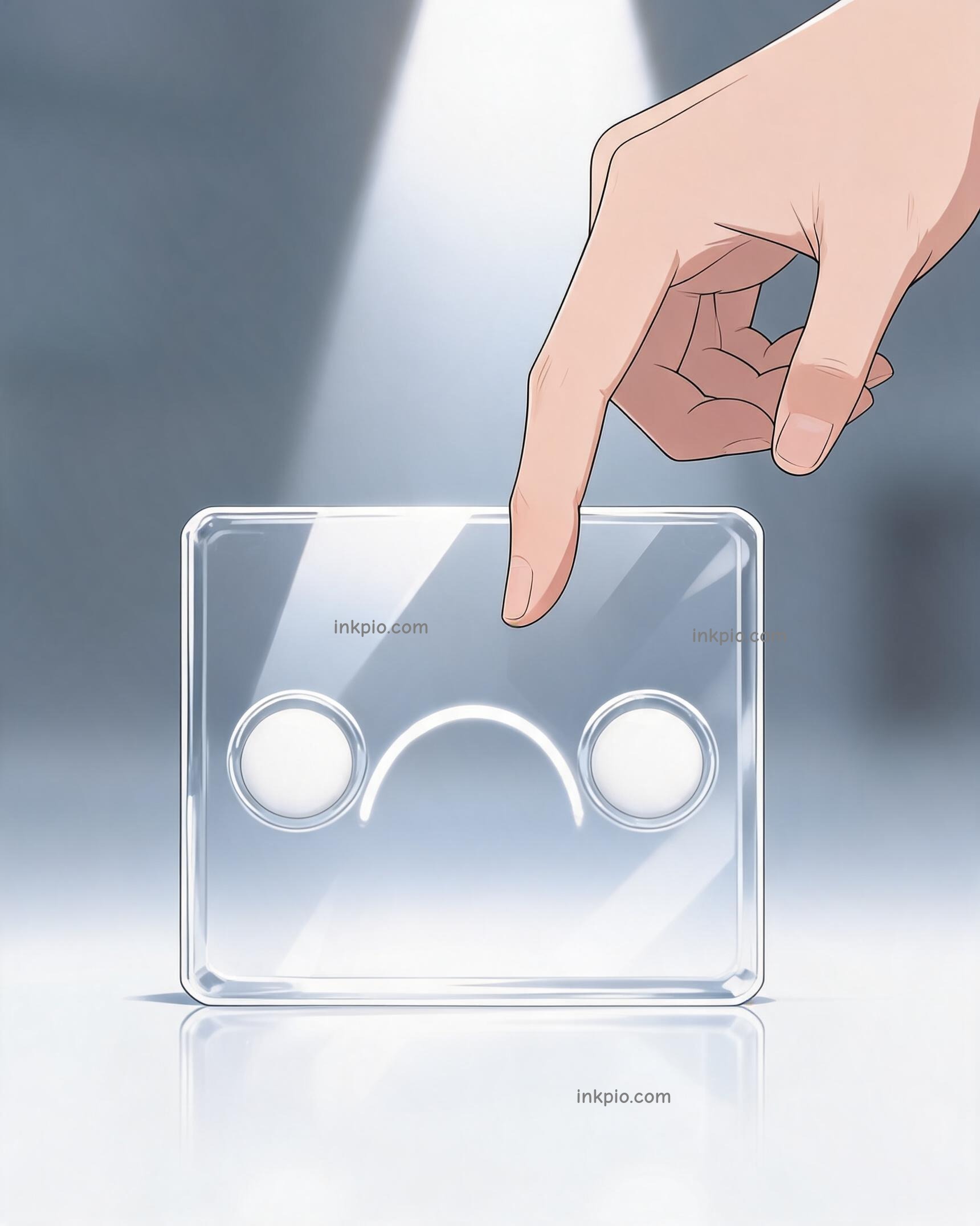
Hours passed. The light in the lab shifted. When he returned to the bench, he saw them: crisp, distinct white arcs spanning the gap between the wells. The agar had caught the exact moment of recognition. The Australia antigen had met its matching antibody. The invisible killer had finally left a fingerprint. Blumberg didn't cheer. He leaned closer, tracing the white line with his eyes. It was proof. The ghost had a name.
Hospitals suddenly had a weapon. Blood banks began screening every pint for this specific marker before it entered a patient’s vein. Researchers used the antigen to engineer a targeted vaccine. By 1981, the FDA approved the first licensed Hepatitis B shot. Infection rates among vaccinated groups plummeted by over ninety-five percent. The 1976 Nobel committee cited Blumberg for revealing new mechanisms of infectious disease spread. But the award ceremony felt distant compared to the quiet triumph in the labs.
Blumberg wiped down the old glass plates. The agar was scraped away, leaving the glass clear once more. He looked at his reflection in the sterile surface. Outside, a deadly medical procedure was becoming a routine, safe practice. He thought of the hemophiliac, the Aboriginal donor, and the thousands who would never know how close they had come to death. The white arcs were gone, washed down the sink, but the silence in the lab no longer felt heavy. It felt peaceful.