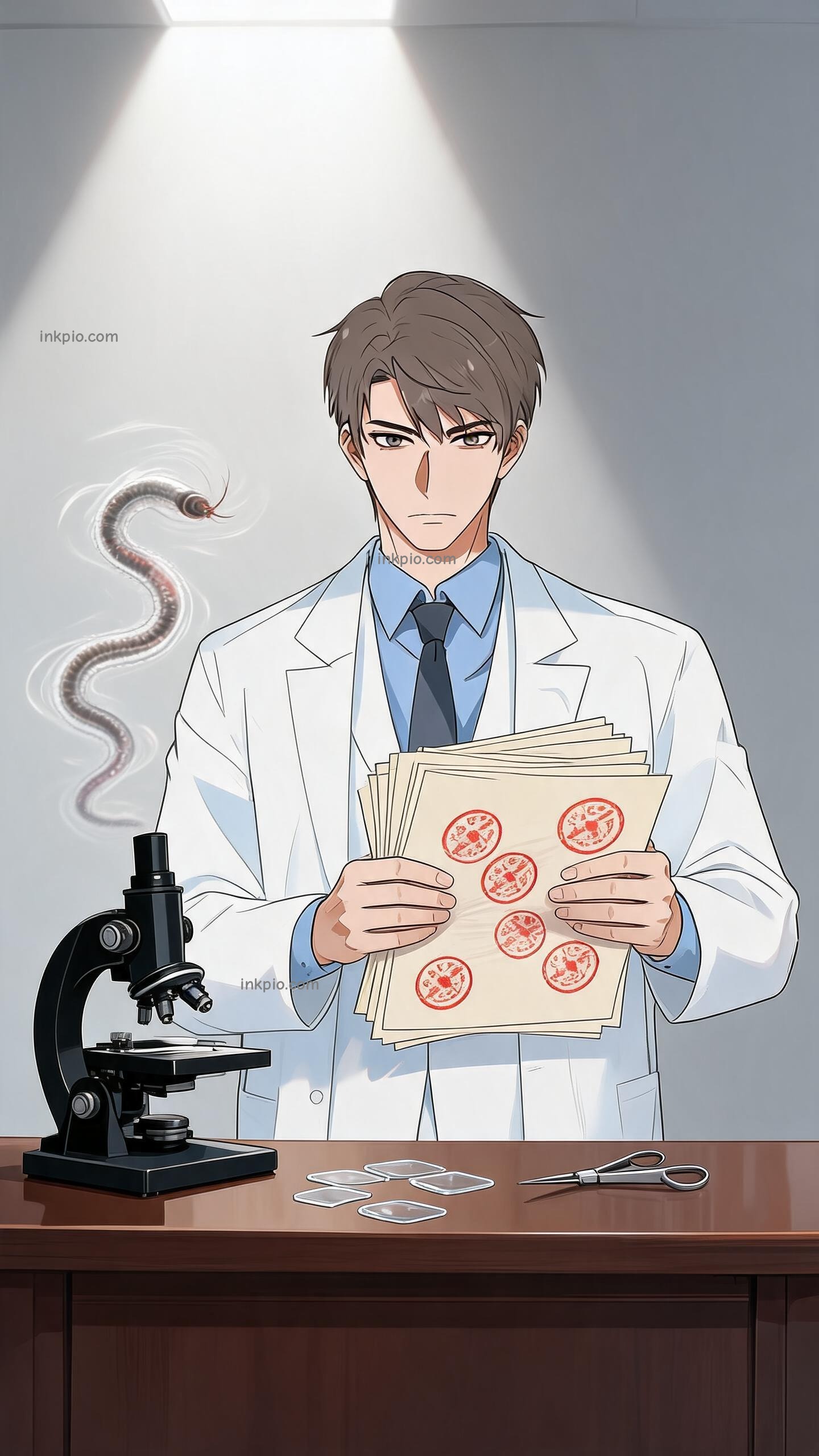
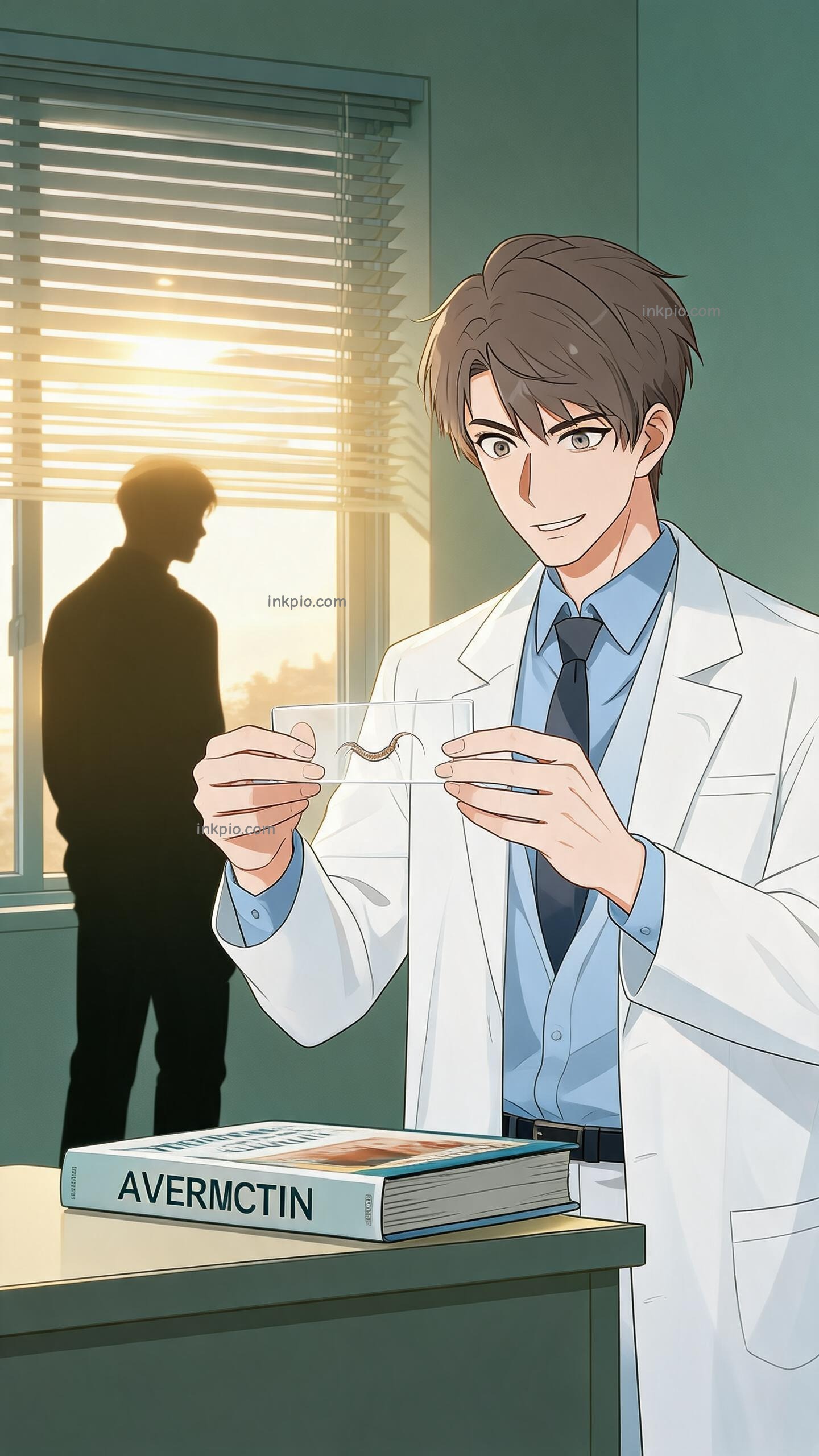

The silence in the Merck Institute laboratory was heavy, broken only by the hum of ventilation and the scratching of William C. Campbell’s pen. He wasn't just fighting parasites; he was fighting a biological paradox that had defeated generations of chemists. To kill a worm inside a human body was like trying to burn down a house without singeing the family inside. The cellular machinery of the parasite mirrored the host’s too closely. Any chemical potent enough to shred the worm’s nervous system would likely stop the patient’s heart. Campbell stared at rows of failed data, feeling the weight of every child blinded by river blindness, every farmer crippled by filariasis. He needed a poison with eyes, a weapon that could distinguish friend from foe at the molecular level.
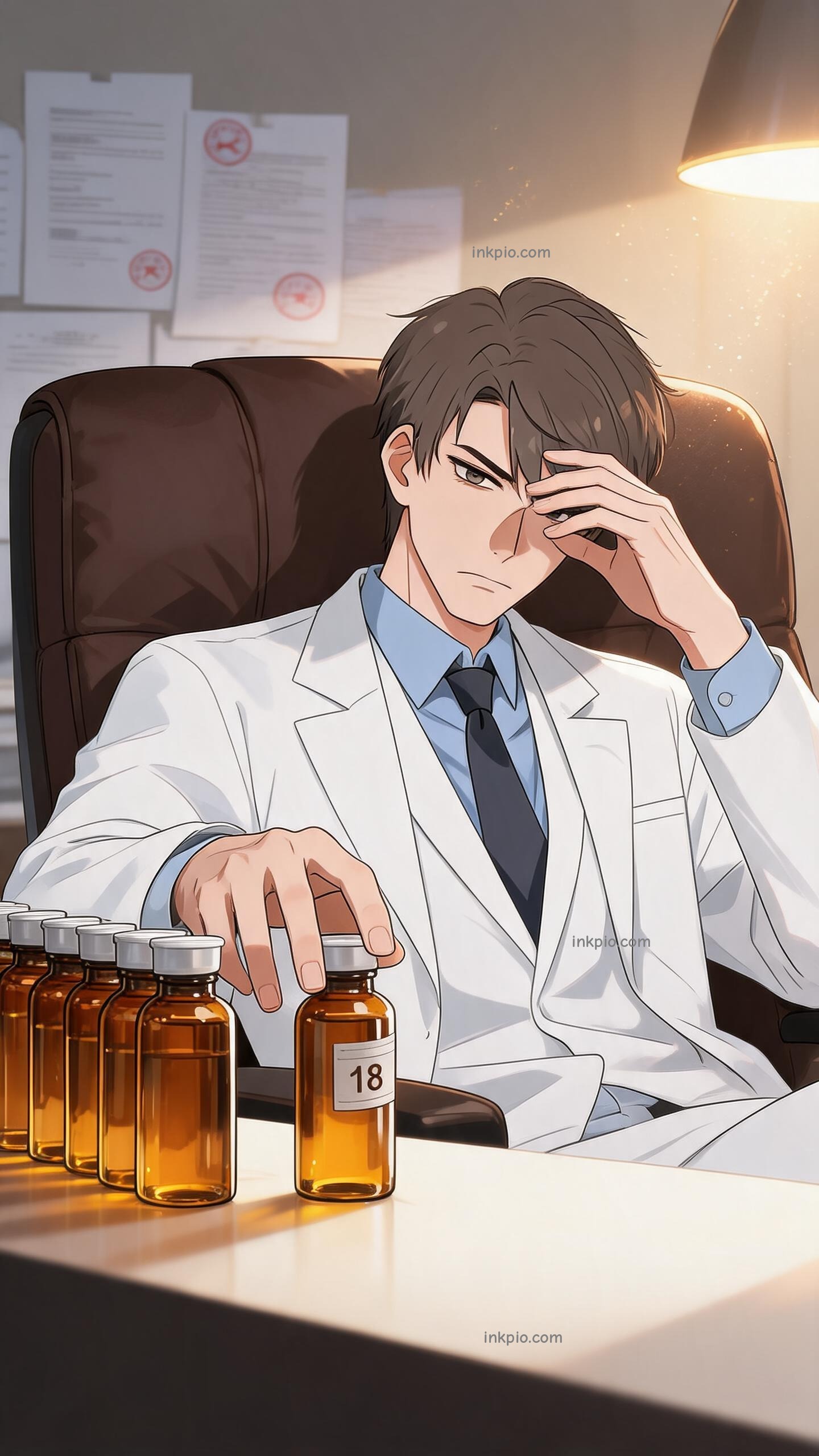
Thousands of miles away, Satoshi Ōmura was digging through the dirt of Japanese forests. He believed the solution lay not in synthetic labs, but in the ancient war between soil microbes. He sent sample after sample across the ocean, each vial carrying the hope of a breakthrough. Campbell received them with a mix of gratitude and growing fatigue. The lab became a graveyard of almosts. Fermentation broths bubbled in flasks, most proving useless or dangerously toxic. The air smelled of damp earth and disappointment. Colleagues whispered about shifting resources to more promising projects. Campbell kept working, driven by a stubborn refusal to let the dead ends define the mission.
Then came Strain 18, isolated from a patch of soil near a golf course in Kawazu. It looked unremarkable, just another cloudy liquid in a glass flask. But when Campbell prepared the slide, his hand moved with the practiced rhythm of thousands of previous failures. He placed a microscopic nematode under the lens, its body thrashing with vital energy. With a steady breath, he introduced a single drop of the amber fermentation broth. The reaction was not gradual. It was instantaneous. The worm didn't just slow down; it froze. Its violent writhing ceased as if an invisible hand had severed the connection between its brain and its muscles. The stillness was absolute, unnatural, and terrifyingly perfect.
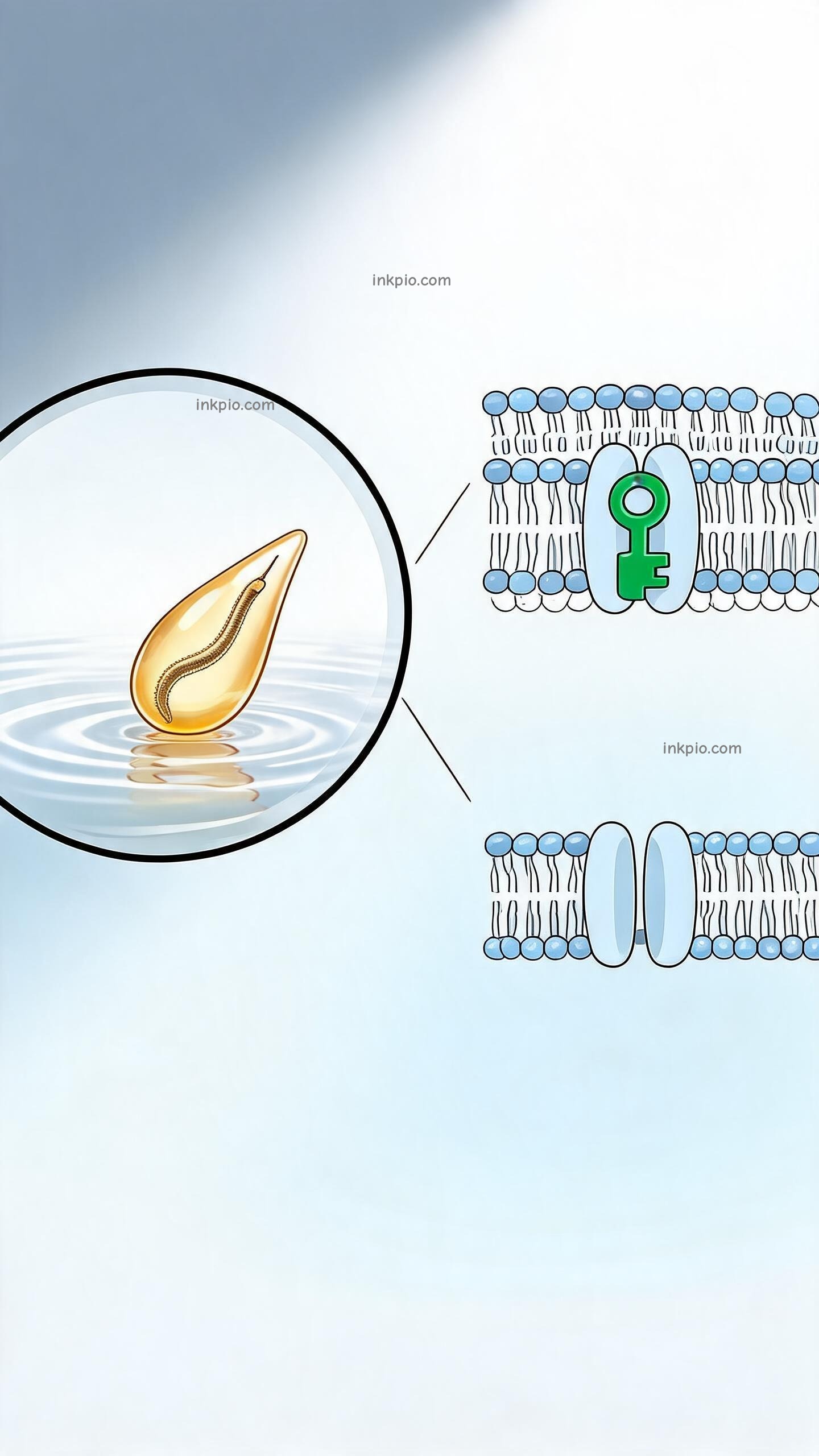
Campbell leaned closer, his eye pressed against the eyepiece, searching for signs of life. There were none. The creature was paralyzed, yet intact. This wasn't the messy destruction of a broad-spectrum toxin. This was surgical. He spent the next months dissecting the mechanism, driven by a need to understand why this specific drop worked where others had failed. The answer lay in the architecture of the nerve cells. Invertebrates rely on glutamate-gated chloride channels to regulate their neural signals. Avermectin, the compound in the broth, acted like a key forced into a lock. It bound to these channels and held them wide open.
Chloride ions flooded the nerve cells, disrupting the electrical balance required for movement. The parasite’s nervous system short-circuited, leading to fatal paralysis. But the true miracle was what didn't happen. Mammalian cells, including those of humans, lack these specific glutamate-gated channels. The drug molecule searched for its target in human tissue and found nothing to bind to. It bounced off, harmless and inert. The parasite died because it possessed a vulnerability the host did not. It was a biological blind spot that Campbell had finally exploited.
Holding the glass slide up to the fluorescent light, Campbell watched the suspended animation of the tiny worm. The amber droplet had dried, leaving a faint stain on the glass. He thought of the fields in Japan where the soil had been turned, and the clinics in Africa where patients waited in darkness. The distance between those two worlds had just collapsed. He didn't cheer. He didn't call a press conference. He simply cleaned the slide, labeled it carefully, and placed it in the archive. Outside, the rain began to fall, washing the streets of New Jersey, while inside, the blueprint for saving millions of sightless eyes sat quietly in a drawer, waiting for its derivative, Ivermectin, to change the world.