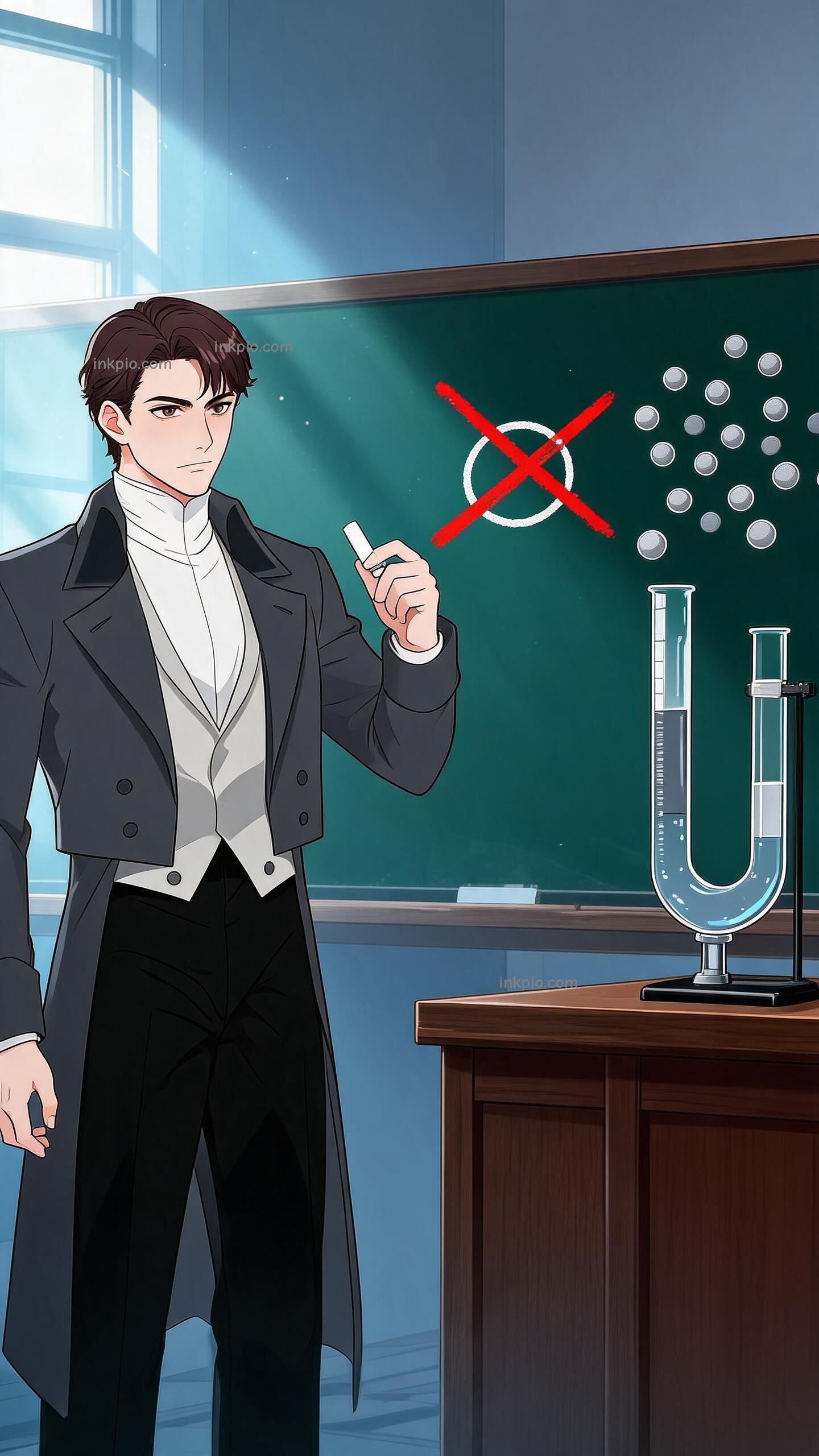
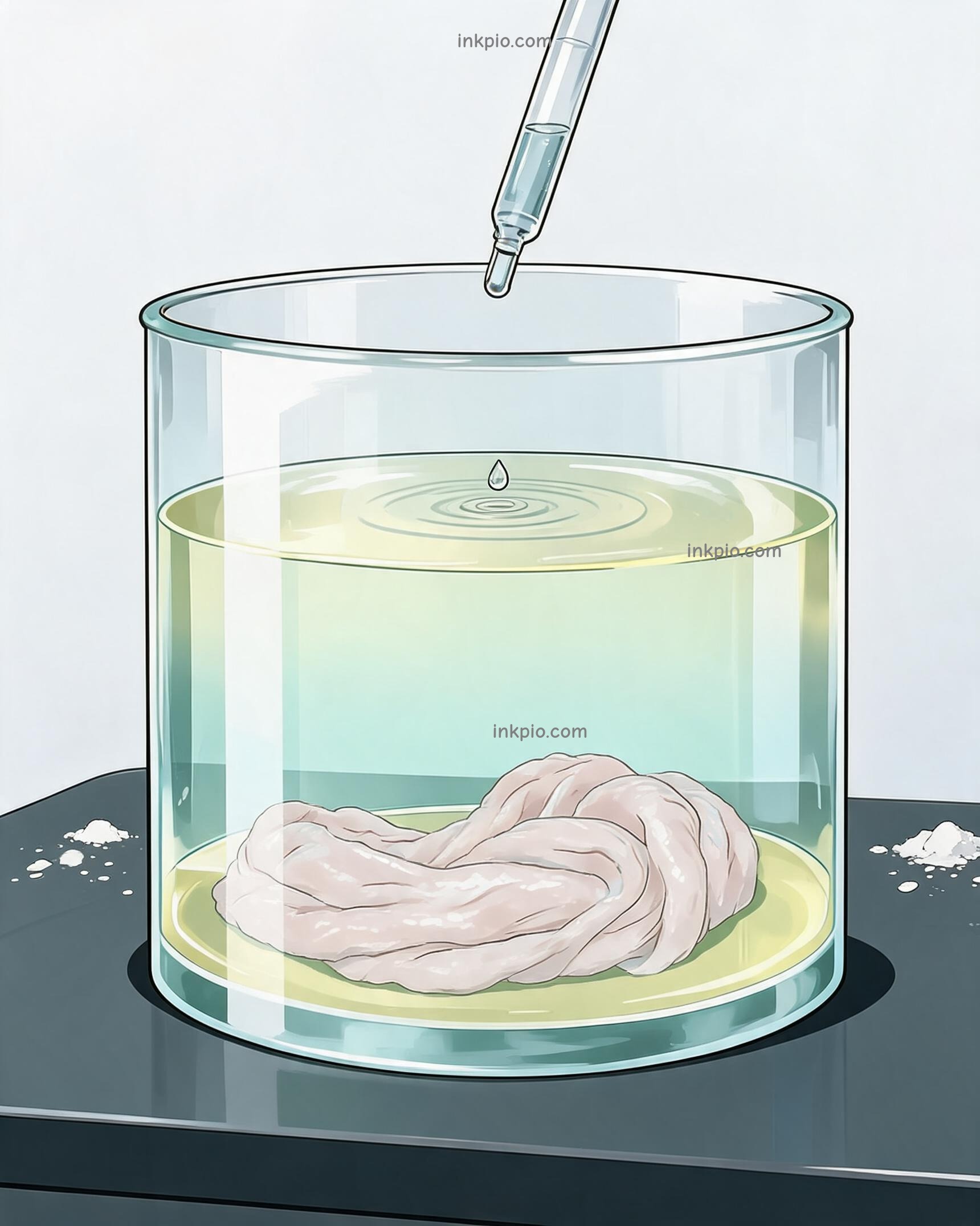

The glass tubes on the lab bench held strips of guinea pig heart muscle, twitching like nervous hands in a cold room. In the 1960s, this violent rhythm was not just a biological curiosity; it was a death sentence for angina patients. Doctors could only offer nitroglycerin, a drug that numbed the pain but ignored the cause. The real killer was adrenaline, flooding the system and forcing the heart to work past its breaking point. James Black watched the tissue jerk under the steady lights, feeling a quiet frustration. He was tired of treating symptoms while the patient died.
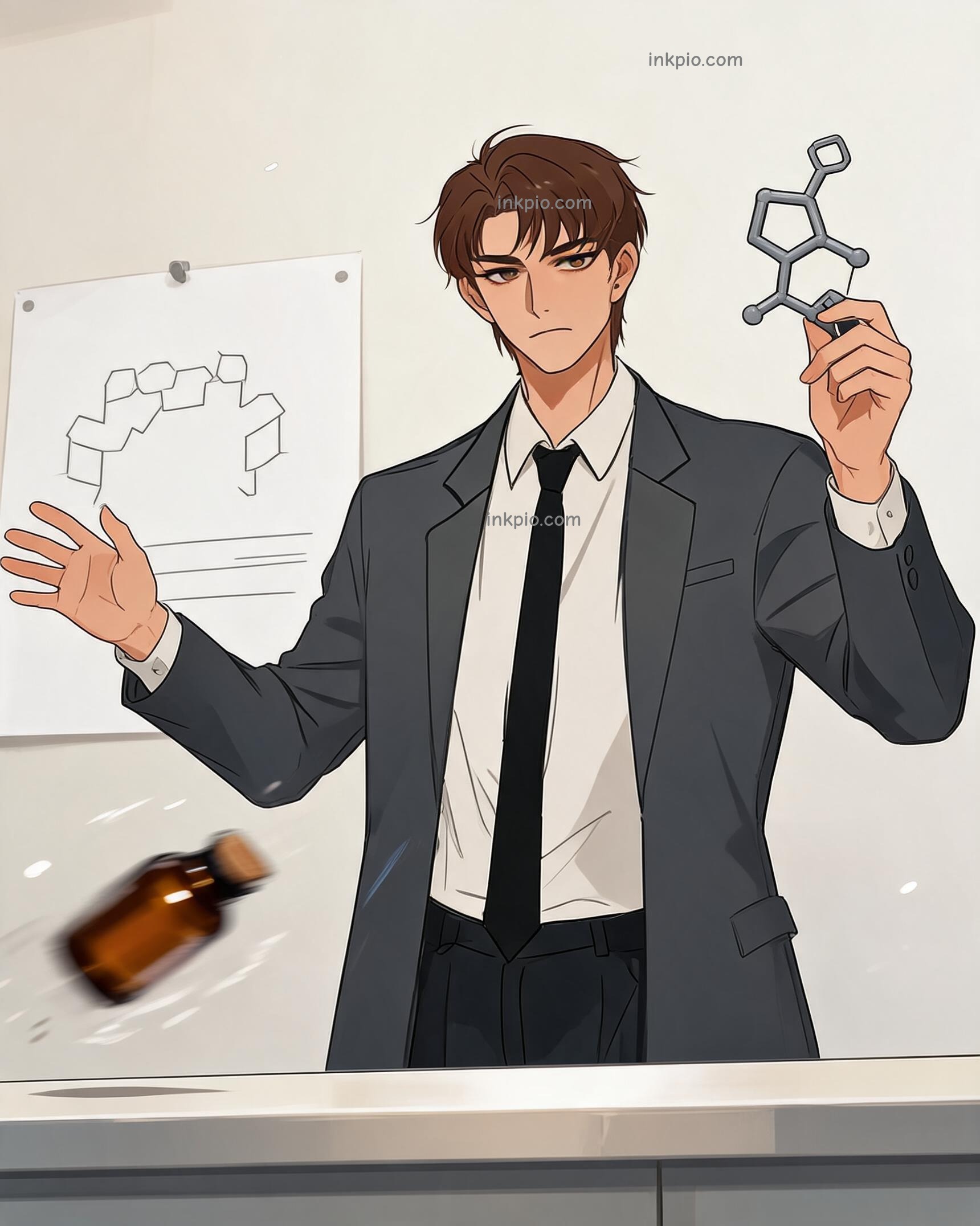
Black saw the receptors on heart cells as locked doors waiting for adrenaline to turn the handle. Existing vasodilators were missing the point entirely. They tried to widen the pipes, but the pump was still racing out of control. He didn't need a stronger drug. He needed a dummy key. His idea was simple yet radical: synthesize a molecule that would slide into the lock, occupy the space, and sit perfectly still. If the real hormone couldn't turn the handle, the muscle would stay relaxed. The cellular panic would never start.
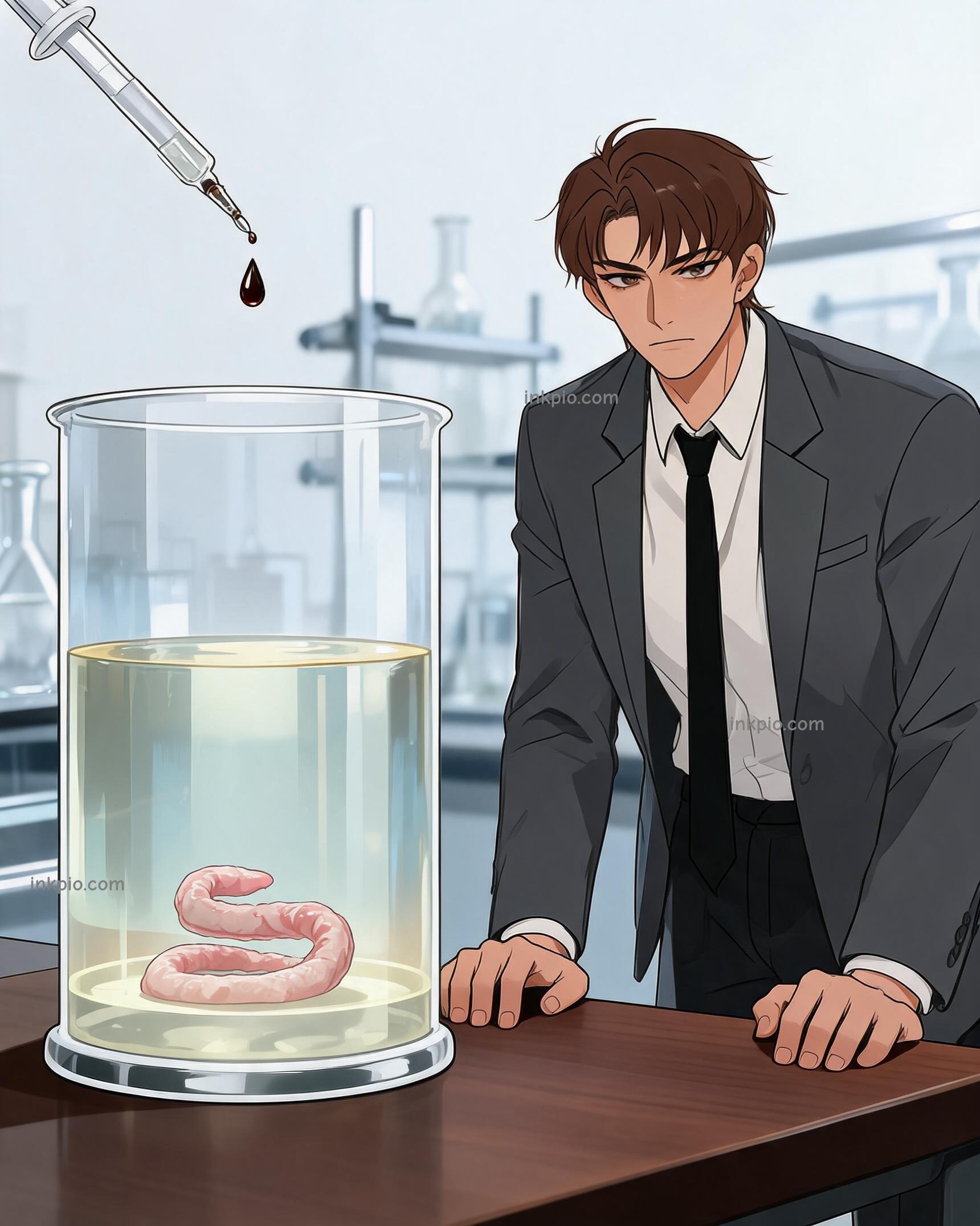
Finding that exact shape required years of isolation at ICI Pharmaceuticals. Black worked in a world of quiet trial and error, dropping new compounds into isolated tissue baths. Most molecules washed past the receptors, useless and inert. Others triggered even wilder spasms, mocking his efforts. He adjusted chemical rings and shifted atomic weights millimeter by millimeter. It was a hunt for precision, not brute force. He needed a compound that would bind tightly but refuse to fire. The pressure was invisible but heavy. Failure meant another patient lost to a heart that simply ran out of strength.
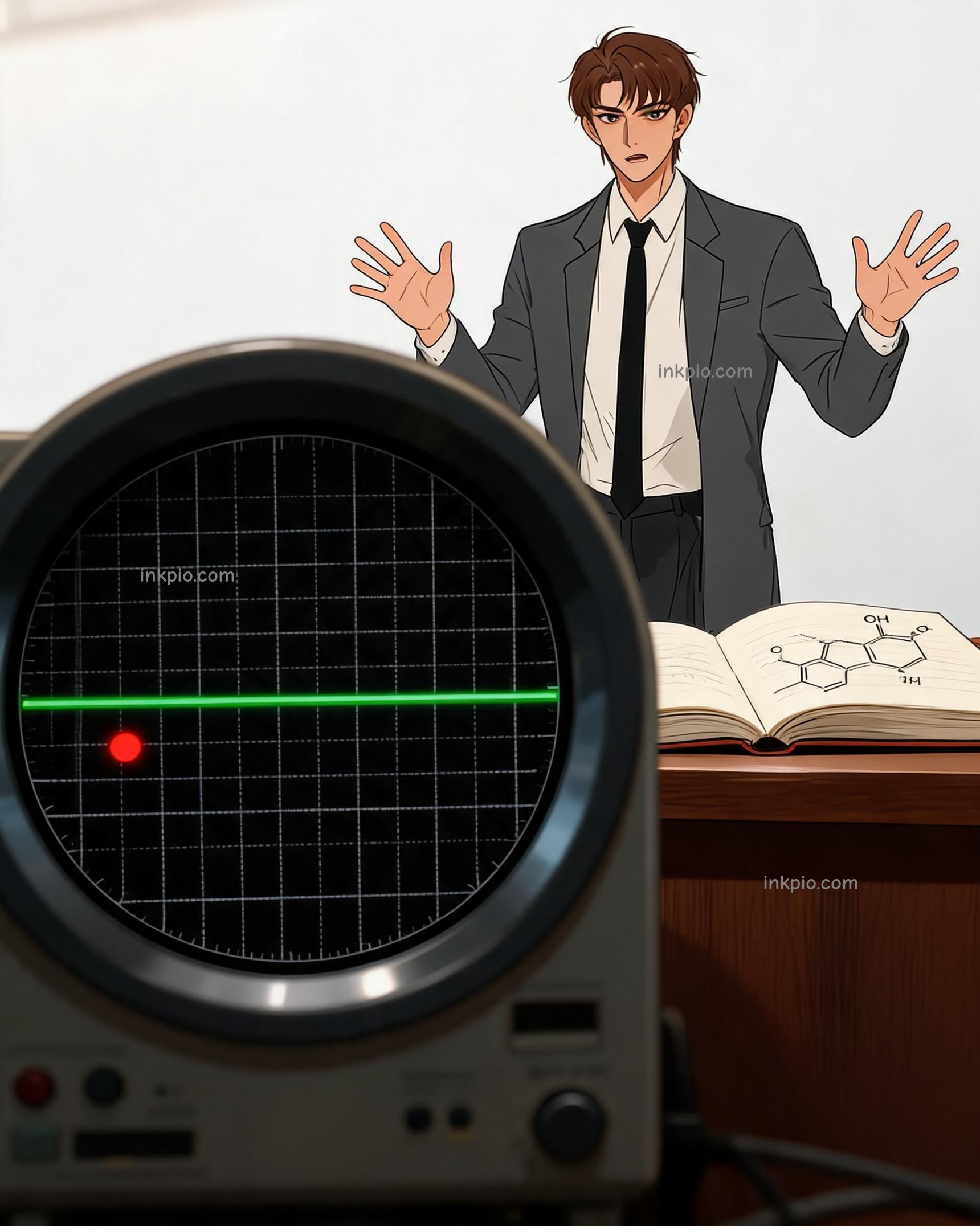
By 1964, the atmosphere in the lab had grown thin with anticipation. Black added adrenaline to the fluid, expecting the usual violent contraction. The tissue didn't flinch. It lay still, defying the chemical command that had killed so many. In that silence, the principle of competitive inhibition was proven. He had synthesized pronethalol, and later propranolol, creating the first beta-blockers. The dummy key had worked. It blocked the receptor without activating it, turning off the body's stress response at the cellular level.
Notebook pages filled with clean equations as the medical implications clicked into place. Black realized he had engineered more than a drug; he had created an off-switch for human stress. He later noted that blocking the receptor didn't just quiet the heart, it saved the patient. The breakthrough was not loud. It was the absence of noise. Beta-blockers rolled out to hospitals, replacing frantic rhythms with steady, reliable beats. The science was complex, but the result was simple peace.
In the glass bath, the dummy molecule sat quietly among the salts and fluids. It did nothing, and in doing nothing, it allowed life to continue. Exhausted hearts, both in the tube and in the chests of strangers, finally caught their breath. Black looked at the stillness he had created. It was not empty. It was full of potential, waiting for the next beat to come naturally, without fear.