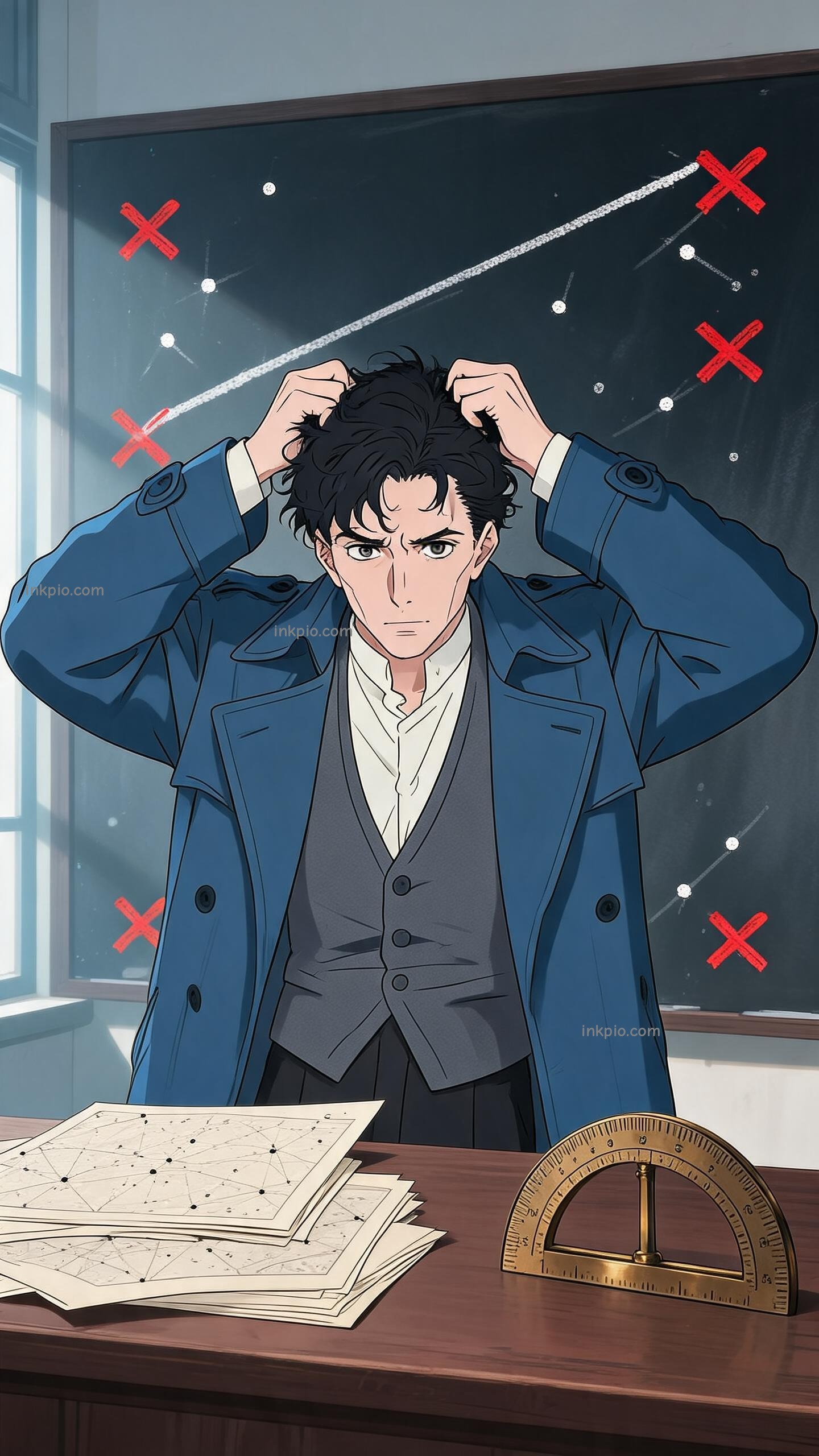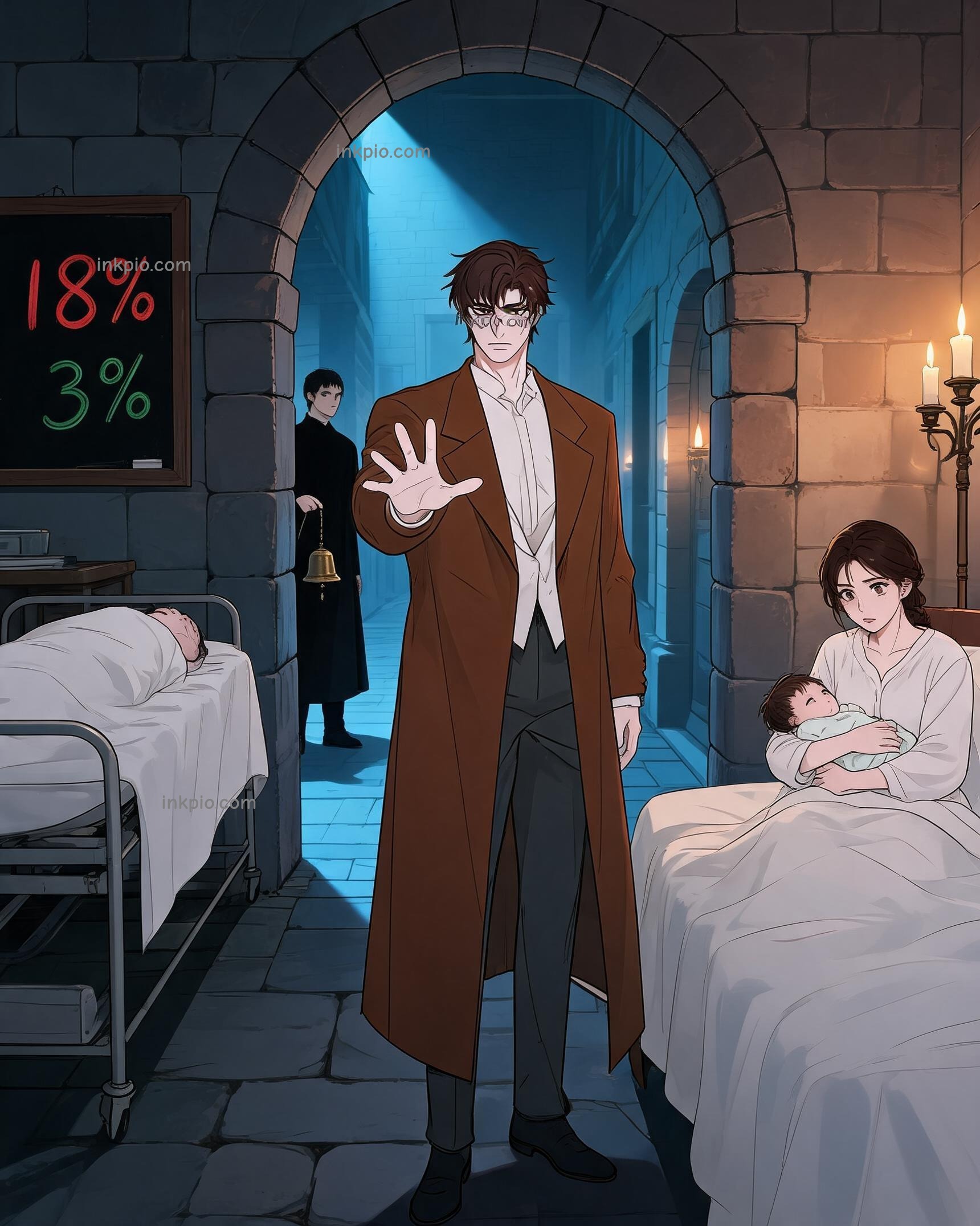
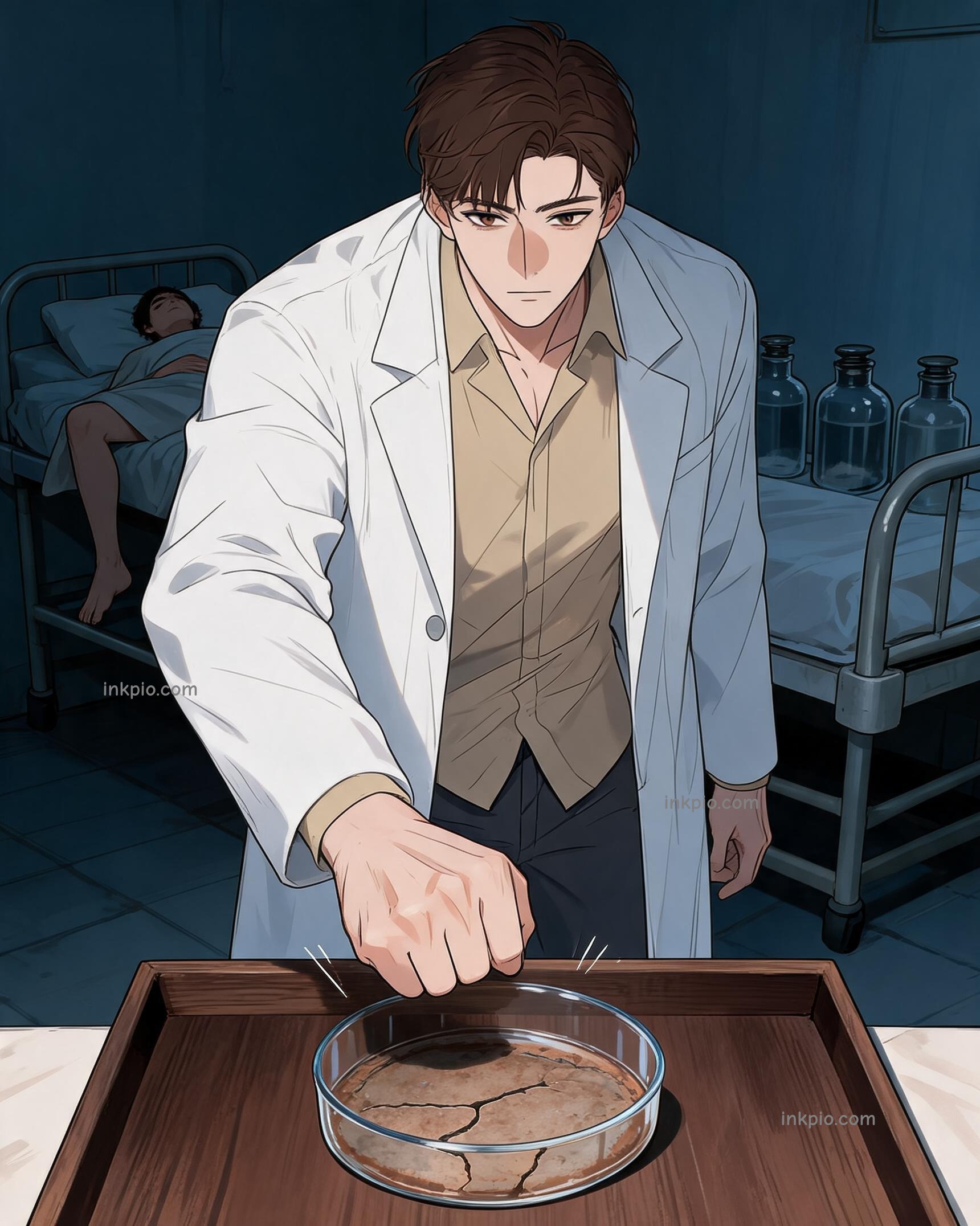

The antiseptic bottles gleamed on the shelves, cold and untouched. Yet the paralysis kept spreading through the prison wards in Java. Christian Eijkman paced the corridors, his boots clicking against the stone floor. He listened to the ragged breathing of soldiers and prisoners as their legs gave out beneath them. The medical board insisted a hidden bacterium was to blame. They scrubbed floors until their knuckles bled. They boiled instruments until the metal warped. They isolated the sick in sterile rooms that smelled of chlorine and despair. Nothing worked. The patients continued to fall, one by one, into helpless stillness. Eijkman felt a heavy knot of guilt tighten in his chest. He was a man of science, yet he stood powerless while men died around him. He needed an answer, not another sterilized room.
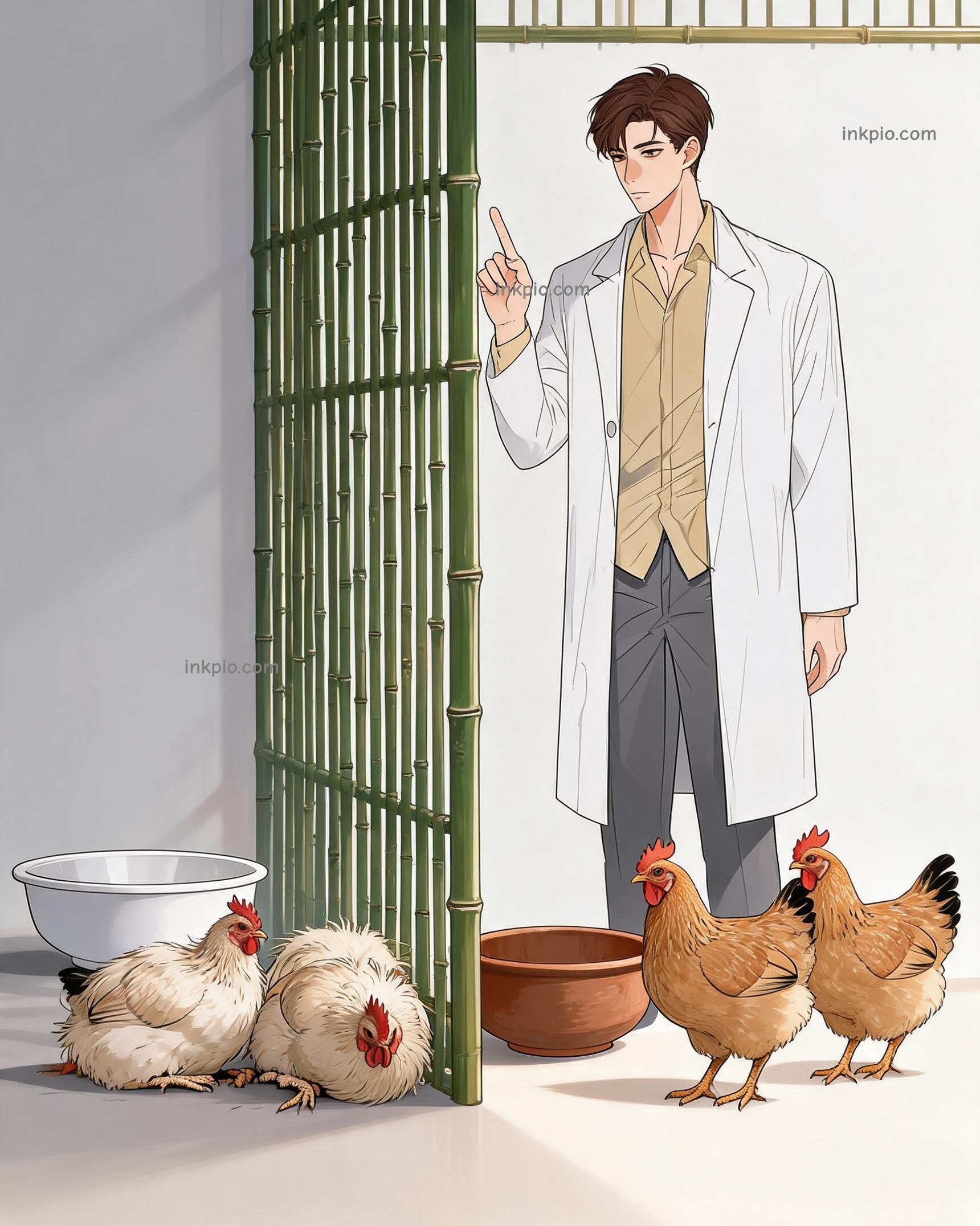
He retreated to the laboratory, seeking clarity among the chickens. The birds were supposed to be controls, but they began to mimic the humans. Their heads drooped. They stumbled over their own feet. Their claws curled tightly around the wire mesh, unable to let go. Eijkman watched them with a growing sense of dread. If the chickens were dying too, then the disease was everywhere, invisible and unstoppable. Then, the kitchen staff changed. A new cook, hired to cut costs, stopped buying expensive polished white rice. He switched to cheap, unpolished scraps, rough grains still coated in reddish bran. Eijkman barely noticed the change at first. But days later, he walked into the coop and stopped. The chickens were standing. They pecked at the floor with energy. Their claws had uncurled. The paralysis had vanished.
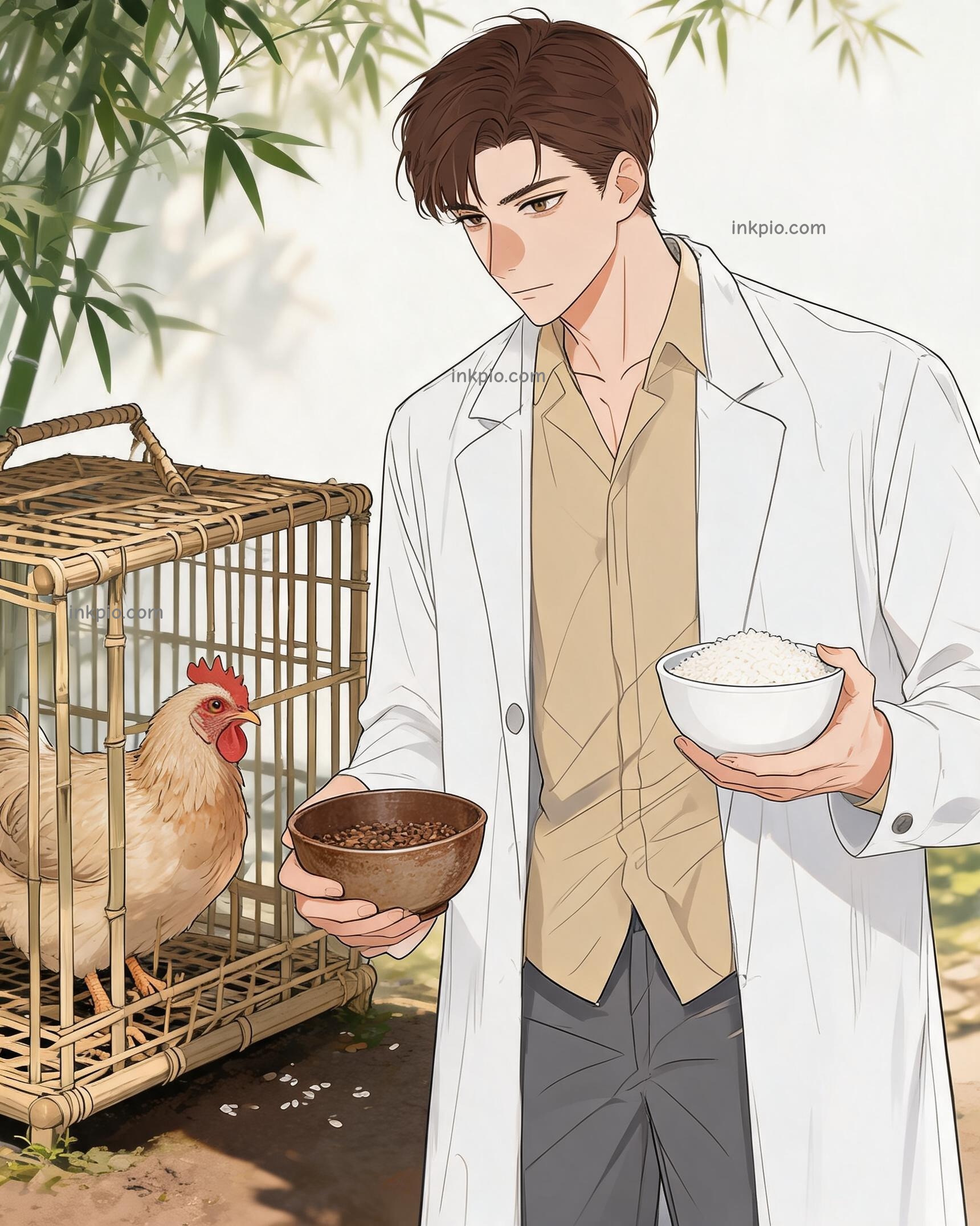
Eijkman stared at the feed bucket. It wasn't medicine. It was waste. He felt a strange mix of relief and confusion. Was it possible that the cure was something they had been throwing away? He couldn't trust a coincidence. Not when lives were at stake. He designed a controlled trial to strip away luck. One pen received the gleaming white rice, stripped clean of its outer layers. The other pen received the coarse brown grain, bran and all. He waited. The tension in the lab grew thick. The white-rice birds began to stagger. They lost their balance and collapsed, mirroring the prisoners' fate. The brown-rice birds remained alert, steady, and strong. The contrast was brutal and undeniable. It was like a lock missing its key. The polished rice was the empty lock. Adding more antiseptics just turned the knob in vain. The rough rice held the missing piece. Putting it back snapped the nerves into working order.
Eijkman wrote up his findings with trembling hands. He didn't wait for peer review. He swapped the prison menus overnight. The change was immediate. Paralysis rates dropped almost as fast as the birds had recovered. In 1897, he published his controlled feeding experiment in Java. He proved that beriberi was caused by a dietary deficiency, not a bacterial pathogen. This simple grain swap cracked open a new field of medicine. His discovery of the anti-beriberi factor in unpolished rice laid the foundation for vitamin science. It would eventually earn him the 1929 Nobel Prize in Physiology or Medicine. But in that moment, the prize meant nothing. The silence in the ward meant everything.
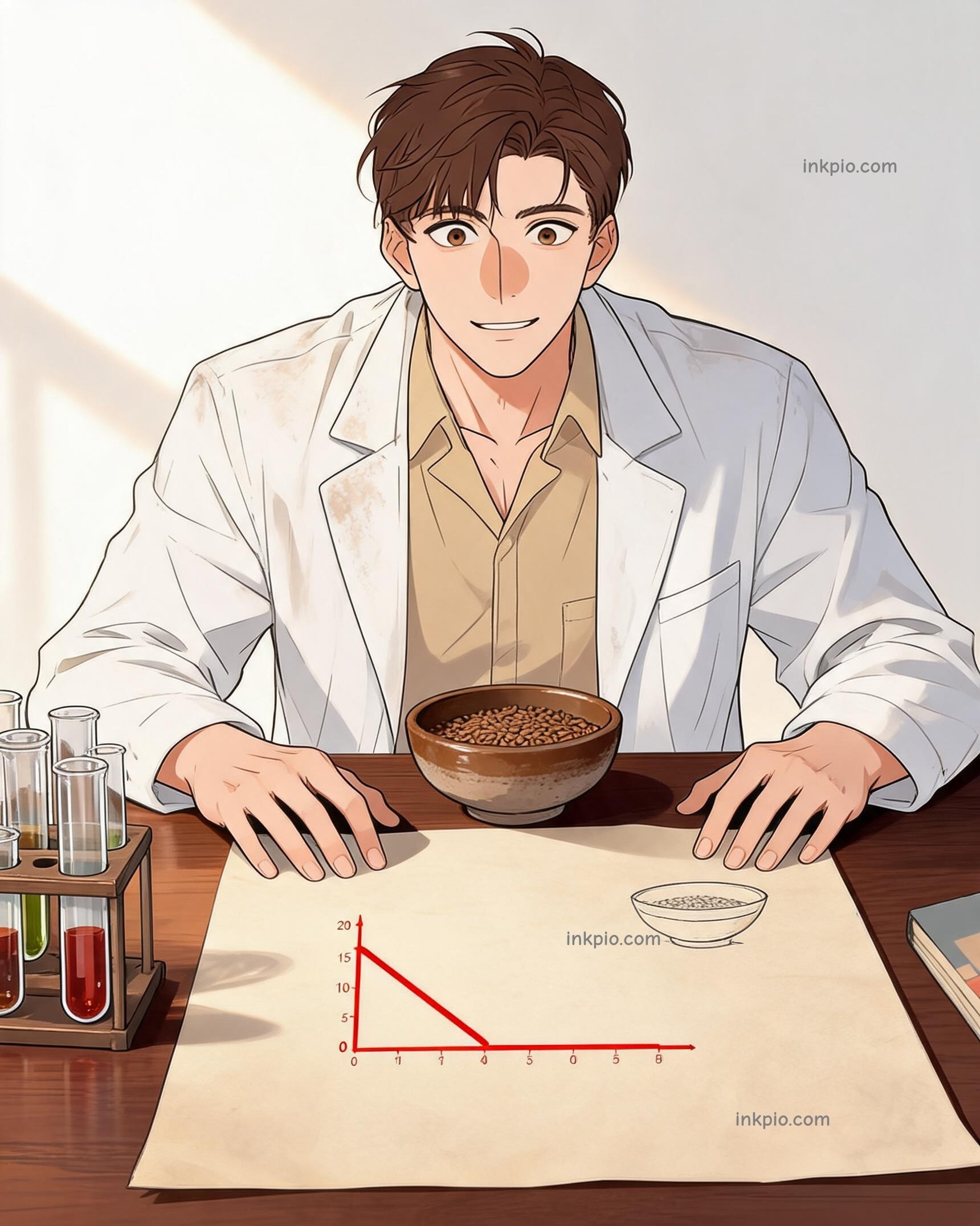
He pushed the empty glass dishes aside. They represented the old way, the failed search for invisible enemies. He placed a rough clay bowl of brown rice in the center of his desk. The grain looked humble, almost dirty compared to the pristine white rice. But it was alive with possibility. Eijkman ran his fingers over the coarse texture. He realized the cure never needed a microscope. It didn't need complex theories or sterile rooms. It just needed to be put back on the plate. The answer had been there all along, hidden in plain sight, waiting for someone to stop looking past it.