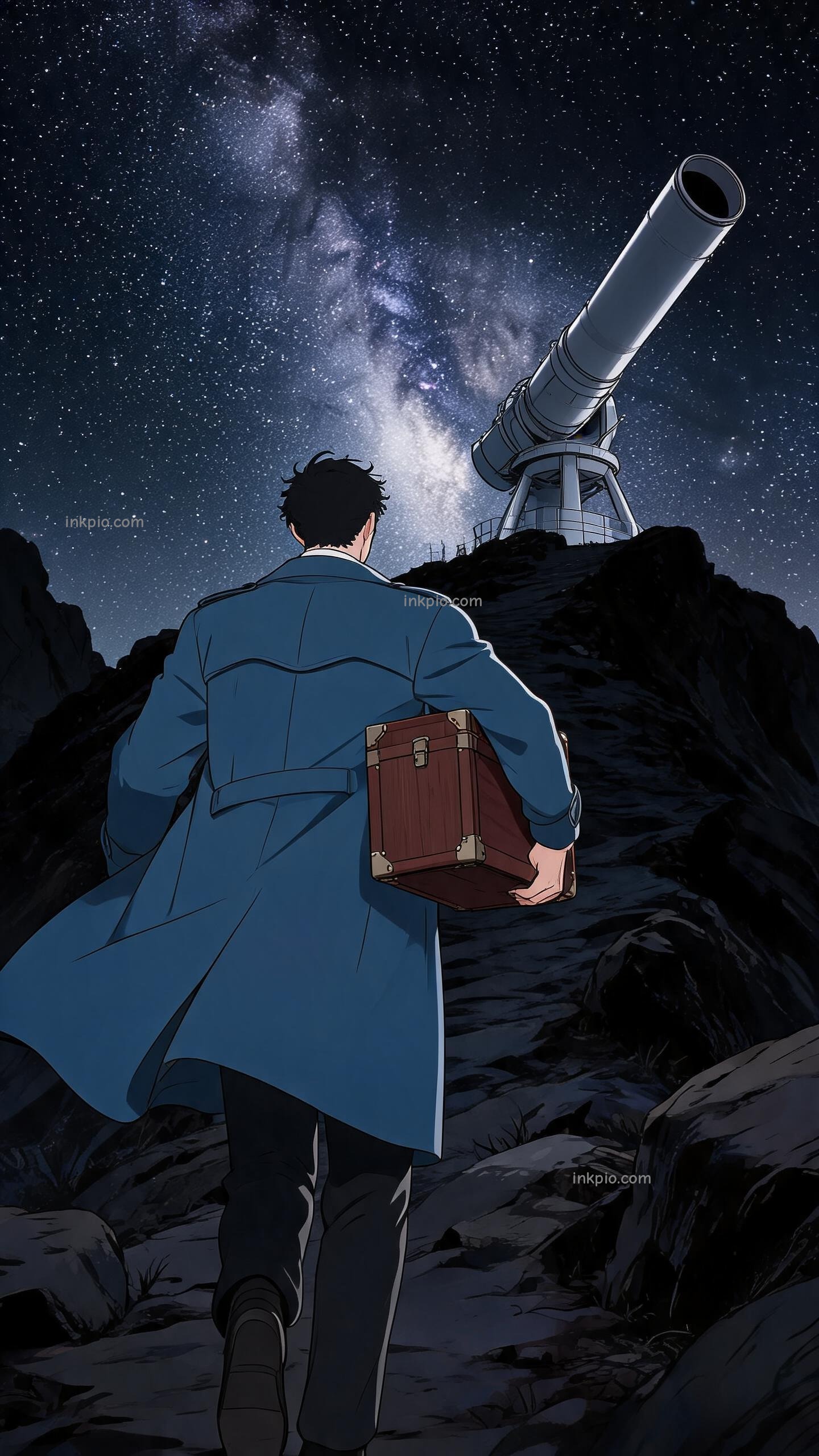

Walter Baade stood alone in the freezing control room of the Mount Wilson Observatory, his breath visible in the stale air. Outside, Los Angeles was holding its breath under wartime blackout orders. The city below, usually a glowing smear of orange light that choked the stars, had vanished into an abyssal dark. For most people, this darkness meant fear of enemy bombers. For Baade, it meant clarity.
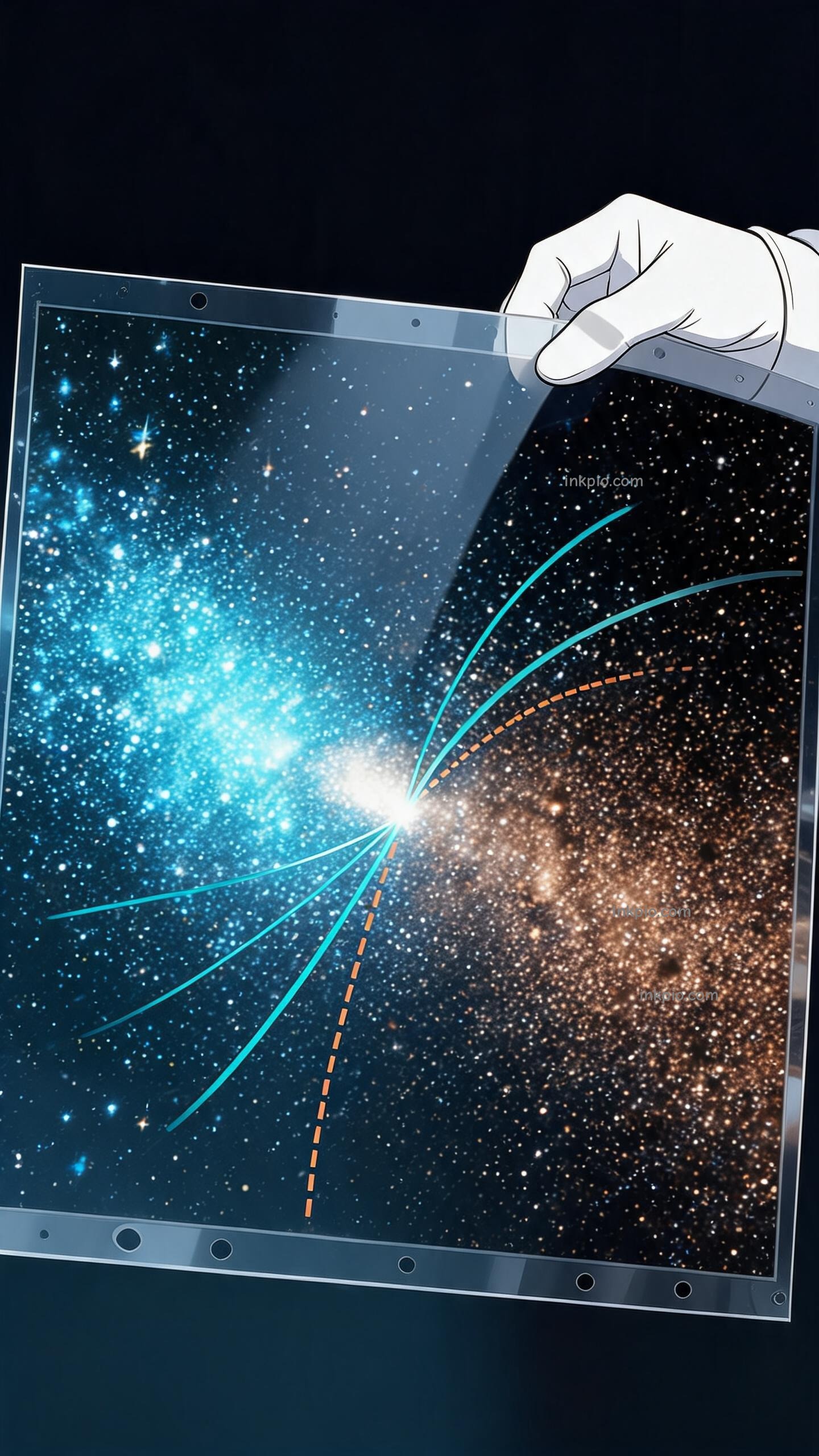
He looked at the glass photographic plates stacked on his desk. They were heavy, cold, and fragile. Each one held a snapshot of the Andromeda Galaxy, captured during these rare nights of perfect visibility. For years, astronomers had treated Cepheid variable stars as universal standard candles. The logic seemed unbreakable: a star that pulses slowly is inherently brighter. By comparing its true brightness to its apparent faintness, you could calculate distance. It was the cosmic ruler everyone trusted.
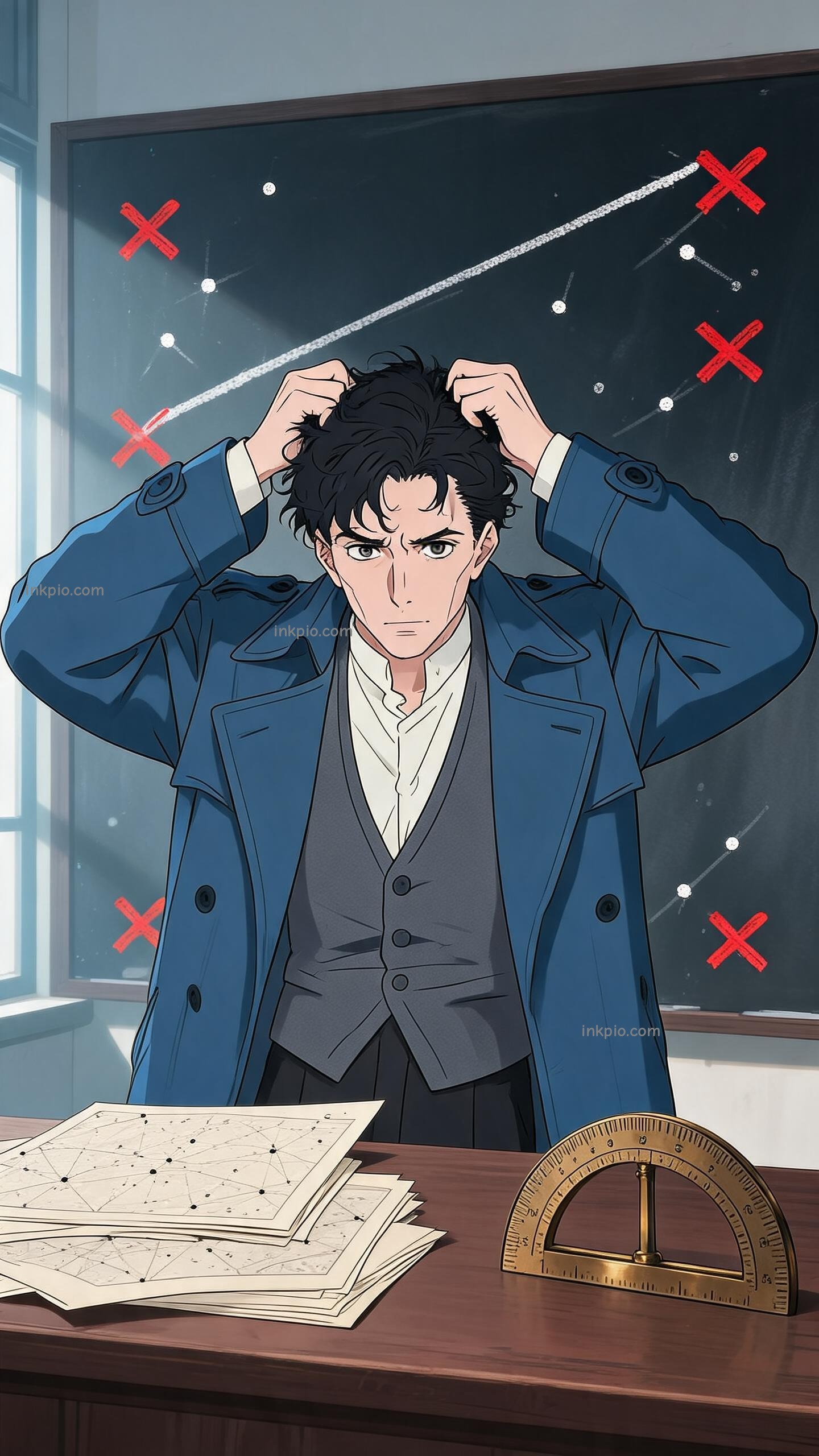
But the numbers on Baade’s chalkboard refused to align. The distances calculated from Andromeda’s core didn’t match the edges. The universe felt disjointed, like a map drawn by someone who had changed scales halfway through. Baade rubbed his tired eyes. He wasn’t just fighting bad data; he was fighting a collective assumption that had hardened into fact. If the ruler was broken, everything built upon it—every galaxy’s size, every estimate of the cosmos’s age—was a lie.
The silence of the mountain was heavy. Baade picked up a magnifying loupe and leaned over the latest plate. The blackout had allowed the 100-inch Hooker Telescope to see deeper than ever before, resolving individual stars in Andromeda’s crowded core. He traced the faint smudges of light with a pencil. Most astronomers saw a uniform field of pulsing stars. Baade saw something else. He saw a divide.
His hand paused over a cluster of blue-white dots. These were young, hot stars, burning fiercely. Nearby, scattered like embers, were older, redder stars. They looked similar to the untrained eye, but their behavior was different. Baade cross-referenced their pulse periods with their brightness. The young blue stars followed one rhythm. The old red stars followed another. They were not using the same ruler. They were two distinct populations, each with its own period-luminosity relationship.
A chill that had nothing to do with the temperature ran down his spine. The flaw wasn’t in the telescope or the math. It was in the categorization. Everyone had been measuring young stars with a rule meant for old ones, or vice versa. The "standard candle" was actually two different candles burning at different intensities.
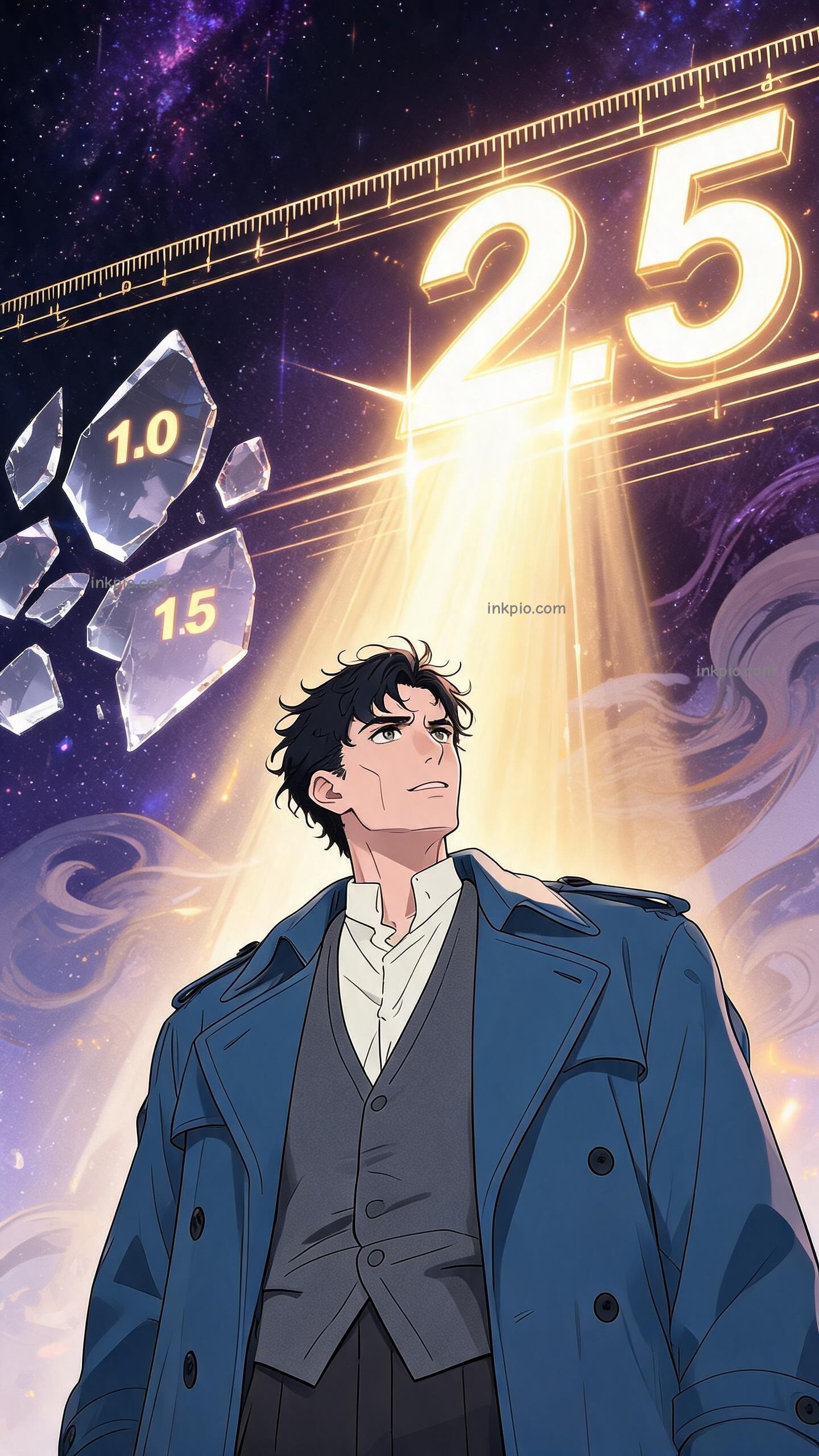
Baade sat back, the chair creaking in the quiet room. He recalculated the distance to Andromeda using the correct scale for the dominant population he had identified. The pencil moved faster now, driven by a sudden, terrifying certainty. The previous estimate of one million light-years dissolved. The new number emerged: 2.5 million light-years.
The implication hit him physically. If Andromeda was that much farther away, yet still appeared so bright, it had to be vastly more luminous. It had to be bigger. Much bigger. The known physical size of the universe didn’t just grow; it doubled in an instant. The comfortable, manageable cosmos he had lived in for decades evaporated, replaced by a vast, indifferent expanse.
He didn’t cheer. He didn’t call anyone. There was no one to call in the blackout silence. Baade carefully placed the glass plates back into their protective sleeves. His hands were steady, but his mind was reeling from the vertigo of expanded space. He turned off the desk lamp, plunging the room into darkness that matched the sky outside.
Walking down the mountain path, the gravel crunching under his boots, Baade looked up. The stars looked the same as they had yesterday. Same pinpricks of light, same familiar constellations. But the space between them had stretched. He was walking through the same night, but the universe he carried in his head was twice as large, and infinitely more lonely.