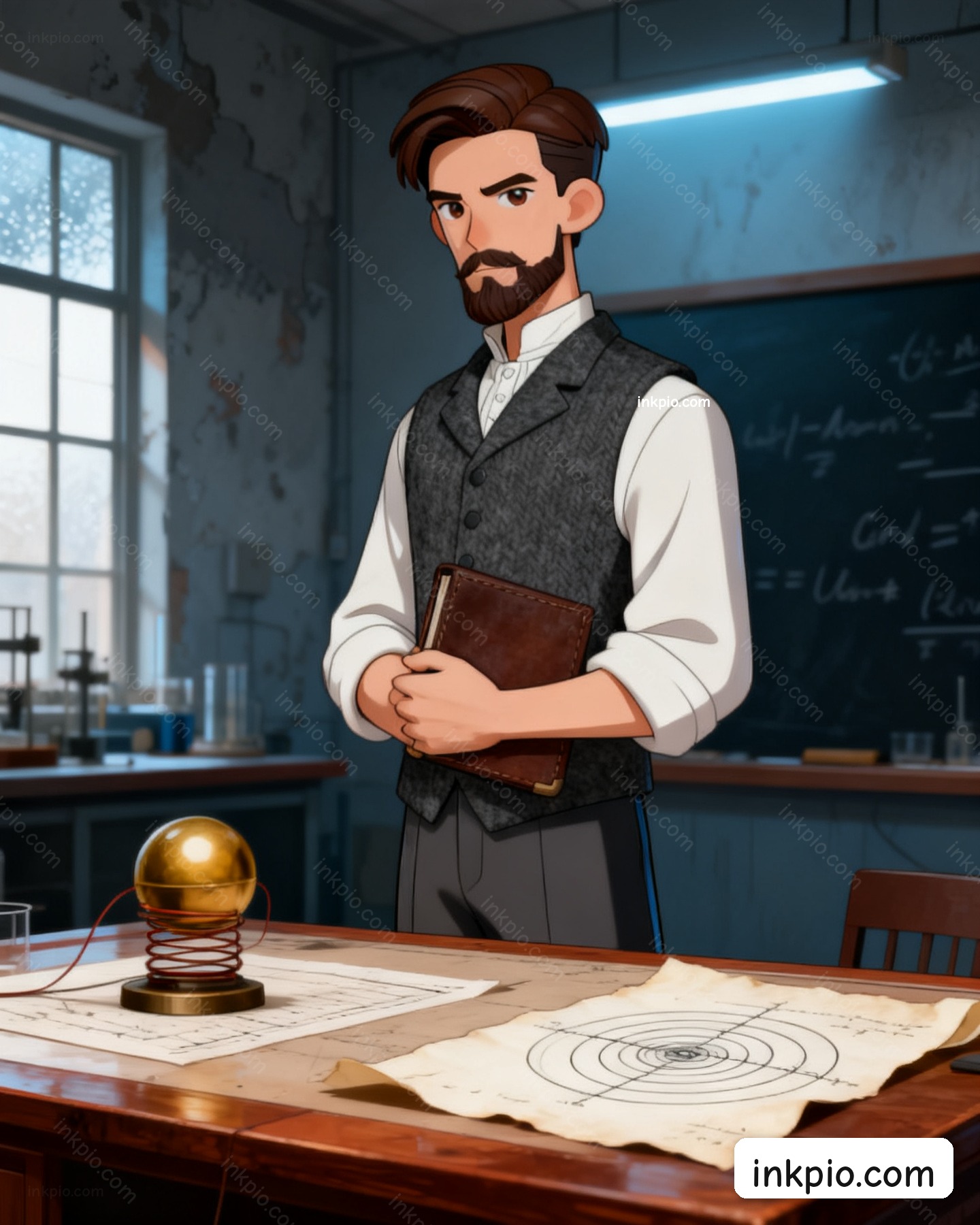
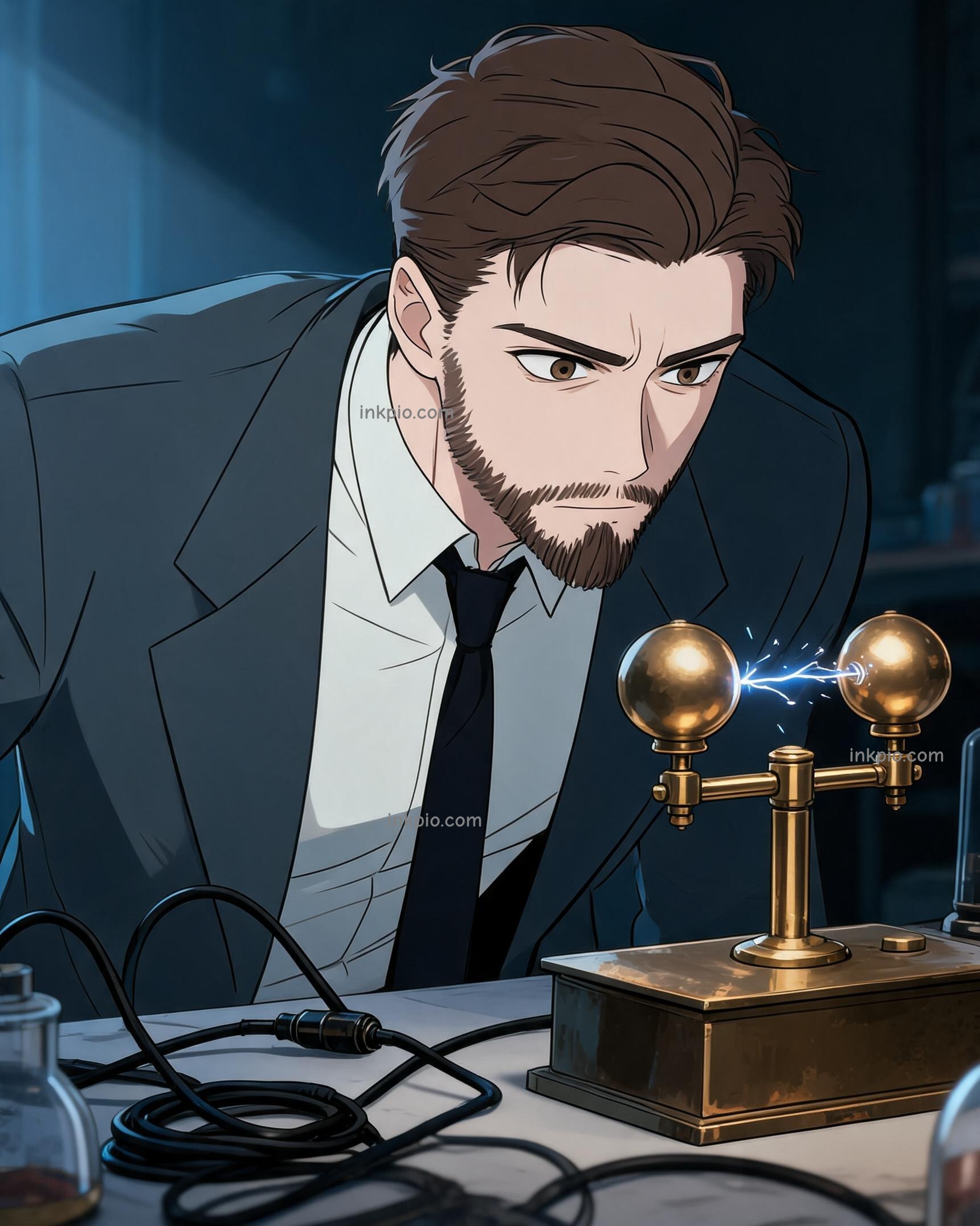

The brass spheres sputtered, throwing off weak blue flashes that died the moment they started. Heinrich Hertz leaned over his workbench in 1887, rubbing his tired eyes. The air in the lab felt heavy with failure. He was trying to catch electromagnetic waves bouncing across the room, but the receiver kept stalling. A steady stream of sparks would prove the waves traveled through the air. A flickering mess just meant the setup had hit a wall. He needed to figure out why the signal kept dropping before his colleagues dismissed his entire theory as noise.
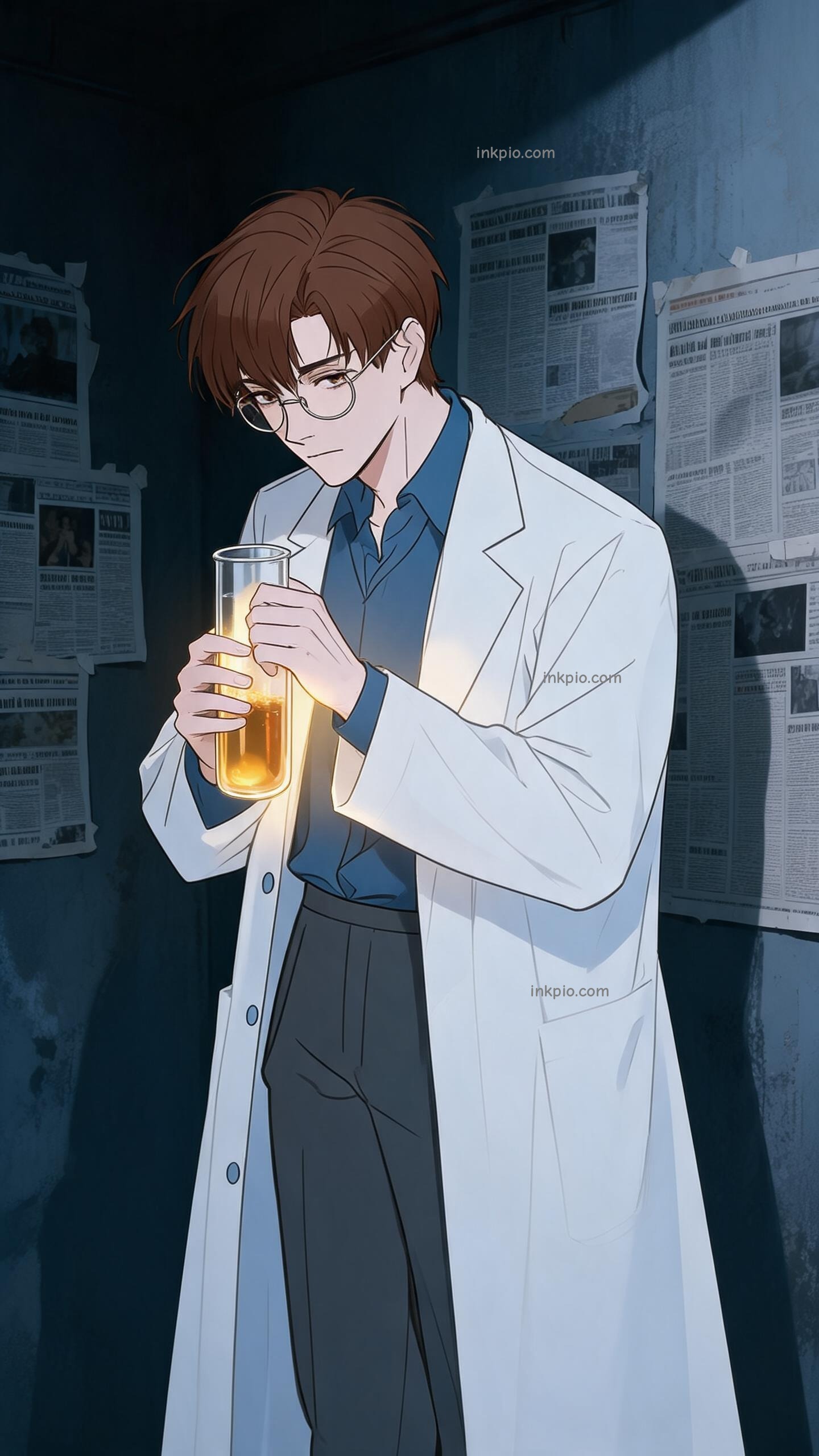
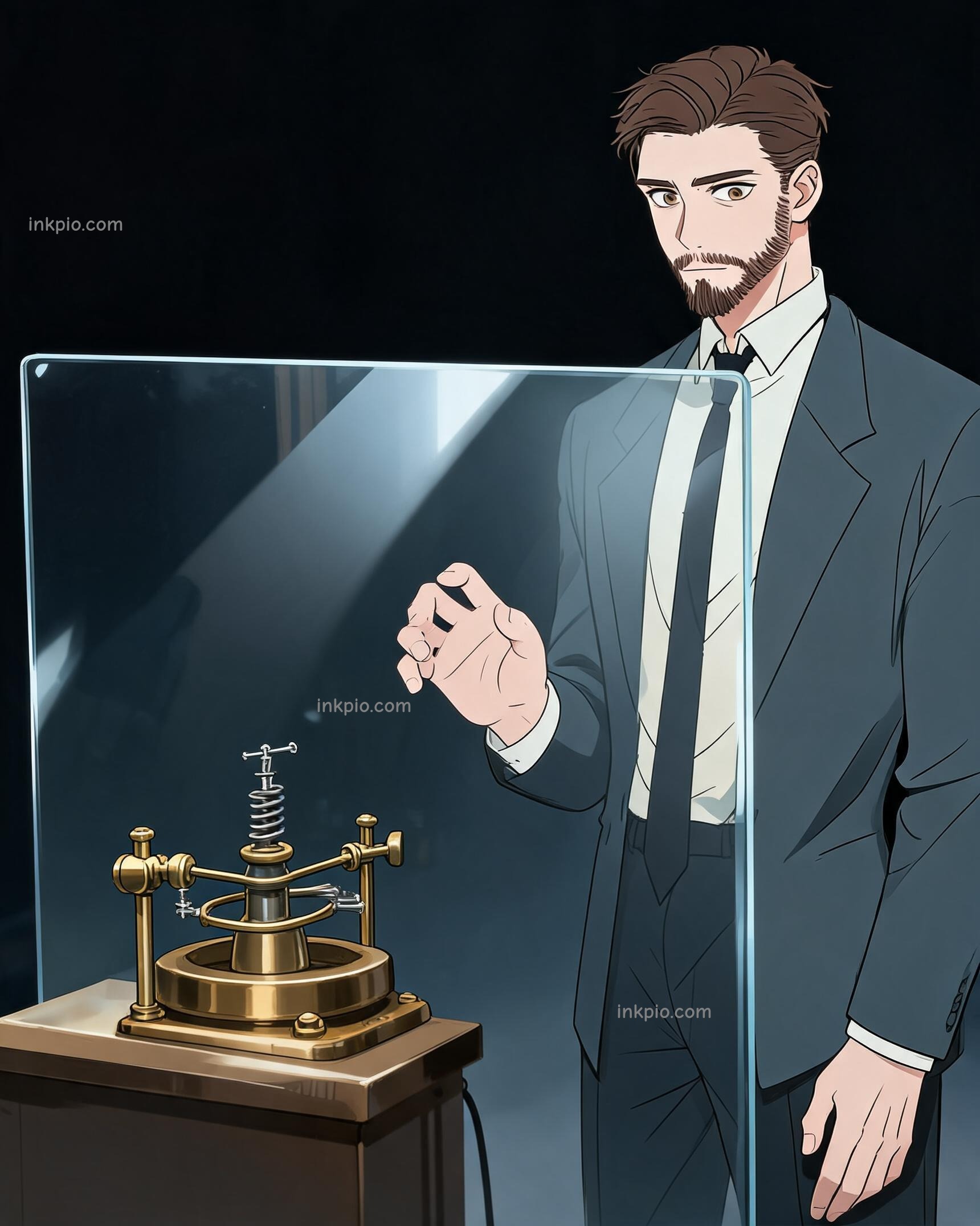
Stray daylight kept washing out his measurements, so he grabbed a thick sheet of glass and slid it between the transmitter and the receiver. He expected a cleaner reading, a way to isolate the signal from the chaos of the outside world. The spark gap went completely dark instead. No hum, no flash, just dead metal sitting in the quiet room. Hertz stared at the pane, completely baffled. The invisible waves should have passed right through the glass, but the electrical discharge vanished the moment the ambient light got blocked. It felt like the universe was playing a trick on him, hiding the truth behind a transparent barrier.
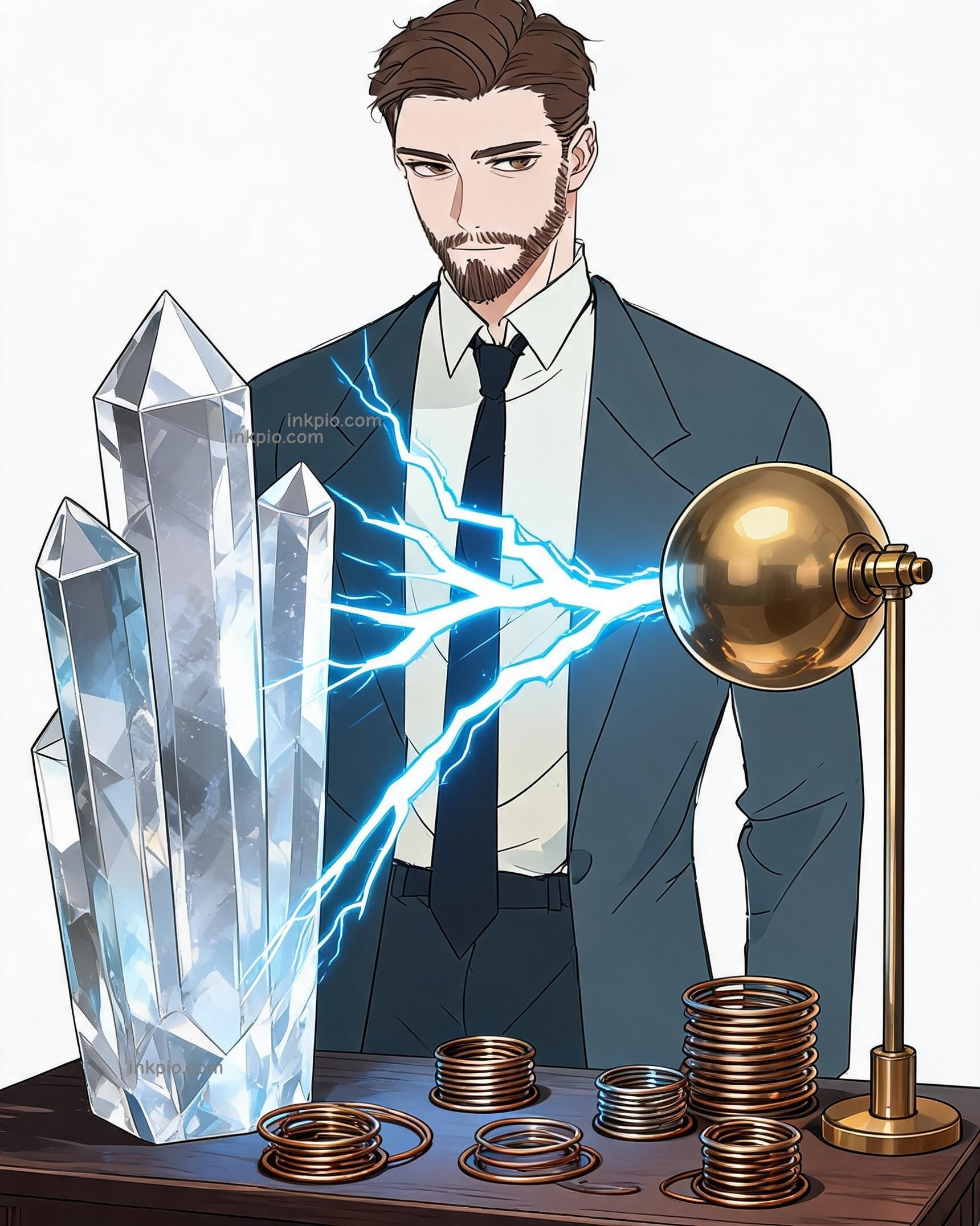
He swapped the glass for a clear quartz plate, knowing it let ultraviolet rays slip through. His hands moved with the precision of someone who had run out of patience. The second he placed it in the beam, the brass gap erupted into a bright, continuous shower of blue sparks. The light itself was doing the heavy lifting, prying tiny charged particles right out of the metal surface. Think of light as a stream of invisible hammers. Ordinary glass stops the heavy ones, leaving the metal untouched. Quartz lets the heavy ultraviolet hammers pass, and they strike with enough force to knock electrons loose in a sudden cascade.
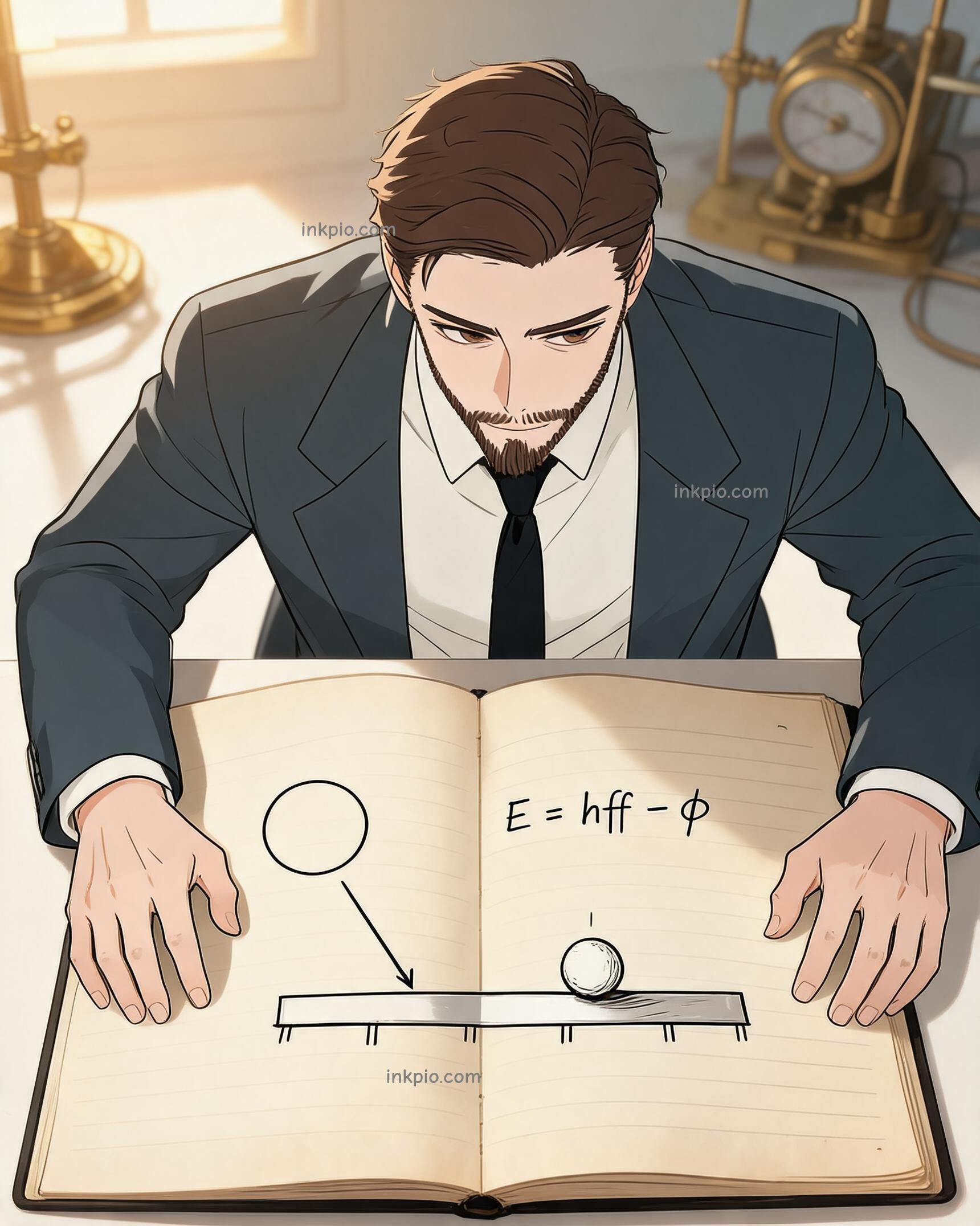
Hertz logged every detail, his pen scratching against the paper in the silence. He eventually published his notes in On an Effect of Ultraviolet Light upon the Electric Discharge. He showed how those invisible rays carried energy in distinct, measurable packets instead of a smooth, endless wave. He only wanted a reliable spark to prove an existing theory right. Instead, he watched a quiet brass gap light up and accidentally proved that light and matter trade energy one sharp tap at a time. The realization did not come with a shout, but with a cold clarity. The world was not continuous; it was granular, built from discrete impacts.
He put down his pen and looked at the apparatus. The sparks had faded, leaving the brass dull and still. The lab was quiet, save for the faint cooling ticks of the equipment. He had set out to confirm what everyone already believed, only to find that reality was far more jagged than anyone had imagined. The glass pane sat on the bench, a simple object that had briefly held back the fundamental nature of light. Hertz did not celebrate. He simply watched the shadows lengthen across the floor, aware that he had opened a door he could not close. The gentle wave theory of light was dead, killed by a piece of glass and a burst of ultraviolet fire.