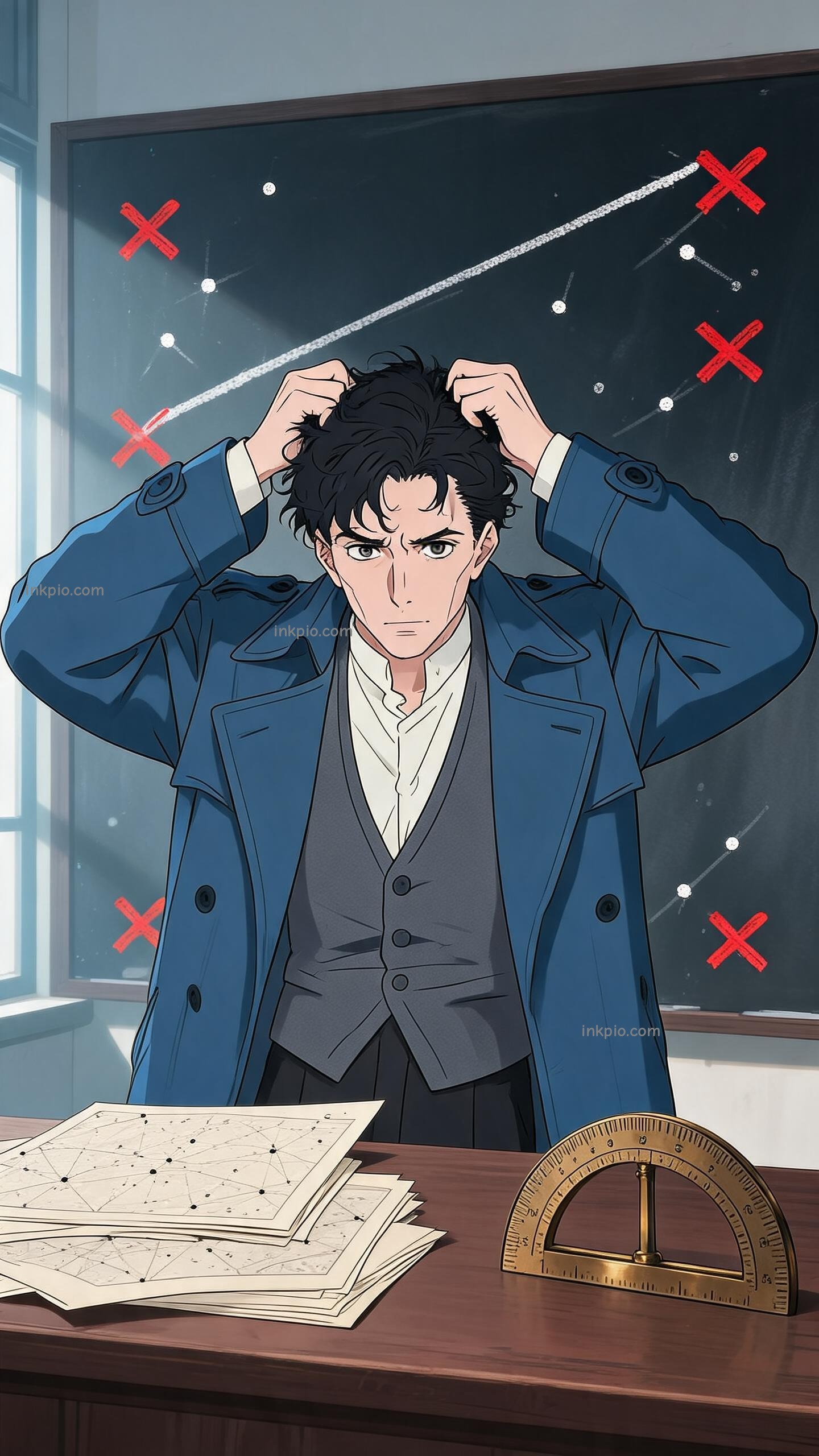
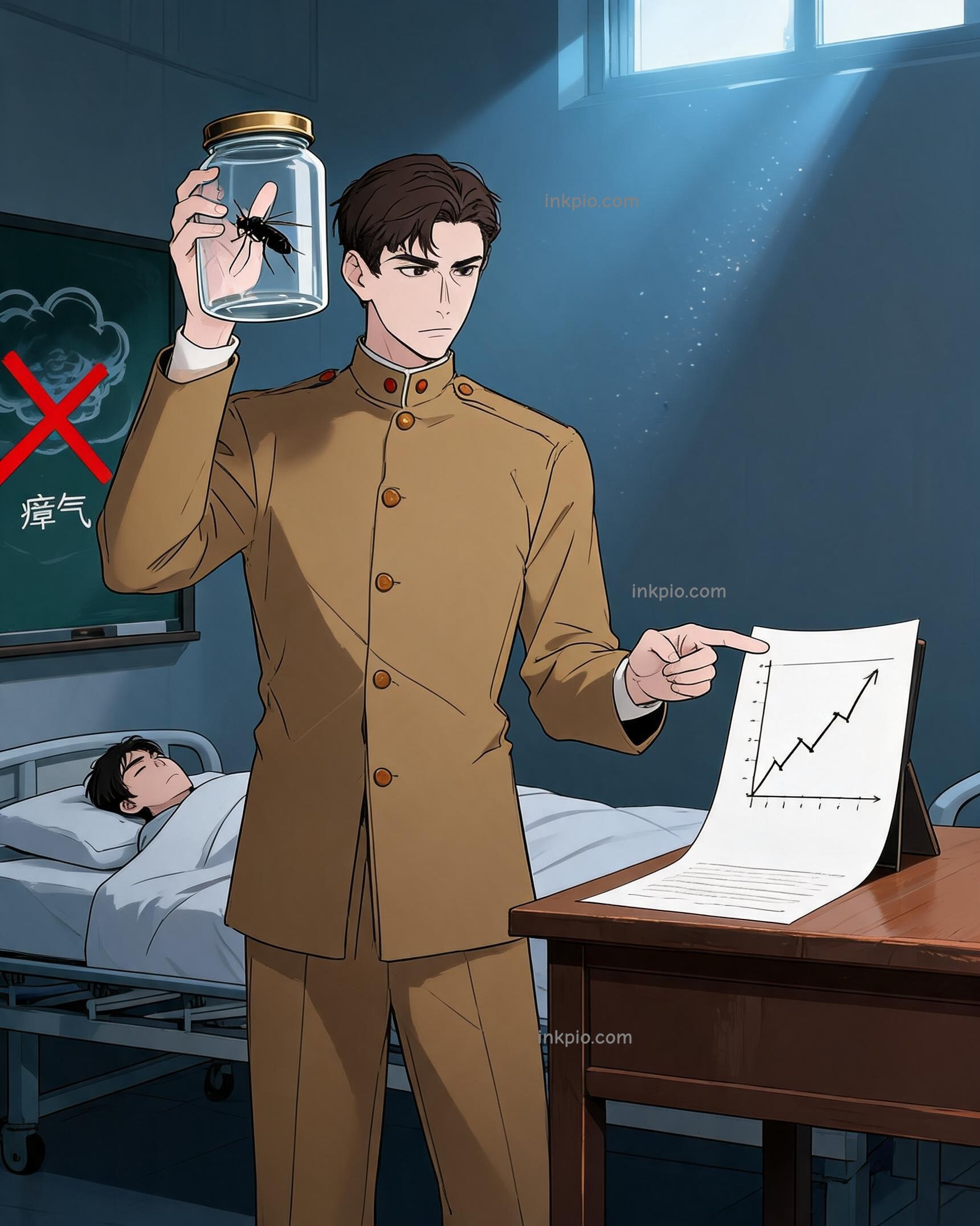


The heat in Havana didn't just sit on the skin; it pressed into the lungs. In the summer of 1900, the city smelled of rotting fruit and fear. Yellow fever moved through the streets like a silent executioner, taking men in their prime and leaving families with empty chairs at dinner tables. The prevailing medical wisdom pointed fingers at "miasma"—bad air rising from filth—or soiled bedding. Doctors argued over sanitation while patients turned yellow and died. Walter Reed watched this debate with a growing sense of dread. He knew that if they were wrong about the cause, every broom swept and every sheet washed was a gesture of futile panic.
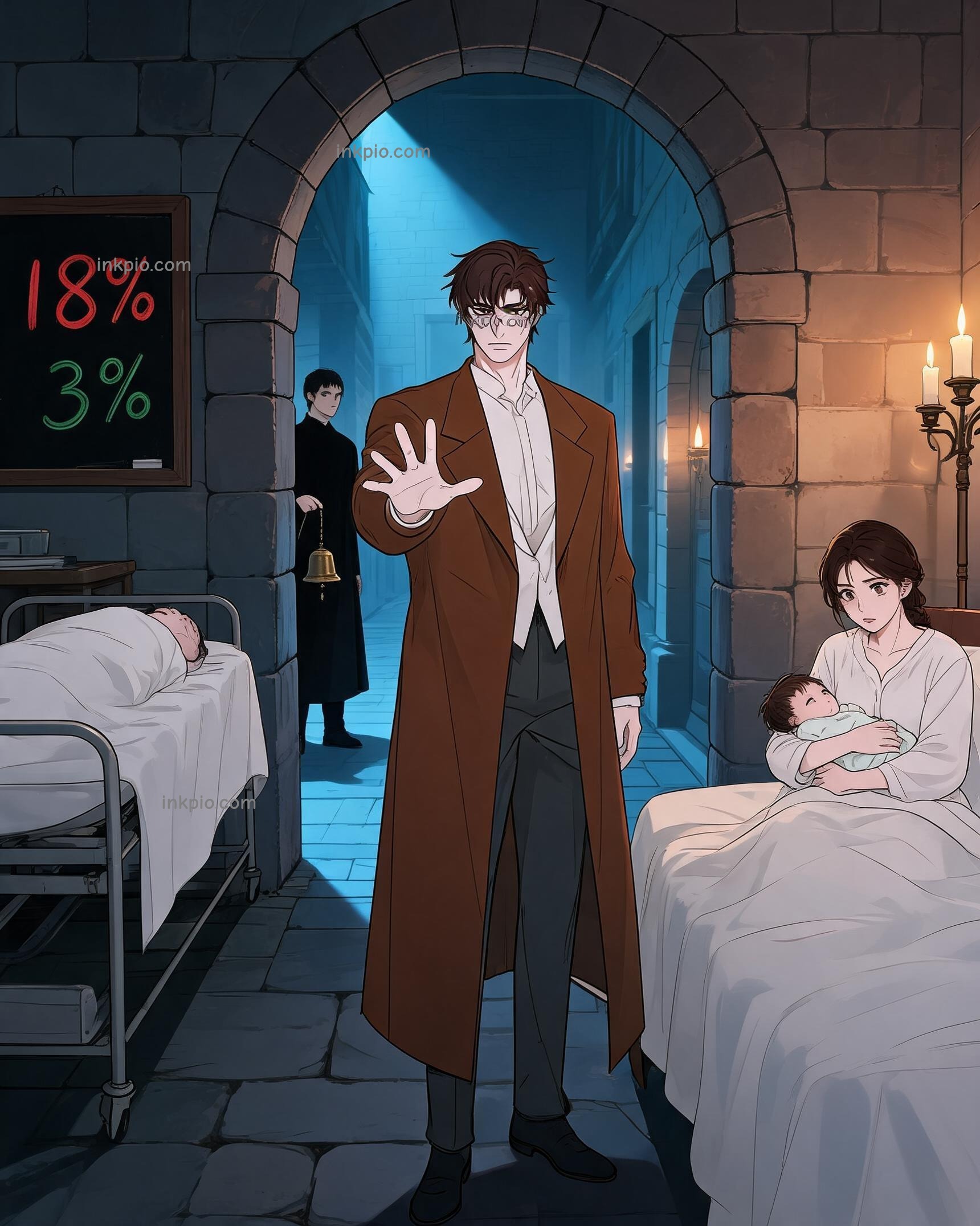
Reed led the U.S. Army Yellow Fever Commission with a quiet, almost obsessive precision. He wasn't just looking for an answer; he was trying to stop a massacre. But proving his theory required a gamble that weighed heavily on his conscience. To isolate the true culprit, he had to expose healthy men to a known danger. If he guessed wrong, he wouldn't just be mistaken; he would be responsible for sending volunteers to their deaths. This wasn't abstract science. It was a moral ledger he kept open in his mind, balancing the risk of a few against the survival of thousands.
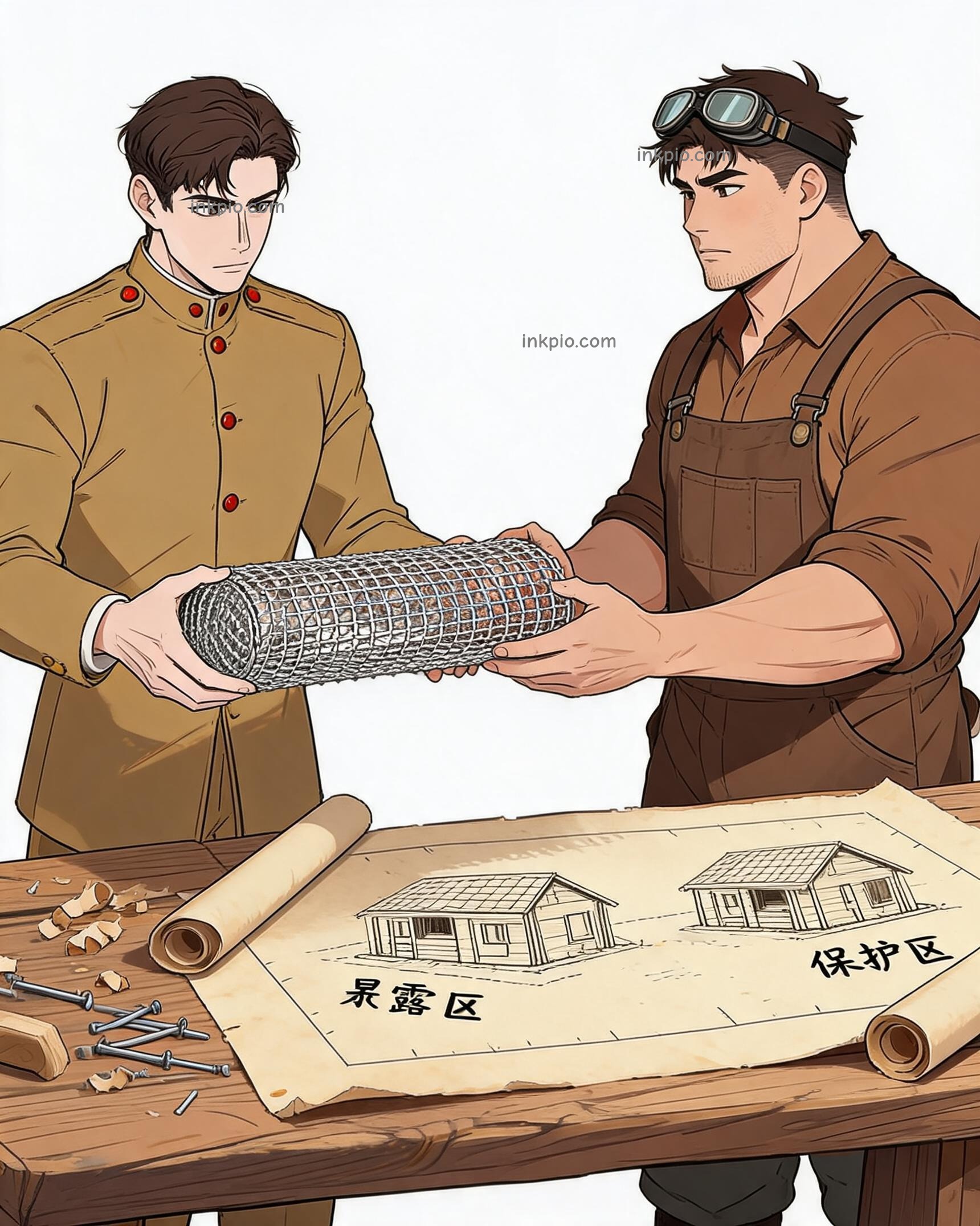
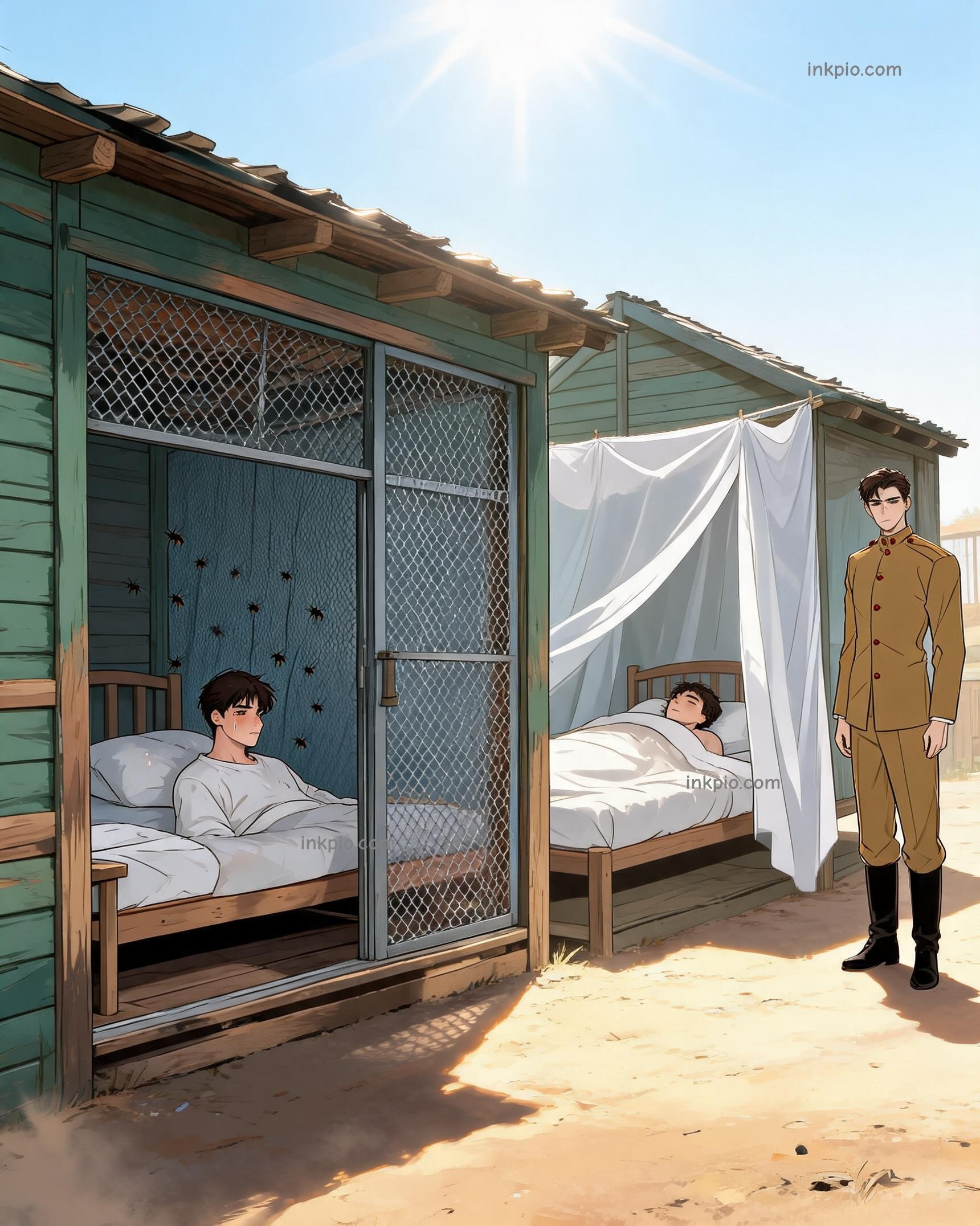
The experiment at Camp Lazaretto was designed to strip away all ambiguity. Reed constructed two identical wooden huts, mirroring each other in every detail except one. In the first hut, volunteers slept under strict, heavy cotton nets that not even the smallest insect could penetrate. They ate the same rations, breathed the same air, and lay on the same beds as the men in the second hut. But the second hut was different. It was sealed, dark, and filled with mosquitoes that had previously fed on yellow fever patients. The variable was binary: protection or exposure. Everything else remained constant.
Inside the sealed hut, the air grew thick with the low, menacing buzz of insects. The volunteers there knew what waited for them in the dark. They lay still, listening to the sound of their own potential demise. Across the yard, the men behind the nets heard nothing but the wind. For days, the tension hung over the camp like a storm cloud. Then, the results arrived, brutal and undeniable. Every single man in the exposed hut spiked a high fever. Their bodies burned as the virus took hold. In the netted hut, not a single volunteer showed a symptom. They remained cool, healthy, and alive.
Reed opened his clinical ledger, his hand steady despite the tremor in the room's atmosphere. The data did not lie. The invisible transmission route snapped into focus, shattering the century-old miasma theory under the weight of simple observation. He wrote down the conclusion that would change everything: "The mosquito is the intermediate host of the yellow fever parasite, and the disease is transmitted solely through its bite." These words were not just medical facts; they were a reprieve. The enemy was no longer the air itself, but a specific, targetable creature.
The impact on the medical community was immediate and violent. Old charts and theories were thrown into fires. Army engineers stopped sweeping streets and started draining stagnant pools, attacking the breeding grounds of the vector. The shift was physical and tangible. In Havana, the focus moved from cleaning sheets to drying earth. Reed closed his notebook as the last fever in the camp broke. The wooden frames of the experimental huts stood silent in the sun, no longer needed. He watched the healthy volunteers walk back into the yard, their shadows long on the dust. The chain of transmission had been broken, not by magic, but by a fine mesh of cotton and the courage to look closely at what others ignored.